Things to do in Abalessa
Abalessa is a small town located in the Tamanrasset Province of southern Algeria, known for its rich historical significance and archaeological sites. It is situated in the heart of the Sahara Desert, offering a unique blend of natural beauty and cultural heritage.The area around Abalessa is famous for its ancient rock engravings and the tomb of Tin Hinan, a legendary Tuareg queen. Visitors to Abalessa can experience the serene desert environment, explore prehistoric art, and learn about the Tuareg culture and history.Tomb of Tin Hinan


The Tomb of Tin Hinan is an ancient mausoleum believed to be the resting place of Tin Hinan, the legendary matriarch of the Tuareg people. This archaeological site is of great cultural and historical importance, offering insight into the early history of the Tuareg civilization.
The tomb is located near Abalessa and is a key attraction for those interested in Saharan history and anthropology. It is a symbol of Tuareg heritage and a place of reverence.
Rock Engravings of Abalessa
The region around Abalessa is renowned for its prehistoric rock engravings, which depict animals, human figures, and symbolic motifs. These petroglyphs provide valuable information about the ancient inhabitants of the Sahara and their way of life.
Exploring these engravings offers a fascinating glimpse into early human expression and the environmental changes that have occurred in the Sahara over millennia.
Sahara Desert Landscapes


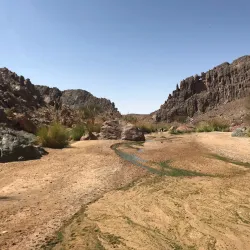
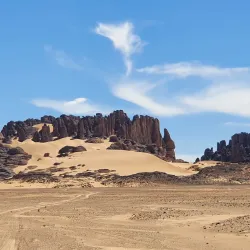
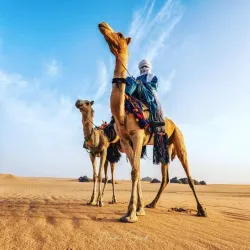
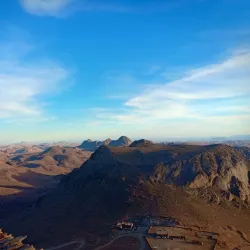
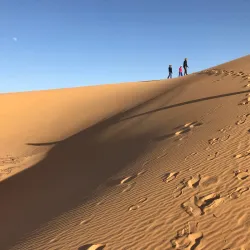
The vast Sahara Desert surrounding Abalessa offers stunning natural scenery characterized by sand dunes, rocky plateaus, and sparse vegetation. The desert environment is ideal for adventure tourism, including trekking, camel rides, and photography.
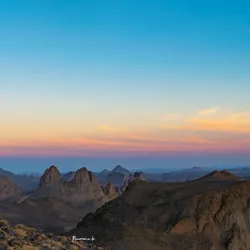
Visitors can experience the tranquility and vastness of the desert, witnessing spectacular sunrises and sunsets that highlight the beauty of this unique ecosystem.
Tuareg Cultural Experience


Abalessa provides an opportunity to learn about the Tuareg people, their traditions, language, and crafts. Visitors can engage with local communities to understand their nomadic lifestyle and cultural practices.
Traditional music, clothing, and artisanal products such as silver jewelry and leather goods are part of the cultural experience offered in the area.
Tamanrasset Museum (near Abalessa)


Located in the nearby city of Tamanrasset, this museum showcases artifacts and exhibits related to the history, culture, and natural environment of the Hoggar region, including items from Abalessa.
It provides context and deeper understanding of the archaeological finds and the Tuareg heritage, making it a valuable stop for visitors interested in the broader region.
Hoggar Mountains (near Abalessa)


The Hoggar Mountains, located near Abalessa, are a dramatic volcanic mountain range offering spectacular landscapes, hiking opportunities, and a chance to explore the natural beauty of southern Algeria.
The mountains are also culturally significant to the Tuareg people and provide a backdrop to many traditional stories and legends.
Ancient Trade Route Sites
Abalessa lies along historic trans-Saharan trade routes that connected sub-Saharan Africa with the Mediterranean. Exploring these sites offers insight into the economic and cultural exchanges that shaped the region.
Remnants of caravan stops and ancient pathways can be found in the area, highlighting its historical importance as a crossroads of civilizations.
Local Markets and Handicrafts


The local markets in and around Abalessa offer traditional Tuareg handicrafts, including jewelry, textiles, and leather goods. These markets provide a chance to purchase authentic souvenirs and support local artisans.
Visiting the markets also allows for interaction with the local community and a deeper appreciation of their craftsmanship and daily life.
Desert Wildlife Observation

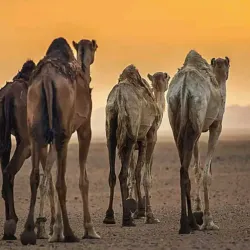
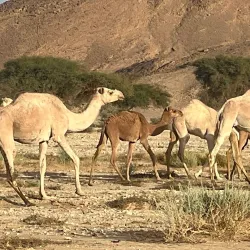
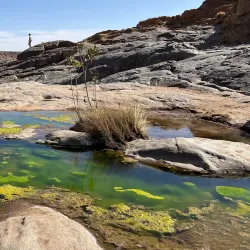
The Sahara Desert around Abalessa is home to unique desert-adapted wildlife, including various reptiles, birds, and mammals. Observing these animals in their natural habitat is a rewarding experience for nature enthusiasts.
Guided tours can help visitors spot species such as the Saharan silver ant, desert foxes, and various raptors that thrive in this harsh environment.
Traditional Tuareg Festivals
Occasionally, traditional Tuareg festivals and gatherings take place in the region, celebrating music, dance, and cultural heritage. These events offer a vibrant and immersive experience for visitors.
Participating in or witnessing these festivals provides insight into the social and cultural life of the Tuareg people, reinforcing the importance of community and tradition.