Things to do in Djelfa
Djelfa is a city located in the north-central part of Algeria, known for its rich history, cultural heritage, and natural landscapes. It serves as a gateway to the Saharan region and offers visitors a unique blend of traditional Algerian life and historical sites.The city and its surroundings are characterized by archaeological sites, ancient rock art, and natural parks, making it an interesting destination for history enthusiasts and nature lovers alike.Tassili n'Ajjer Rock Art
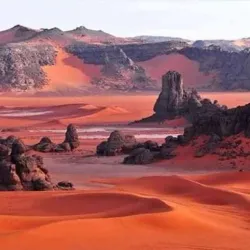


Though primarily located further southeast, the region around Djelfa features notable prehistoric rock engravings and petroglyphs that are part of the broader Saharan rock art heritage.
These ancient artworks provide insight into early human life and the environment in the area thousands of years ago.
Djelfa Archaeological Museum
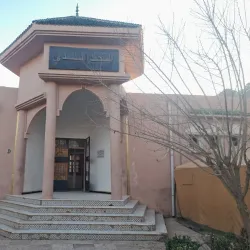


This museum showcases artifacts from the region, including prehistoric tools, pottery, and items from various periods of Algerian history.
It offers visitors a comprehensive overview of the cultural and historical evolution of Djelfa and its surroundings.
Aïn Oussera Market
A bustling local market where visitors can experience traditional Algerian commerce, buy local crafts, spices, and fresh produce.
The market is a great place to observe daily life and interact with local residents.
Djelfa Grand Mosque


An important religious and architectural landmark in the city, the Grand Mosque is notable for its design and cultural significance.
It serves as a center for community gatherings and religious events.
Chott El Hodna


A large endorheic salt lake located near Djelfa, known for its unique ecosystem and birdwatching opportunities.
The lake and its surroundings offer a peaceful natural environment for visitors interested in nature and photography.
Tadmit Rock Engravings
Located near Djelfa, these rock engravings date back thousands of years and depict animals, human figures, and symbolic motifs.
They are an important archaeological site that helps understand prehistoric life in the region.
Djelfa Traditional Berber Villages


Surrounding Djelfa are several Berber villages where visitors can learn about traditional lifestyles, crafts, and customs.
These villages provide cultural insights and opportunities for authentic interactions with local communities.
Tassili n'Ajjer National Park (Extended Region)


While the main park is farther southeast, the extended region around Djelfa includes similar landscapes and rock art sites that reflect the broader cultural and natural heritage of the area.
The park is a UNESCO World Heritage site known for its prehistoric rock art and unique desert landscapes.
Djelfa Natural Springs
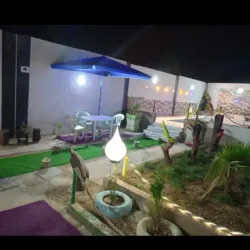


Natural springs in the region offer scenic spots for relaxation and picnics.
These springs are valued for their fresh water and the greenery they support in an otherwise arid environment.
Local Algerian Cuisine Experiences
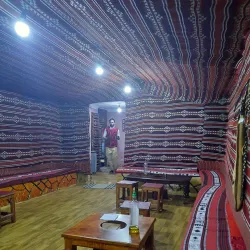


Djelfa offers various opportunities to taste traditional Algerian dishes such as couscous, tajine, and local pastries.
Dining in local restaurants or with families provides a rich cultural experience and insight into Algerian hospitality.