Things to do in Tebessa
Tebessa, located in northeastern Algeria near the Tunisian border, is a city rich in history and archaeological significance. Known for its well-preserved Roman ruins and ancient sites, Tebessa offers visitors a unique glimpse into the past with its blend of Roman, Byzantine, and Islamic influences.The city is surrounded by remarkable historical landmarks, including ancient temples, theaters, and fortifications. Tebessa's cultural heritage is complemented by its vibrant local life and traditional Algerian atmosphere.Tebessa Roman Ruins
The Tebessa Roman Ruins are among the most significant archaeological sites in Algeria, featuring well-preserved structures such as the Arch of Caracalla, Roman temples, and ancient city walls. These ruins showcase the architectural and cultural achievements of the Roman Empire in North Africa.
Visitors can walk through the ancient streets and explore the remains of public buildings, baths, and temples, gaining a deep appreciation for the city's historical importance.
Arch of Caracalla
This triumphal arch is one of the most iconic monuments in Tebessa, built in honor of the Roman Emperor Caracalla. The arch is notable for its intricate carvings and well-preserved condition, standing as a testament to Roman engineering and artistry.
It serves as a prominent historical landmark and a popular photo spot for visitors exploring the ancient city.
Temple of Minerva
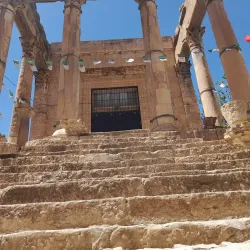
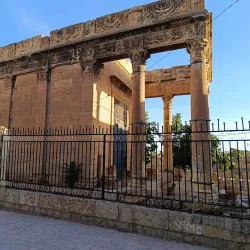
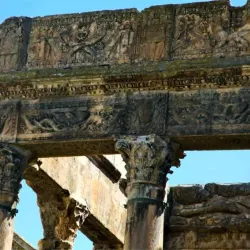
The Temple of Minerva is a remarkable example of Roman religious architecture in Tebessa. Dedicated to the goddess Minerva, the temple features classical columns and detailed stonework that reflect the religious practices of the time.
This site provides insight into the spiritual life of the ancient inhabitants and is a key highlight for those interested in Roman mythology and history.
Roman Theater of Tebessa
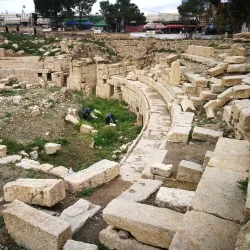
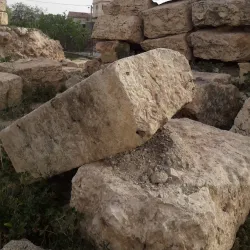
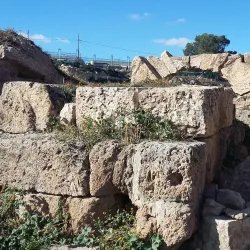
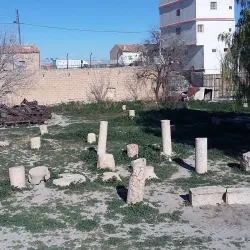
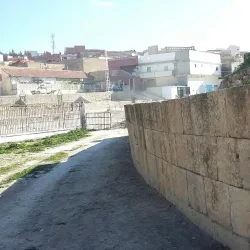
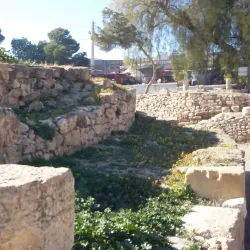
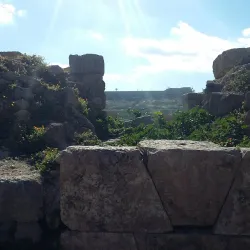
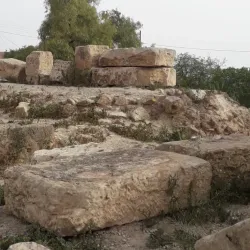
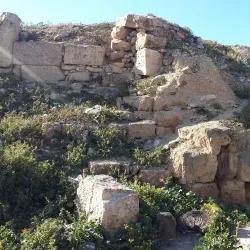
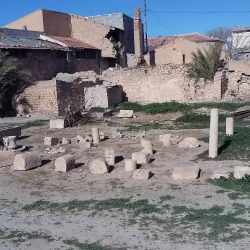
The Roman Theater is a well-preserved structure that once hosted performances and public gatherings. Its semi-circular design and tiered seating offer a glimpse into the entertainment culture of ancient Rome.
Today, the theater is a fascinating site for visitors to imagine the social and cultural events that took place centuries ago.
Byzantine Fortifications
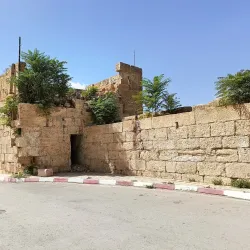
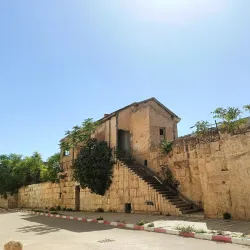
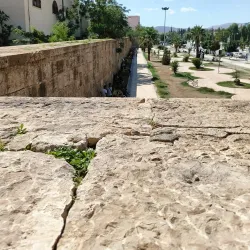
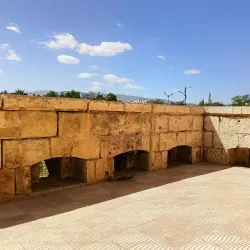
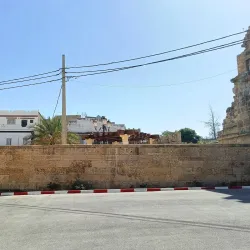
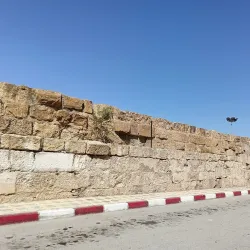
These fortifications represent the later historical layers of Tebessa, showcasing Byzantine military architecture. The walls and defensive structures highlight the strategic importance of the city through different historical periods.
Exploring these fortifications allows visitors to understand the city's role in regional defense and its historical transitions.
Tebessa Museum
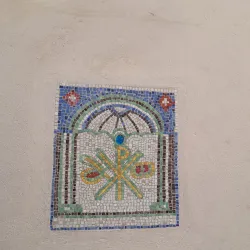
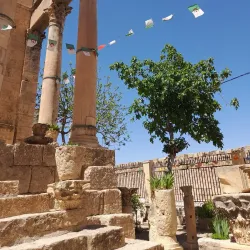
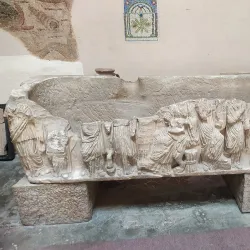
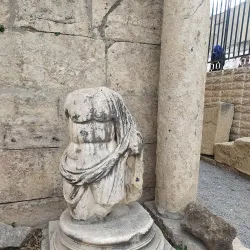
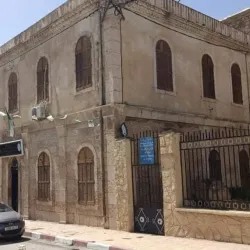
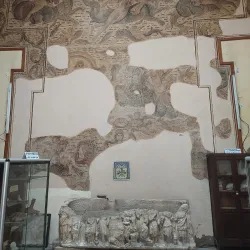
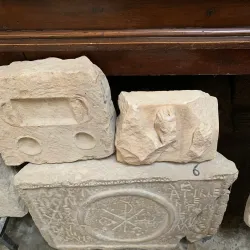
The Tebessa Museum houses a collection of artifacts recovered from the surrounding archaeological sites, including mosaics, pottery, statues, and inscriptions. The museum provides context and detailed information about the region's history from ancient times through the Islamic period.
It is an essential stop for those wanting to deepen their understanding of Tebessa's rich cultural heritage.
Great Mosque of Tebessa
This mosque is an important religious and architectural site in the city, reflecting Islamic influences that followed the Roman and Byzantine periods. Its design and decoration offer insights into the Islamic heritage of the region.
Visitors interested in religious architecture and history will find the mosque a meaningful place to visit.
Local Markets (Souks)
Tebessa's local markets are vibrant centers of daily life where visitors can experience traditional Algerian culture. The souks offer a variety of goods including spices, textiles, crafts, and fresh produce.
Exploring these markets provides a sensory experience of the city's contemporary culture and traditions.
Traditional Algerian Cuisine Restaurants
Tebessa offers several restaurants where visitors can enjoy traditional Algerian dishes such as couscous, tagine, and pastries. These dining experiences are an excellent way to taste the local flavors and culinary heritage.
Many restaurants are located near the city center, providing a comfortable and authentic atmosphere for visitors.
Surrounding Natural Landscapes
The areas around Tebessa feature scenic landscapes including hills and valleys that are ideal for hiking and outdoor activities. These natural settings offer a peaceful retreat from the historical sites and urban environment.
Nature enthusiasts can explore these landscapes to enjoy the beauty of northeastern Algeria.