Things to do in Lubango
Lubango, the capital city of Huíla Province in Angola, is known for its stunning natural landscapes, colonial architecture, and rich cultural heritage. Nestled in the highlands, Lubango offers visitors a blend of outdoor adventures and historical exploration.The city is surrounded by mountains and is famous for its cool climate, making it a popular destination for nature lovers and those interested in Angolan history and culture.Serra da Leba

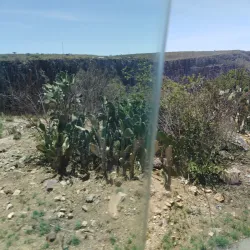
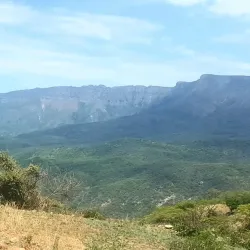
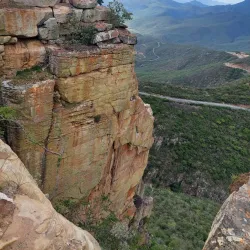
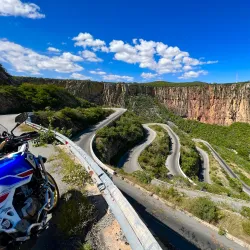
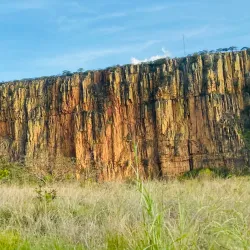
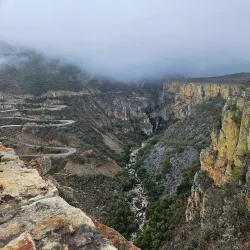
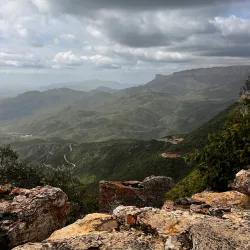
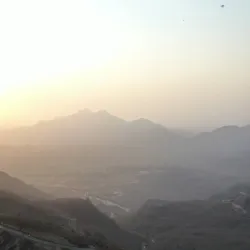
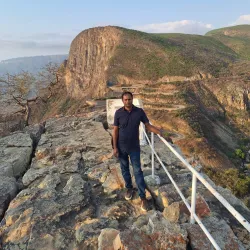
The Serra da Leba is a mountain range famous for its winding roads and spectacular views. It is one of the most iconic natural landmarks near Lubango and offers excellent opportunities for photography and hiking.
The road through Serra da Leba is considered one of the most scenic drives in Angola, with dramatic cliffs and panoramic vistas of the surrounding landscape.
Tundavala Gap

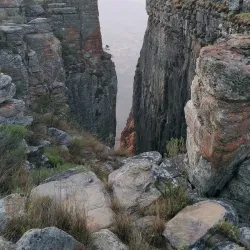
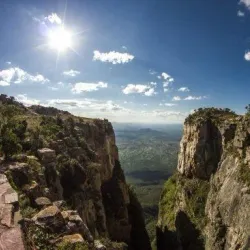
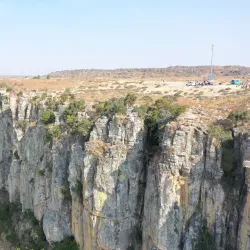
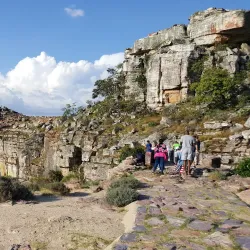
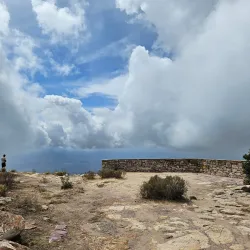
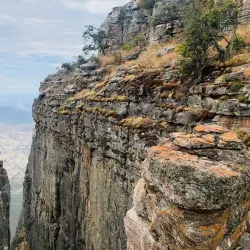
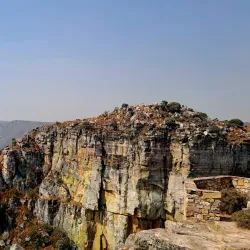
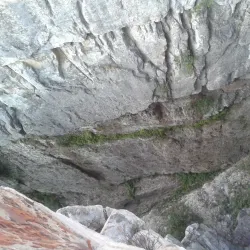
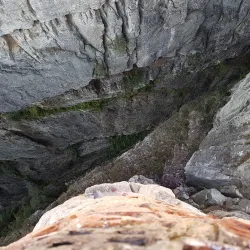
Tundavala Gap is a breathtaking cliff offering expansive views over the Huíla Plateau and the surrounding valleys. It is a must-visit for nature enthusiasts and photographers.
The site is known for its dramatic drop and the stunning scenery visible from the viewpoint, making it one of the top natural attractions in the Lubango area.
Christ the King Statue (Cristo Rei)


This large statue of Christ the King overlooks Lubango and is a prominent landmark in the city. It reflects the Portuguese colonial influence and is a popular spot for visitors to take in views of the city and surrounding areas.
The statue is a symbol of faith and offers a peaceful place for reflection and sightseeing.
Lubango Cathedral (Our Lady of Victories Cathedral)


The Lubango Cathedral is a beautiful example of colonial-era architecture and serves as a religious and cultural center in the city.
Visitors can admire its design and learn about the role of Christianity in the region's history.
Museu da Moeda

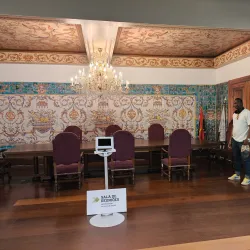
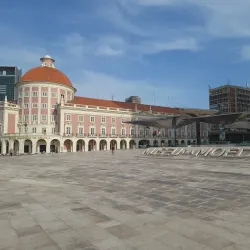
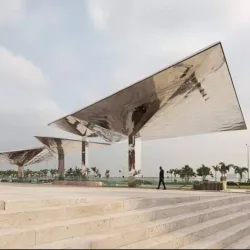



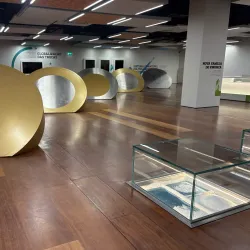
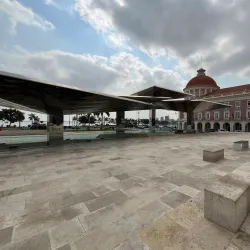
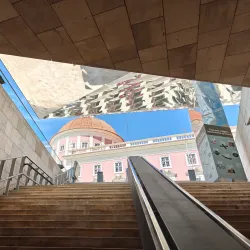
The Museum of Currency in Lubango showcases the history of Angolan currency and offers insights into the economic history of the region.
It is a small but interesting museum for those curious about local history and numismatics.
Penedo da Saudade


Penedo da Saudade is a rocky outcrop offering panoramic views of Lubango and the surrounding landscape. It is a popular spot for locals and tourists alike to enjoy the sunset and take in the natural beauty.
The site is also known for its peaceful atmosphere and scenic walking paths.
Lubango Market


The Lubango Market is a vibrant place where visitors can experience local culture, buy fresh produce, crafts, and traditional goods.
It provides a glimpse into daily life in Lubango and is a great place to interact with locals and purchase souvenirs.
Waterfalls of Calandula (near Lubango)


While technically a bit outside Lubango, the Calandula Waterfalls are one of Angola's most spectacular natural attractions and worth the trip from the city.
These waterfalls are among the largest in Africa and offer stunning views and opportunities for hiking and nature photography.
Huíla Plateau


The Huíla Plateau surrounding Lubango is known for its fertile lands, scenic beauty, and agricultural significance.
Visitors can explore the plateau to experience rural Angolan life and enjoy outdoor activities such as hiking and bird watching.
Quilemba
Quilemba is a nearby town known for its cultural heritage and traditional crafts. It offers visitors a chance to explore local Angolan culture outside the city of Lubango.
The town is a good destination for those interested in learning about the customs and traditions of the Huíla Province.