Things to do in Olavarria (Olavarría)
Olavarría is a vibrant city located in the Buenos Aires Province of Argentina, known for its rich cultural heritage, natural beauty, and industrial significance. The city offers a blend of urban and rural experiences, with a variety of attractions ranging from museums and historical sites to parks and natural reserves.
Visitors to Olavarría can explore its artistic scene, enjoy outdoor activities, and learn about the local history and traditions. The city is also recognized for its stone quarrying industry, which has shaped much of its development.


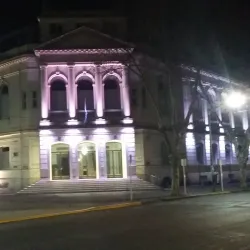
Museo Municipal de Bellas Artes "Dr. Ángel María de Rosa"

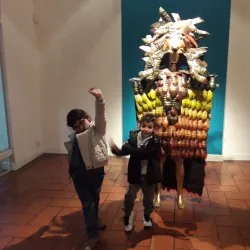
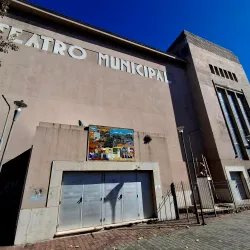
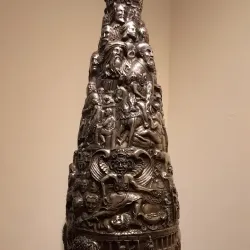
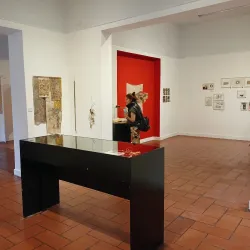
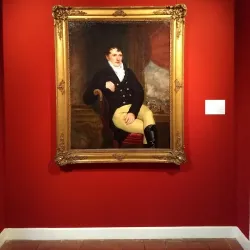
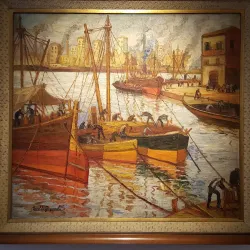

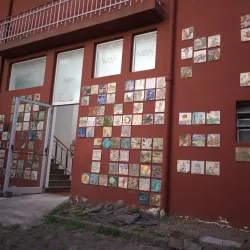
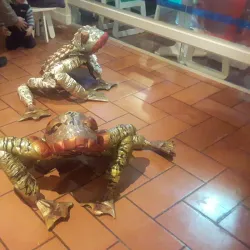
This municipal fine arts museum is one of the most important cultural institutions in Olavarría. It houses an extensive collection of Argentine art, including paintings, sculptures, and decorative arts.
The museum is named after Dr. Ángel María de Rosa, a prominent local artist and collector, and offers visitors insight into the artistic heritage of the region.
Parque Mitre
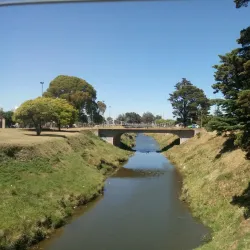
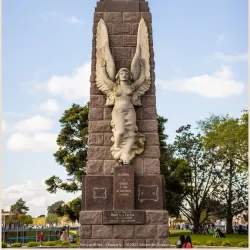
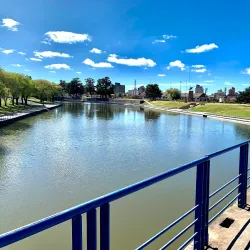
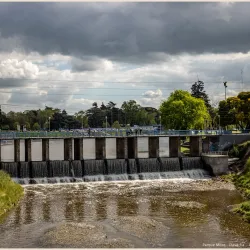
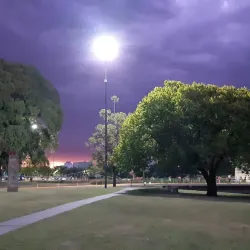
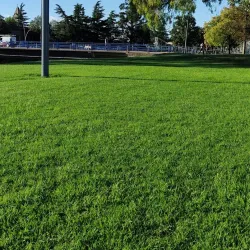
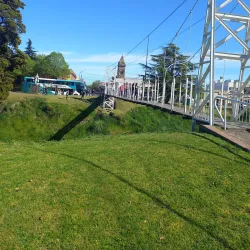
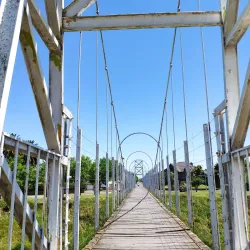
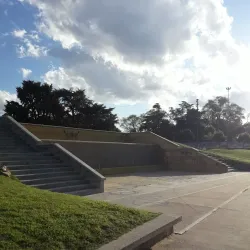
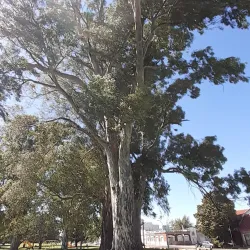
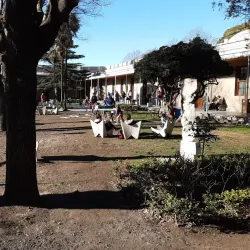
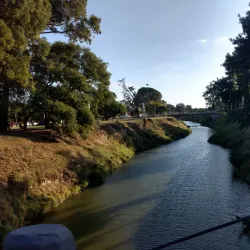
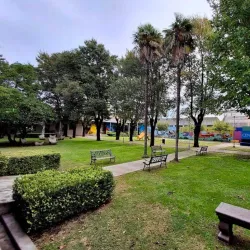
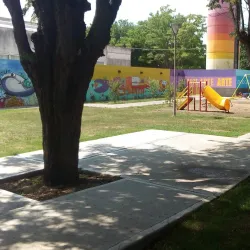
Parque Mitre is a large urban park in Olavarría, perfect for outdoor activities and relaxation. It features walking paths, green spaces, playgrounds, and areas for picnics.
The park is a popular spot for locals and visitors alike to enjoy nature within the city, offering a peaceful environment for families and individuals.
Reserva Natural Laguna de Gómez
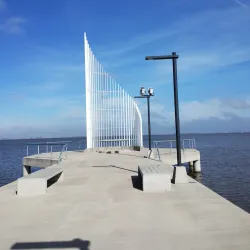
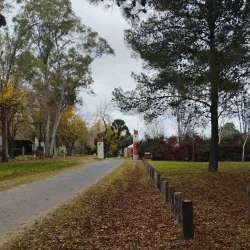


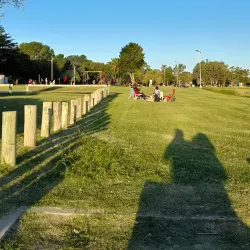
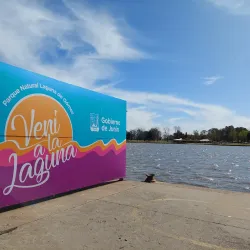
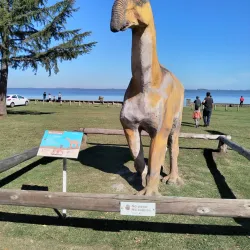



This natural reserve is centered around Laguna de Gómez, a scenic lake offering opportunities for fishing, boating, and birdwatching.
The reserve is an important ecological area that supports diverse flora and fauna, making it a great destination for nature enthusiasts.
Parroquia San José
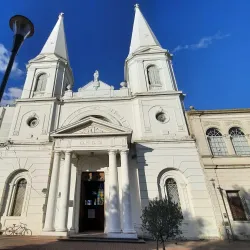
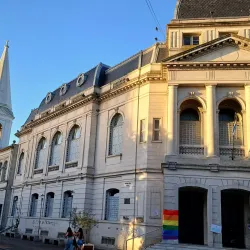
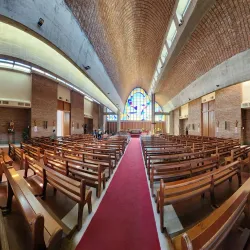
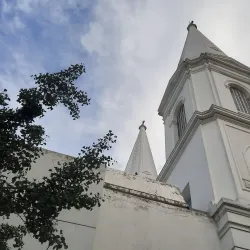
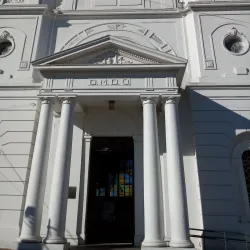
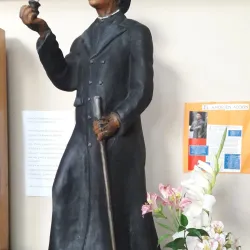
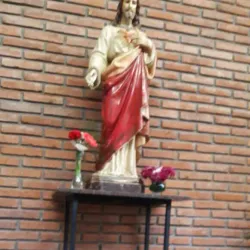
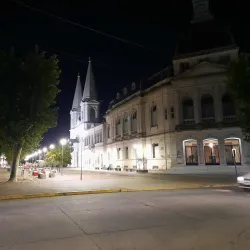
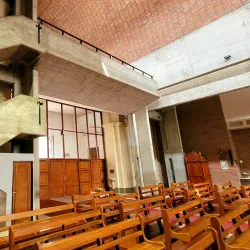
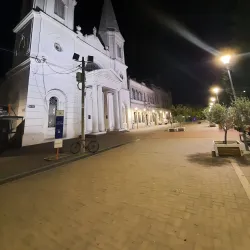
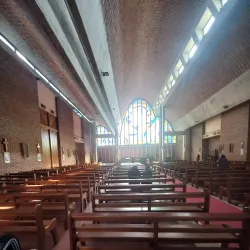
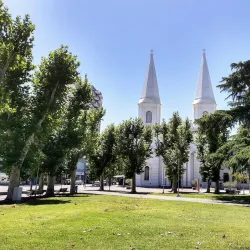
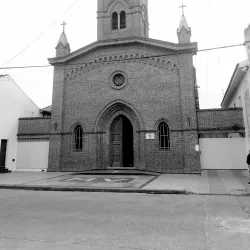
The Parroquia San José is a historic church in Olavarría, known for its architectural beauty and religious significance.
It serves as a spiritual center for the community and is notable for its stained glass windows and traditional design.
Museo de la Ciudad

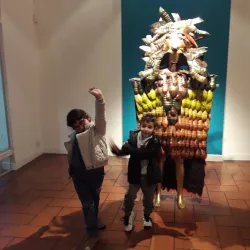
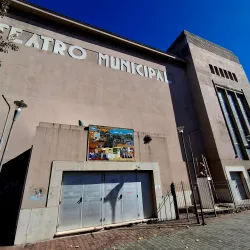
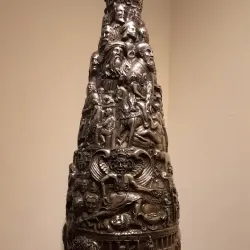
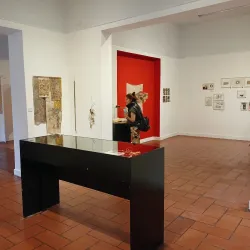
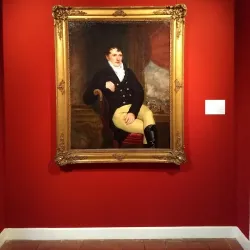
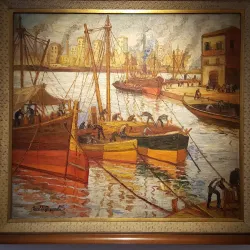

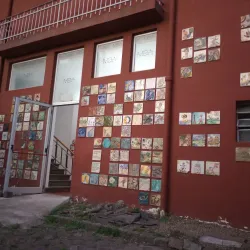
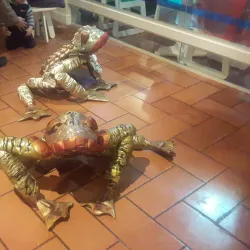
This museum offers a comprehensive look at the history and development of Olavarría. Exhibits include artifacts, photographs, and documents that tell the story of the city's founding and growth.
The museum provides valuable context for understanding the cultural and social evolution of the area.
Plaza Central
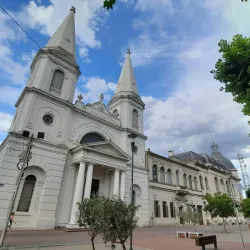
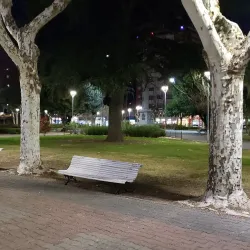
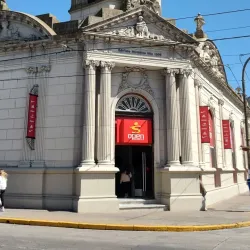
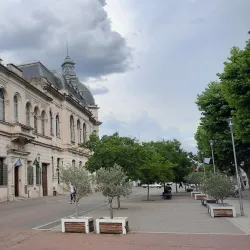
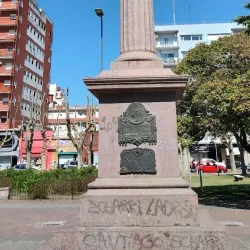
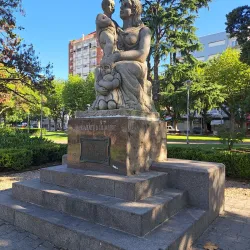
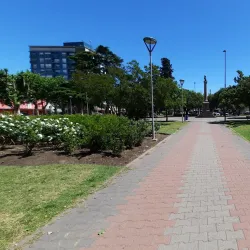
The central plaza is the heart of Olavarría, surrounded by important buildings, shops, and cafes.
It is a lively gathering place for community events, markets, and social activities, reflecting the city's vibrant local culture.
Estación Ferroviaria de Olavarría
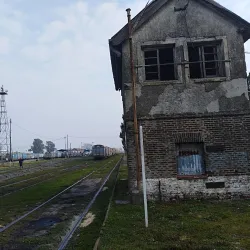
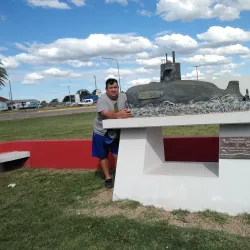
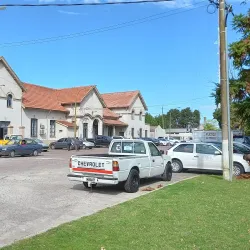

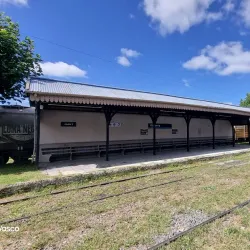
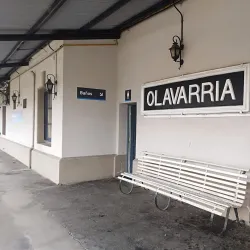
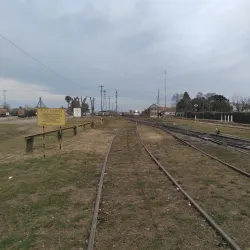
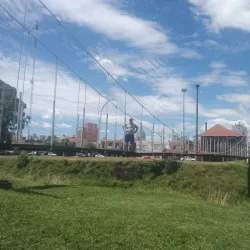
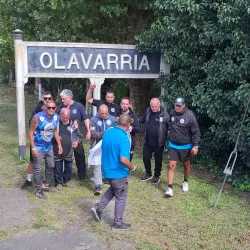

The historic railway station is a landmark that highlights the importance of rail transport in the city's development.
Though no longer a major transport hub, the station building is preserved as a symbol of Olavarría's industrial past.
Cerro de la Cruz
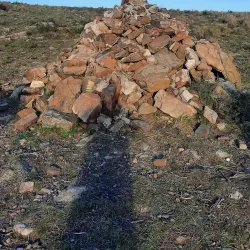
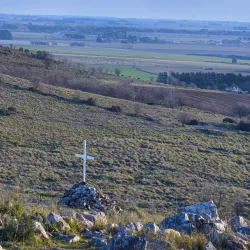

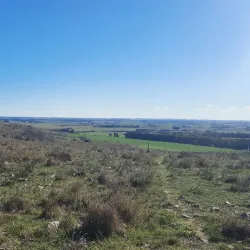
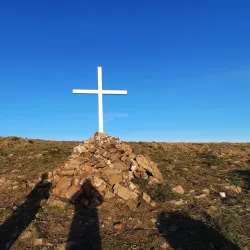
Cerro de la Cruz is a hill offering panoramic views of Olavarría and its surroundings.
Visitors can hike to the summit to enjoy scenic vistas and take photographs, making it a popular spot for outdoor enthusiasts.
Centro Cultural Municipal
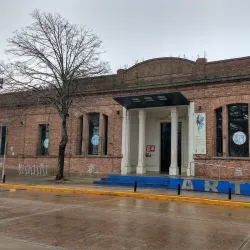
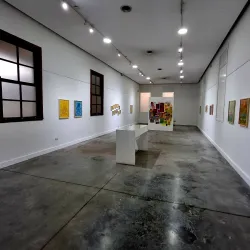
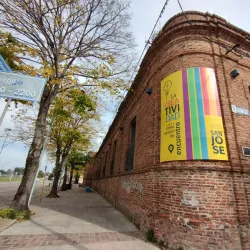

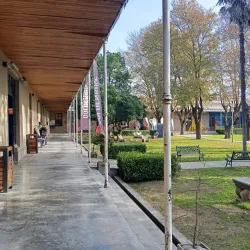
The Municipal Cultural Center hosts a variety of cultural events, including art exhibitions, theater performances, and workshops.
It serves as a hub for local artists and cultural activities, promoting community engagement and creativity.
Canteras de Piedra
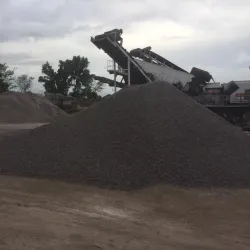
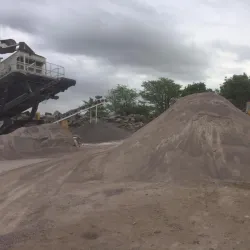

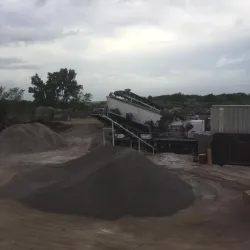
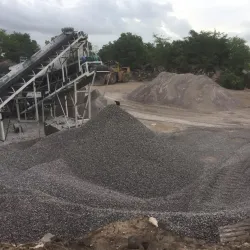
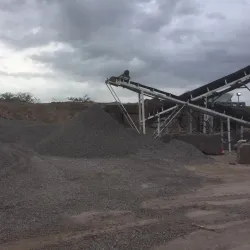
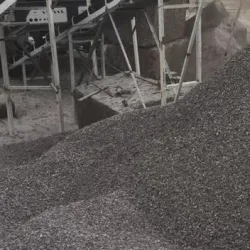


Olavarría is famous for its stone quarries, which have been a significant part of the local economy.
Visitors can learn about the quarrying process and the types of stone extracted, which are used in construction and sculpture throughout Argentina.