Things to do in San Miguel de Tucuman
San Miguel de Tucumán, often simply called Tucumán, is the capital city of the Tucumán Province in northern Argentina. Known as the 'Garden of the Republic,' it is rich in history, culture, and natural beauty. The city is a vibrant hub with a blend of colonial architecture, bustling markets, and green spaces.
Tucumán offers visitors a chance to explore Argentina's historical roots, especially its role in the country's independence, alongside enjoying modern urban life. The city’s neighborhoods feature a mix of traditional and contemporary influences, making it a fascinating destination for travelers.


Casa Histórica de la Independencia
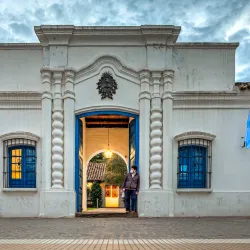
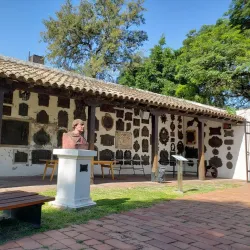
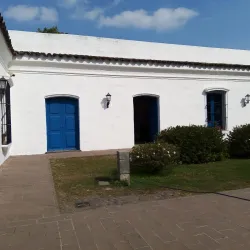
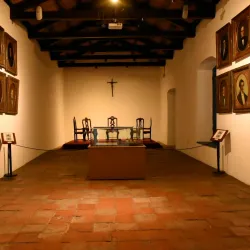
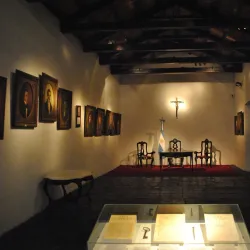
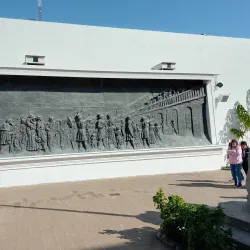
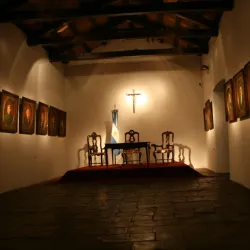
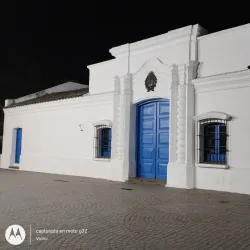
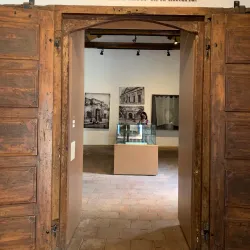
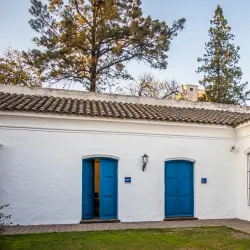
This historic house museum is where the Argentine Declaration of Independence was signed on July 9, 1816. It is a key landmark in the country’s history and offers visitors a glimpse into the revolutionary period through preserved rooms, artifacts, and exhibitions.
The site is beautifully maintained with gardens and a museum that provides context about the independence movement and the figures involved.
Parque 9 de Julio
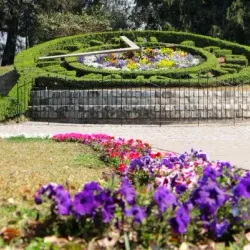
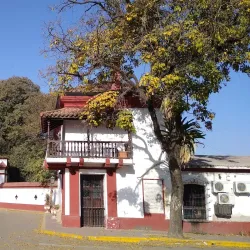
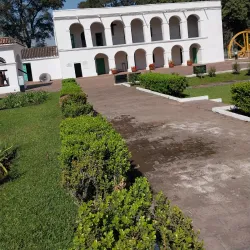
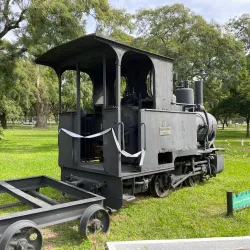
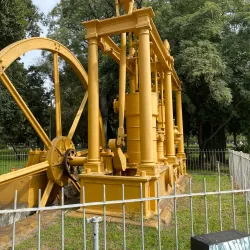
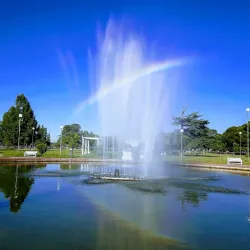
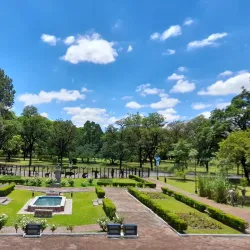
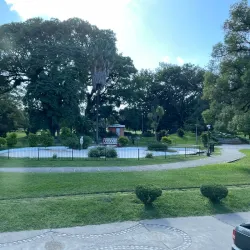
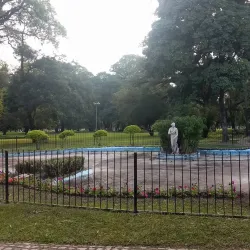
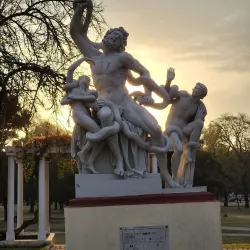
One of the largest urban parks in Argentina, Parque 9 de Julio is a green oasis in the heart of Tucumán. It features walking paths, fountains, playgrounds, and sculptures, making it a popular spot for relaxation and recreation.
The park is also home to cultural events and festivals, providing a lively atmosphere for both locals and tourists.
Catedral de San Miguel de Tucumán
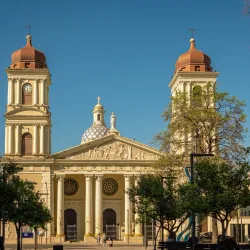
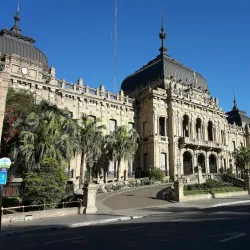
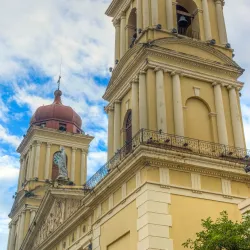
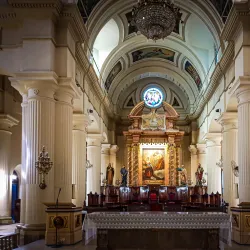
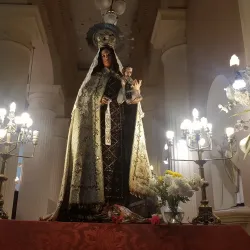
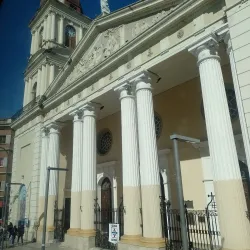
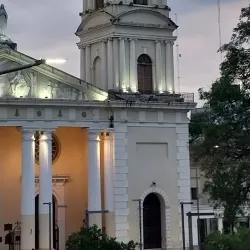
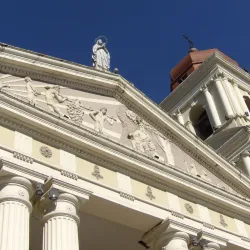

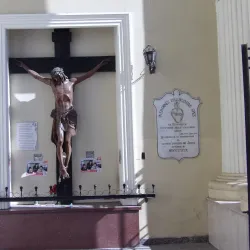
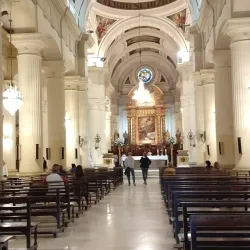
This impressive cathedral is a central religious and architectural landmark in the city. It showcases neoclassical design with beautiful stained glass windows and intricate interior details.
The cathedral is located in the main square and is a focal point for religious ceremonies and cultural events.
Museo Miguel Lillo
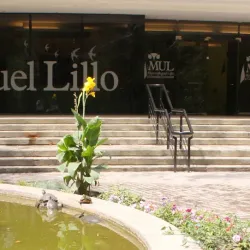
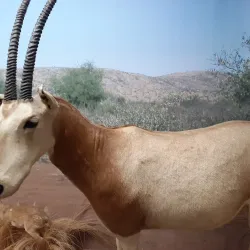
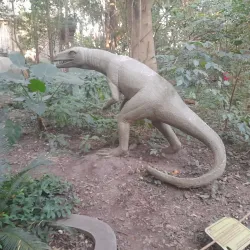
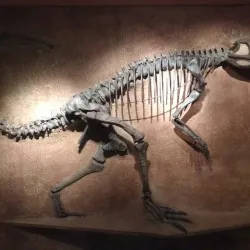
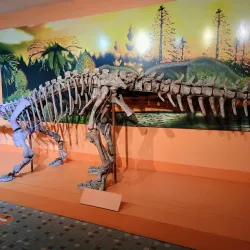
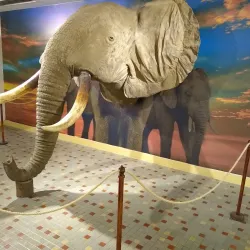
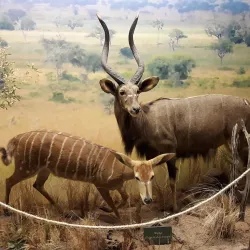
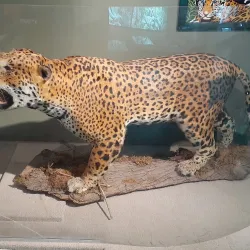
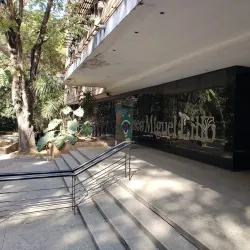
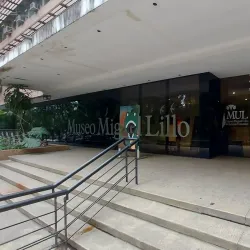
A natural history museum named after the renowned Argentine naturalist Miguel Lillo. The museum houses extensive collections of fossils, minerals, plants, and animals native to the region.
It is an educational destination for those interested in the natural sciences and the biodiversity of northern Argentina.
Mercado del Norte
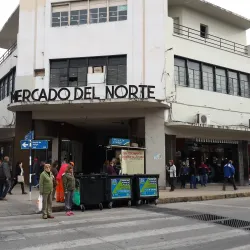






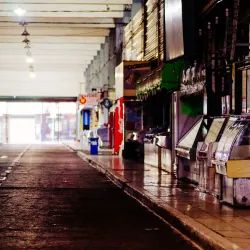
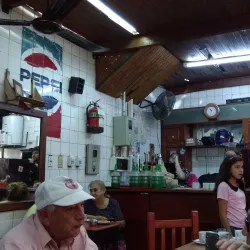

A bustling market where visitors can experience local flavors, crafts, and culture. The Mercado del Norte offers fresh produce, traditional foods, and handmade goods, making it a vibrant spot for shopping and dining.
It provides an authentic taste of Tucumán’s culinary and artisanal traditions.
Casa Padilla
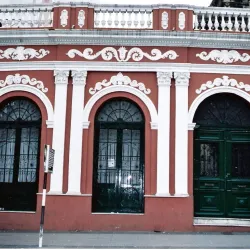
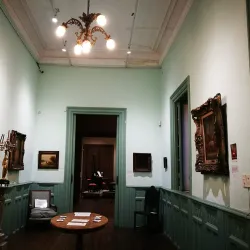
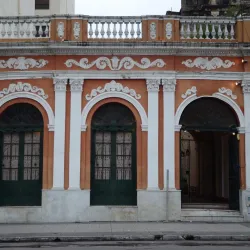
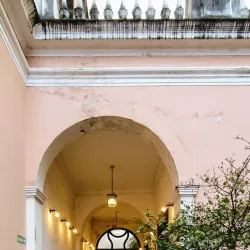
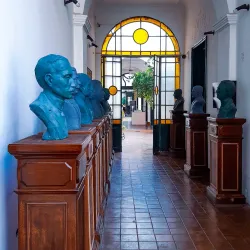
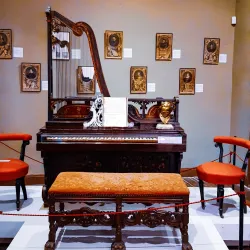
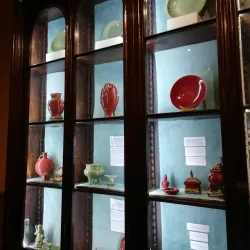
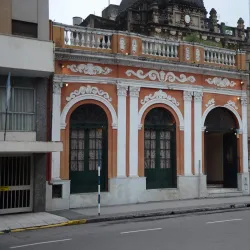
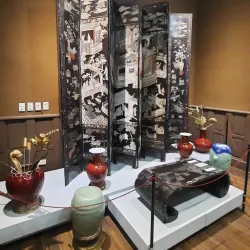
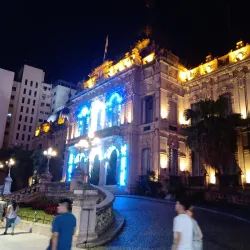
A historic colonial house that now serves as a cultural center and museum. Casa Padilla offers exhibitions on local history, art, and culture, providing insight into the city’s past and present.
The building itself is an architectural gem, reflecting the colonial style of the region.
Museo de la Universidad Nacional de Tucumán
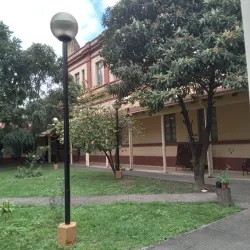

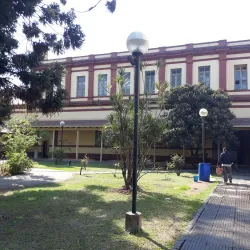
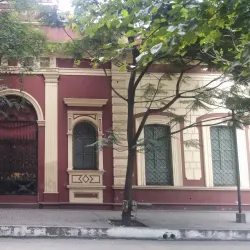
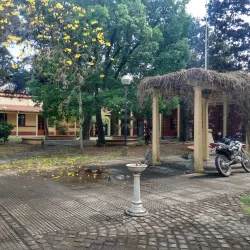
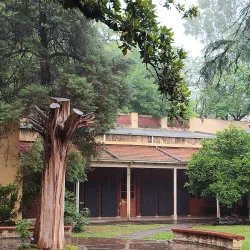
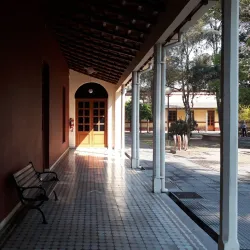
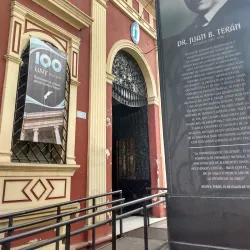
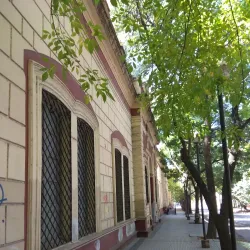
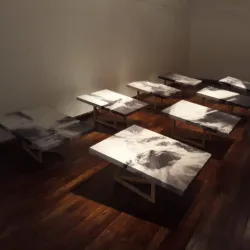
This museum is part of the National University of Tucumán and features collections related to archaeology, anthropology, and regional history.
It is an important educational resource and a place to learn about the cultural heritage of Tucumán and northern Argentina.
Plaza Independencia
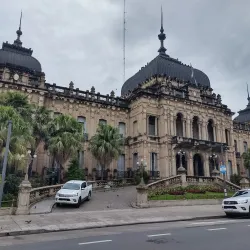

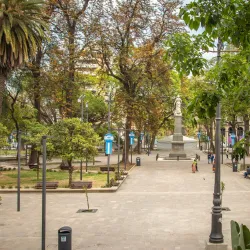
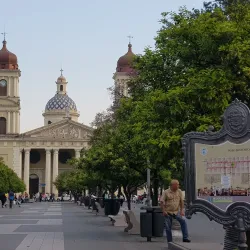
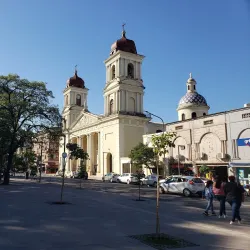
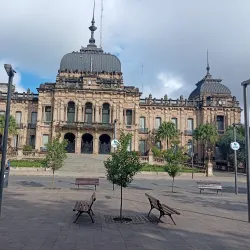

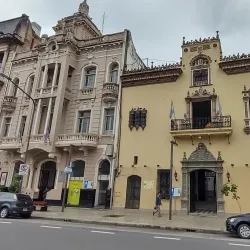

The main square of San Miguel de Tucumán, surrounded by important buildings, cafes, and shops. It is a lively gathering place for locals and tourists alike, often hosting events and public celebrations.
The plaza is a great starting point for exploring the city’s historic center.
Parque Avellaneda
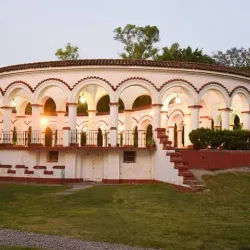
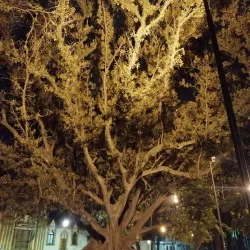
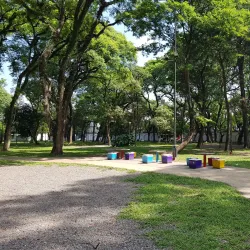
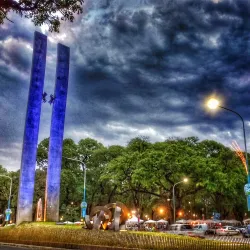
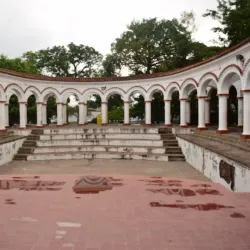
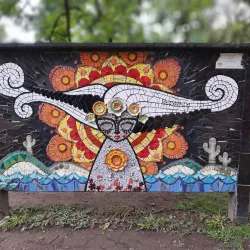
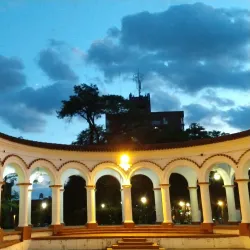
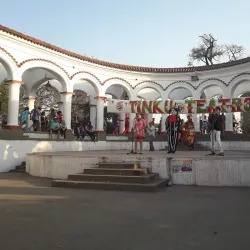
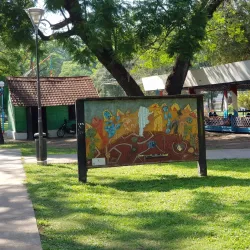
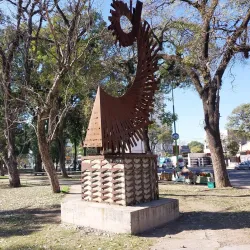
A smaller but charming park known for its peaceful environment and green spaces. It is ideal for leisurely walks, picnics, and enjoying nature within the city.
The park also features playgrounds and areas for sports activities.
Teatro San Martín
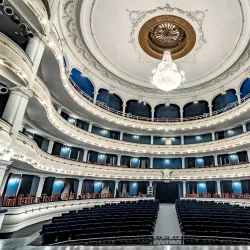
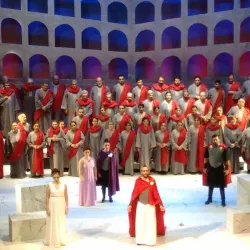
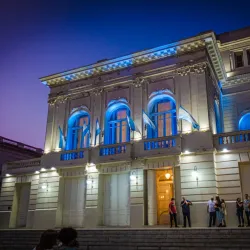
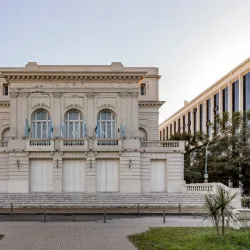


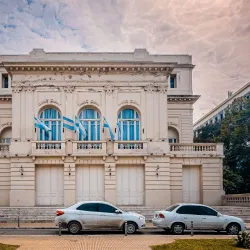
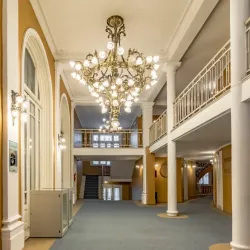
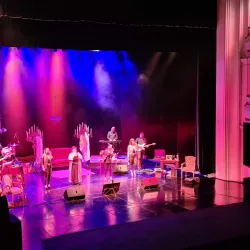
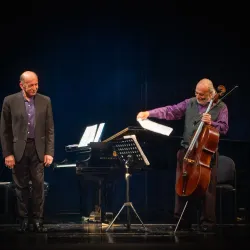
A prominent theater in Tucumán that hosts a variety of performances including plays, concerts, and dance shows. It is a cultural hub for the performing arts in the city.
The theater’s architecture and programming make it a must-visit for those interested in the arts.