Things to do in Villa María
Villa María is a vibrant city located in the Córdoba province of Argentina, known for its rich cultural heritage, lively festivals, and beautiful natural surroundings. The city offers a blend of historical sites, green spaces, and modern amenities, making it an appealing destination for visitors interested in exploring Argentine culture and enjoying outdoor activities.
The city is characterized by its welcoming neighborhoods, bustling plazas, and a variety of museums and cultural centers that showcase the local history and arts. Villa María also hosts several annual events that attract tourists and locals alike, contributing to its dynamic atmosphere.


Plaza Centenario
Plaza Centenario is the main square of Villa María, serving as a central gathering place for locals and visitors. It is surrounded by important buildings and offers a pleasant environment for relaxation and social activities.
The plaza often hosts cultural events, markets, and festivals, making it a vibrant spot to experience the city's community life.
Museo Histórico Municipal Dr. Juan L. Ortiz
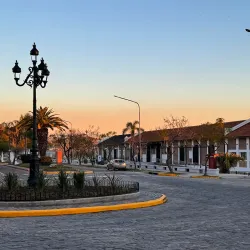
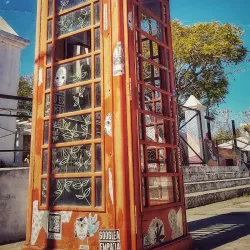
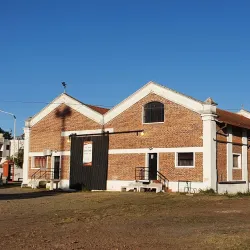
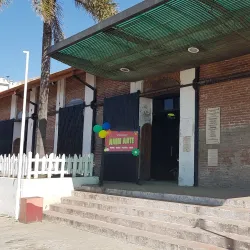
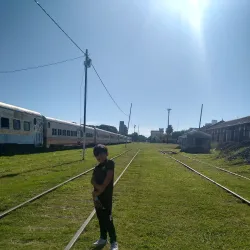
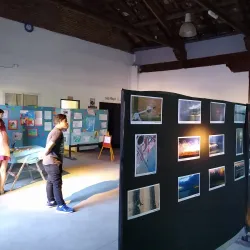
This municipal historical museum provides insights into the history and development of Villa María and the surrounding region. It features exhibits on local heritage, artifacts, and historical documents.
The museum is an excellent place for visitors interested in learning about the city's past and cultural evolution.
Parque del Oeste
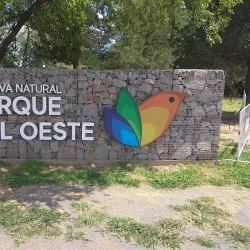

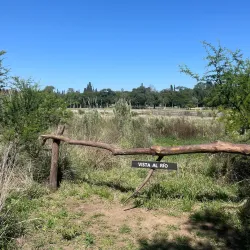
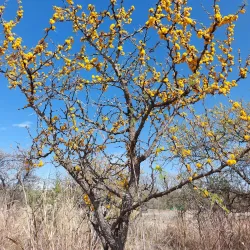
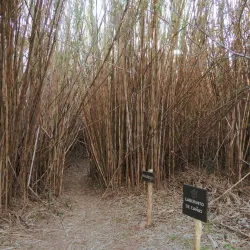
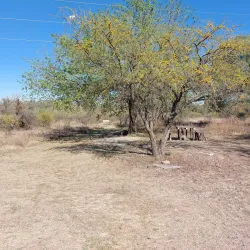
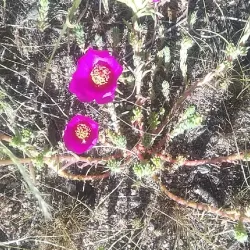
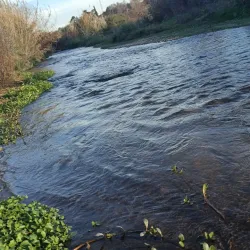
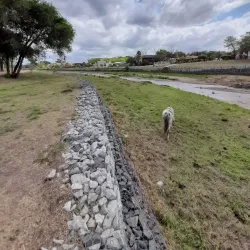

Parque del Oeste is a large urban park offering green spaces, walking paths, and recreational facilities. It is a popular spot for families and outdoor enthusiasts to enjoy nature within the city.
The park often hosts community events and provides a peaceful retreat from the urban environment.
Anfiteatro Municipal
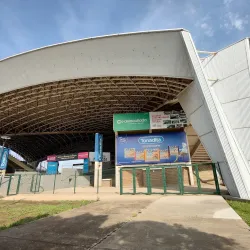
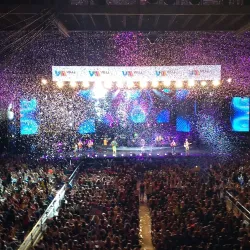
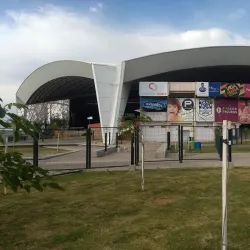
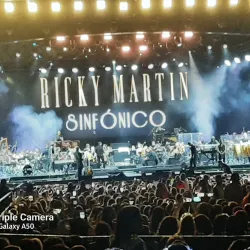
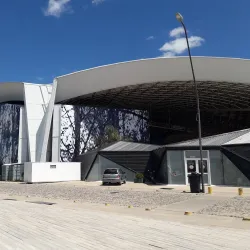
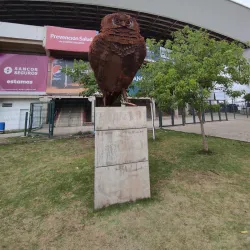
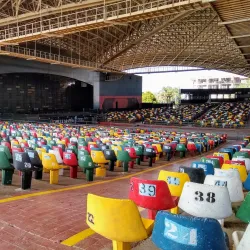
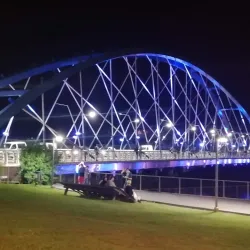
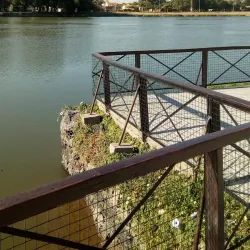
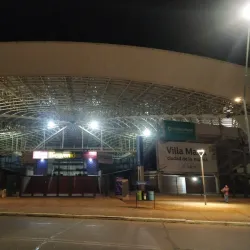
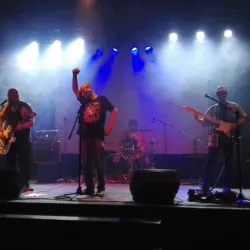
The Municipal Amphitheater is a key venue for cultural performances, including music concerts, theater, and dance shows. It plays a significant role in the city's vibrant arts scene.
Visitors can experience a variety of cultural events here, especially during the city's famous music festivals.
Iglesia Nuestra Señora del Carmen
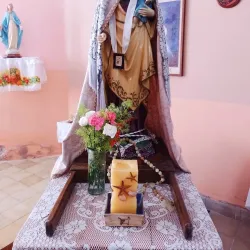
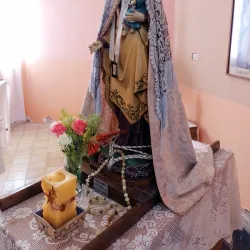
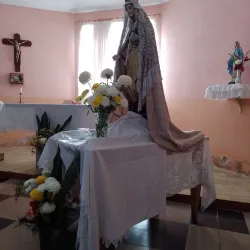
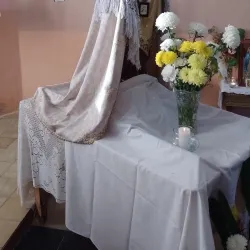
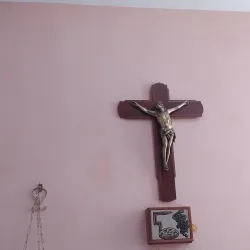
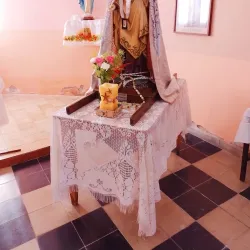
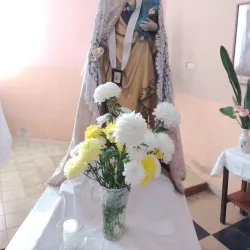
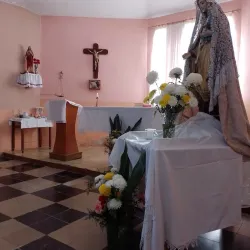
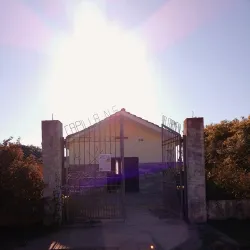
This historic church is an architectural landmark in Villa María, known for its beautiful design and religious significance.
The church is a peaceful place for reflection and offers insight into the local religious traditions.
Parque de la Vida
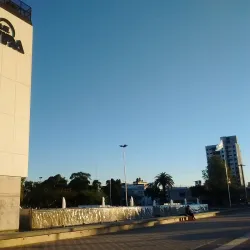
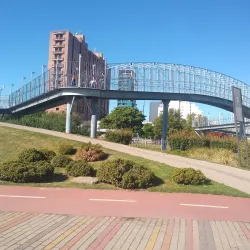


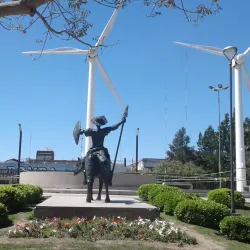

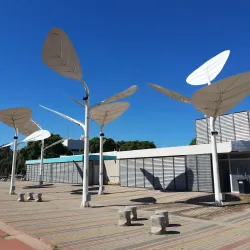
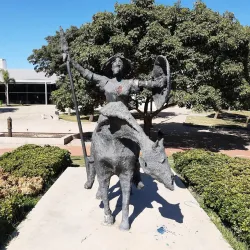

Parque de la Vida is a recreational park featuring sports facilities, walking trails, and picnic areas. It is designed to promote health and wellness among residents and visitors.
The park is ideal for outdoor activities and family outings, providing a variety of amenities in a natural setting.
Centro Cultural Leonardo Favio
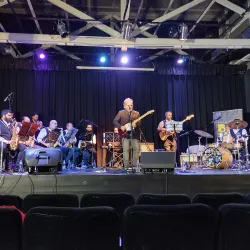
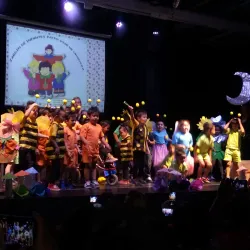
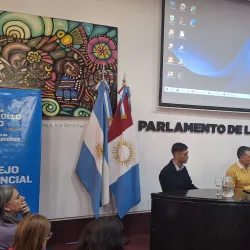
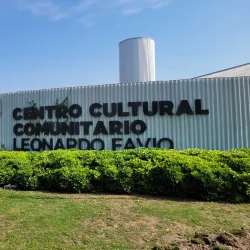
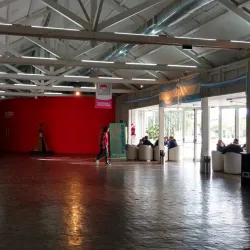
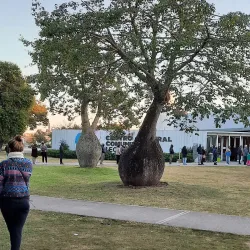
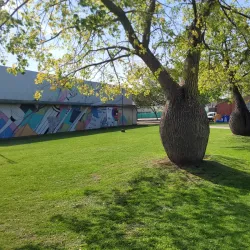
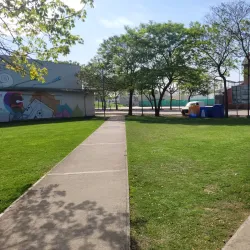
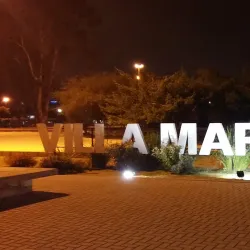
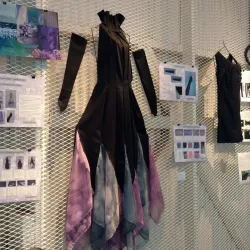
This cultural center hosts art exhibitions, workshops, and community events. It is named after the famous Argentine singer and filmmaker Leonardo Favio.
The center is a hub for local artists and cultural activities, offering visitors a chance to engage with the creative community.
Museo de Ciencias Naturales
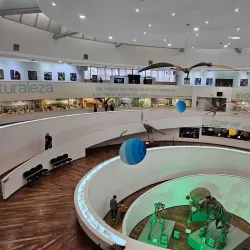
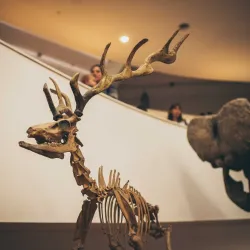
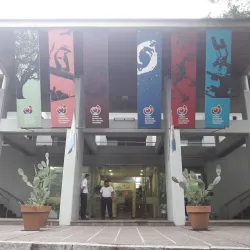
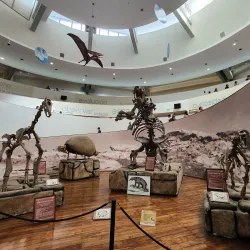
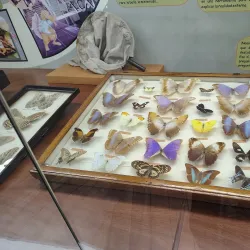
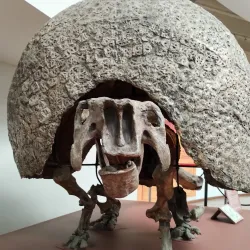
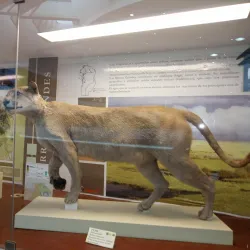
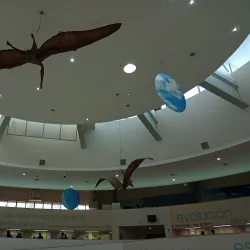
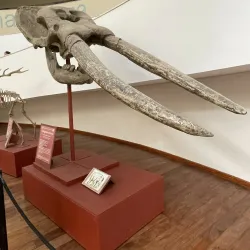
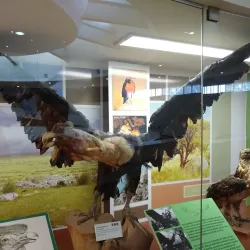
The Natural Sciences Museum showcases exhibits related to the region's flora, fauna, and geology. It is educational and family-friendly, appealing to those interested in natural history.
The museum provides interactive displays and informative presentations about the local environment.
Costanera Río Ctalamochita
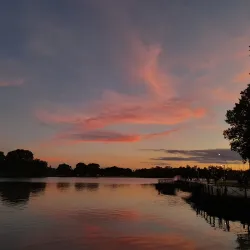
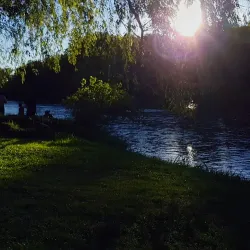
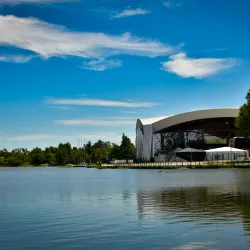
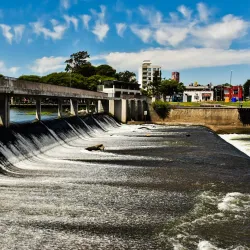
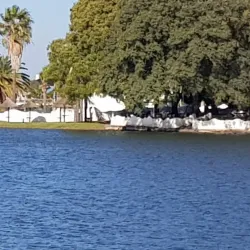
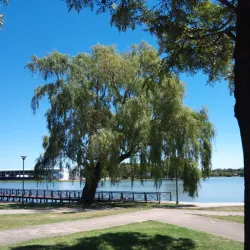
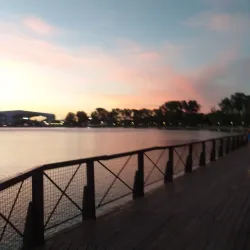
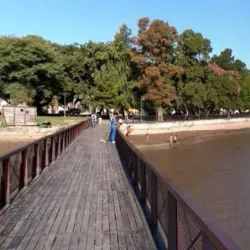
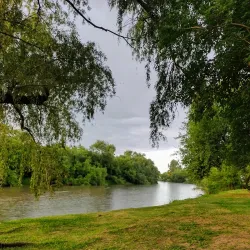
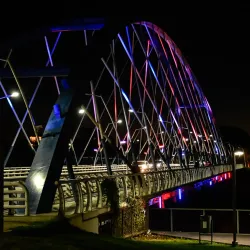
The riverside promenade along the Ctalamochita River offers scenic views, walking paths, and recreational spaces. It is a popular area for leisure activities and enjoying the outdoors.
Visitors can relax by the river, participate in water sports, or attend events held along the costanera.
Estadio Mario Alberto Kempes
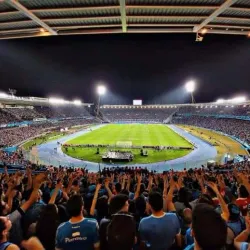
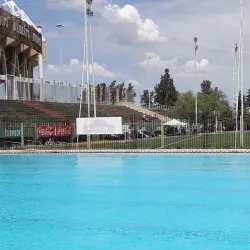
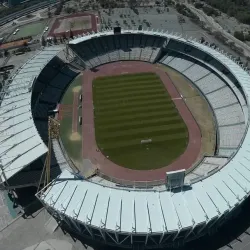
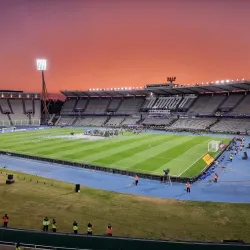
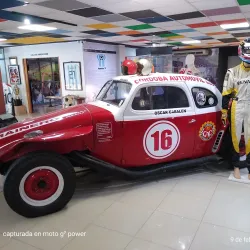
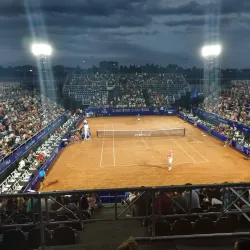
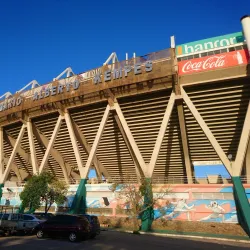
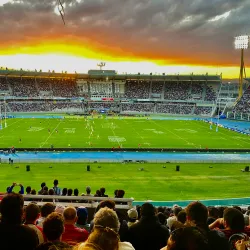
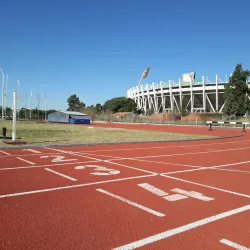
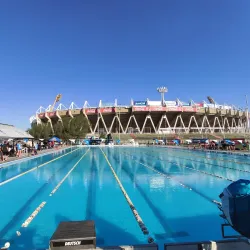
Although located a bit outside Villa María, this stadium is a notable sports venue in the Córdoba region, hosting football matches and large events.
Sports enthusiasts visiting Villa María often take trips to this stadium to experience Argentine football culture.