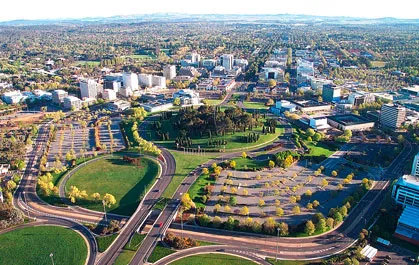
Traffic in South Hedland
South Hedland, a town in Australia, presents unique traffic patterns with a focus on sustainability and efficiency.In 2024, the town's transportation data indicates a balanced approach to commuting, with efforts to minimize CO2 emissions.Average Commute Times
More Information
Seasonal Trends
Traffic tends to be lighter during the summer months as many residents travel out of town.
Winter months see a slight increase in local traffic due to school and work routines.
Commuter Pain Points
Limited public transportation options can make commuting challenging for residents without cars.
Road maintenance and construction can occasionally lead to delays.
Best Travel Times
Early mornings and late evenings are generally the best times to travel to avoid potential congestion.
Midday travel is also recommended for those with flexible schedules.
Event Impacts
Local festivals and community events can lead to temporary road closures and increased traffic.
Planning ahead for such events can help mitigate delays.
Sustainability Efforts
South Hedland is exploring renewable energy sources for public transport.
Community initiatives are in place to encourage carpooling and reduce single-occupancy vehicle use.
Ride-Sharing Impact
Ride-sharing services are gradually gaining popularity, offering an alternative to traditional taxis.
These services are helping to reduce the number of cars on the road, contributing to lower traffic congestion.