
Quality of life in Basel
Cost of Living, Healthcare, Safety, Education, and More
About Basel
Basel, located in the heart of Switzerland, is a city that beautifully blends its rich historical heritage with a vibrant modern culture. Known for its strategic position on the Rhine River, Basel serves as a cultural and economic hub in the region. The city is renowned for its world-class museums, art galleries, and a thriving pharmaceutical industry, making it a significant player on the global stage.Basel's unique charm lies in its ability to offer a high quality of life, characterized by excellent public services, a robust public transportation system, and a commitment to sustainability. The city's multicultural atmosphere is reflected in its diverse culinary scene and numerous cultural festivals, which attract visitors from around the world.


History and Culture
Basel's history dates back to Roman times, with its strategic location on the Rhine River playing a crucial role in its development. Over the centuries, Basel has been a center of trade, education, and culture. The University of Basel, founded in 1460, is Switzerland's oldest university and has been a beacon of learning and research.
The city's cultural landscape is rich and varied, with numerous museums such as the Kunstmuseum, which houses an impressive collection of art from the Middle Ages to the present. Basel is also famous for its annual Art Basel fair, which attracts art enthusiasts and collectors from around the globe.
Basel's cultural diversity is further enriched by its vibrant music and theater scene, with institutions like the Theater Basel offering a wide range of performances. The city's architecture is a testament to its historical and cultural evolution, with landmarks such as the Basel Minster and the modern Roche Tower coexisting harmoniously.
Local traditions and festivals, such as the Fasnacht, Basel's famous carnival, showcase the city's lively spirit and community engagement. This event, characterized by colorful parades and masked participants, is a highlight of the cultural calendar and a testament to Basel's rich cultural heritage.
Things to do in Basel
Visitors to Basel can enjoy a wide array of activities and attractions. The city's location along the Rhine River offers scenic walks and boat tours, providing a unique perspective of the city. Basel Zoo, one of the oldest and most popular zoos in Switzerland, is a must-visit for families and animal lovers.
Art and culture enthusiasts will find plenty to explore, from the Fondation Beyeler, which showcases modern and contemporary art, to the Vitra Design Museum just across the border in Germany. Basel's Old Town, with its medieval buildings and cobblestone streets, offers a charming setting for leisurely strolls and shopping.
The city's culinary scene is diverse and exciting, with a range of restaurants offering everything from traditional Swiss dishes to international cuisine. Basel's vibrant nightlife, with its bars, clubs, and live music venues, ensures that there is always something happening after dark.
Throughout the year, Basel hosts numerous events and festivals, such as the Baselworld watch and jewelry show and the autumn fair, which are significant draws for both locals and tourists. These events highlight Basel's role as a cultural and economic center in Switzerland.
Quality of Life Rankings
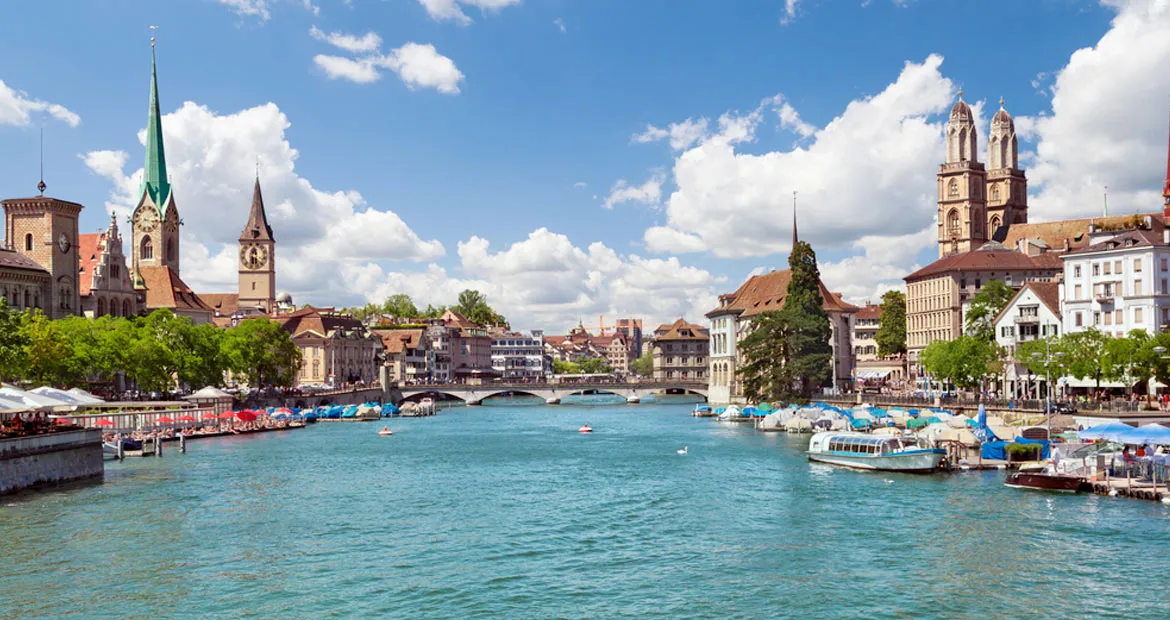
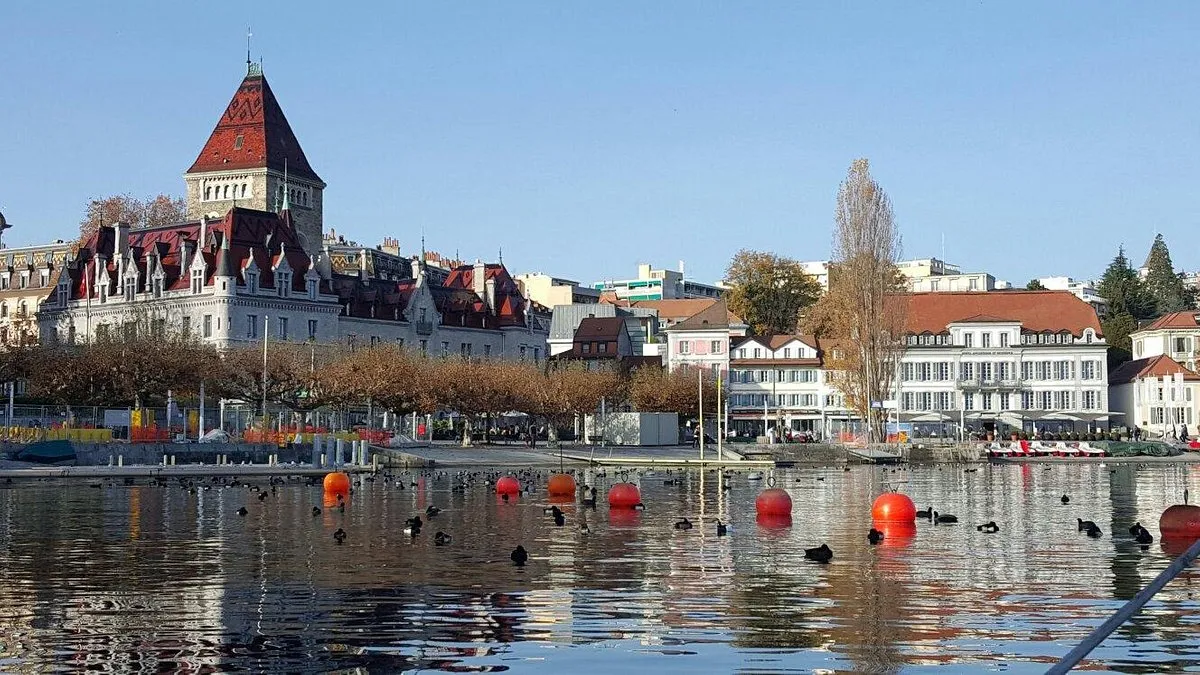
Basel ranks 2nd on the Quality of Life rankings in Switzerland.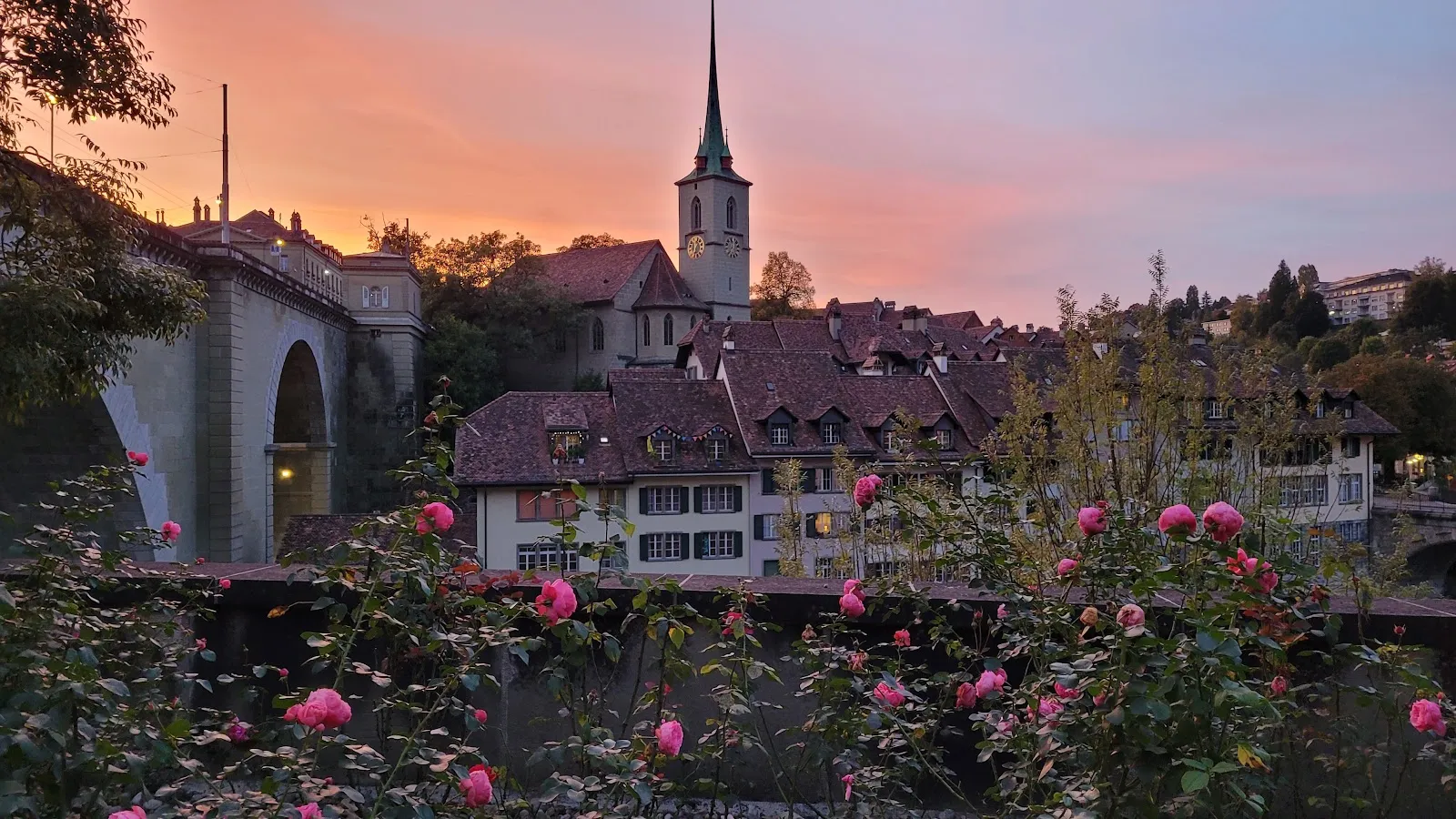
Weather in Basel
Basel, Switzerland experiences a temperate oceanic climate characterized by four distinct seasons with moderate temperature variations. The city receives an average annual precipitation of approximately 37 inches (940 mm), with May being the wettest month, averaging 4 inches (100 mm) of rainfall.
Seasonal Breakdown
- Spring (March to May)Temperatures gradually rise from an average high of 52°F (11°C) in March to 68°F (20°C) in May. Rainfall increases during this period, with May receiving the most precipitation, averaging 4 inches (100 mm).
- Summer (June to August)The hottest months, with average highs ranging from 75°F (24°C) in June to 79°F (26°C) in July. Rainfall decreases during the summer, averaging around 3 inches (75 mm) per month.
- Autumn (September to November)Temperatures gradually decrease from an average high of 70°F (21°C) in September to 50°F (10°C) in November. Rainfall remains moderate, averaging around 3.5 inches (90 mm) per month.
- Winter (December to February)The coldest period, with average highs ranging from 41°F (5°C) in December to 45°F (7°C) in February. Snowfall is minimal, averaging about 2 inches (50 mm) in January.
Notable Weather Events
- Occasional heatwaves during summer months.
- Rare but possible heavy snowfall events in winter.
- Frequent foggy conditions in autumn and winter.
Basel's Political Climate
Basel, a vibrant city in Switzerland, is known for its unique political landscape that reflects the country's federal structure. As a canton, Basel has a significant degree of autonomy, allowing it to tailor its policies to the needs of its residents. The city is governed by a cantonal government, which is responsible for local legislation and administration. Basel's political scene is characterized by a strong emphasis on direct democracy, a hallmark of Swiss governance, where citizens have the power to influence decisions through referendums and initiatives.
Historically, Basel has been a hub for progressive policies, particularly in areas such as environmental sustainability and social justice. The city has implemented numerous green initiatives, aiming to reduce carbon emissions and promote renewable energy. Basel is also known for its inclusive social policies, supporting diversity and equality. The political climate in Basel is shaped by a commitment to innovation and sustainability, influencing its economic and social strategies.
Recent political trends in Basel include a growing focus on digital transformation and smart city initiatives. The city is investing in technology to improve public services and enhance the quality of life for its residents. Additionally, Basel has been active in discussions about drug policy reform, reflecting a pragmatic approach to public health and safety. These developments highlight Basel's role as a leader in progressive urban governance.
Political Quick Facts
- Voter Turnout60%
- City GovernanceCantonal government with a Grand Council and Executive Council
- CompositionMajority Social Democrats and Greens, with representation from Liberal and Conservative parties
- Recent Political ChangesIncreased focus on digital transformation and smart city projects
- EngagementHigh, with active participation in referendums and civic initiatives
- Political ScorecardHigh marks for transparency and citizen engagement
- Legislative PrioritiesSustainability and environmental protection Digital transformation Social equity and inclusion
- Public OpinionGenerally progressive, with strong support for environmental and social policies
Notable Political Figures
- Beat JansCurrent President of the Executive Council, member of the Social Democratic Party
- Esther KellerMember of the Executive Council, representing the Green Liberal Party
- Conradin CramerMinister of Education, Culture, and Sport, known for his work on educational reform