
Quality of life in Lausanne
Cost of Living, Healthcare, Safety, Education, and More
About Lausanne
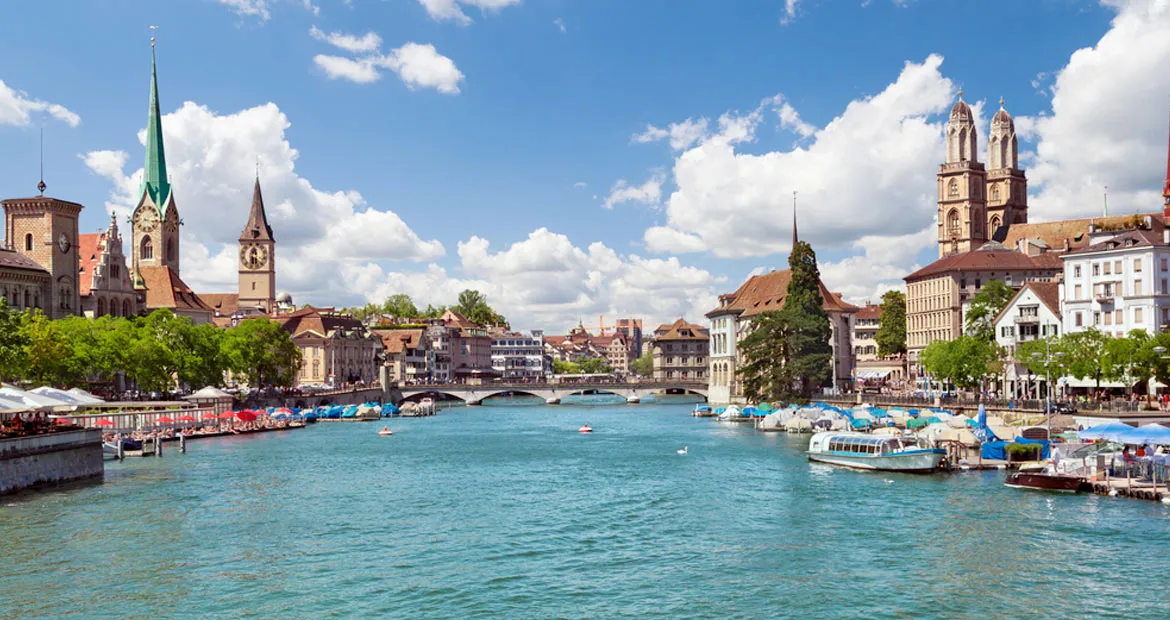
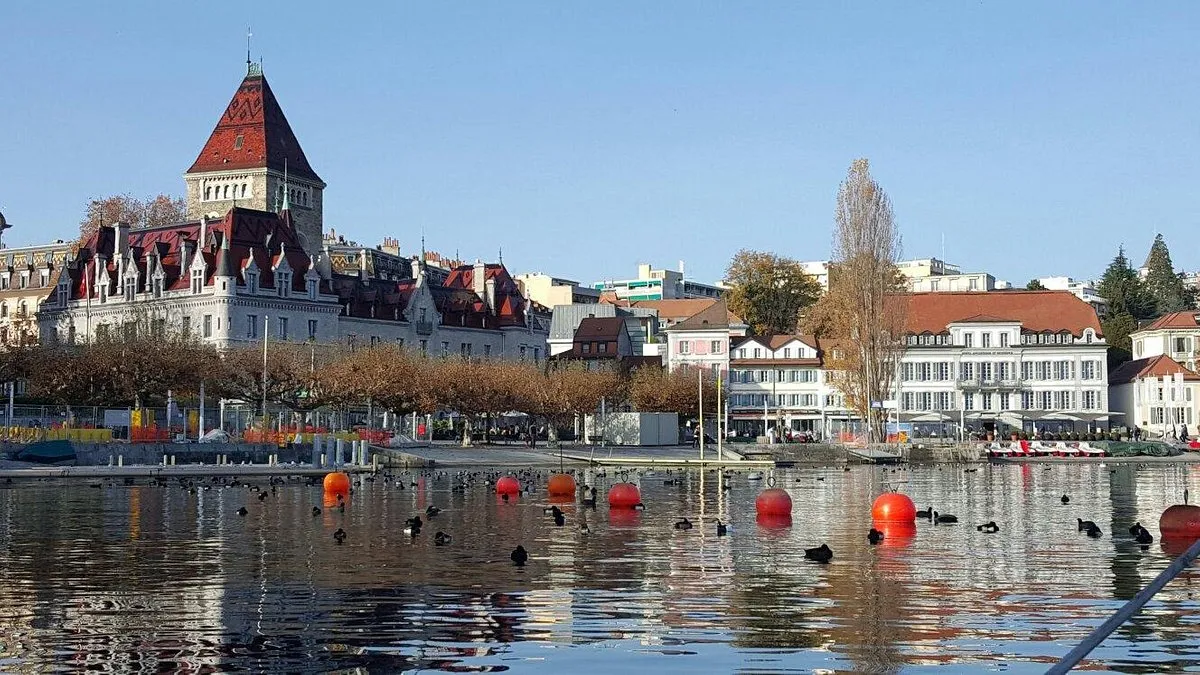
Lausanne, a picturesque city located on the shores of Lake Geneva in Switzerland, is renowned for its vibrant cultural scene and stunning natural beauty. As the capital of the canton of Vaud, Lausanne is a hub of education and innovation, home to prestigious institutions like the École Polytechnique Fédérale de Lausanne (EPFL) and the International Olympic Committee headquarters.The city boasts a unique blend of historical charm and modern dynamism, with its medieval old town, bustling markets, and contemporary architecture. Lausanne's strategic location offers breathtaking views of the Alps and easy access to outdoor activities, making it a popular destination for both residents and tourists.


History and Culture
Lausanne's history dates back to Roman times, when it was known as Lousonna. The city has evolved significantly over the centuries, playing a crucial role in the region's political and economic development. During the Middle Ages, Lausanne became an important religious center, with the construction of the Lausanne Cathedral, a masterpiece of Gothic architecture.
In the 19th century, Lausanne emerged as a key player in the Swiss industrial revolution, with advancements in transportation and industry. The city's cultural landscape flourished, attracting artists, writers, and intellectuals from across Europe. Notable figures such as the poet Lord Byron and the philosopher Jean-Jacques Rousseau have left their mark on Lausanne's cultural heritage.
Today, Lausanne is celebrated for its diverse cultural offerings, including world-class museums like the Olympic Museum and the Collection de l'Art Brut. The city hosts numerous festivals and events throughout the year, such as the Festival de la Cité and the Lausanne Underground Film & Music Festival, showcasing its vibrant arts scene. Lausanne's multicultural population contributes to a rich tapestry of traditions and cuisines, enhancing its cosmopolitan atmosphere.
Things to do in Lausanne
Visitors to Lausanne can explore a wide array of attractions and activities. The Lausanne Cathedral, with its stunning architecture and panoramic views, is a must-see. For art enthusiasts, the Collection de l'Art Brut offers a unique perspective on outsider art, while the Olympic Museum provides an engaging experience for sports fans.
Outdoor lovers can enjoy the scenic beauty of Lake Geneva, with opportunities for sailing, swimming, and lakeside picnics. The nearby Lavaux vineyards, a UNESCO World Heritage site, offer picturesque hiking trails and wine tasting experiences.
Lausanne's culinary scene is diverse and vibrant, with a range of restaurants offering everything from traditional Swiss dishes to international cuisine. The city's lively nightlife, with its bars, clubs, and live music venues, ensures that there is always something happening after dark.
Quality of Life Rankings
Lausanne ranks 4th on the Quality of Life rankings in Switzerland.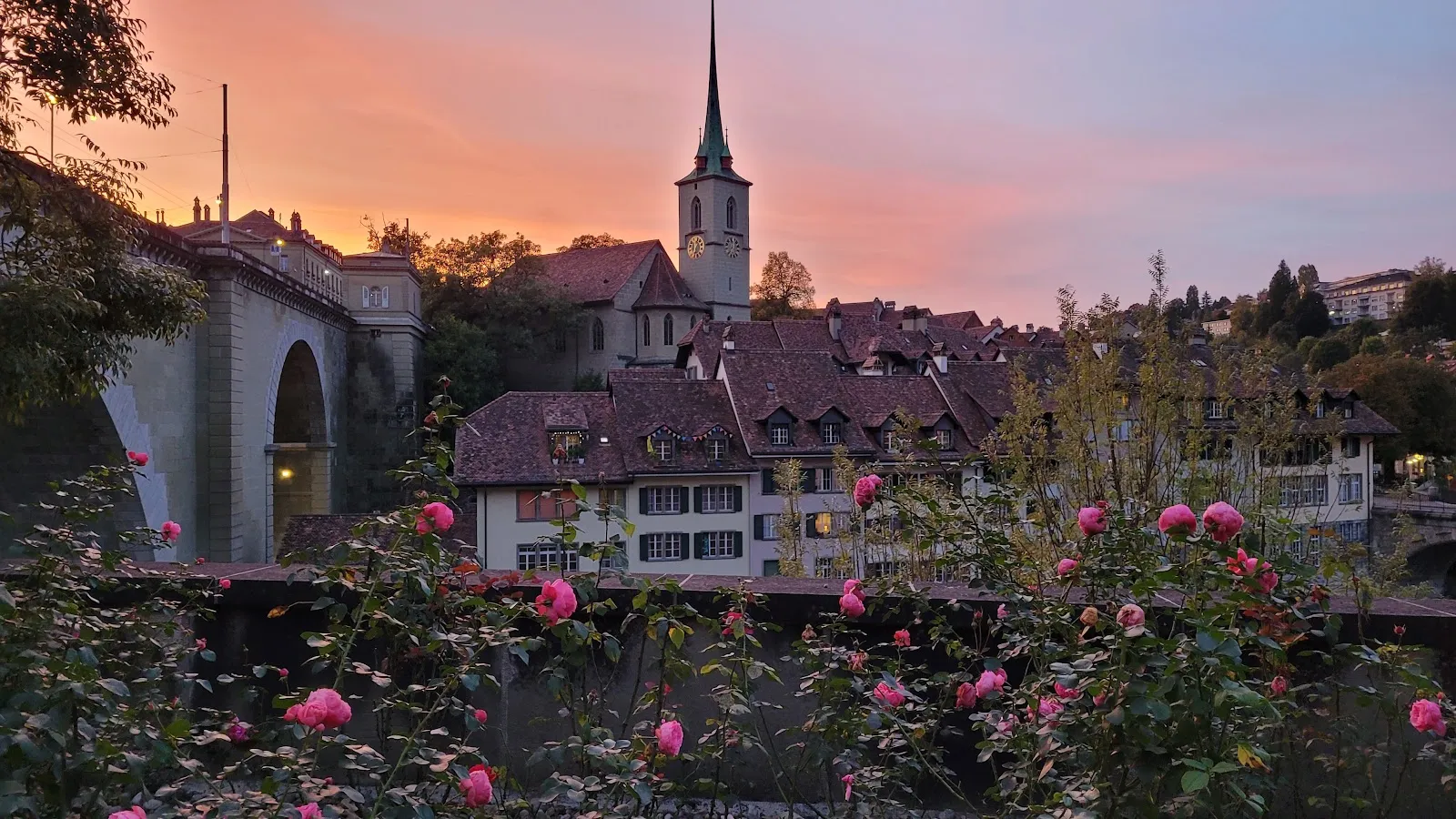

Weather in Lausanne
Lausanne, Switzerland experiences a temperate oceanic climate characterized by mild, wet winters and warm, humid summers. The city receives an average annual precipitation of approximately 47 inches (1200 mm), with May being the wettest month, averaging 4.7 inches (120 mm) of rainfall.
Seasonal Breakdown
- Spring (March to May)Temperatures gradually rise from an average high of 50°F (10°C) in March to 66°F (19°C) in May. Rainfall increases during this period, with May receiving the most precipitation, averaging 4.7 inches (120 mm).
- Summer (June to August)The hottest months, with average highs ranging from 73°F (23°C) in June to 77°F (25°C) in July. Rainfall decreases slightly during the summer, averaging around 3.5 inches (90 mm) per month.
- Autumn (September to November)Temperatures gradually decrease from an average high of 70°F (21°C) in September to 50°F (10°C) in November. Rainfall remains moderate, averaging around 3.9 inches (100 mm) per month.
- Winter (December to February)The coldest period, with average highs ranging from 41°F (5°C) in December to 45°F (7°C) in February. Snowfall is minimal, averaging about 3 inches (75 mm) in January.
Notable Weather Events
- Occasional heatwaves during summer months with temperatures rising above 86°F (30°C).
- Rare but possible heavy snowfall events during winter, particularly in January.
- Frequent foggy conditions in autumn and winter due to the proximity to Lake Geneva.
Lausanne's Political Climate
Lausanne, located in Switzerland, is known for its vibrant political climate that reflects the broader Swiss tradition of direct democracy. The city is governed by a municipal council and a mayor, with a strong emphasis on citizen participation in decision-making processes. Lausanne's political landscape is characterized by a mix of progressive and conservative elements, with a focus on sustainability, innovation, and social welfare.
Historically, Lausanne has been a hub for political and social movements, often leading the way in implementing progressive policies. The city has been at the forefront of environmental initiatives, including ambitious plans to reduce carbon emissions and promote renewable energy. Social justice and inclusivity are also key priorities, with policies aimed at improving public transportation, housing, and education.
The political climate in Lausanne is influenced by its diverse population and the presence of international organizations, which contribute to a cosmopolitan atmosphere. Recent trends indicate a growing emphasis on digital transformation and smart city initiatives, aligning with the city's goal to become a leader in innovation and technology. Political events such as local referendums and public consultations are common, reflecting the active civic engagement of its residents.
Political Quick Facts
- Voter TurnoutApproximately 60% in recent municipal elections
- City GovernanceMunicipal council with a mayor, following a system of direct democracy
- CompositionMajority Green and Socialist, with representation from Liberal-Radical and other parties
- Recent Political ChangesIncreased focus on digitalization and smart city projects
- EngagementHigh, with active participation in referendums and public consultations
- Political ScorecardHigh marks for transparency and citizen involvement
- Legislative PrioritiesSustainability and environmental protection Digital transformation and smart city development Social welfare and inclusivity
- Public OpinionGenerally progressive, with strong support for environmental and social policies
Notable Political Figures
- Grégoire JunodMayor of Lausanne, known for his focus on sustainability and innovation.
- David PayotCity councilor, advocate for social welfare and education reform.
- Natacha LitzistorfCity councilor, prominent figure in environmental policy and urban planning.