Things to do in Wilcannia
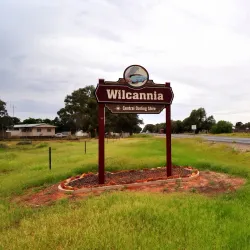
Wilcannia is a small town located in the far west of New South Wales, Australia. It is situated on the Darling River and is known for its rich Indigenous heritage and historical significance as a river port during the 19th century.The town offers visitors a glimpse into Australia's outback history, with its unique blend of Aboriginal culture, colonial architecture, and natural landscapes. Wilcannia is a quiet destination that appeals to those interested in history, culture, and rural Australian life.Wilcannia Heritage Walk
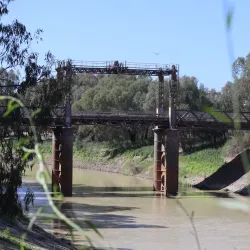


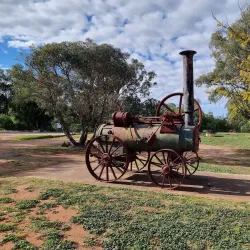

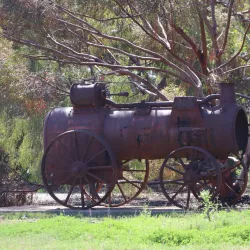
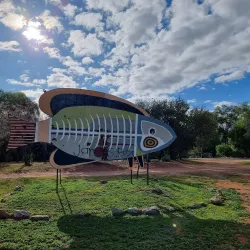

The Wilcannia Heritage Walk is a self-guided tour that takes visitors through the town's historical sites, including old buildings, the courthouse, and the river port area. It provides insight into the town's past as a bustling river port and its significance in regional development.
The walk highlights the architectural styles and stories of early settlers, making it an educational experience for those interested in Australian history.
Darling River
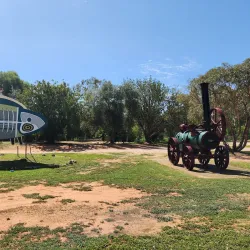
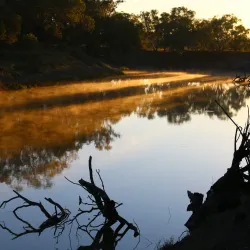
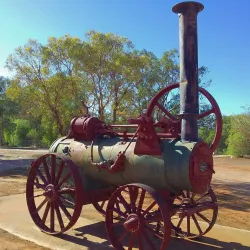
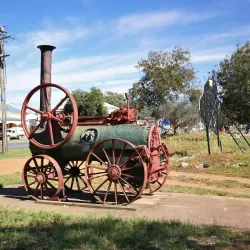
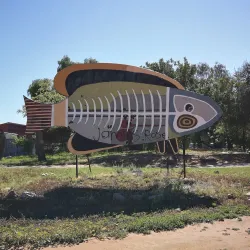
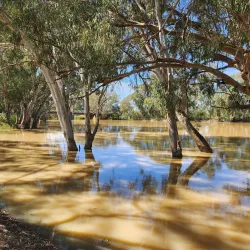
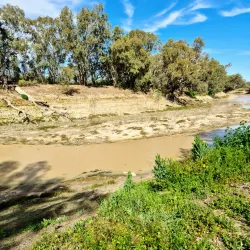
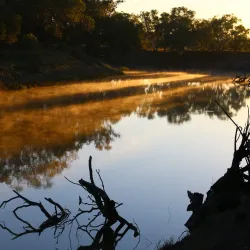
The Darling River is a major waterway running through Wilcannia, offering scenic views and opportunities for fishing and birdwatching. The river has been central to the town's history and continues to be a vital natural resource for the region.
Visitors can enjoy peaceful walks along the riverbanks and learn about the river's ecological and cultural importance to the local Indigenous communities.
Wilcannia Aboriginal Cultural Centre
This cultural centre showcases the rich heritage and traditions of the local Barkindji people, the traditional custodians of the land around Wilcannia. It offers exhibitions, artworks, and educational programs about Indigenous culture and history.
The centre is a valuable resource for understanding the deep connection between the Indigenous community and the land, providing visitors with a respectful and informative experience.
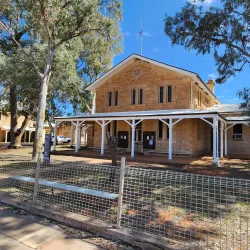
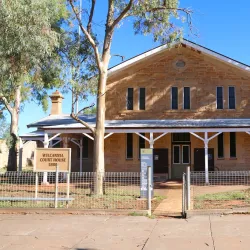
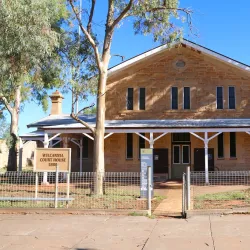
Wilcannia Courthouse
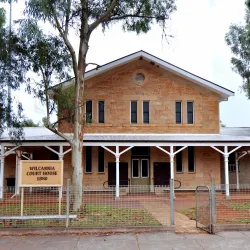
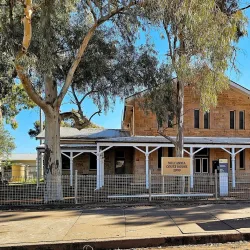
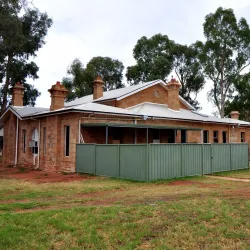
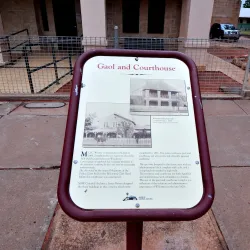
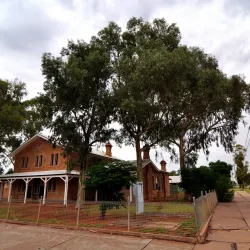

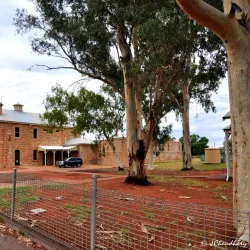


The Wilcannia Courthouse is a heritage-listed building that reflects the town's colonial past. It is an example of 19th-century architecture and has historical significance as a center of law and order in the region.
Visitors interested in architecture and history will appreciate the courthouse's preserved features and its role in the development of Wilcannia.
Wilcannia Cemetery
The Wilcannia Cemetery is a historical site where many of the town's early settlers and Indigenous people are buried. It offers a poignant glimpse into the lives and stories of those who shaped the community.
The cemetery is a place of reflection and historical interest, with some graves dating back to the 19th century.
Wilcannia Golf Club
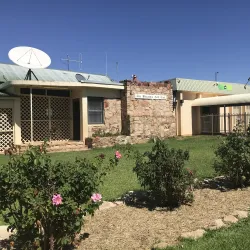

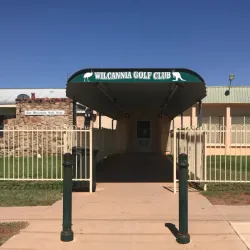
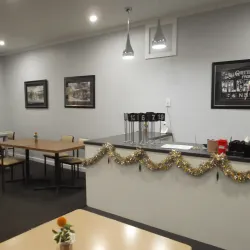
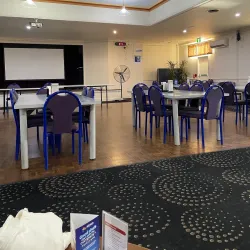
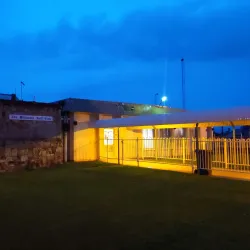
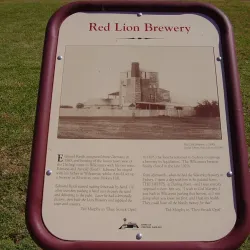
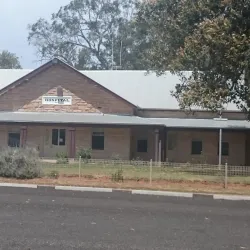
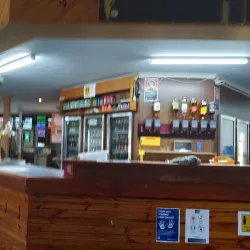
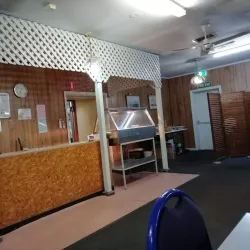
The Wilcannia Golf Club provides a recreational spot for locals and visitors alike. It offers a relaxed atmosphere for playing golf in the outback setting, surrounded by the natural landscape of the region.
The club is a social hub in the town and a good place to experience local community life.
Wilcannia Riverfront Park
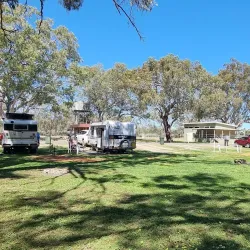

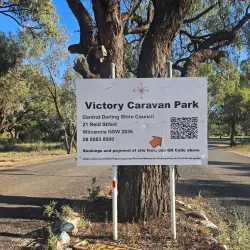
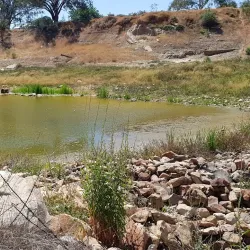
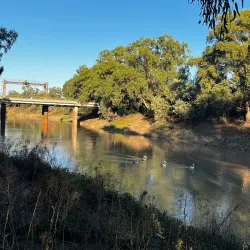
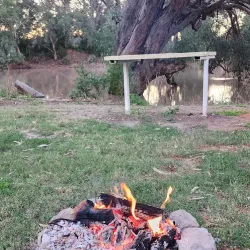
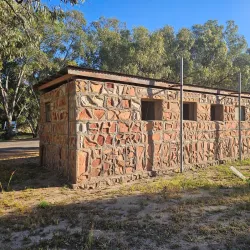
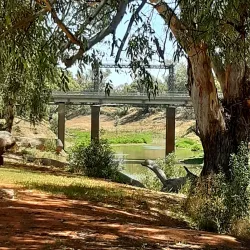
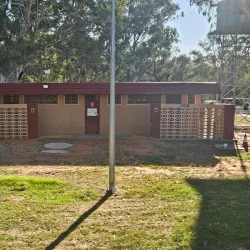
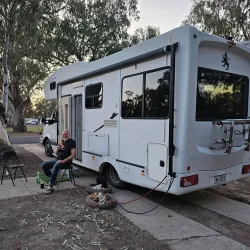
This park along the Darling River is a pleasant area for picnics, walks, and enjoying the natural environment. It features open spaces and shaded areas, making it a popular spot for families and visitors.
The park offers views of the river and is a good place to observe local wildlife and bird species.
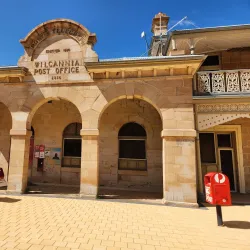
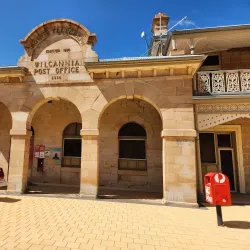
Wilcannia Post Office
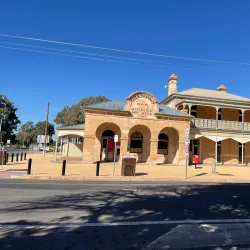
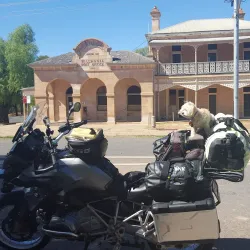

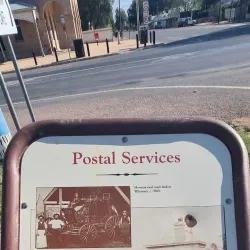



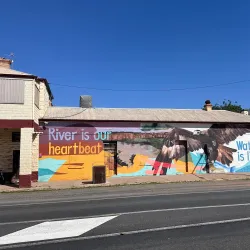
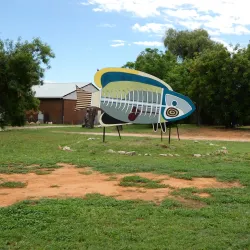
The Wilcannia Post Office is a heritage building that has served the community for many years. It is notable for its architectural style and historical role in communication and services in the town.
Visitors interested in heritage buildings will find the post office an interesting stop during their visit.
Wilcannia Railway Station (Historic Site)
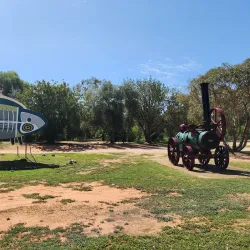




Although no longer in operation, the site of the Wilcannia Railway Station is significant for its role in connecting the town to other parts of New South Wales during the early 20th century. It was part of the railway line that supported the transport of goods and passengers.
The site offers historical context about the development of infrastructure in remote Australia and the challenges faced by outback communities.
Barkindji Country
The region around Wilcannia is part of Barkindji Country, the traditional lands of the Barkindji people. Exploring this area provides insight into Indigenous culture, traditions, and connection to the land.
Visitors can learn about traditional practices, storytelling, and the significance of the natural environment to the Barkindji community through guided tours and cultural experiences.