
Quality of life in Manama
Cost of Living, Healthcare, Safety, Education, and More
About Manama
Manama, the capital city of Bahrain, is a vibrant metropolis known for its rich cultural heritage and modern skyline. As the economic and cultural hub of the country, Manama boasts a diverse population and a thriving economy driven by finance, trade, and tourism.The city is renowned for its blend of traditional and contemporary influences, offering a unique experience for residents and visitors alike. Emerging trends in Manama include a growing focus on sustainable development and an expanding arts scene, making it a dynamic place to live and explore.


History and Culture
Manama's history dates back to ancient times, with evidence of human settlement in the region for thousands of years. The city has been a significant trading center due to its strategic location in the Persian Gulf, attracting merchants and settlers from various cultures.
Throughout its history, Manama has been influenced by various empires and civilizations, including the Dilmun civilization, the Portuguese, and the British. This rich tapestry of influences is reflected in the city's architecture, cuisine, and cultural practices.
Cultural institutions such as the Bahrain National Museum and the Beit Al Quran showcase the city's historical and artistic heritage. Manama is also home to a vibrant arts scene, with numerous galleries and theaters hosting local and international artists.
The city's cultural diversity is celebrated through various festivals and events, such as the Bahrain International Music Festival and the Spring of Culture festival, which highlight the contributions of different communities to Manama's cultural fabric.
Things to do in Manama
Visitors to Manama can explore a wide range of attractions and activities. The Bahrain National Museum offers insights into the country's history and culture, while the Al-Fateh Grand Mosque, one of the largest mosques in the world, is a must-visit for its stunning architecture.
For those interested in shopping, the Manama Souq provides a traditional market experience, offering everything from spices to textiles. Modern shopping centers like the Bahrain City Centre offer a more contemporary retail experience.
Outdoor enthusiasts can enjoy the scenic beauty of the Al Areen Wildlife Park or take a stroll along the Corniche, which offers stunning views of the city skyline. The annual Formula 1 Bahrain Grand Prix is a major event that attracts motorsport fans from around the world.
Manama's culinary scene is diverse, with a range of dining options from traditional Bahraini dishes to international cuisine. The city's nightlife is also vibrant, with numerous bars and clubs offering entertainment late into the night.
Quality of Life Rankings
Manama ranks 1st on the Quality of Life rankings in Bahrain.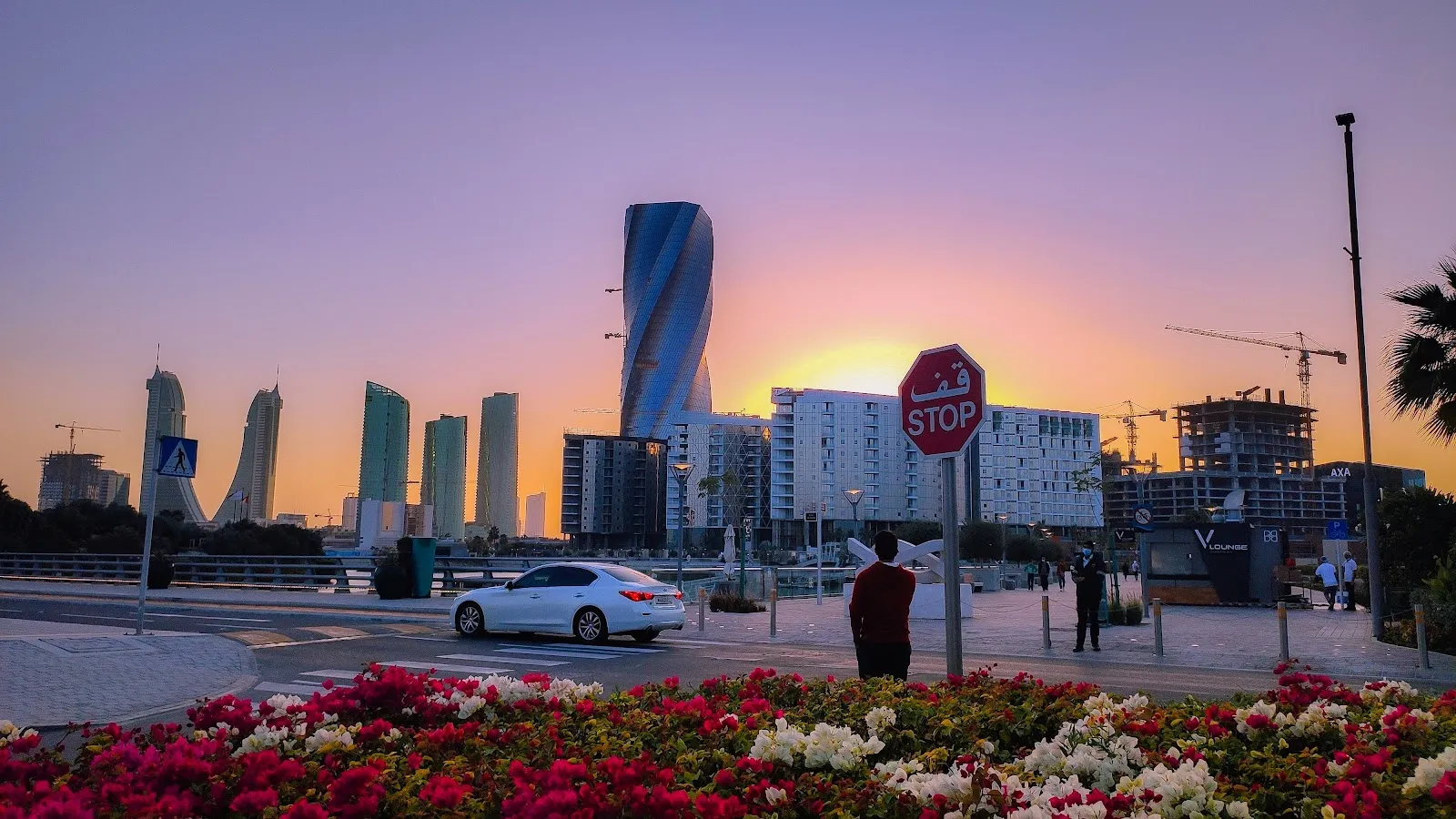
Weather in Manama
Manama, Bahrain experiences a desert climate characterized by extremely hot summers and mild winters. The city receives minimal annual precipitation, averaging around 3 inches (75 mm), with the majority of rainfall occurring during the winter months.
Seasonal Breakdown
- Spring (March to May)Temperatures begin to rise significantly, with average highs ranging from 77°F (25°C) in March to 95°F (35°C) in May. Rainfall is scarce, with occasional brief showers.
- Summer (June to August)The hottest months, with average highs soaring from 100°F (38°C) in June to 104°F (40°C) in July and August. Rainfall is virtually nonexistent, and humidity levels can be high, making the heat feel more intense.
- Autumn (September to November)Temperatures gradually decrease from an average high of 97°F (36°C) in September to 81°F (27°C) in November. Rainfall remains minimal, with occasional light showers.
- Winter (December to February)The mildest period, with average highs ranging from 70°F (21°C) in December to 72°F (22°C) in February. This is the wettest time of the year, though rainfall is still limited, averaging about 1 inch (25 mm) in January.
Notable Weather Events
- Heatwaves during the summer months with temperatures exceeding 104°F (40°C).
- Occasional dust storms, particularly in the spring and summer.
- Rare thunderstorms during the winter months.
Manama's Political Climate
Manama, the capital city of Bahrain, is a vibrant hub of political activity and governance in the country. As the political and economic center of Bahrain, Manama plays a crucial role in shaping the national policies and political landscape. The city is governed by a municipal council, which is part of the broader governance structure of Bahrain, a constitutional monarchy. The King of Bahrain holds significant power, but there is also a National Assembly that includes elected representatives, reflecting a blend of traditional and modern governance.
Historically, Manama has been at the forefront of political developments in Bahrain. The city has witnessed significant political reforms over the years, including the introduction of a parliamentary system and increased political participation. However, political tensions have occasionally surfaced, particularly around issues of representation and civil rights. In recent years, the government has focused on economic diversification and social reforms, aiming to enhance the quality of life for its residents.
Manama has been proactive in implementing progressive policies, particularly in areas such as economic development and social welfare. The city has launched several initiatives to promote sustainability, including investments in renewable energy and public transportation. Social justice and equality are also key areas of focus, with efforts to improve education and healthcare access for all citizens. These policies reflect the city's commitment to balancing economic growth with social responsibility.
The political climate in Manama significantly influences its economic and social decisions. The city's leadership is keen on maintaining stability and fostering an environment conducive to business and investment. This approach has helped Manama become a financial hub in the region, attracting international businesses and investors. Recent political trends in Manama include a push towards greater transparency and accountability in governance, as well as efforts to engage more citizens in the political process.
Political Quick Facts
- Voter TurnoutApproximately 67% in recent elections
- City GovernanceMunicipal council under national government
- CompositionMixed representation with appointed and elected members
- Recent Political ChangesIncreased focus on economic reforms and social policies
- EngagementModerate, with growing civic activism
- Political ScorecardImproving scores in governance and transparency
- Legislative PrioritiesEconomic diversification Social welfare enhancement Sustainability initiatives
- Public OpinionGenerally supportive of economic reforms, with calls for more civil liberties
Notable Political Figures
- Hamad bin Isa Al KhalifaThe King of Bahrain, who has been instrumental in the country's modernization efforts.
- Salman bin Hamad Al KhalifaThe Crown Prince and Prime Minister, known for his role in economic and social reforms.
- Fawzia ZainalThe first female Speaker of the Bahraini Parliament, advocating for women's rights and social issues.