
Quality of life in Savar
Cost of Living, Healthcare, Safety, Education, and More
About Savar
Savar, a bustling town located near the capital city of Dhaka, is a significant urban area in Bangladesh. Known for its rich cultural heritage and historical significance, Savar offers a unique blend of traditional and modern lifestyles. The town is home to a diverse population, contributing to its vibrant cultural scene.Savar is also an emerging hub for education and industry, with several universities and industrial zones contributing to its economic growth. The presence of the National Martyrs' Memorial, a symbol of Bangladesh's struggle for independence, adds to the town's historical importance. In recent years, Savar has seen a rise in infrastructure development, enhancing its connectivity and livability.


History and Culture
Savar's history is deeply intertwined with the history of Bangladesh. It played a crucial role during the Liberation War of 1971, and the National Martyrs' Memorial stands as a testament to the sacrifices made during this period. This iconic structure is a focal point for national pride and remembrance.
Culturally, Savar is a melting pot of traditions and modern influences. The town hosts various cultural events and festivals that reflect the rich heritage of Bangladesh. Traditional music, dance, and art are integral parts of Savar's cultural identity, with local artists and performers contributing to its vibrant arts scene.
The town's ethnic diversity is reflected in its cultural practices, with different communities celebrating their unique traditions and festivals. This diversity enriches the cultural fabric of Savar, making it a dynamic place to experience the cultural richness of Bangladesh.
Things to do in Savar
Visitors to Savar can explore the National Martyrs' Memorial, a must-see landmark that offers insight into Bangladesh's history. The serene environment around the memorial provides a place for reflection and appreciation of the country's past.
For those interested in nature, the Jahangirnagar University campus is a beautiful spot to visit, known for its lush greenery and migratory birds during the winter season. The campus is a popular destination for bird watchers and nature enthusiasts.
Savar also offers a variety of local markets and eateries where visitors can experience authentic Bangladeshi cuisine. The local food scene is vibrant, with traditional dishes that showcase the rich flavors of the region.
Quality of Life Rankings
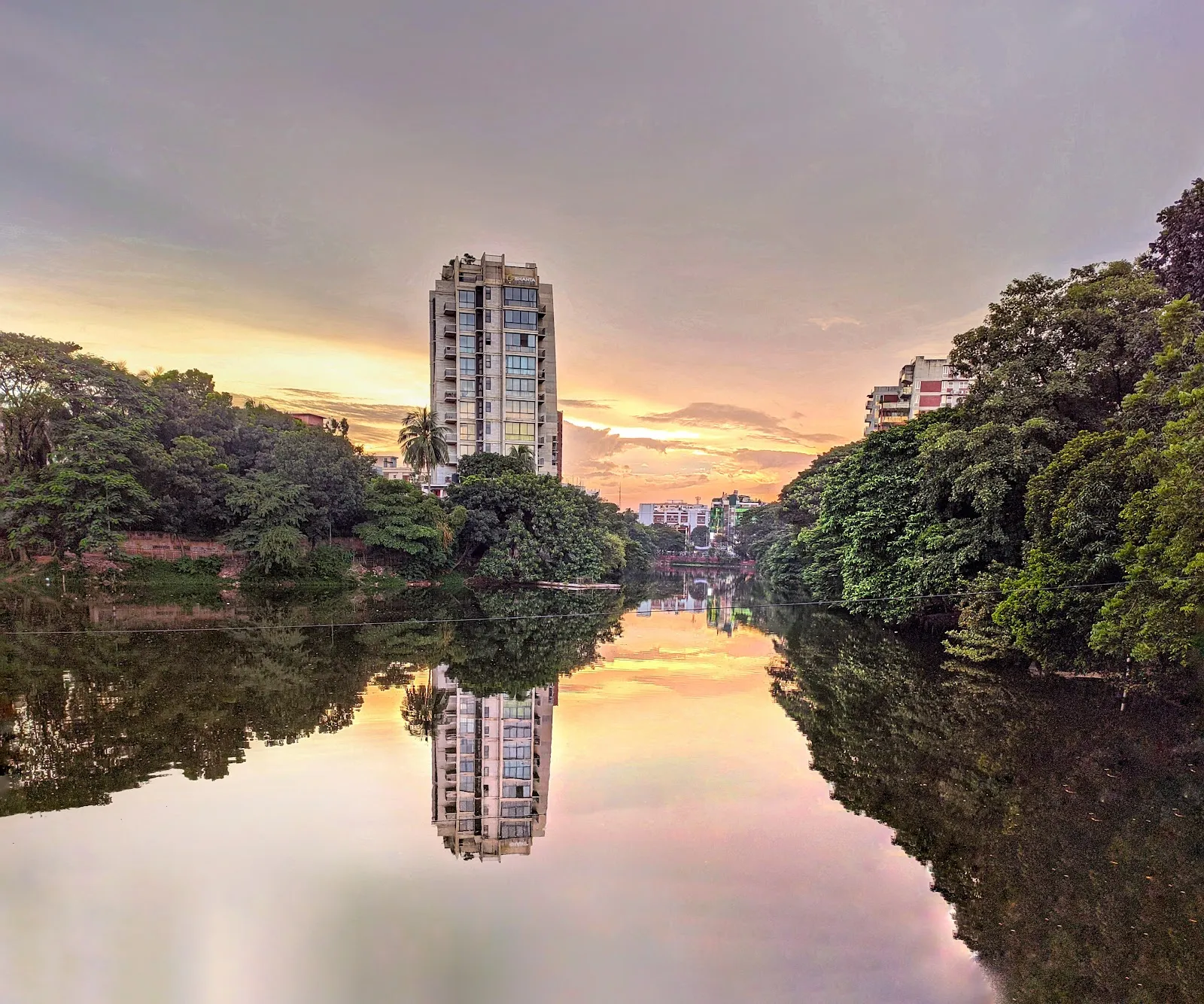
Weather in Savar
Savar, Bangladesh experiences a tropical monsoon climate characterized by distinct wet and dry seasons. The city has hot, humid summers and mild, dry winters. The average annual precipitation is approximately 80 inches (2032 mm), with June being the wettest month, averaging around 15 inches (381 mm) of rainfall.
Seasonal Breakdown
- Spring (March to May)Temperatures gradually rise from an average high of 85°F (29°C) in March to 95°F (35°C) in May. This period marks the transition from the dry season to the wet season, with increasing humidity and occasional pre-monsoon showers.
- Summer (June to August)The hottest and wettest months, with average highs around 95°F (35°C) and lows around 80°F (27°C). Monsoon rains are prevalent, with June receiving the most rainfall, averaging 15 inches (381 mm).
- Autumn (September to November)Temperatures gradually decrease from an average high of 90°F (32°C) in September to 80°F (27°C) in November. Rainfall decreases as the monsoon season ends, with moderate precipitation averaging around 5 inches (127 mm) per month.
- Winter (December to February)The mildest period, with average highs ranging from 75°F (24°C) in December to 80°F (27°C) in February. Rainfall is minimal, and the weather is generally dry and pleasant.
Notable Weather Events
- Monsoon rains leading to potential flooding in low-lying areas.
- Occasional heatwaves during late spring and early summer.
- Cyclones can occur, typically affecting the coastal regions but sometimes impacting inland areas like Savar.
Savar's Political Climate
Savar, a bustling city in Bangladesh, is known for its dynamic political climate that reflects the broader national trends. The city is governed by a mayor-council system, which is typical of many urban areas in Bangladesh. The political landscape in Savar is largely influenced by the major national parties, with the Awami League and the Bangladesh Nationalist Party (BNP) being the most prominent. The city's political history is marked by its role in the liberation war and its subsequent development as a key industrial hub.
Currently, the political leadership in Savar is focused on addressing issues such as urban development, infrastructure improvement, and environmental sustainability. The city has been at the forefront of implementing progressive policies, particularly in areas like waste management and green urban planning. These initiatives are part of a broader effort to enhance the quality of life for its residents while promoting sustainable growth.
Savar's political climate significantly influences its economic and social policies. The city's leadership is keen on fostering economic growth through industrial expansion while balancing environmental concerns. Social justice initiatives, including efforts to improve labor conditions in the garment industry, are also a priority. Recent political events in Savar have seen increased civic engagement, with local movements advocating for better governance and transparency.
Political Quick Facts
- Voter Turnout65%
- City GovernanceMayor-Council System
- CompositionMajority Awami League, Minority BNP
- Recent Political ChangesIncreased focus on environmental policies and labor rights.
- EngagementHigh, with active participation in local governance and civic issues.
- Political ScorecardModerate, with room for improvement in transparency and governance.
- Legislative PrioritiesUrban infrastructure development Environmental sustainability Labor rights improvement
- Public OpinionGenerally supportive of progressive policies, with a strong emphasis on economic development and social justice.
Notable Political Figures
- Md. Abdul GaniCurrent Mayor of Savar, known for his focus on urban development and sustainability.
- Dr. Enamur RahmanMember of Parliament representing Savar, involved in national health and disaster management policies.
- Rehana AkterLocal councilor and advocate for women's rights and education.