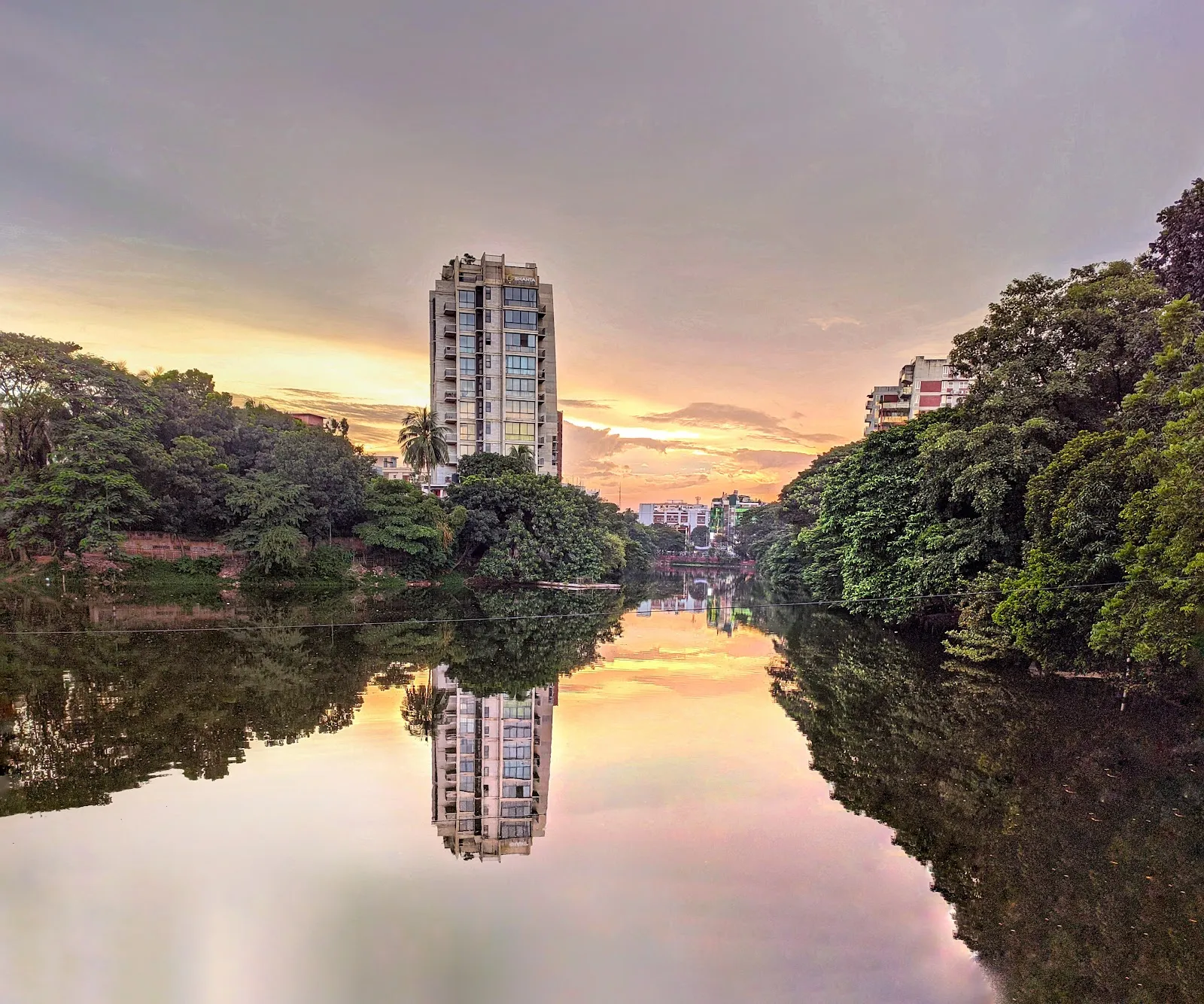
Traffic in Sirajganj
Sirajganj, a city in Bangladesh, presents unique transportation dynamics with its current traffic data showing minimal engagement in traditional commuting methods.Despite the lack of detailed data, understanding the city's traffic trends can provide insights into potential areas for improvement and sustainability efforts.Average Commute Times
More Information
Seasonal Trends
Traffic patterns in Sirajganj may vary with seasonal agricultural activities, impacting road usage.
Monsoon seasons could potentially disrupt transportation due to flooding and road conditions.
Commuter Pain Points
Limited public transportation options may pose challenges for daily commuters.
Infrastructure issues such as road quality and maintenance can affect travel efficiency.
Best Travel Times
Early mornings and late evenings might offer less congested travel conditions in Sirajganj.
Avoiding travel during peak agricultural activity times could reduce delays.
Event Impacts
Local festivals and market days can significantly increase traffic congestion in Sirajganj.
Planning travel around these events can help mitigate delays.
Sustainability Efforts
Sirajganj could benefit from initiatives aimed at promoting cycling and walking to reduce emissions.
Investment in public transportation infrastructure could enhance sustainability and reduce traffic congestion.
Ride-Sharing Impact
The introduction of ride-sharing services could offer flexible transportation options and reduce the need for personal vehicles.
Encouraging ride-sharing could help alleviate traffic congestion and lower emissions.