Things to do in Lida
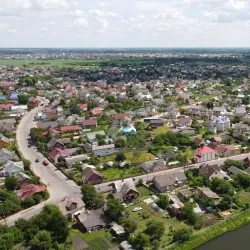
Lida is a city in western Belarus known for its rich history and cultural heritage. It is situated in the Grodno Region and offers visitors a glimpse into medieval architecture, local traditions, and scenic landscapes.The city is characterized by its historic castle, charming streets, and a variety of museums and religious sites that reflect its diverse past. Lida is also surrounded by natural parks and rivers, making it a pleasant destination for both history enthusiasts and nature lovers.Lida Castle
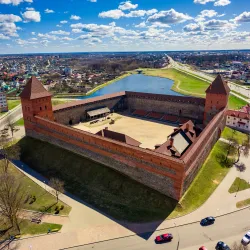

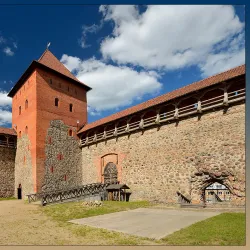
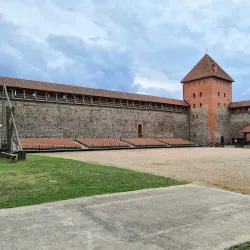
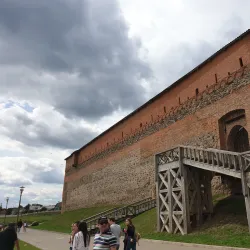

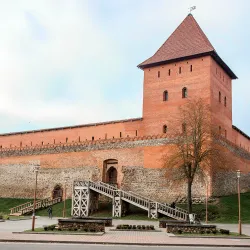
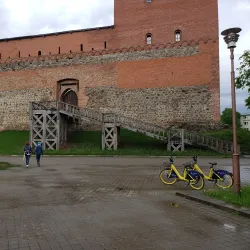

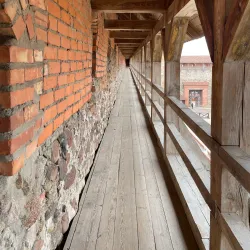
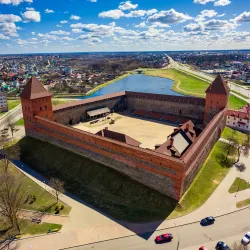
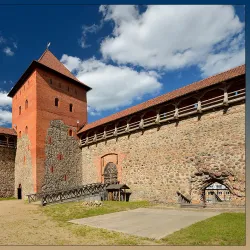
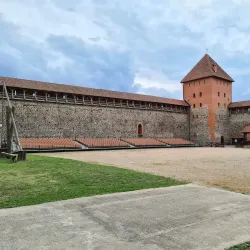
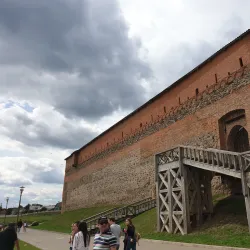
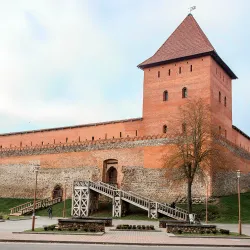
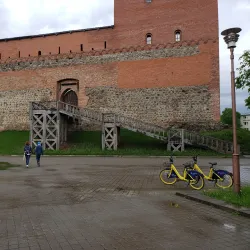
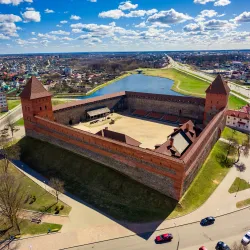
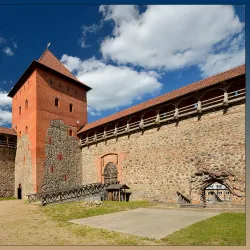
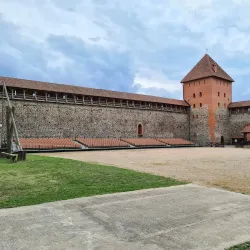
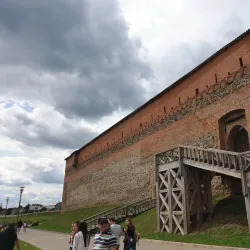
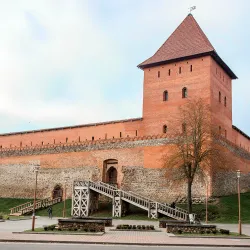
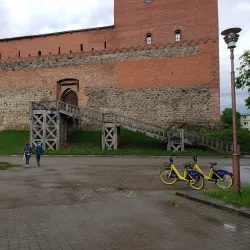
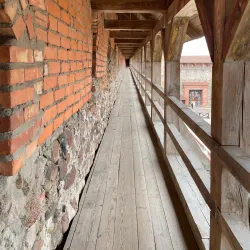
Lida Castle is a medieval fortress built in the 14th century by the Grand Duke of Lithuania, Gediminas. It is one of the most significant historical landmarks in the city and a prime example of Gothic architecture in Belarus.
The castle complex includes defensive walls, towers, and a museum that exhibits artifacts related to the region's history. It often hosts cultural events, reenactments, and festivals, making it a vibrant center for visitors.
Church of St. Michael the Archangel
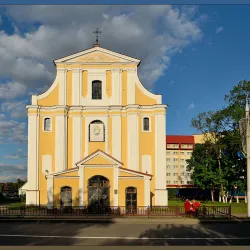

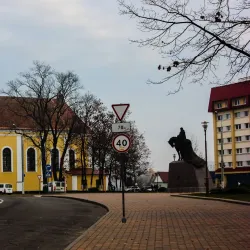


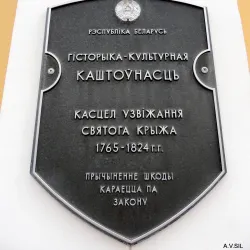

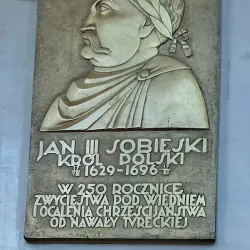
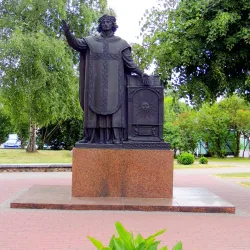

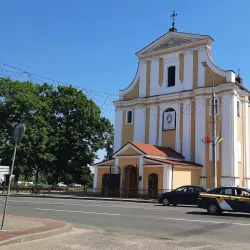
This historic church is an important religious and architectural site in Lida. It features classic Belarusian ecclesiastical architecture and serves as a place of worship and community gathering.
The church is notable for its beautiful interior decorations and its role in the spiritual life of the local population.
Lida Museum of Local Lore


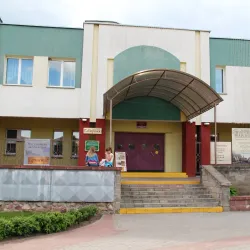





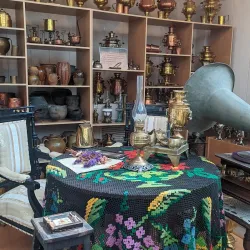

The museum offers a comprehensive overview of the history, culture, and natural environment of the Lida region. Exhibits include archaeological finds, ethnographic collections, and displays on local flora and fauna.
It is an excellent place for visitors to learn about the heritage and traditions of the area.
Holy Trinity Church

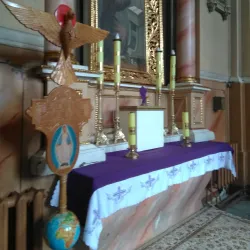
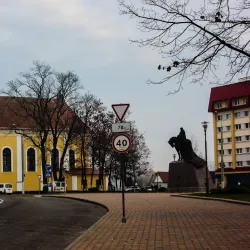
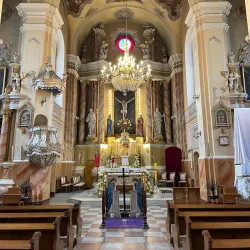
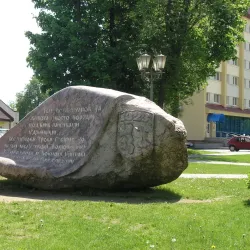
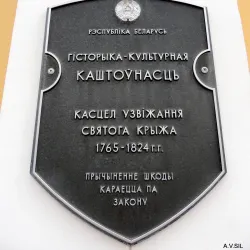
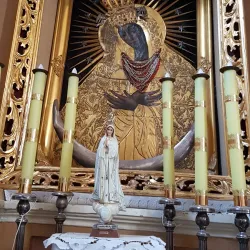
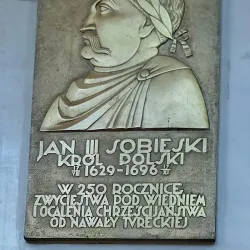
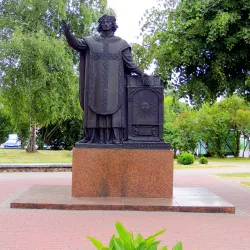
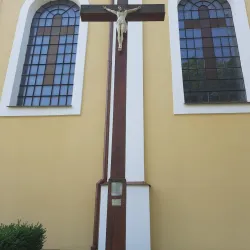
A prominent religious site in Lida, the Holy Trinity Church is known for its striking architecture and historical significance. It is a center for Orthodox Christian worship and community events.
The church's design and interior artwork attract visitors interested in religious art and architecture.
Lida Park


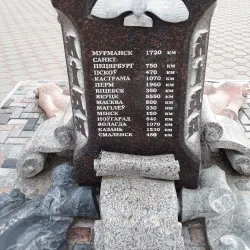
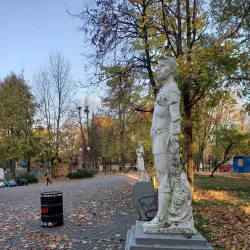
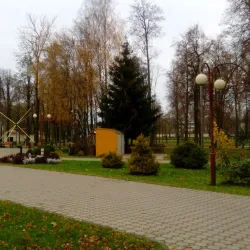





Lida Park is a popular green space in the city, offering walking paths, recreational areas, and spots for relaxation. It is a favorite destination for families and outdoor enthusiasts.
The park often hosts local events and provides a peaceful environment amidst the urban setting.
Monument to the Defenders of Lida



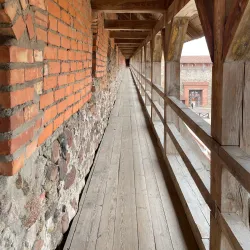
This monument commemorates the bravery and sacrifice of those who defended Lida throughout its history, particularly during wartime.
It is a place of remembrance and reflection, often visited by locals and tourists alike.
Lida Synagogue
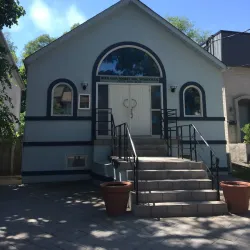
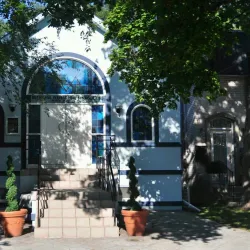
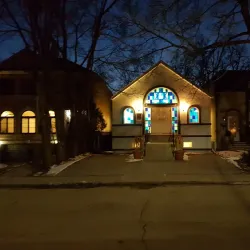







The historic synagogue in Lida reflects the city's once-thriving Jewish community. It stands as a testament to the cultural diversity and history of the region.
Visitors interested in Jewish heritage and architecture find this site significant.
River Lida



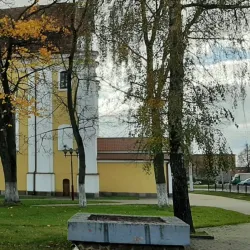



The River Lida flows through the city, providing scenic views and opportunities for leisurely walks along its banks.
The river area is a natural retreat within the city, popular for picnics and outdoor activities.
Lida Drama Theater



The Lida Drama Theater is a cultural hub offering performances ranging from classical plays to contemporary works. It plays a vital role in the city's artistic life.
The theater attracts both locals and visitors with its diverse program and talented actors.
Victory Square
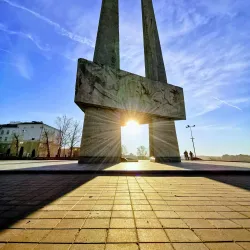

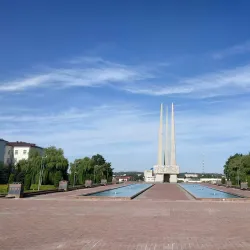

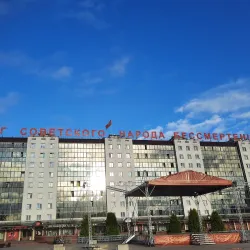


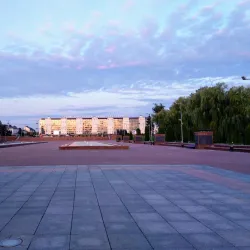
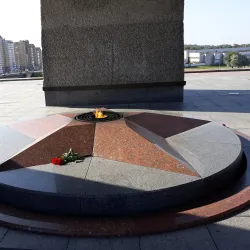

Victory Square is a central public space in Lida, featuring monuments and memorials dedicated to the victory in World War II and other historical events.
It is a common gathering place for public celebrations and commemorations.