
Quality of life in Veurne
Cost of Living, Healthcare, Safety, Education, and More
About Veurne
Veurne, a charming city in Belgium, is known for its picturesque landscapes and rich cultural heritage. Nestled in the West Flanders region, Veurne offers a unique blend of historical architecture and modern amenities, making it a delightful destination for both residents and visitors.The city is characterized by its well-preserved medieval buildings, cobblestone streets, and vibrant market squares. Veurne's economy is primarily driven by agriculture, tourism, and small-scale industries, contributing to its quaint yet dynamic atmosphere.In recent years, Veurne has seen a rise in cultural events and festivals, attracting tourists from across the globe. Its strategic location near the Belgian coast also makes it a popular spot for those seeking a peaceful retreat with easy access to the North Sea.


History and Culture
Veurne's history dates back to the Roman era, with its development significantly influenced by its strategic location near the coast. During the Middle Ages, Veurne became an important trading center, which is reflected in its stunning Gothic architecture and historical landmarks.
The city played a crucial role during World War I, serving as a headquarters for the Belgian army. This period left a lasting impact on Veurne, with several monuments and museums dedicated to the war history.
Culturally, Veurne is renowned for its annual Procession of the Holy Blood, a tradition that dates back to the 13th century. This event, along with other local festivals, showcases the city's deep-rooted religious and cultural traditions.
Veurne is also home to several notable figures, including artists and political leaders, who have contributed to its rich cultural tapestry. The city's museums and galleries offer a glimpse into its artistic heritage, featuring works from local and international artists.
Things to do in Veurne
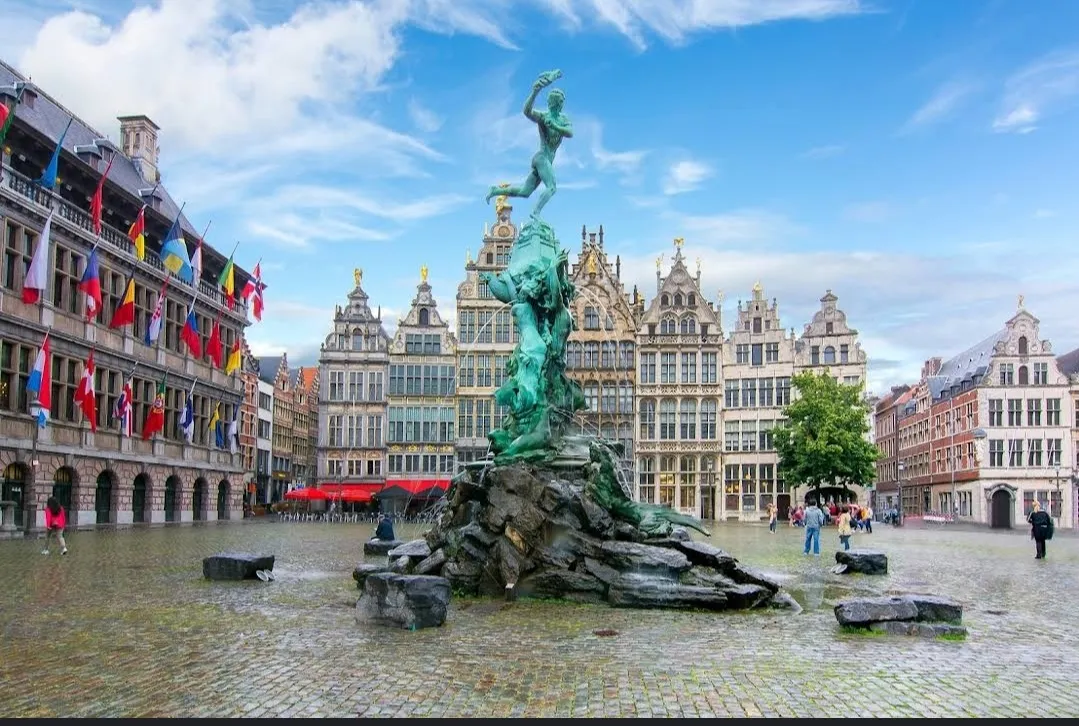
Visitors to Veurne can explore the historic Grote Markt, a central square surrounded by beautiful Gothic and Renaissance buildings. The Belfry of Veurne, a UNESCO World Heritage site, offers panoramic views of the city and its surroundings.
For those interested in history, the Bakery Museum and the Spanish Pavilion provide fascinating insights into the city's past. The St. Walburga Church, with its impressive architecture, is another must-visit landmark.
Veurne's proximity to the coast makes it an ideal base for exploring the Belgian seaside. Visitors can enjoy leisurely walks along the beach or indulge in water sports.
The city hosts several cultural events throughout the year, including the Veurne Carnival and the Procession of the Holy Blood, offering a vibrant glimpse into local traditions and community spirit.
Quality of Life Rankings

Weather in Veurne
Veurne, Belgium experiences a temperate maritime climate characterized by mild summers and cool winters. The city receives an average annual precipitation of approximately 30 inches (762 mm), with November being the wettest month, averaging 3.5 inches (89 mm) of rainfall.
Seasonal Breakdown
- Spring (March to May)Temperatures gradually rise from an average high of 50°F (10°C) in March to 64°F (18°C) in May. Rainfall increases during this period, with April receiving moderate precipitation, averaging 2.5 inches (64 mm).
- Summer (June to August)The warmest months, with average highs ranging from 68°F (20°C) in June to 73°F (23°C) in July. Rainfall is relatively consistent, averaging around 2.8 inches (71 mm) per month.
- Autumn (September to November)Temperatures gradually decrease from an average high of 68°F (20°C) in September to 50°F (10°C) in November. Rainfall remains moderate, with November being the wettest month, averaging 3.5 inches (89 mm).
- Winter (December to February)The coldest period, with average highs ranging from 45°F (7°C) in December to 43°F (6°C) in February. Snowfall is rare, with occasional light snow showers, averaging about 1 inch (25 mm) in January.
Notable Weather Events
- Occasional winter storms bringing strong winds and rain.
- Rare heatwaves during summer months, with temperatures occasionally exceeding 86°F (30°C).
- Foggy conditions are common in autumn and winter due to the proximity to the North Sea.
Veurne's Political Climate
Veurne, a picturesque city in Belgium, is known for its rich historical heritage and vibrant political landscape. The city operates under the governance framework typical of Belgian municipalities, with a mayor and a city council playing pivotal roles in local administration. Veurne's political scene is characterized by a blend of traditional values and progressive policies, reflecting the broader political dynamics of Belgium.
Historically, Veurne has been influenced by the political shifts within Belgium, including the linguistic and cultural divisions that have shaped the country's governance. The city has seen a mix of political affiliations over the years, with local leadership often aligning with national trends. Currently, the political leadership in Veurne is focused on sustainability and community welfare, implementing policies that promote green energy and social inclusivity.
Veurne's political climate is also shaped by its commitment to preserving its cultural heritage while embracing modernity. This balance is evident in the city's approach to urban development and environmental conservation. Recent political trends in Veurne include a growing emphasis on digital governance and increased civic engagement, with local movements advocating for transparency and accountability in government operations.
Political Quick Facts
- Voter Turnout72%
- City GovernanceMayor-council government
- CompositionMixed, with representation from multiple parties including Christian Democrats and Liberals
- Recent Political ChangesIncreased focus on digital governance and transparency
- EngagementHigh, with active participation in local governance and community initiatives
- Political ScorecardB+ for governance and transparency
- Legislative PrioritiesSustainability and green energy Cultural heritage preservation Digital governance
- Public OpinionResidents generally favor progressive policies with a strong emphasis on community welfare and environmental sustainability.
Notable Political Figures
- Peter De GrooteCurrent mayor known for his focus on sustainability and digital innovation.
- Marie Van DammeCity council member advocating for cultural heritage and social justice.
- Lucas JanssensLocal activist and political commentator focused on transparency and civic engagement.