Things to do in Ypres (Ieper)
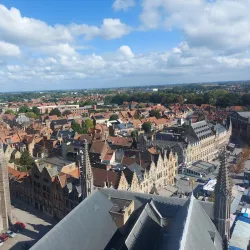
Ypres, also known as Ieper, is a city in the Flemish region of Belgium renowned for its significant role in World War I history. The city is a poignant reminder of the Great War, with many preserved battlefields, cemeteries, and memorials that attract visitors interested in history and remembrance.Ypres offers a blend of historical exploration and cultural experiences, with its well-preserved medieval architecture, vibrant market square, and museums dedicated to the war and local heritage. The city is also known for its annual commemorations and the Last Post ceremony at the Menin Gate.Menin Gate Memorial to the Missing
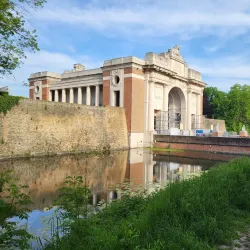


The Menin Gate is one of the most famous World War I memorials, dedicated to the British and Commonwealth soldiers who were killed in the Ypres Salient and whose graves are unknown. The gate is an imposing structure with the names of over 54,000 missing soldiers inscribed on its walls.
Every evening at 8 PM, the Last Post ceremony is held here, a moving tribute to the fallen soldiers, attracting visitors and locals alike.
In Flanders Fields Museum

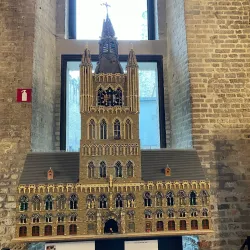
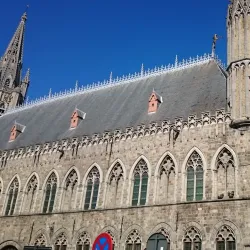
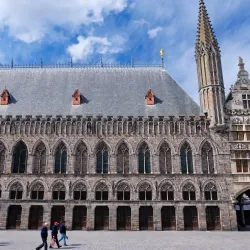
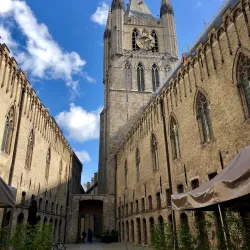
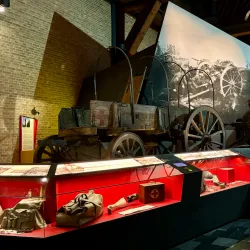
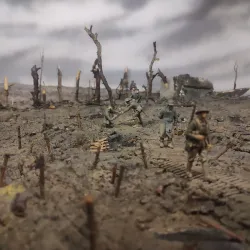
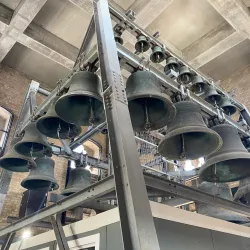
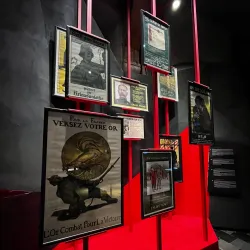
Located in the Cloth Hall in Ypres' Market Square, this museum offers an immersive experience into the history of World War I, focusing on the Ypres Salient. It uses multimedia exhibits, personal stories, and artifacts to convey the realities of war and its effects on soldiers and civilians.
The museum is highly regarded for its educational value and emotional impact, making it a key stop for understanding the region's wartime history.
Ypres Cloth Hall (Lakenhalle)
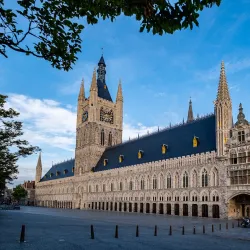
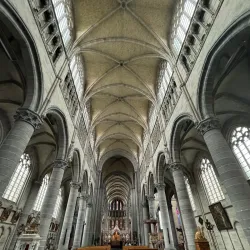
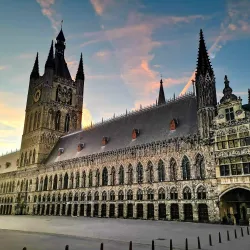
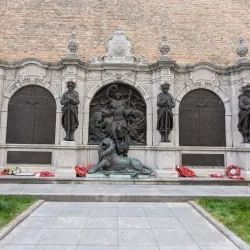
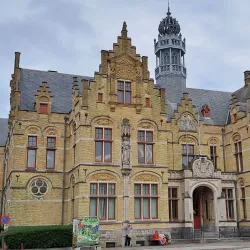
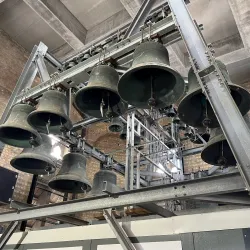
The Cloth Hall is a stunning example of medieval architecture and was once the largest commercial building in the Middle Ages. It was heavily damaged during World War I but has been meticulously rebuilt to its former glory.
Today, it houses the In Flanders Fields Museum and serves as a symbol of Ypres' resilience and historical significance.
Saint Martin's Cathedral
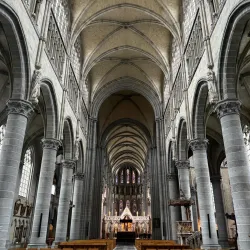
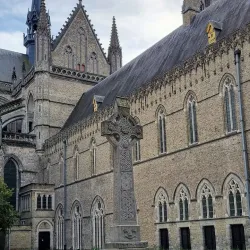
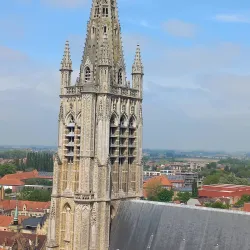
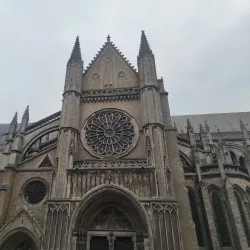
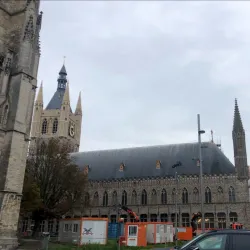
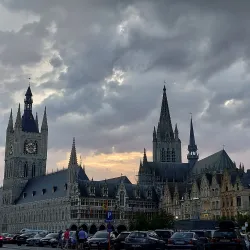
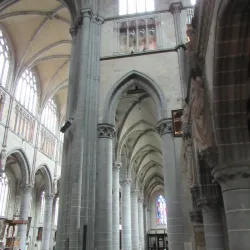
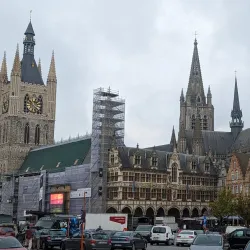
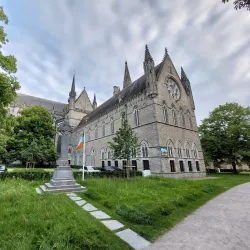
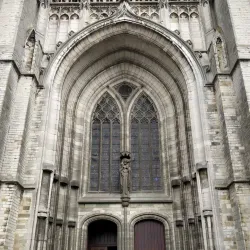
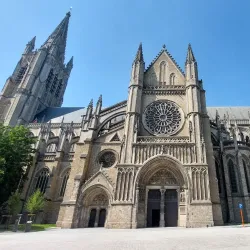
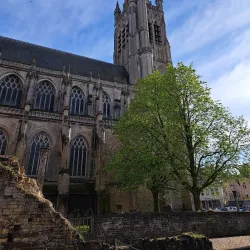
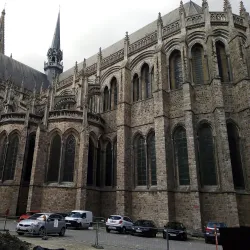
This Gothic-style cathedral is notable for its impressive architecture and its role in the city's religious life. It was also damaged during World War I and restored afterward.
Visitors can admire its stained glass windows, sculptures, and the peaceful atmosphere inside, which contrasts with the city's war-torn history.
Tyne Cot Cemetery

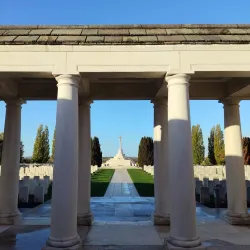
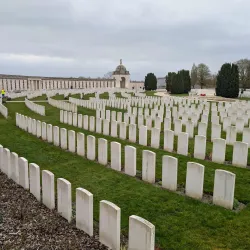
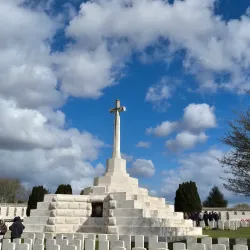
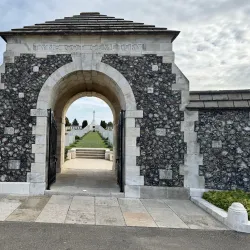
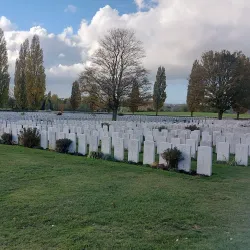
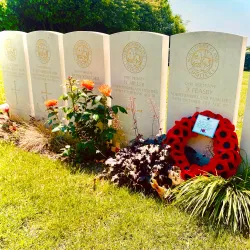
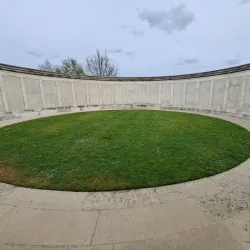
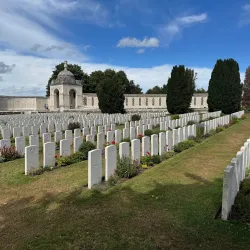
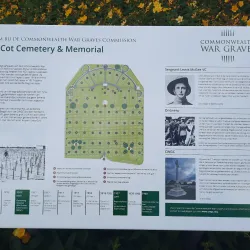
Tyne Cot Cemetery is the largest Commonwealth war cemetery in the world, located just outside Ypres. It contains the graves of thousands of soldiers who died in the Ypres Salient during World War I.
The cemetery is a solemn place of remembrance, with a visitor center that provides historical context and information about the battles fought in the area.
Hill 60

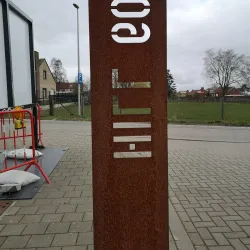
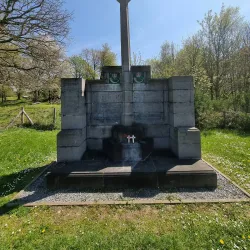
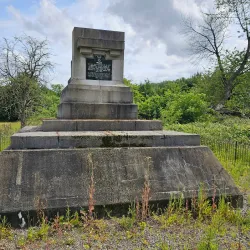
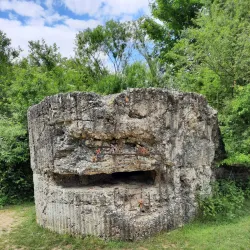
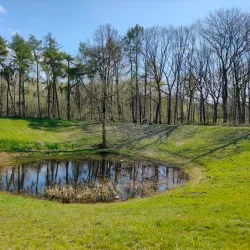
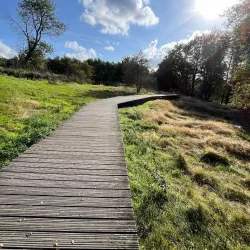
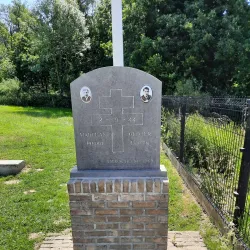
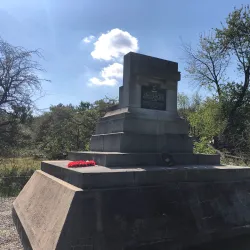
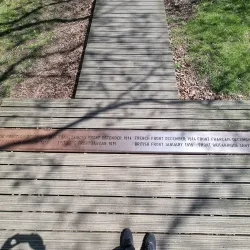
Hill 60 is a man-made hill and a significant World War I battlefield site near Ypres. It was the scene of intense underground warfare and mining operations during the war.
Today, visitors can explore the preserved trenches, craters, and memorials that tell the story of the fierce fighting that took place here.
Essex Farm Cemetery and Dressing Station
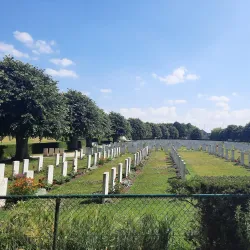
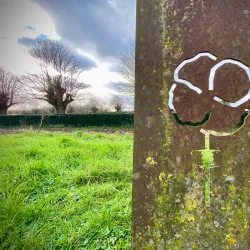
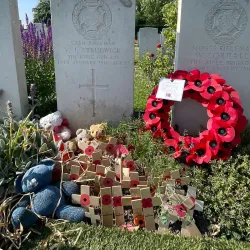
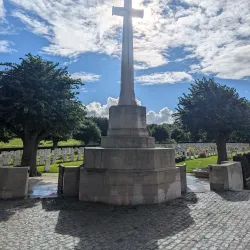
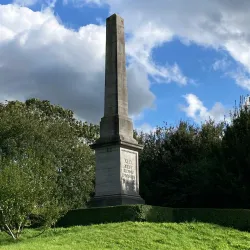
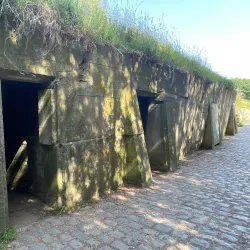
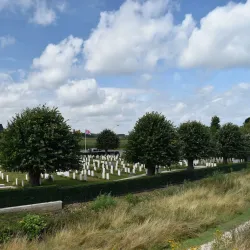
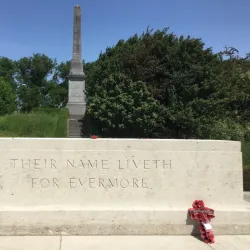
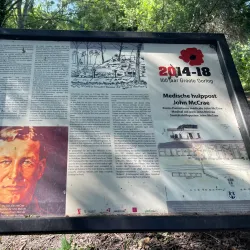
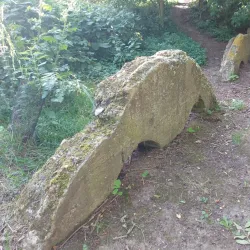
This cemetery is notable for being near the site where the famous war poet John McCrae wrote 'In Flanders Fields.' It served as a dressing station during the war and contains the graves of many soldiers.
The site offers insight into the medical aspects of the war and the harsh conditions faced by the wounded.
Ramparts Cemetery (Sanctuary Wood)
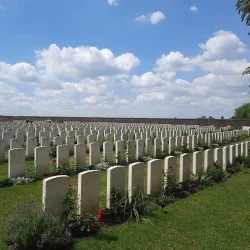
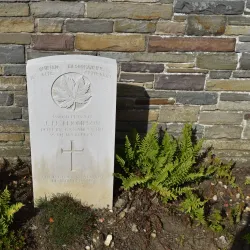
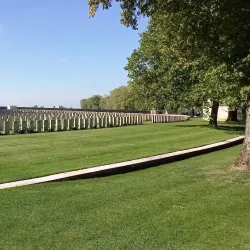
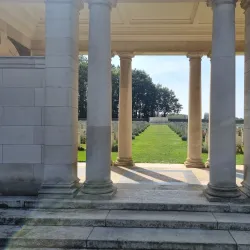
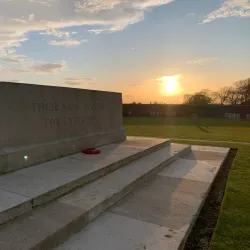
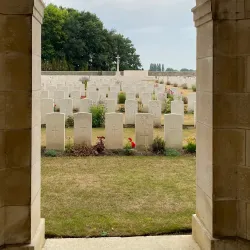
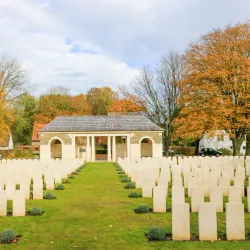
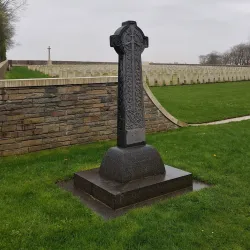
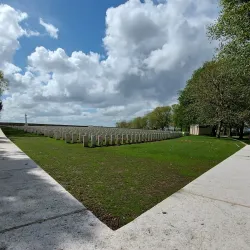
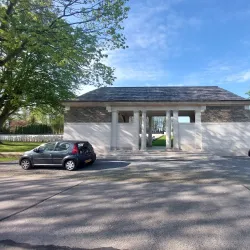
Located within the Sanctuary Wood area, this cemetery is surrounded by preserved trenches and battlefield remnants. It provides a poignant reminder of the war's toll and the soldiers who fought here.
The nearby Sanctuary Wood Museum offers additional context and artifacts related to the battles around Ypres.
Passchendaele Memorial Museum


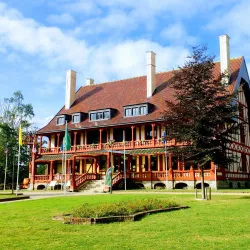
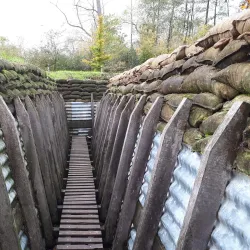

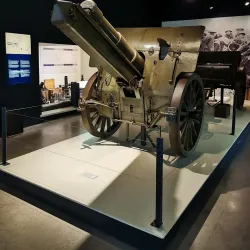

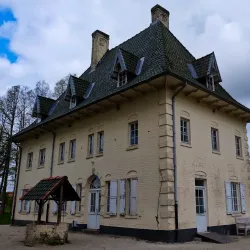
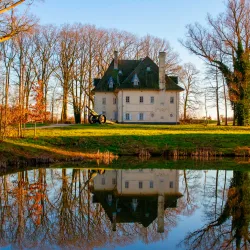

This museum is dedicated to the Battle of Passchendaele, one of the most brutal battles of World War I. It offers detailed exhibits on the battle, the soldiers involved, and the broader context of the war.
The museum is located near the battlefield and provides a comprehensive understanding of the conflict's scale and human cost.
Lijssenthoek Military Cemetery


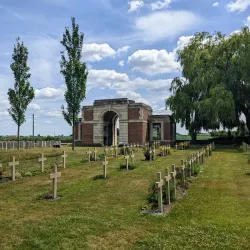

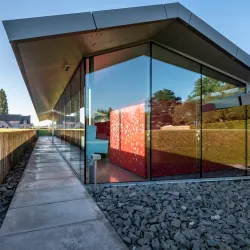
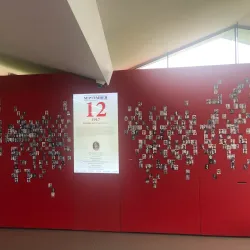

Lijssenthoek Military Cemetery is one of the largest Commonwealth cemeteries in Belgium, located near Ypres. It served as a burial ground for soldiers who died in nearby field hospitals.
The cemetery is well-maintained and offers a peaceful place for reflection on the sacrifices made during the war.