Things to do in Banja Luka
Banja Luka, the second-largest city in Bosnia and Herzegovina, is known for its vibrant culture, historical landmarks, and beautiful natural surroundings. Nestled along the Vrbas River, the city offers a blend of Ottoman, Austro-Hungarian, and modern influences.The city is a hub for cultural events, outdoor activities, and historical exploration. Visitors can enjoy the charming old town, impressive fortresses, and lush parks, making it a well-rounded destination for travelers.Kastel Fortress


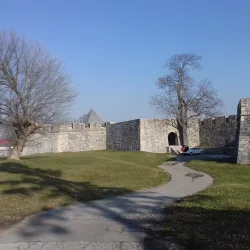
Kastel Fortress is a prominent historical landmark in Banja Luka, dating back to Roman times and later rebuilt by the Ottomans. It stands as a symbol of the city's rich history and offers panoramic views of the Vrbas River and surrounding areas.
The fortress hosts cultural events and exhibitions, making it a vibrant spot for both history buffs and casual visitors.
Ferhat Pasha Mosque
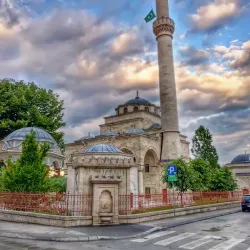
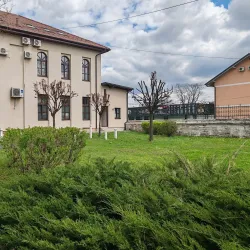
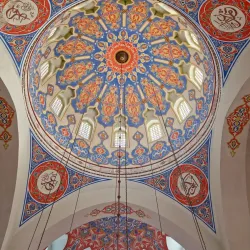
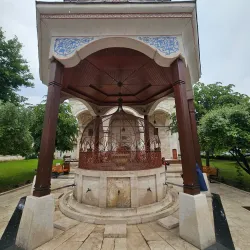
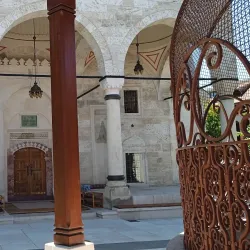
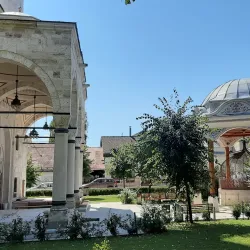
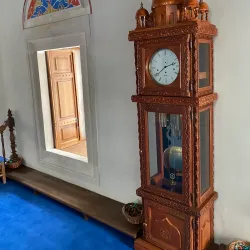
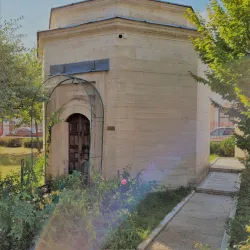
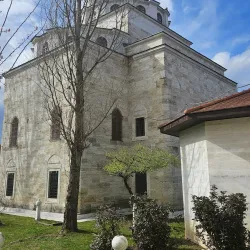
The Ferhat Pasha Mosque, originally built in the 16th century, is a masterpiece of Ottoman architecture. It was destroyed during the Bosnian War and later meticulously reconstructed, symbolizing resilience and cultural heritage.
The mosque is an important religious site and a beautiful example of Islamic art and architecture in the region.
Vrbas River


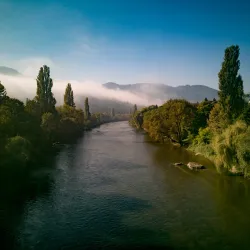

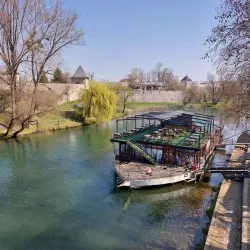
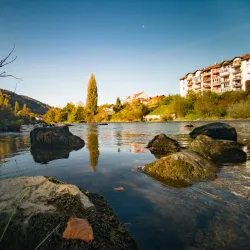

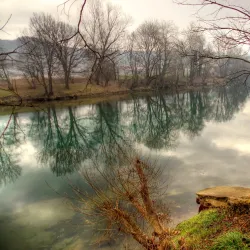
The Vrbas River flows through Banja Luka, offering stunning natural scenery and opportunities for outdoor activities such as rafting, kayaking, and fishing.
The riverbanks are lined with parks and walking paths, making it a popular spot for relaxation and recreation among locals and tourists alike.
Museum of Republika Srpska
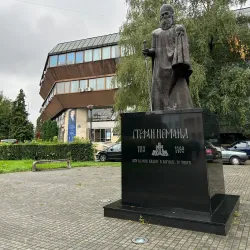
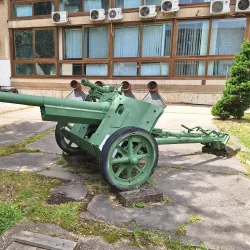
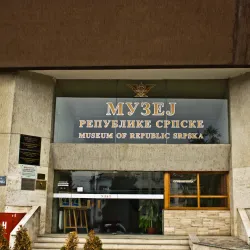
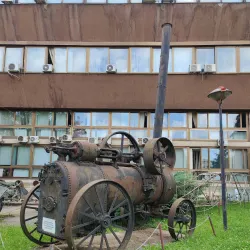
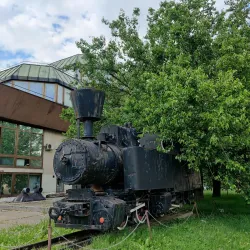
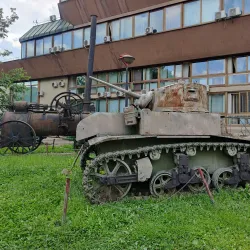
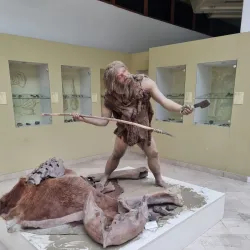
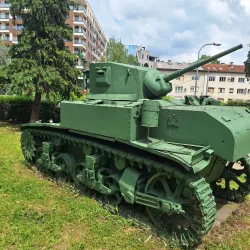
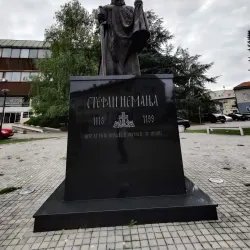
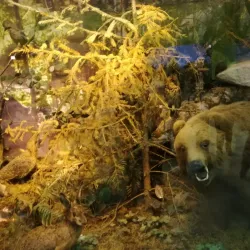
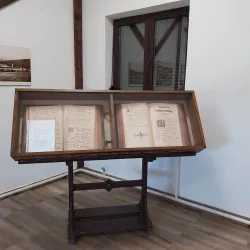
This museum provides insights into the history, culture, and heritage of Republika Srpska and the wider region. It features archaeological, ethnographic, and historical exhibits.
Visitors can learn about the diverse cultural influences that have shaped Banja Luka and its surroundings over the centuries.
Gospodska Street
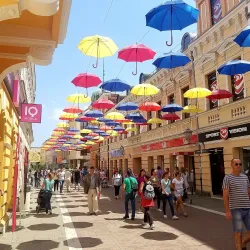
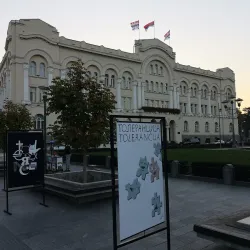
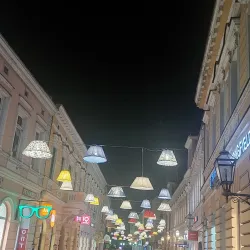
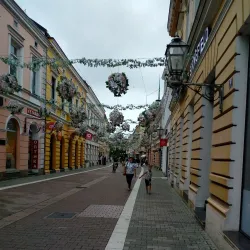
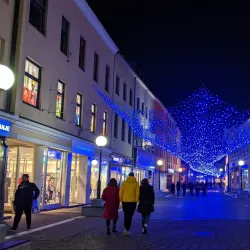
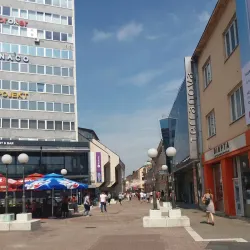
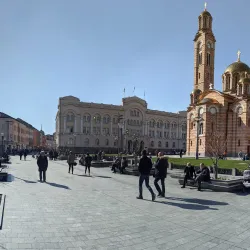
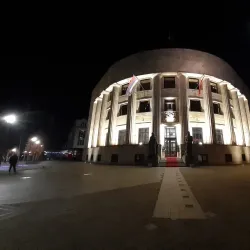
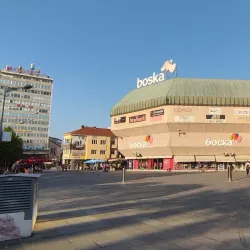

Gospodska Street is the main pedestrian street in Banja Luka, lined with shops, cafes, and restaurants. It is the heart of the city's social and commercial life.
The street is perfect for a leisurely stroll, offering a mix of modern and traditional architecture and vibrant street life.
Banski Dvor Cultural Center


Banski Dvor is a cultural and historical building that hosts concerts, exhibitions, and theatrical performances. It is an important venue for the arts in Banja Luka.
The center also houses a museum that showcases the history and culture of the region.
Trappist Monastery
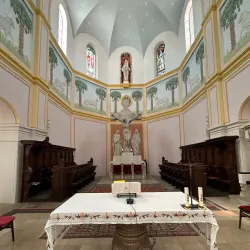
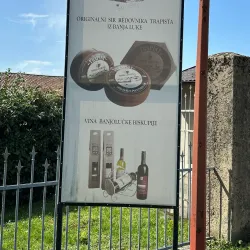
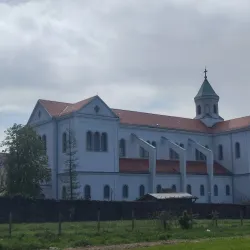
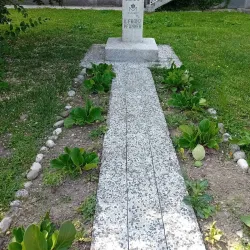
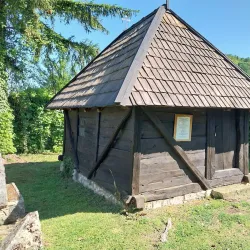
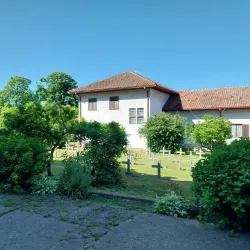
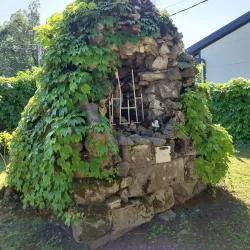
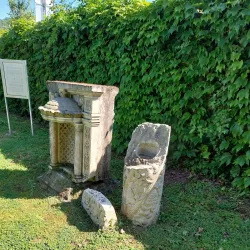
Located near Banja Luka, the Trappist Monastery is known for its peaceful atmosphere and beautiful architecture. The monks produce various goods, including cheese and honey, which visitors can purchase.
The monastery is a place of spiritual retreat and cultural interest.
Petar Kočić Park
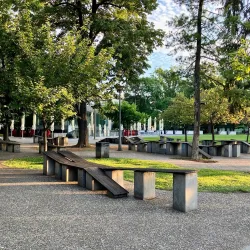

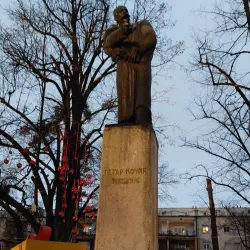
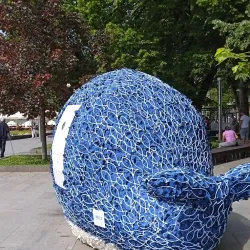
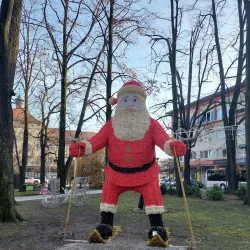
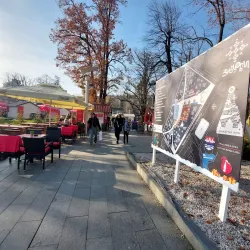
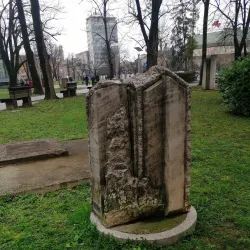
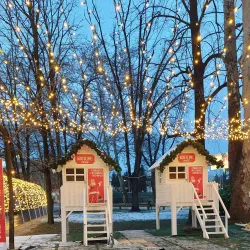
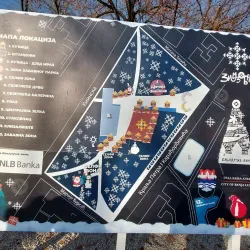

This park is a popular green space in Banja Luka, named after the famous Bosnian writer Petar Kočić. It features walking paths, benches, and playgrounds, making it ideal for families and relaxation.
The park often hosts local events and is a favorite spot for both locals and tourists.
Vrbas Canyon
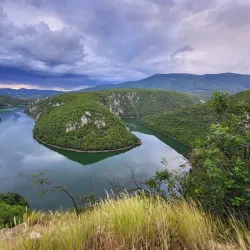

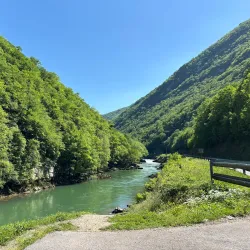
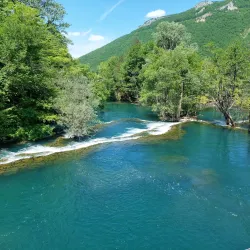
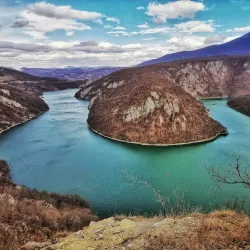
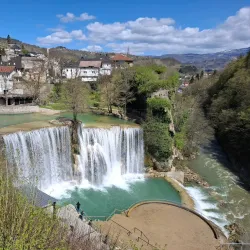

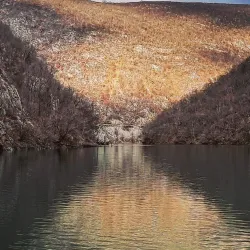
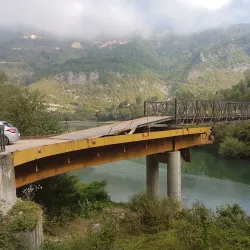

The Vrbas Canyon near Banja Luka offers breathtaking natural landscapes and is a hotspot for adventure sports like rafting and hiking.
The canyon's dramatic cliffs and clear waters attract nature lovers and thrill-seekers alike.
Cathedral of Christ the Saviour

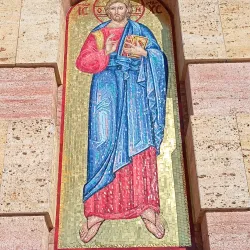


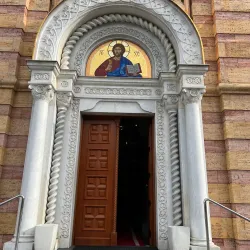


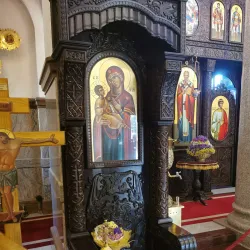
This Serbian Orthodox cathedral is one of the largest religious buildings in Banja Luka. It features impressive architecture and beautiful interior frescoes.
The cathedral is a significant spiritual and cultural landmark in the city.