Things to do in Bihac
Bihac is a charming city located in the northwestern part of Bosnia and Herzegovina, known for its rich history, stunning natural landscapes, and cultural heritage. Nestled along the Una River, Bihac offers visitors a blend of outdoor adventures and historical exploration.The city is surrounded by beautiful national parks and is a gateway to the Una National Park, famous for its pristine rivers and waterfalls. Bihac's old town and historical sites reflect its diverse past and cultural significance in the region.Una National Park
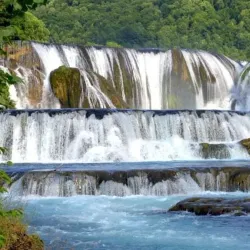
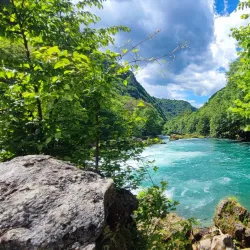
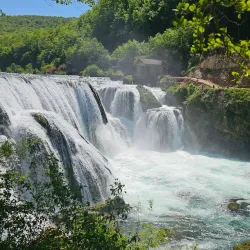
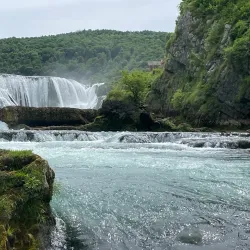
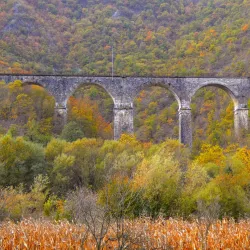
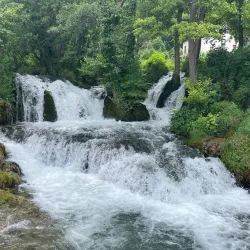
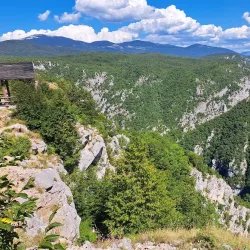
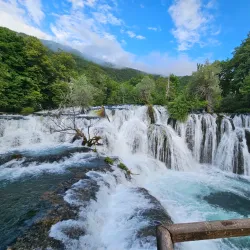
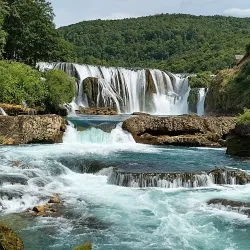
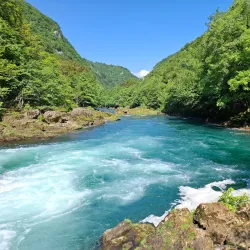
Una National Park is one of the most beautiful natural reserves in Bosnia and Herzegovina, known for its crystal-clear rivers, waterfalls, and diverse wildlife. It offers numerous outdoor activities such as hiking, rafting, and fishing, making it a must-visit for nature lovers.
The park's centerpiece is the Una River, which flows through stunning landscapes and features iconic waterfalls like Štrbački Buk, a spectacular cascade that attracts visitors year-round.
Bihac Old Town (Stari Grad)
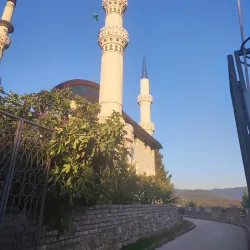
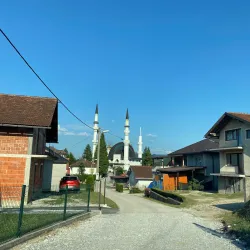
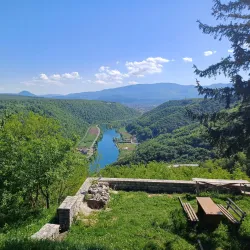
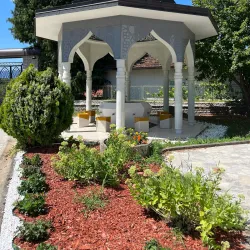
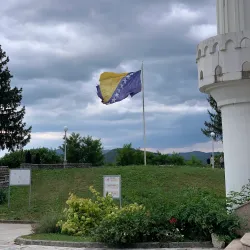
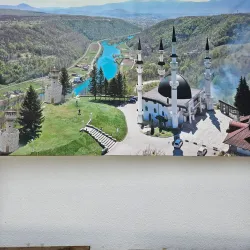
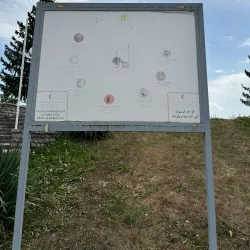
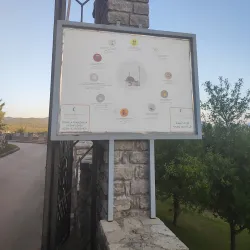
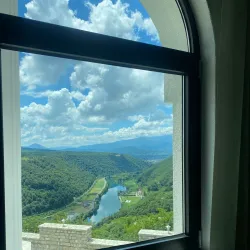
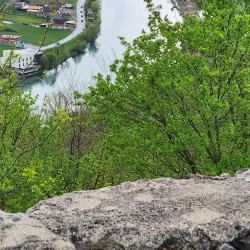
The Old Town of Bihac is a historic area featuring ancient architecture, narrow streets, and remnants of medieval fortifications. It provides a glimpse into the city's past and its strategic importance through the centuries.
Visitors can explore old buildings, traditional shops, and enjoy the ambiance of a town that has preserved its cultural heritage despite modern developments.
Bihac Fortress (Kastel)
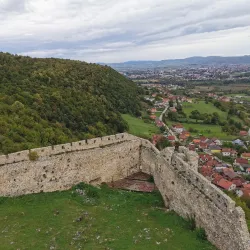
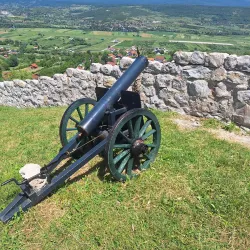
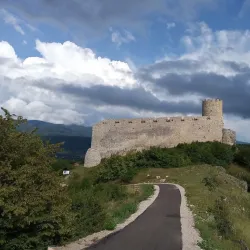
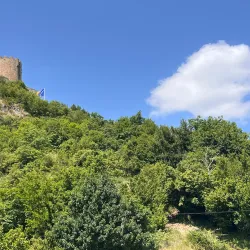
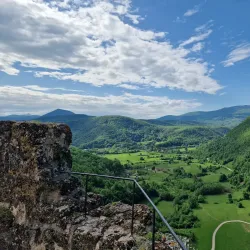
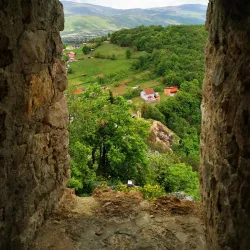
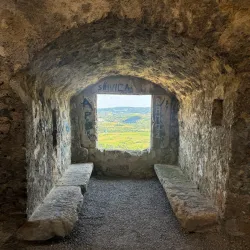
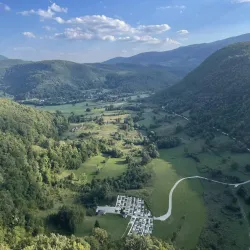
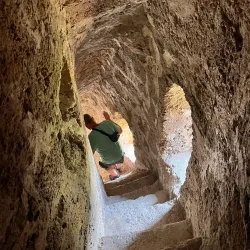
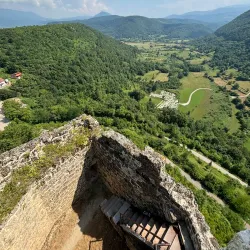
The Bihac Fortress, also known as Kastel, is a prominent historical landmark overlooking the city. It dates back to the medieval period and was used for defense purposes.
The fortress offers panoramic views of Bihac and the Una River, making it a popular spot for photography and historical tours.
Fethija Mosque
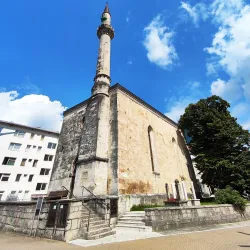
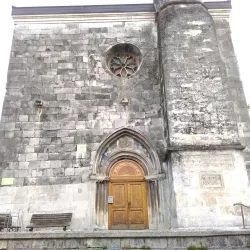
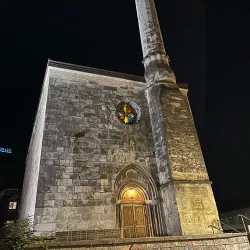
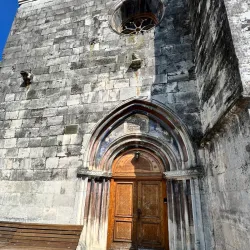
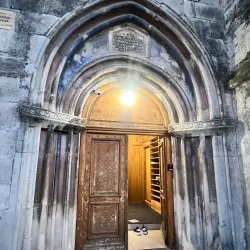
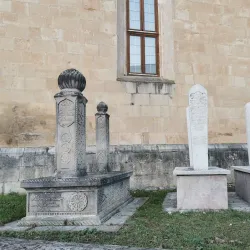
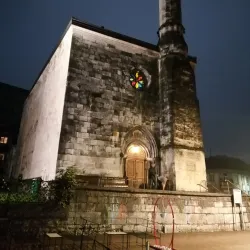
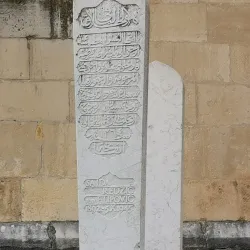
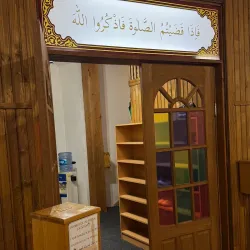

Fethija Mosque is one of the oldest mosques in Bosnia and Herzegovina, originally built as a Catholic church before being converted into a mosque during the Ottoman period.
The mosque is notable for its unique blend of Gothic and Islamic architectural styles and serves as an important cultural and religious site in Bihac.
Museum of the Krajina Region
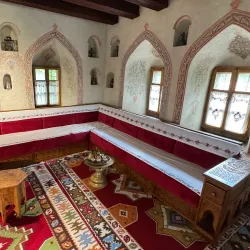
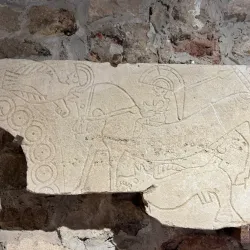
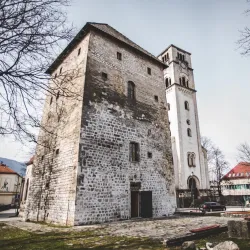
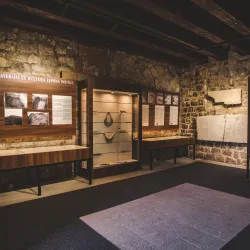
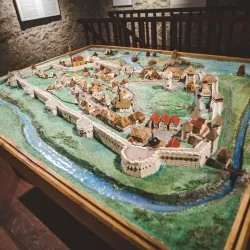
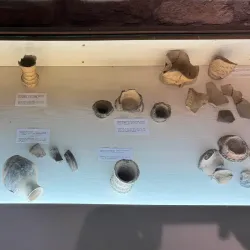
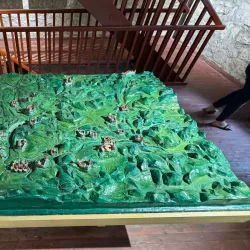
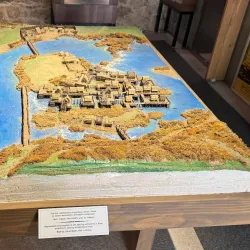
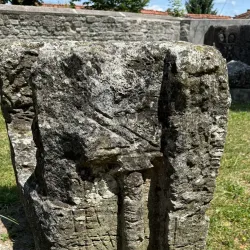
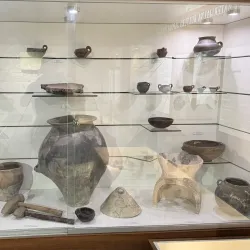
This museum showcases the history, culture, and traditions of the Krajina region, where Bihac is located. Exhibits include archaeological finds, ethnographic collections, and artifacts from various historical periods.
It is an educational destination for those interested in learning about the local heritage and the diverse influences that have shaped the area.
Krupa Waterfall
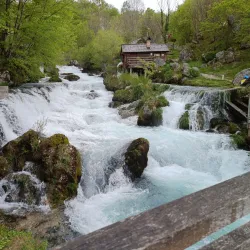
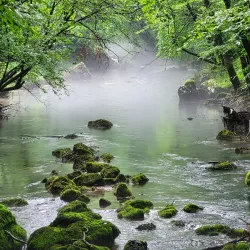
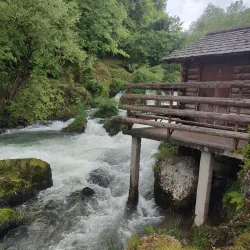
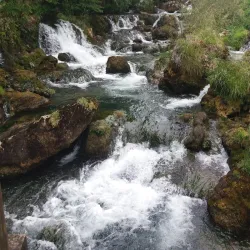
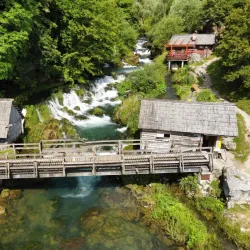
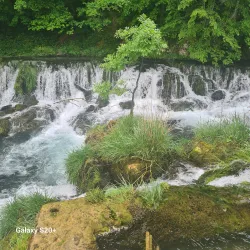
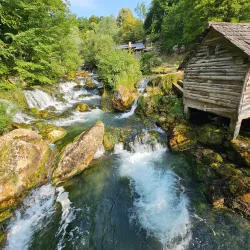
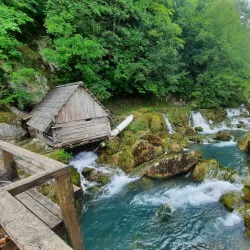
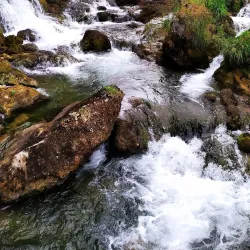
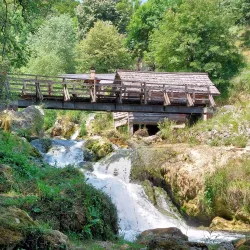
Krupa Waterfall is a beautiful natural attraction located near Bihac, known for its picturesque setting and tranquil environment. It is part of the Una River's tributaries and offers a peaceful spot for visitors to enjoy nature.
The waterfall is accessible via hiking trails and is a favorite destination for photographers and nature enthusiasts.
Rmanj Monastery
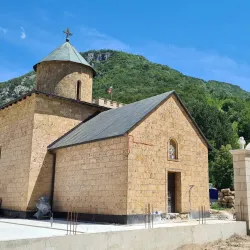
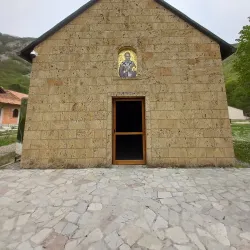
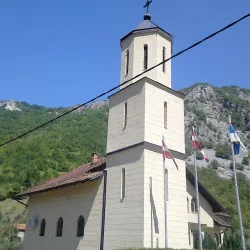
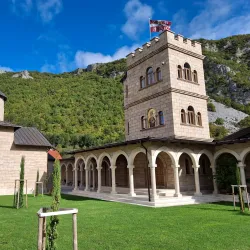
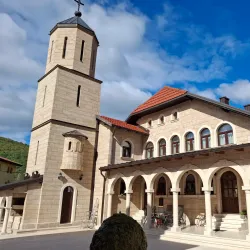
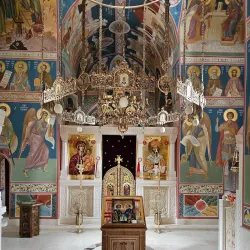
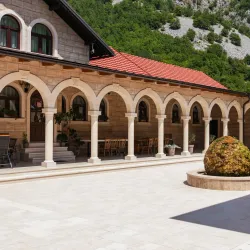
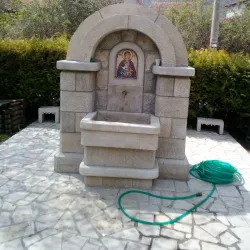
Rmanj Monastery is a Serbian Orthodox monastery situated near Bihac, known for its religious significance and serene surroundings. The monastery complex includes a church and monastic buildings set in a peaceful natural environment.
It is a place of pilgrimage and cultural interest, reflecting the spiritual heritage of the region.
Bihac City Park










Bihac City Park is a green space in the heart of the city, offering a relaxing environment for locals and visitors alike. The park features walking paths, benches, and playgrounds, making it a pleasant spot for leisure and social activities.
It is a good place to experience the local atmosphere and enjoy outdoor time within the city.
Dr. Irfan Ljubijankić Memorial House
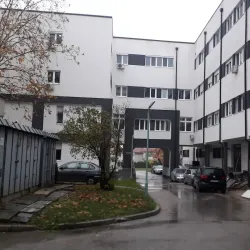

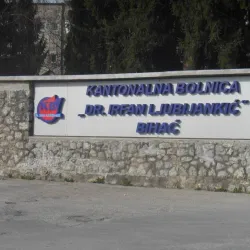

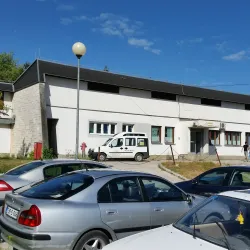
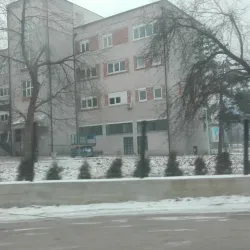

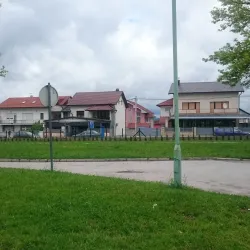


This memorial house honors Dr. Irfan Ljubijankić, a notable figure from Bihac. The house serves as a museum and cultural center, preserving his legacy and contributions to the community.
Visitors can learn about his life and the historical context of the region through exhibits and educational programs.
Una River
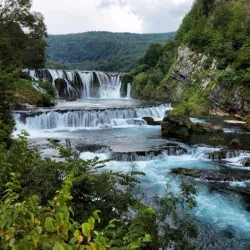
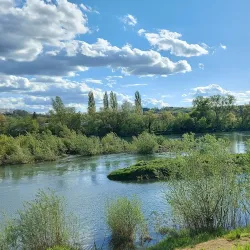
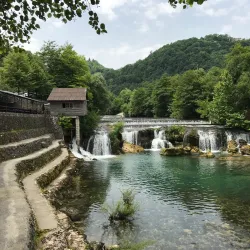
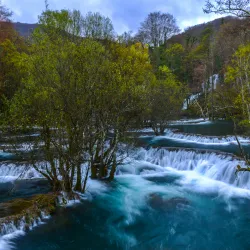
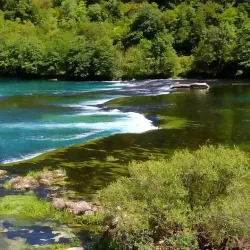
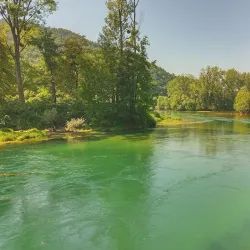
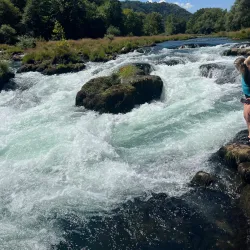
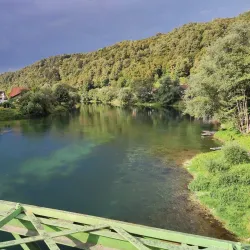
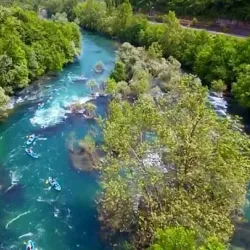
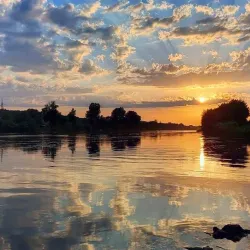
The Una River is a defining natural feature of Bihac, renowned for its clear waters and scenic beauty. It is popular for water sports such as kayaking, rafting, and fishing.
The river flows through the city and the surrounding national park, providing numerous spots for relaxation and outdoor activities.