Things to do in Brcko
Brčko is a unique city located in the northeastern part of Bosnia and Herzegovina, known for its multicultural heritage and strategic position along the Sava River. It serves as a significant economic and cultural hub in the region, offering visitors a blend of historical sites, natural beauty, and vibrant local life.The city is characterized by its diverse neighborhoods and a rich history influenced by various empires and cultures. Visitors to Brčko can explore its parks, museums, and architectural landmarks that reflect its complex past and present.Brčko District Museum
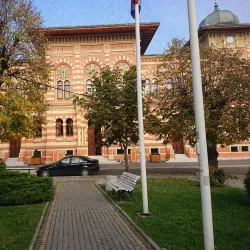
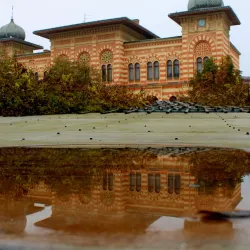
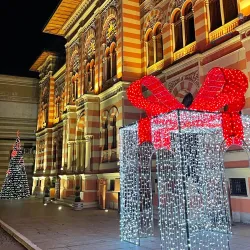
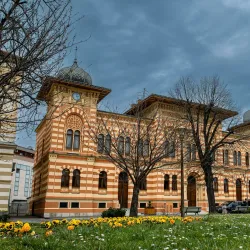
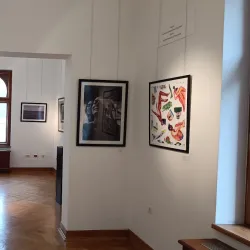
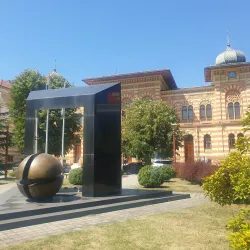
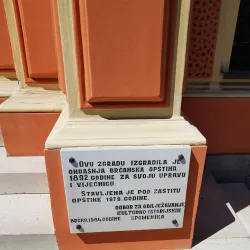
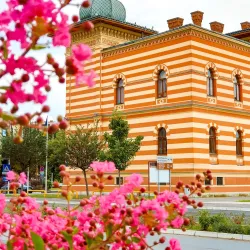
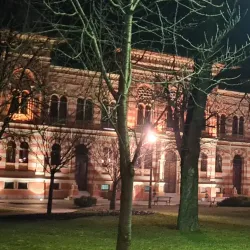
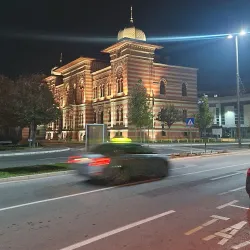
The Brčko District Museum offers insights into the region's history, culture, and ethnography. It houses artifacts and exhibits that showcase the diverse heritage of the area, including its Ottoman and Austro-Hungarian influences.
Visitors can learn about the local traditions, historical events, and the development of Brčko through well-curated displays and educational programs.
Sava River Promenade
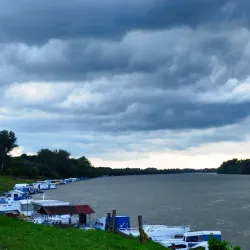
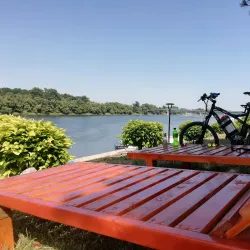
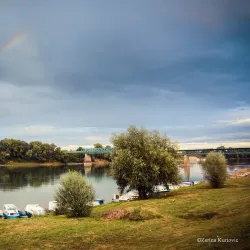
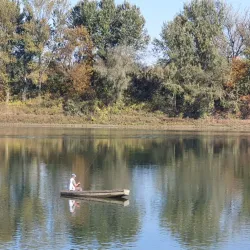
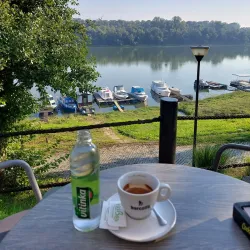
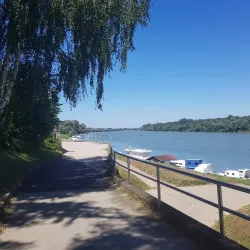
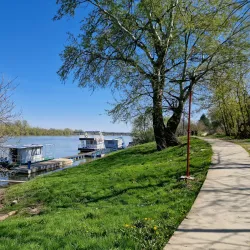
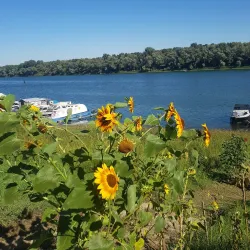
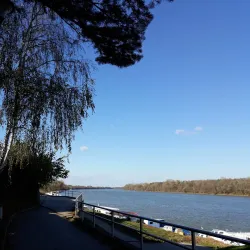
The Sava River Promenade is a popular spot for both locals and tourists to enjoy leisurely walks along the riverbank. It provides beautiful views of the river and surrounding landscapes, making it a perfect place for relaxation and outdoor activities.
The promenade is lined with cafes and benches, offering a pleasant atmosphere for socializing and enjoying the natural environment.
Brčko City Park
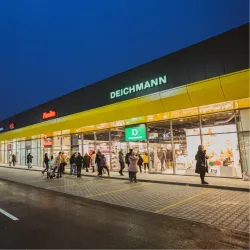
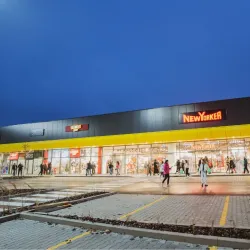

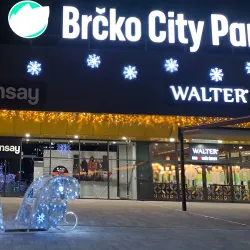
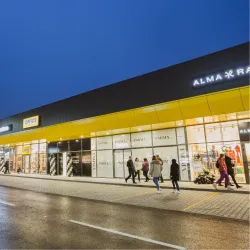
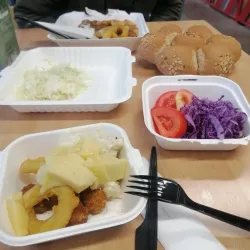
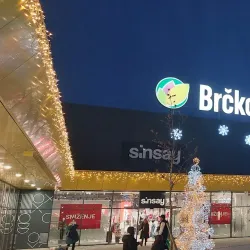
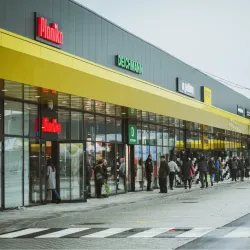
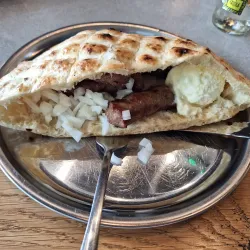
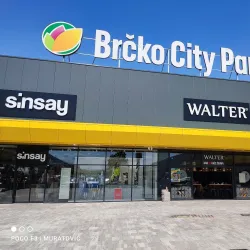
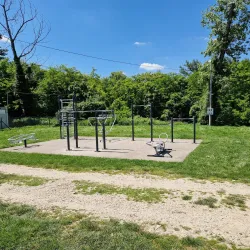
Brčko City Park is a green oasis in the heart of the city, ideal for picnics, walks, and family outings. The park features well-maintained paths, playgrounds, and areas for sports and recreation.
It is a central gathering place for community events and a peaceful retreat from the urban hustle.
Gradska Dvorana Brčko (City Hall)
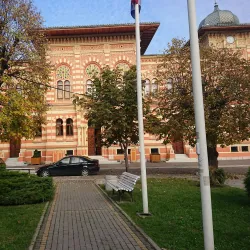
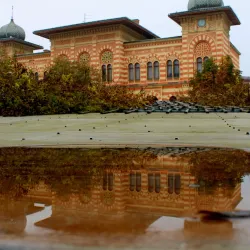
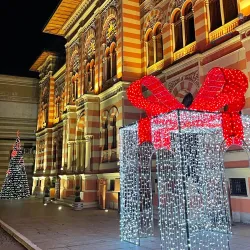
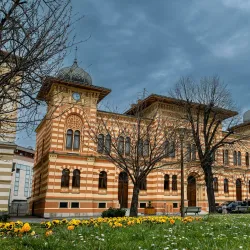
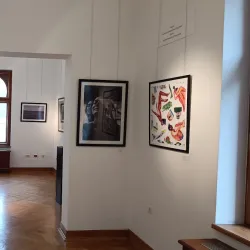
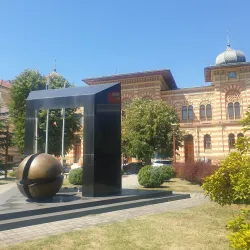
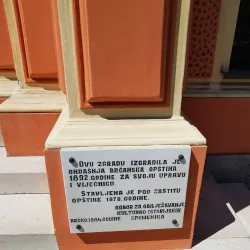
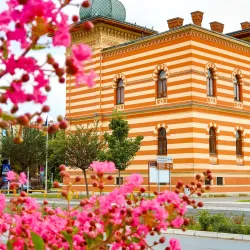
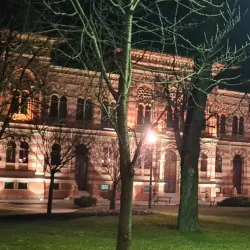
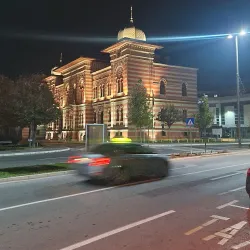
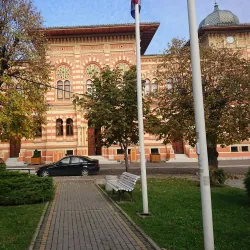
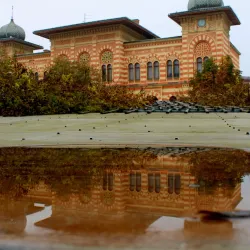
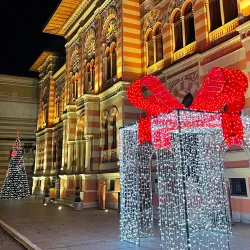
The City Hall of Brčko is an architectural landmark that represents the administrative and political center of the district. The building is notable for its design and historical significance.
Visitors interested in architecture and local governance often visit the City Hall to appreciate its structure and learn about the district's administrative functions.
Brčko Bridge
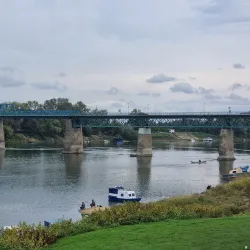
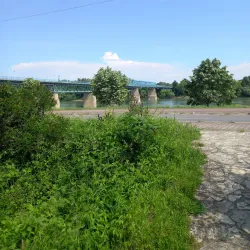
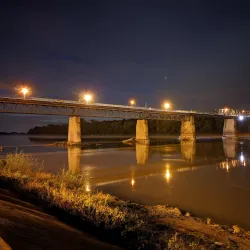
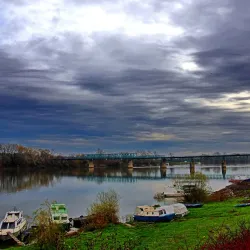
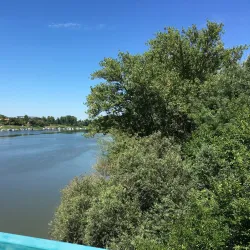
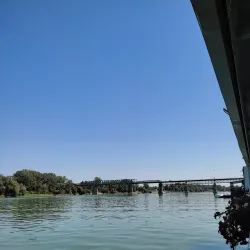
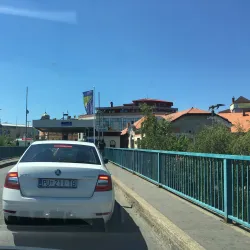
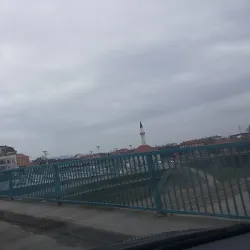
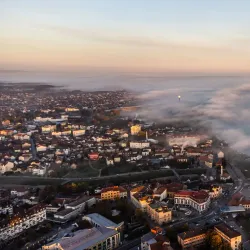
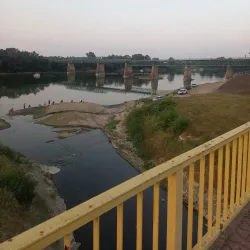
The Brčko Bridge spans the Sava River and is an important transportation link in the region. It offers scenic views of the river and the city skyline, making it a favored spot for photography.
The bridge symbolizes the connection between different parts of the district and plays a vital role in local commerce and travel.
Ethnographic Collection Brčko
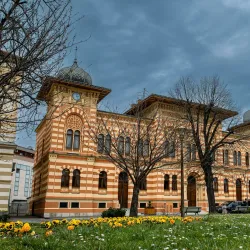
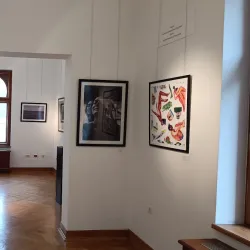
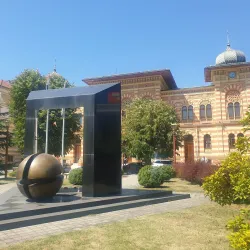
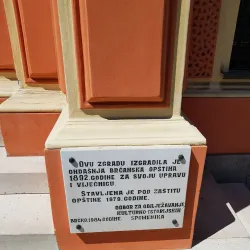
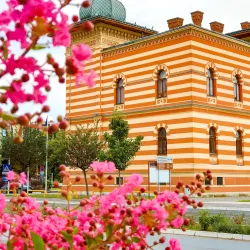
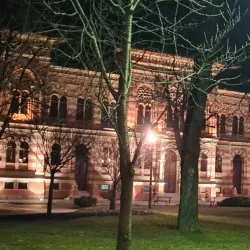
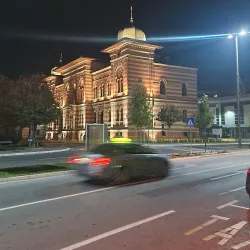
This collection showcases traditional costumes, tools, and household items from the Brčko region, providing a glimpse into the everyday life of its inhabitants in past centuries.
The ethnographic exhibits help preserve and promote the cultural heritage of the area, making it a valuable educational resource.
Brijesnica Nature Reserve
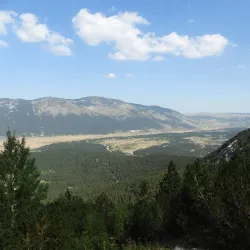
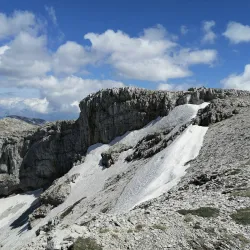
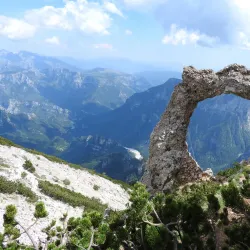
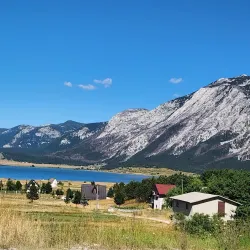
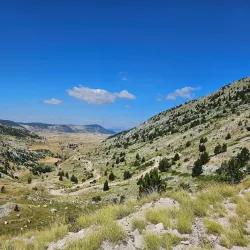
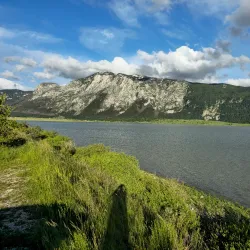
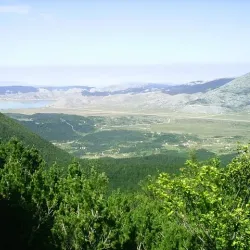
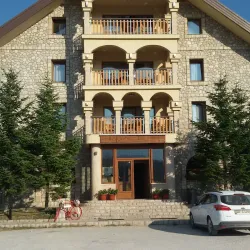
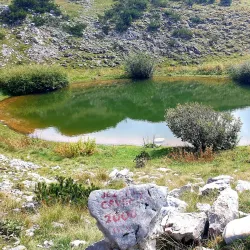
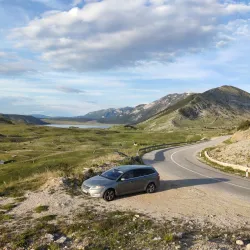
Located near Brčko, the Brijesnica Nature Reserve is a protected area known for its diverse flora and fauna. It offers hiking trails and opportunities for bird watching and nature photography.
The reserve is an excellent destination for nature lovers seeking to explore the natural environment around Brčko.
St. Elias Church
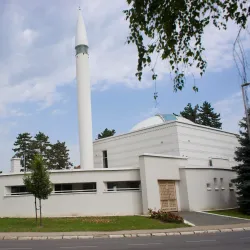
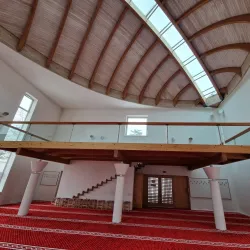
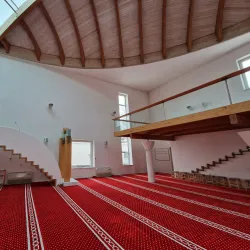
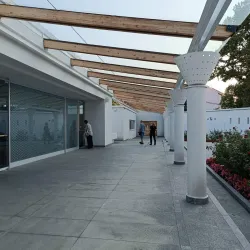
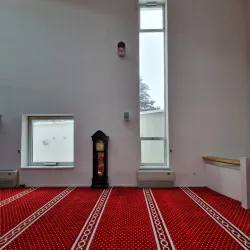
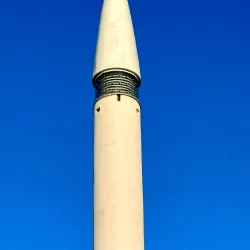
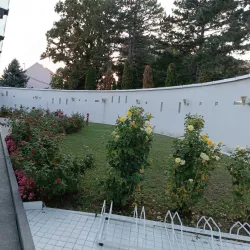
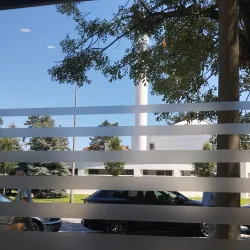
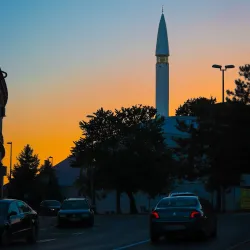
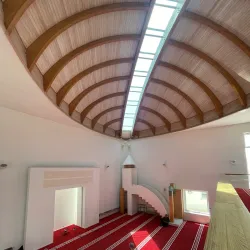
St. Elias Church is a significant religious site in Brčko, known for its beautiful architecture and spiritual importance to the local community.
The church often hosts religious ceremonies and cultural events, reflecting the city's religious diversity.
Brčko Market
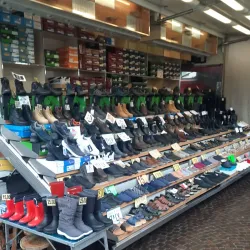

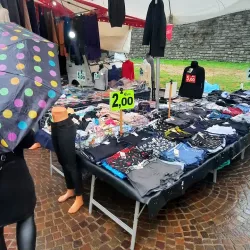
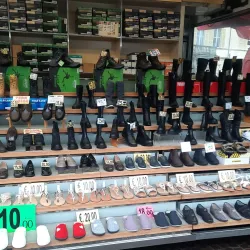


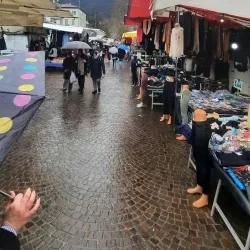



The Brčko Market is a bustling place where locals sell fresh produce, handmade goods, and traditional foods. It offers visitors a chance to experience the local lifestyle and taste regional specialties.
The market is vibrant and colorful, providing an authentic atmosphere for shopping and social interaction.
Memorial Park Brčko

This park is dedicated to commemorating the victims of conflicts in the region. It features monuments and plaques that honor their memory and promote peace and reconciliation.
The park is a place for reflection and learning about the recent history of Brčko and its resilience.