Things to do in Marechal Cândido Rondon
Marechal Cândido Rondon is a municipality located in the state of Paraná, Brazil. Known for its rich cultural heritage and natural beauty, the city offers a variety of attractions that reflect its history, local traditions, and scenic landscapes.The city is named after the Brazilian explorer and military officer Cândido Rondon, and it is a hub for agricultural activities and cultural events. Visitors can explore parks, museums, and local landmarks that showcase the region's development and community spirit.Parque Ecológico Paulo Gorski

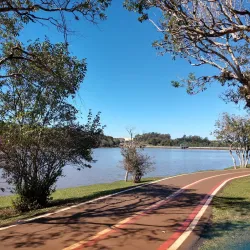
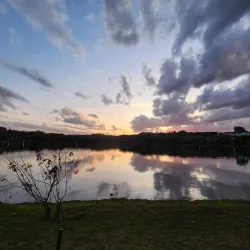
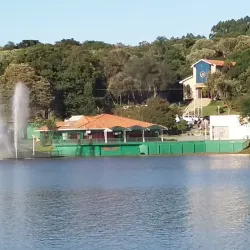
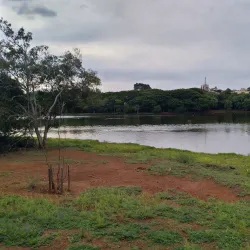
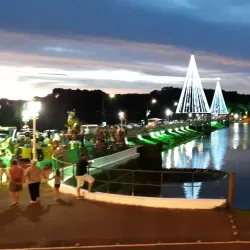
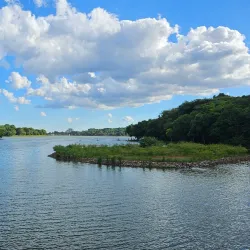
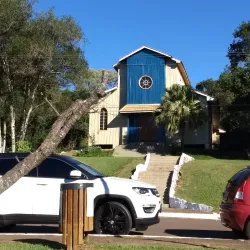
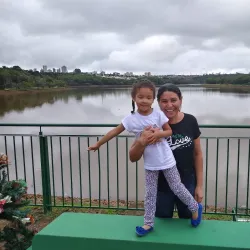
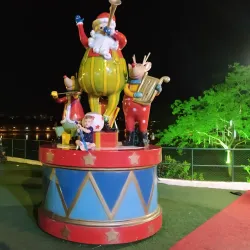
This ecological park is a popular spot for nature lovers and families. It offers walking trails, picnic areas, and opportunities to observe local flora and fauna. The park is well-maintained and serves as a green oasis within the city, promoting environmental education and outdoor activities.
Museu Histórico de Marechal Cândido Rondon

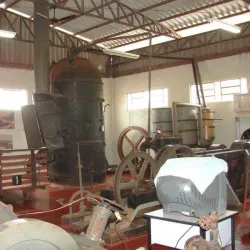
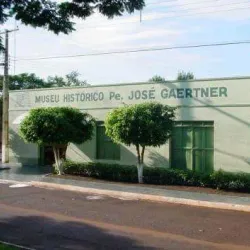

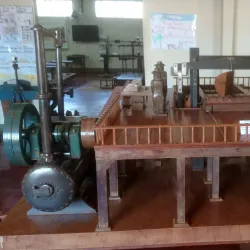
The Historical Museum of Marechal Cândido Rondon showcases artifacts, photographs, and exhibits related to the city's founding and development. It provides visitors with a deeper understanding of the local culture and history, highlighting the contributions of early settlers and indigenous communities.
Catedral São João Batista

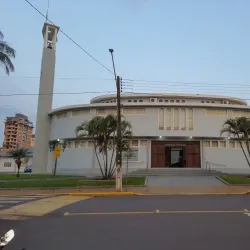
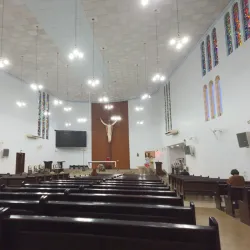
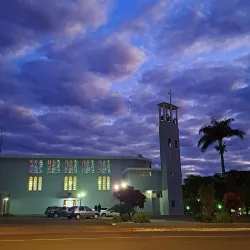
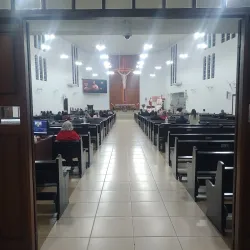

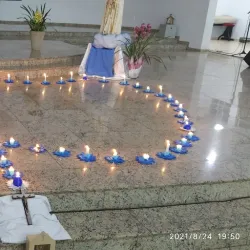
This cathedral is a significant religious and architectural landmark in Marechal Cândido Rondon. Its design and interior decorations reflect the cultural influences of the region. The cathedral is an active place of worship and a center for community gatherings and religious events.
Praça Willy Barth
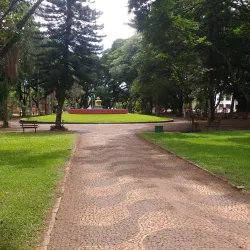
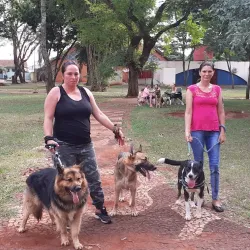
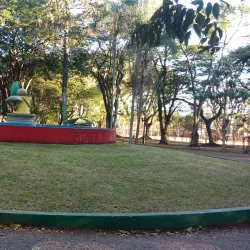
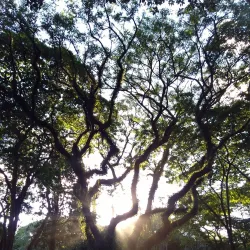
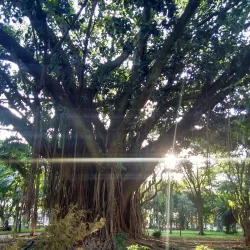
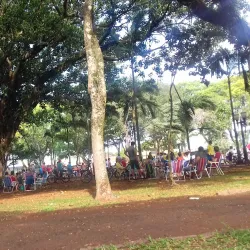
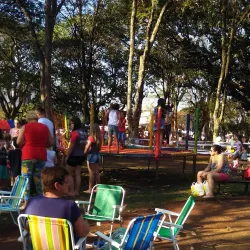
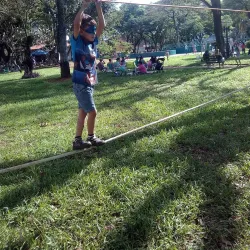
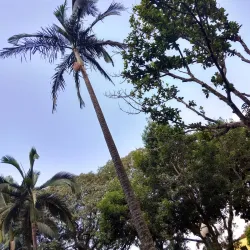
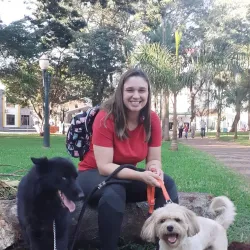
A central square in the city, Praça Willy Barth is a vibrant public space where locals and visitors gather. It features gardens, benches, and often hosts cultural events and markets. The square is ideal for leisurely walks and experiencing the local community atmosphere.
Parque das Palmeiras
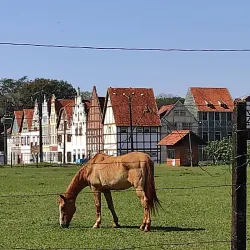
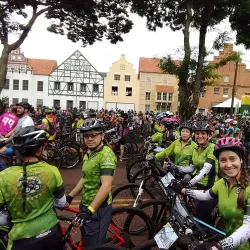

Parque das Palmeiras is another green space offering recreational facilities such as playgrounds, walking paths, and sports areas. It is a favored spot for outdoor activities and family outings, providing a peaceful environment within the urban setting.
Centro Cultural de Marechal Cândido Rondon
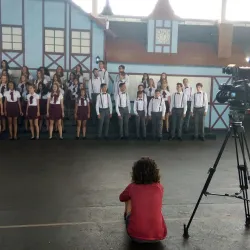
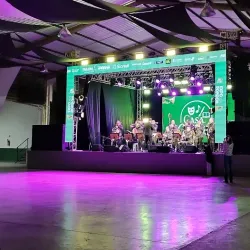
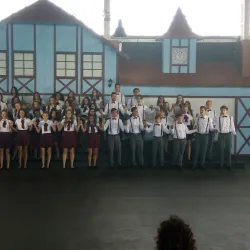
The Cultural Center hosts various art exhibitions, performances, and workshops. It plays a key role in promoting local artists and cultural heritage, making it a hub for creative expression and community engagement.
Estação Ferroviária de Marechal Cândido Rondon

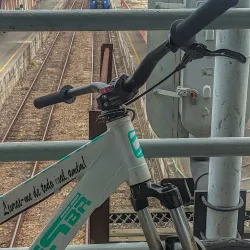
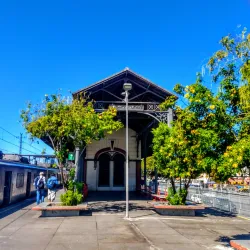
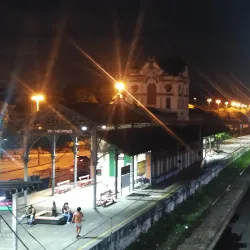
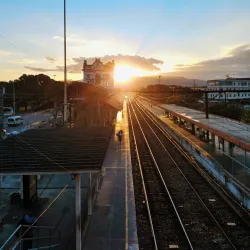
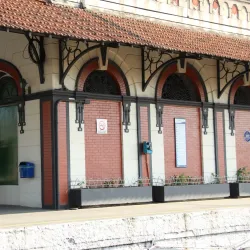
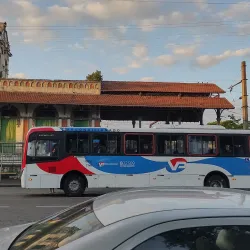
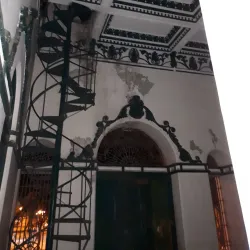
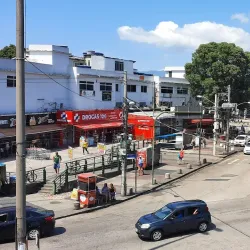
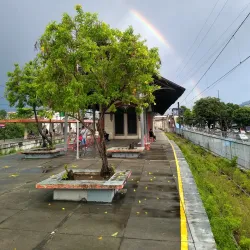
The old railway station is a historical site that reflects the importance of rail transport in the city's development. Though no longer in operation, the station building is preserved as a cultural landmark and occasionally hosts events and exhibitions.
Parque de Exposições
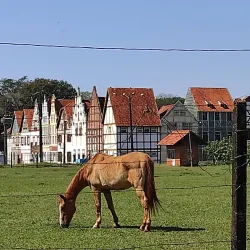
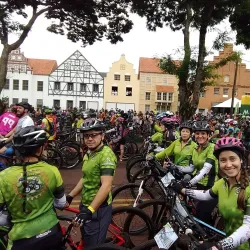
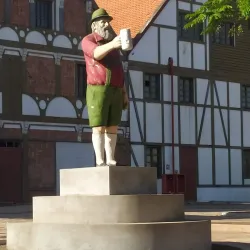
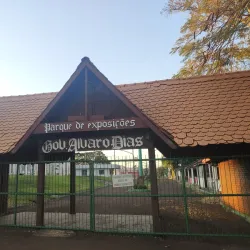
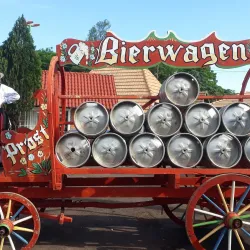
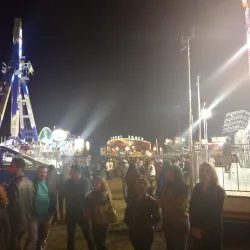

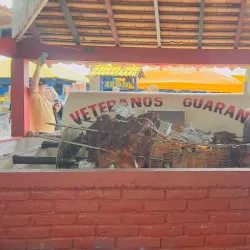
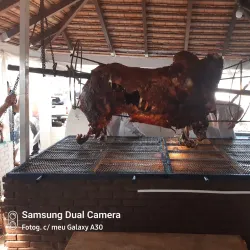
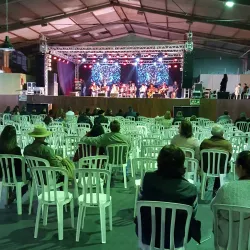
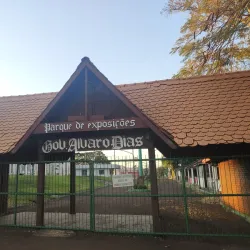
This exhibition park is used for agricultural fairs, cultural festivals, and other large-scale events. It highlights the region's agricultural roots and provides a venue for community celebrations and trade shows.
Igreja Evangélica de Confissão Luterana no Brasil

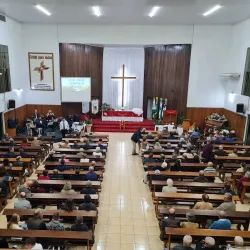
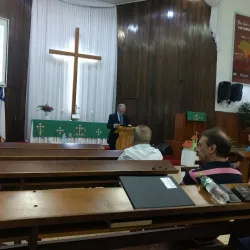

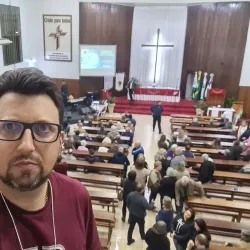

This Lutheran church is notable for its architecture and role in the religious life of the local community. It often hosts cultural and religious events that reflect the traditions of the area's German-Brazilian population.
Parque Ambiental
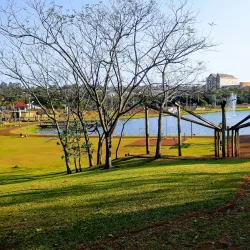
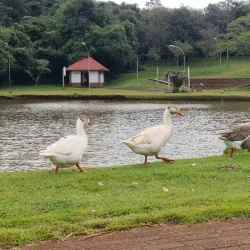
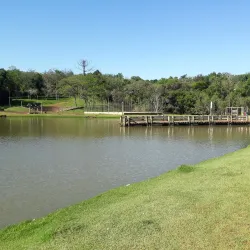
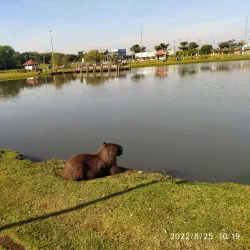
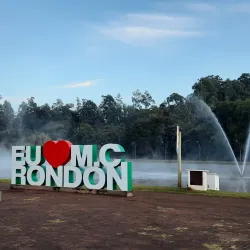
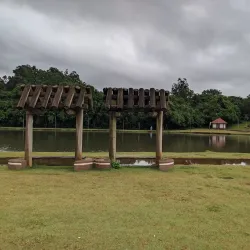

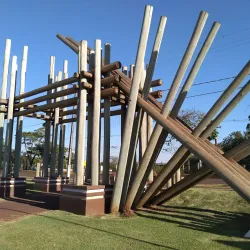
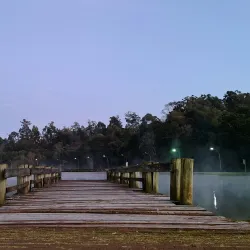

A natural park area dedicated to environmental preservation and education. It offers trails and informational displays about local ecosystems, making it a great destination for eco-tourism and outdoor learning.