
Quality of life in Mauá (Maua)
Cost of Living, Healthcare, Safety, Education, and More
About Mauá (Maua)
Mauá, located in the state of São Paulo, Brazil, is a vibrant city known for its rich cultural heritage and dynamic industrial sector. As part of the Greater São Paulo area, Mauá benefits from its proximity to one of the largest metropolitan regions in the world, offering a unique blend of urban convenience and local charm.The city is characterized by its diverse population, which contributes to a lively cultural scene. Mauá is also an important industrial hub, with a strong presence in the chemical and petrochemical industries. This industrial strength is complemented by a growing service sector, making it a key player in the regional economy.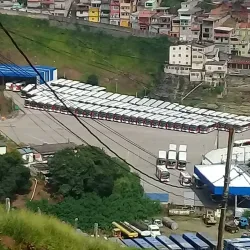


History and Culture
Mauá's history dates back to the early 20th century when it began as a small settlement. The city experienced significant growth with the expansion of the railway system, which facilitated the movement of goods and people, contributing to its development as an industrial center.
Culturally, Mauá is a melting pot of influences, with a rich tapestry of traditions brought by immigrants from various parts of Brazil and the world. This diversity is reflected in the city's festivals, culinary offerings, and artistic expressions.
Notable cultural institutions in Mauá include the Mauá Cultural Center, which hosts a variety of events and exhibitions throughout the year. The city also celebrates several local festivals that highlight its cultural diversity, such as the Festa Italiana and the Festival de Inverno, which attract visitors from across the region.
Things to do in Mauá (Maua)
Visitors to Mauá can explore a range of activities and attractions. The Parque Ecológico Gruta Santa Luzia offers a serene escape with its lush greenery and walking trails, perfect for nature enthusiasts.
For those interested in cultural experiences, the Mauá Cultural Center provides a venue for art exhibitions, theater performances, and music concerts. The city's vibrant street markets are also a must-visit, offering a taste of local life and cuisine.
Mauá's culinary scene is diverse, with numerous restaurants serving traditional Brazilian dishes as well as international cuisine. The city's nightlife is lively, with various bars and clubs offering entertainment late into the night.
Quality of Life Rankings

Weather in Mauá (Maua)
Mauá, Brazil experiences a humid subtropical climate characterized by warm, humid summers and mild, wet winters. The city receives an average annual precipitation of approximately 55 inches (1400 mm), with January being the wettest month, averaging around 9 inches (230 mm) of rainfall.
Seasonal Breakdown
- Spring (September to November)Temperatures gradually rise from an average high of 75°F (24°C) in September to 80°F (27°C) in November. Rainfall begins to increase during this period, with November receiving significant precipitation, averaging around 6 inches (150 mm).
- Summer (December to February)The hottest months, with average highs ranging from 82°F (28°C) in December to 85°F (29°C) in February. Rainfall is at its peak during the summer, especially in January, averaging around 9 inches (230 mm) per month.
- Autumn (March to May)Temperatures gradually decrease from an average high of 82°F (28°C) in March to 75°F (24°C) in May. Rainfall remains moderate, averaging around 5 inches (130 mm) per month.
- Winter (June to August)The coldest period, with average highs ranging from 70°F (21°C) in June to 72°F (22°C) in August. Rainfall is lower compared to other seasons, averaging about 3 inches (75 mm) in July.
Notable Weather Events
- Heavy rainfall and occasional flooding during the summer months, particularly in January.
- Mild cold fronts during winter, leading to cooler temperatures but rarely extreme cold.
Mauá (Maua)'s Political Climate
Mauá, located in Brazil, is a city with a dynamic political climate that reflects the broader trends seen across the country. Governed by a mayor-council system, the city has a history of political activism and engagement, often mirroring the political shifts at the national level. The city's leadership has traditionally leaned towards progressive policies, focusing on social welfare, economic development, and infrastructure improvements.
Historically, Mauá has been a hub for industrial activity, which has significantly influenced its political landscape. The city's political history is marked by efforts to balance industrial growth with environmental sustainability. Current political leadership is focused on addressing urban challenges such as housing, transportation, and public safety, while also promoting economic opportunities for its residents.
Mauá has been at the forefront of implementing progressive policies, particularly in areas like education and healthcare. The city has made strides in improving public services and has been recognized for its efforts in promoting social justice and equality. These initiatives are part of a broader strategy to enhance the quality of life for all residents and to ensure sustainable urban development.
The political climate in Mauá is also shaped by its active civil society, with numerous local movements advocating for various causes, from environmental protection to social equity. This civic engagement plays a crucial role in shaping the city's policy directions and ensuring that the voices of its residents are heard in the political process.
Political Quick Facts
- Voter Turnout68%
- City GovernanceMayor-Council System
- CompositionMajority Progressive with minority representation from conservative parties
- Recent Political ChangesRecent initiatives to improve public transportation and housing policies
- EngagementHigh civic activism with active participation in local governance
- Political ScorecardRated high for transparency and governance
- Legislative PrioritiesUrban infrastructure development Social welfare programs Environmental sustainability
- Public OpinionGenerally progressive with strong support for social justice and environmental policies
Notable Political Figures
- João SilvaCurrent mayor known for his focus on urban development and social programs.
- Maria OliveiraCity council member and advocate for environmental sustainability.
- Carlos MendesLocal activist and leader in community engagement initiatives.