Things to do in Natal
Natal, the capital city of Rio Grande do Norte in Brazil, is renowned for its stunning beaches, rich history, and vibrant culture. Known as the 'City of the Sun,' Natal offers visitors a warm climate year-round, making it a perfect destination for beach lovers and outdoor enthusiasts.The city features a mix of modern urban areas and charming neighborhoods, with attractions ranging from historic forts to natural parks and lively markets. Natal's coastal location provides spectacular views and opportunities for water sports, while its cultural sites offer insights into the region's heritage.Ponta Negra Beach
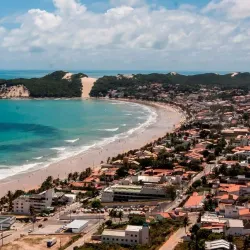
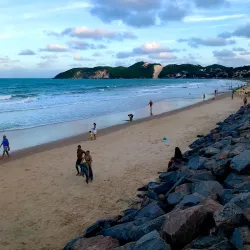
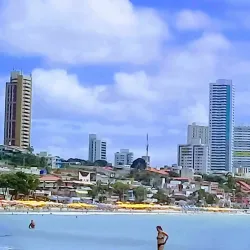
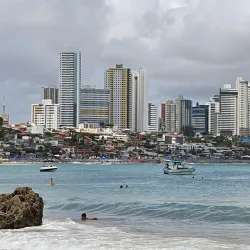

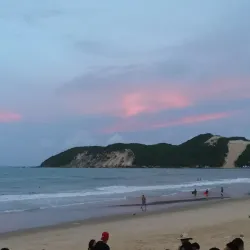
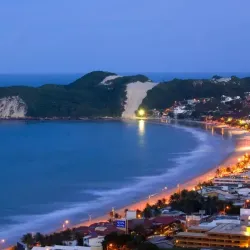
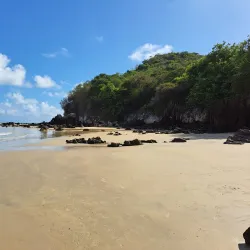
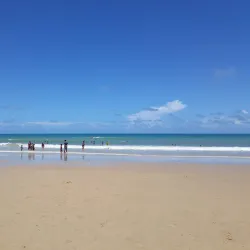
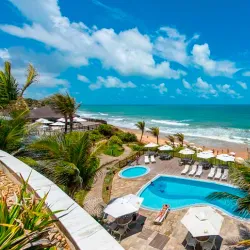
Ponta Negra Beach is the most famous beach in Natal, known for its golden sands, clear waters, and the iconic Morro do Careca dune at its southern end. It is a popular spot for swimming, sunbathing, and enjoying local seafood at beachfront kiosks.
The beach is also a hub for nightlife and tourism, with numerous bars, restaurants, and hotels lining the shore, making it a vibrant area both day and night.
Forte dos Reis Magos
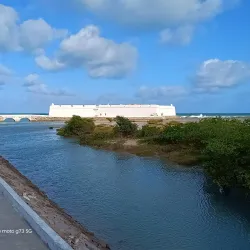
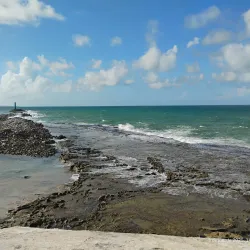
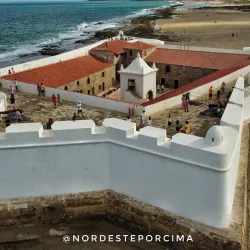
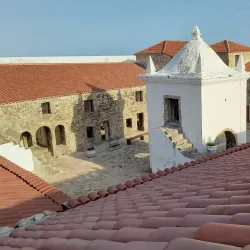
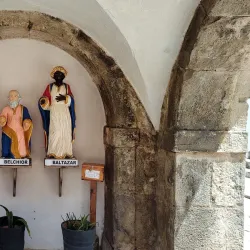
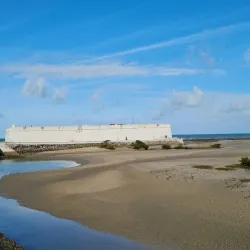
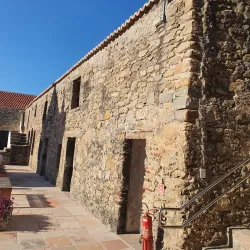
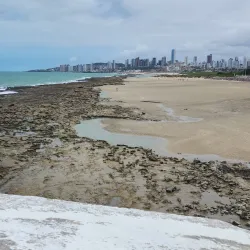
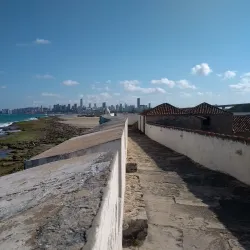
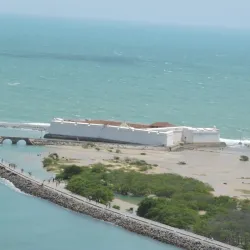
This historic fort, built in the late 16th century, is one of Natal's most important landmarks. It was constructed by the Portuguese to protect the coast from invasions and to secure the region during the colonial period.
Visitors can explore the well-preserved fortress, learn about its military history, and enjoy panoramic views of the Atlantic Ocean and the Potengi River.
Genipabu Dunes and Lagoons
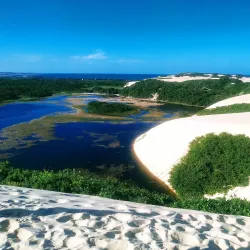
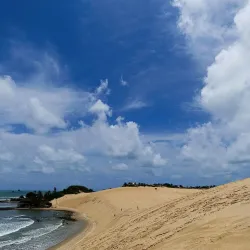
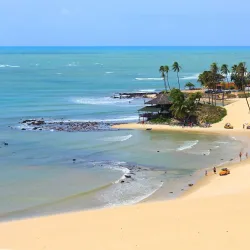
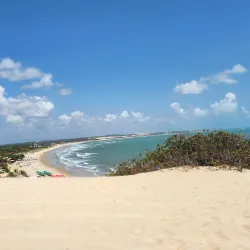
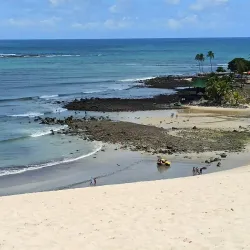
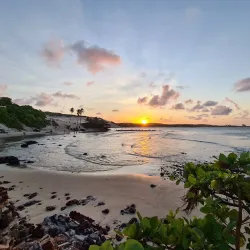
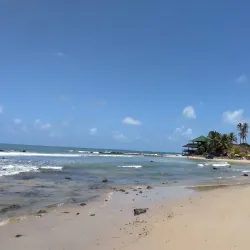
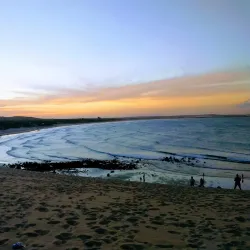
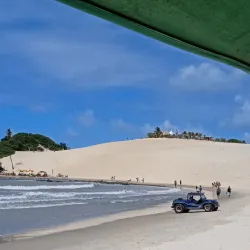
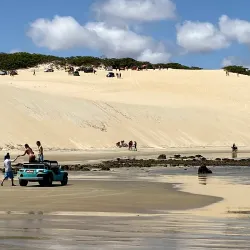
Located just north of Natal, the Genipabu Dunes are famous for their striking sand dunes and freshwater lagoons. The area offers exciting activities such as dune buggy rides, sandboarding, and boat tours on the lagoons.
This natural attraction is a must-visit for adventure seekers and nature lovers looking to experience the unique landscape of northeastern Brazil.
Parque das Dunas
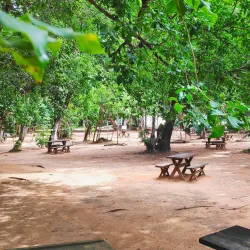
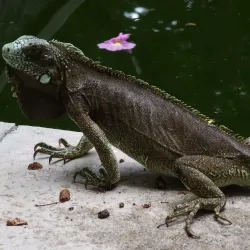
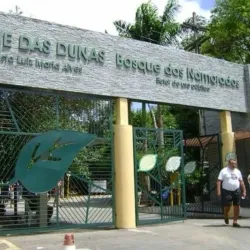
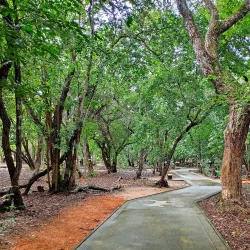
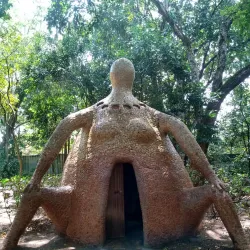
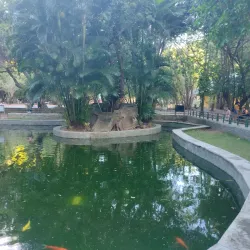
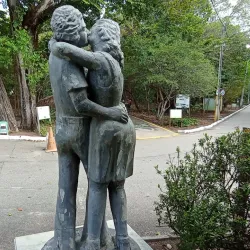
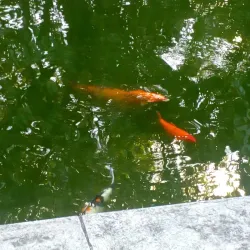
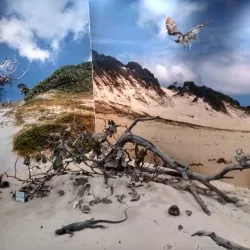
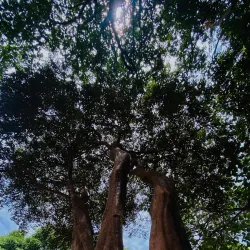
Parque das Dunas is a large urban park and nature reserve in Natal, dedicated to preserving the native dune ecosystem. It features walking trails, diverse flora and fauna, and educational exhibits about the environment.
The park provides a peaceful retreat within the city and is ideal for hiking, birdwatching, and learning about the region's natural heritage.
Natal Historic Center
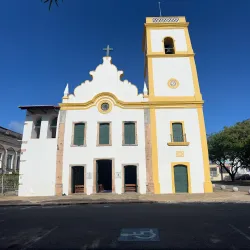
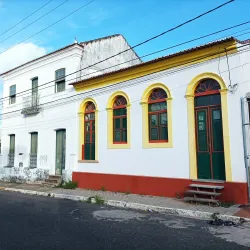
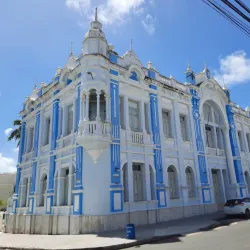


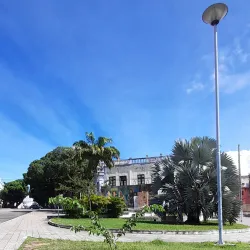

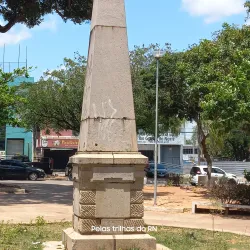
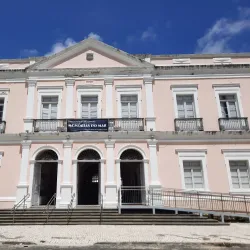
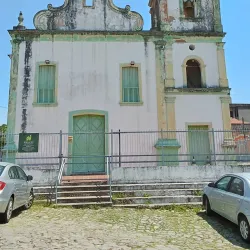
The historic center of Natal includes colonial-era buildings, churches, and public squares that reflect the city's past. Key sites include the Catedral Metropolitana and the Palácio Potengi.
Walking tours of the area offer insights into Natal's development and cultural history, with opportunities to visit museums and local shops.
Cajueiro de Pirangi
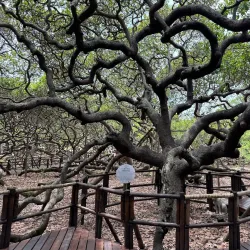
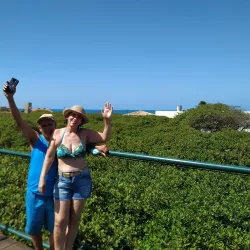
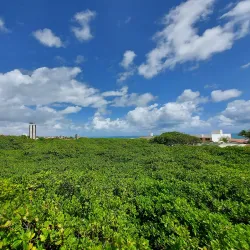
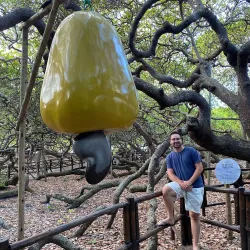
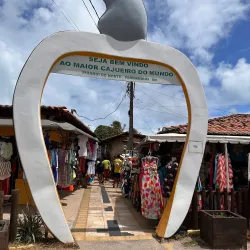
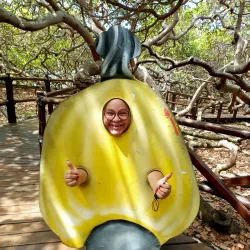
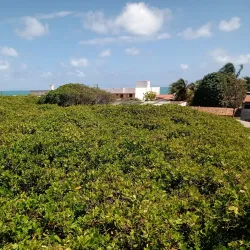
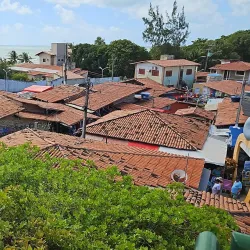
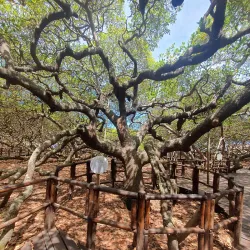
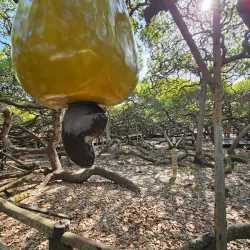
Known as the world's largest cashew tree, the Cajueiro de Pirangi covers an area of about 8,500 square meters. It is located in the nearby town of Pirangi do Norte, just south of Natal.
The tree is a popular tourist attraction due to its immense size and unique growth pattern, and the site includes a small museum and craft market.
Barreira do Inferno Launch Center
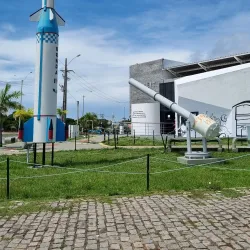
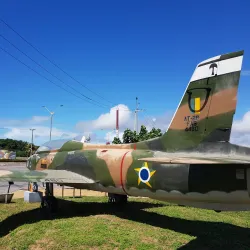
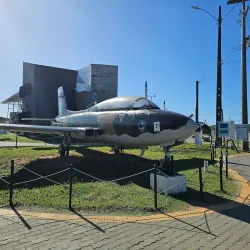
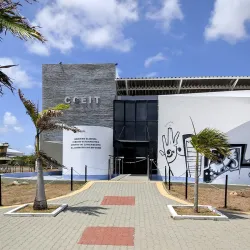
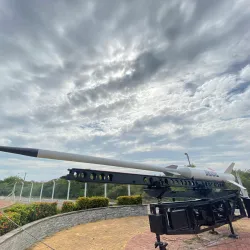
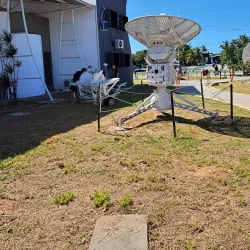
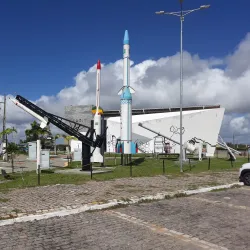
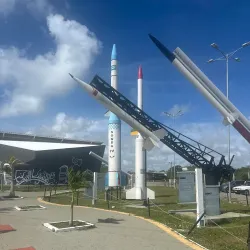
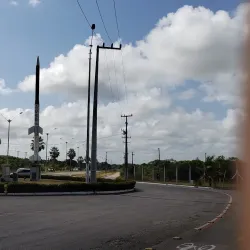
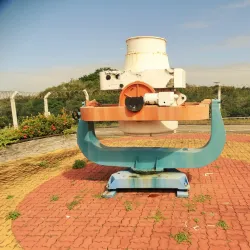
This space launch center is one of Brazil's primary rocket launch sites. While public access is limited, the center occasionally offers guided tours and educational visits.
It represents an important aspect of Brazil's aerospace industry and scientific research efforts.
Praia do Meio
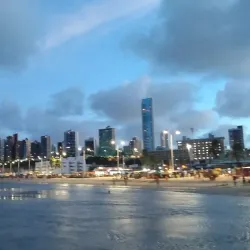
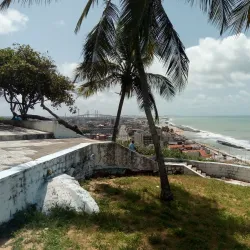
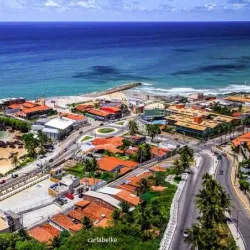
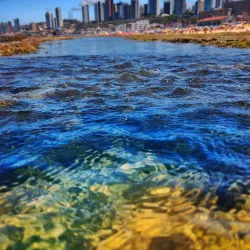

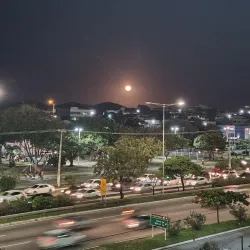
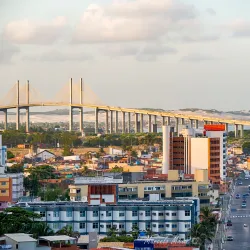
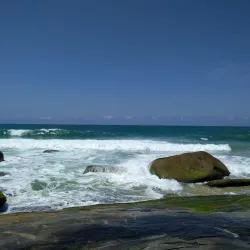
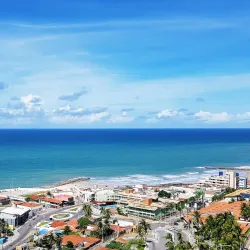
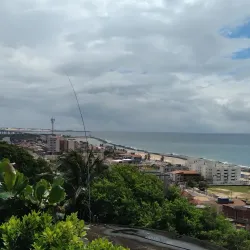
Praia do Meio is a central beach in Natal, known for its calm waters and proximity to the city center. It is a favorite spot for locals and tourists alike for swimming and relaxing.
The beach is also close to several restaurants and bars, making it a convenient place to enjoy the coastal atmosphere.
Parque da Cidade Dom Nivaldo Monte
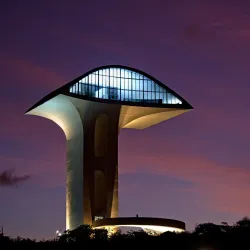
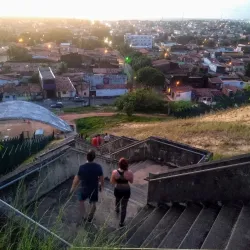
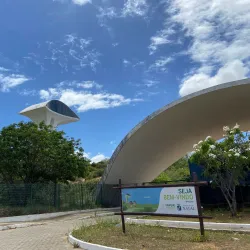
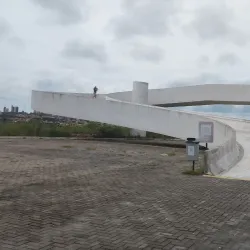
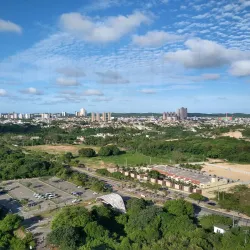
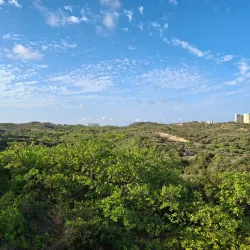

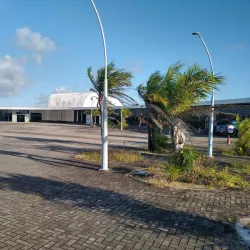

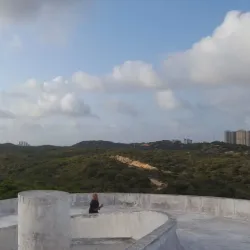
This large urban park offers recreational facilities, walking trails, and green spaces for families and visitors. It is one of the biggest parks in Natal and provides a natural escape within the city.
The park is ideal for picnics, jogging, and outdoor activities, contributing to the city's quality of life.
Museum of Popular Culture
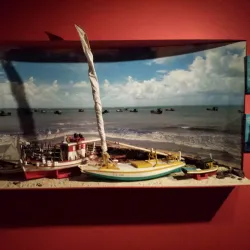
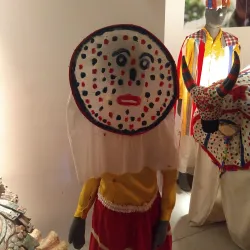
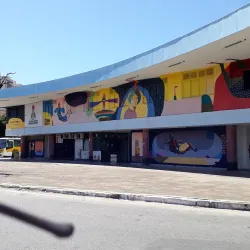
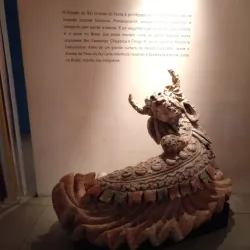
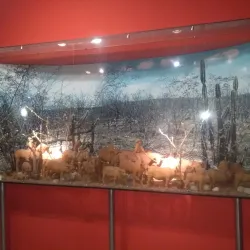
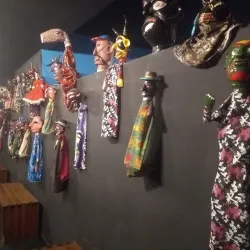
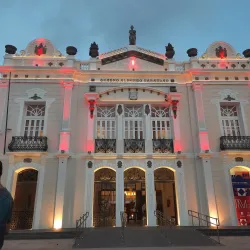
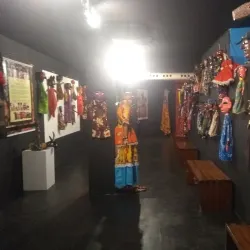
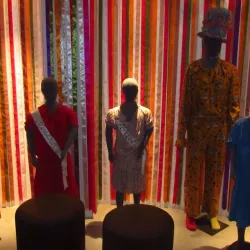
This museum showcases the traditional arts, crafts, and cultural expressions of Rio Grande do Norte. Exhibits include folk art, musical instruments, and regional costumes.
It is an excellent place to learn about the cultural heritage and artistic traditions of Natal and its surrounding areas.