Things to do in Olinda
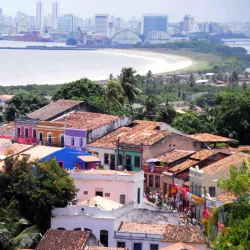
Olinda, a historic city located in the state of Pernambuco, Brazil, is renowned for its well-preserved colonial architecture, vibrant cultural scene, and stunning views of the Atlantic Ocean. Founded in the 16th century, Olinda offers visitors a unique glimpse into Brazil's colonial past alongside lively festivals and artistic expression.The city's charming neighborhoods are characterized by colorful houses, cobblestone streets, and numerous churches, making it a popular destination for tourists interested in history, art, and culture.Historic Center of Olinda
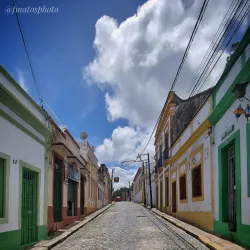
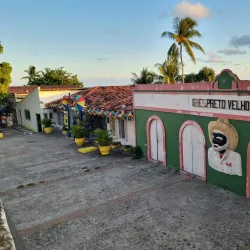
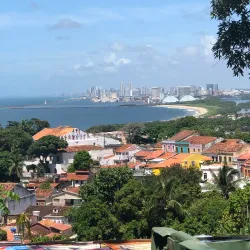
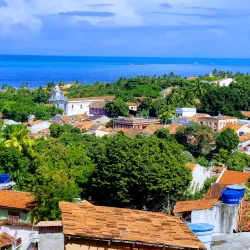
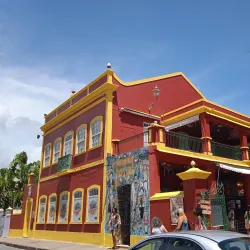
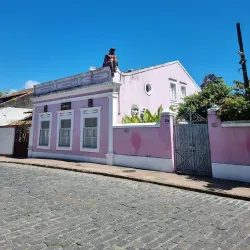
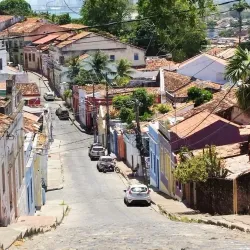
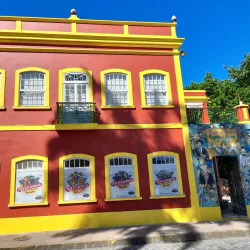
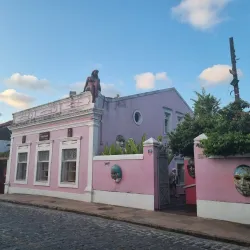
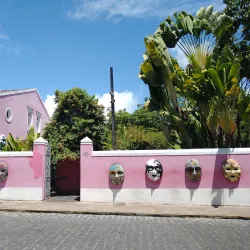
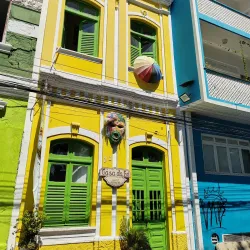
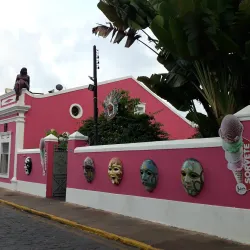
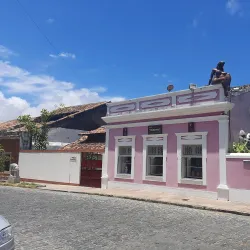
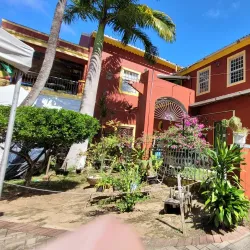
The Historic Center of Olinda is a UNESCO World Heritage Site known for its colonial-era architecture, colorful houses, and cobblestone streets. It is home to many historic churches, museums, and cultural landmarks that reflect the city's rich history and heritage.
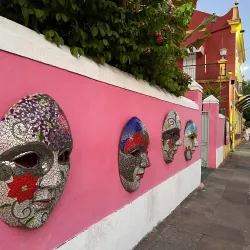
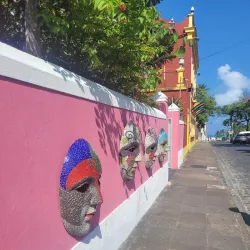
Visitors can enjoy walking tours that showcase the city's baroque churches, vibrant street art, and panoramic views of the coastline.
Church of São Bento
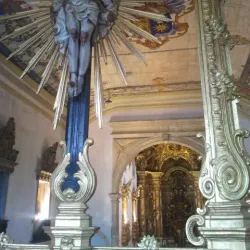
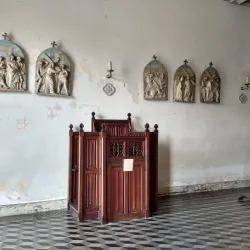
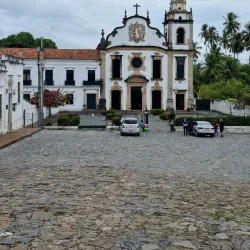
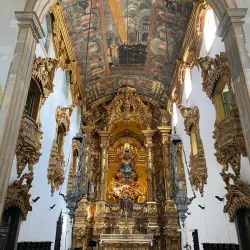
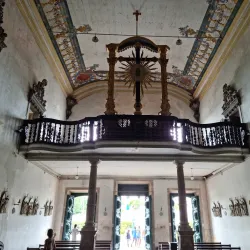
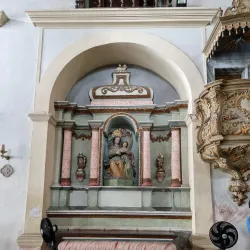
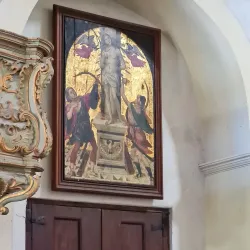
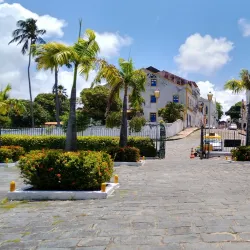
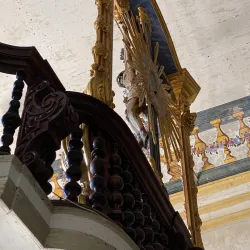
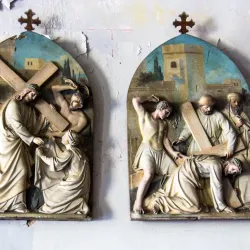
This 17th-century baroque church is one of Olinda's most iconic religious sites. It features intricate woodwork, beautiful altarpieces, and impressive colonial architecture.
The church is a key part of the city's religious and cultural history and offers visitors a serene atmosphere and stunning views of the surrounding area.
Alto da Sé
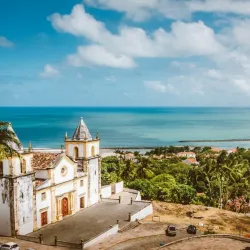
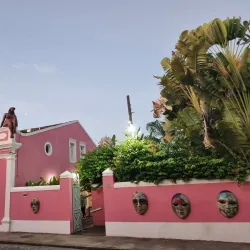
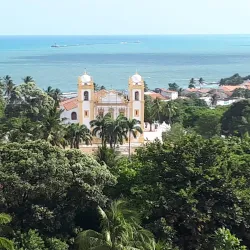
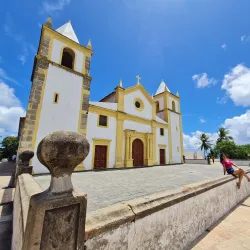
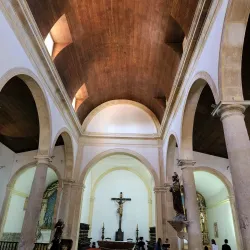
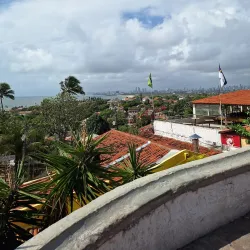
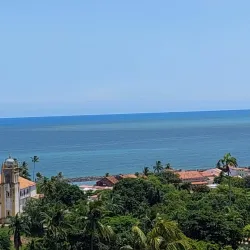
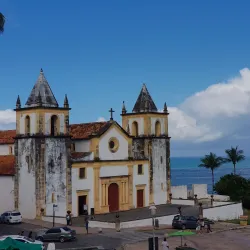
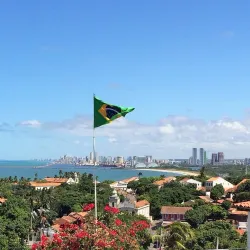
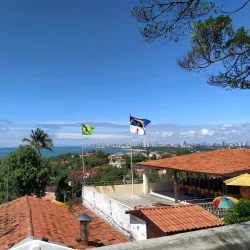
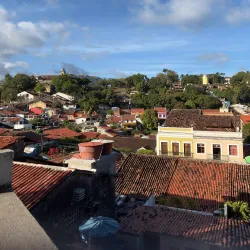
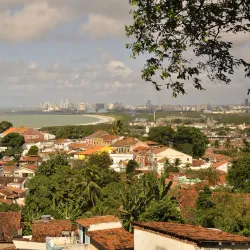
Alto da Sé is a historic hilltop area in Olinda that offers breathtaking views of the city and the Atlantic Ocean. It is home to the Sé Cathedral and several other important colonial buildings.
This spot is popular for its scenic vistas, cultural events, and as a gathering place during Olinda's famous Carnival celebrations.
Olinda Carnival
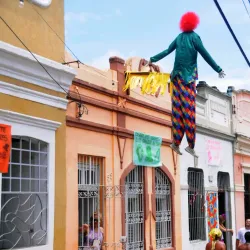
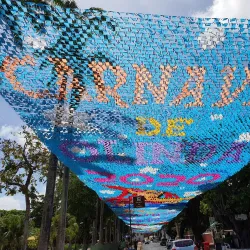
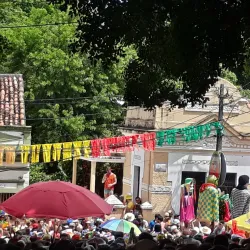
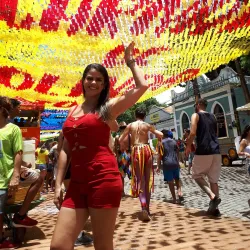
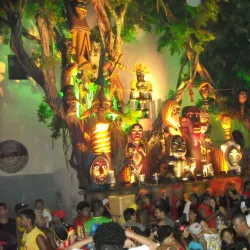
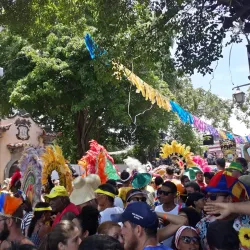

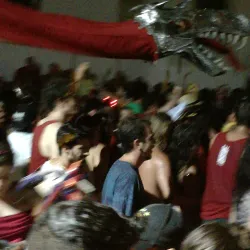
Olinda Carnival is one of the most famous and traditional Carnival celebrations in Brazil, known for its giant puppets, street parades, and vibrant music.
The event showcases the city's Afro-Brazilian culture and attracts thousands of visitors each year who come to experience the lively atmosphere and colorful festivities.
Museu de Arte Contemporânea de Pernambuco (MAC)
The Museum of Contemporary Art of Pernambuco (MAC) is located in a historic former monastery and features a diverse collection of contemporary Brazilian art.
The museum hosts exhibitions, cultural events, and educational programs, making it a key cultural institution in Olinda.
Convento de São Francisco
This historic convent dates back to the 16th century and is known for its beautiful colonial architecture and religious art.
Visitors can explore the peaceful cloisters, chapels, and gardens, gaining insight into the religious history of Olinda.
Casa dos Bonecos Gigantes
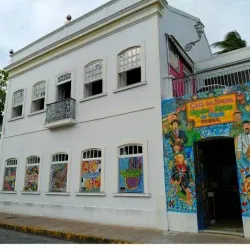

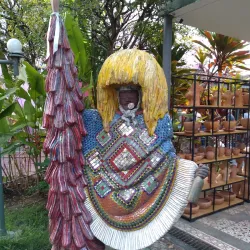
The House of the Giant Puppets is a cultural attraction dedicated to the giant puppets used in Olinda's Carnival parades.
Visitors can see the colorful puppets up close and learn about their significance in local traditions and festivities.
Praça do Carmo
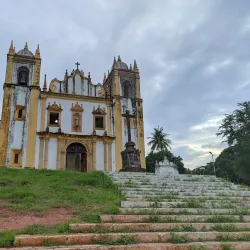
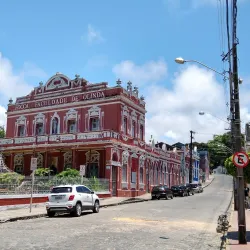
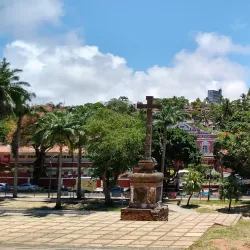

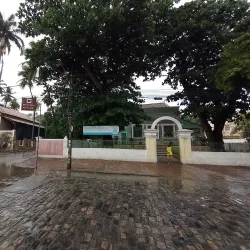
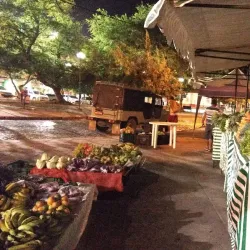

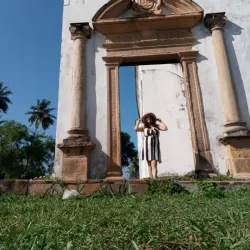

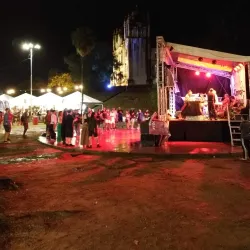
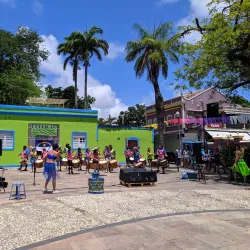
Praça do Carmo is a lively square in Olinda surrounded by historic buildings, cafes, and shops.
It is a popular spot for socializing, enjoying local cuisine, and experiencing the city's vibrant street life.
Mercado da Ribeira
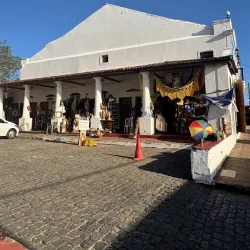
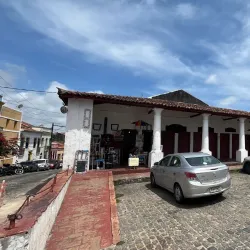
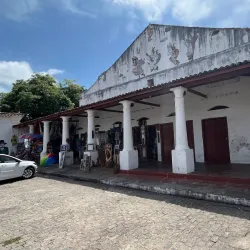
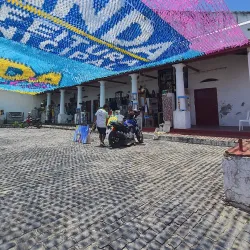
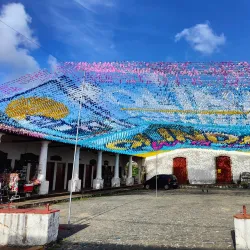
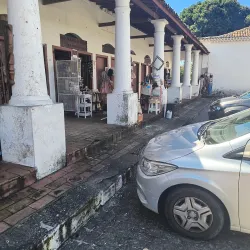
The Mercado da Ribeira is a traditional market where visitors can find local crafts, food, and souvenirs.
It offers an authentic experience of Olinda's local culture and is a great place to sample regional delicacies.
Igreja da Sé
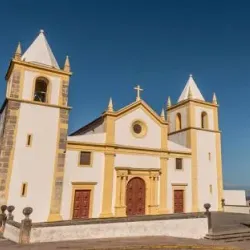
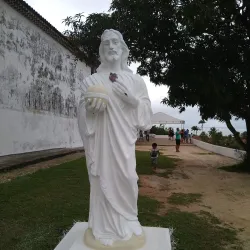
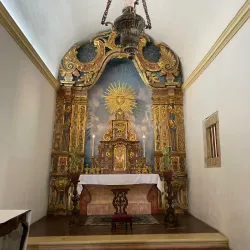
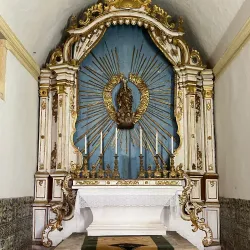
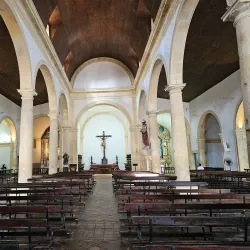
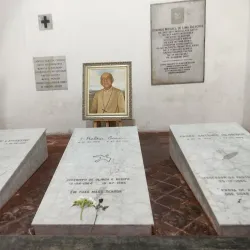
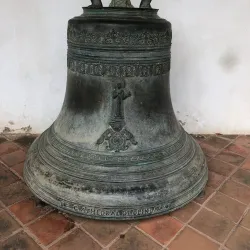
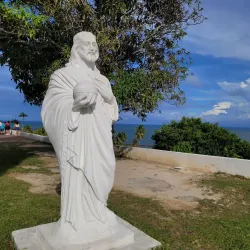
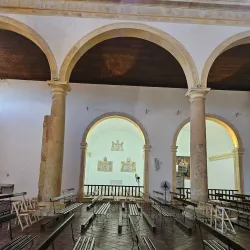
The Sé Church is one of the oldest churches in Olinda, featuring colonial architecture and religious art.
It is located near Alto da Sé and is a significant historical and religious landmark in the city.