Things to do in Pelotas
Pelotas, located in the southern Brazilian state of Rio Grande do Sul, is a city rich in history and culture. Known for its charming colonial architecture and vibrant cultural scene, Pelotas offers visitors a unique glimpse into Brazil's past and present.The city is famous for its traditional sweets and pastries, reflecting its Portuguese heritage. Pelotas also boasts beautiful parks, historic buildings, and museums that showcase its development from a 19th-century economic hub to a modern cultural center.Charqueada São João
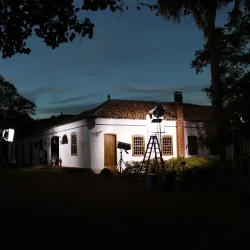
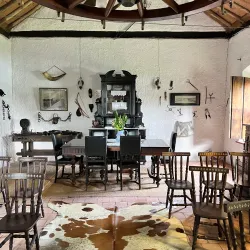
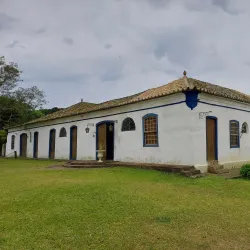
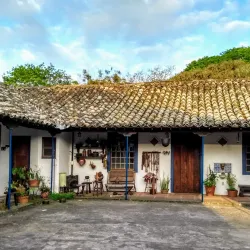
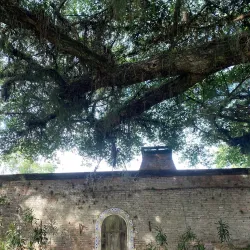
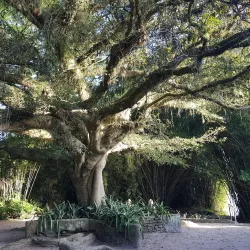

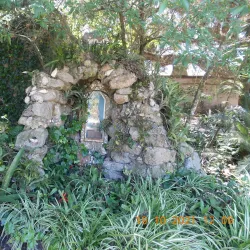
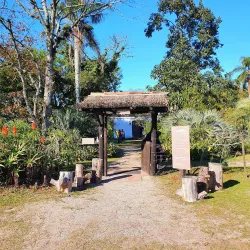

This historic site was once a meat processing plant central to Pelotas' economy during the 19th century. It offers insight into the region's agricultural and industrial past, with preserved buildings and exhibits that tell the story of charque (dried meat) production.
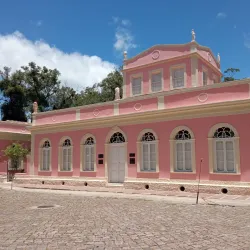
Museu da Baronesa
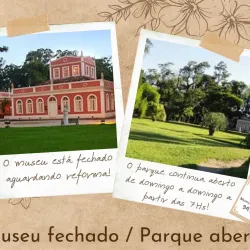
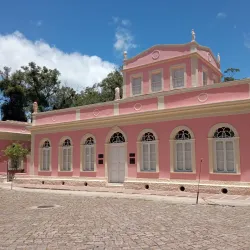
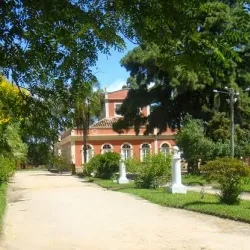
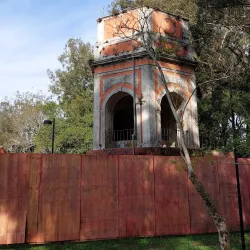
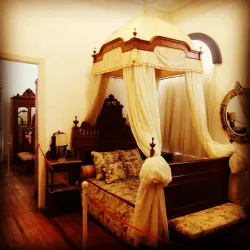

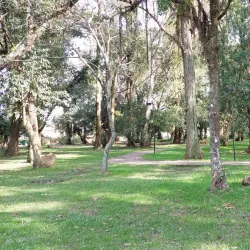
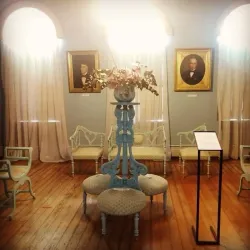
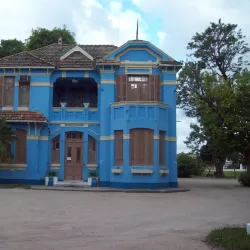
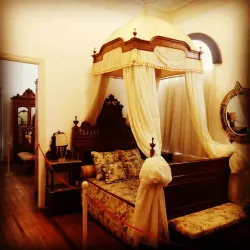
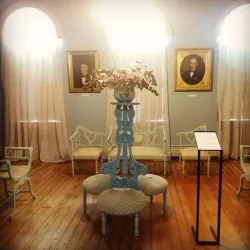
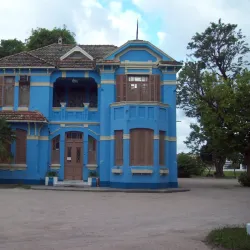
Housed in a beautiful mansion, this museum showcases the lifestyle of Pelotas' elite during the 19th century. It features period furniture, decorative arts, and exhibits on local history, providing a glimpse into the city's aristocratic past.
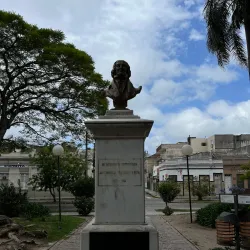
Praça Coronel Pedro Osório
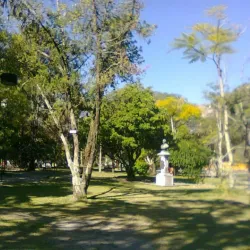
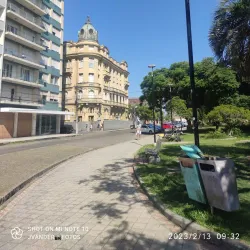
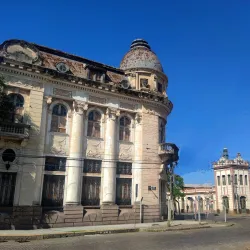
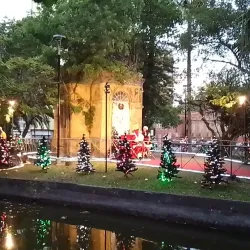
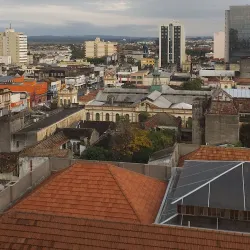
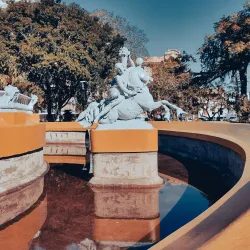
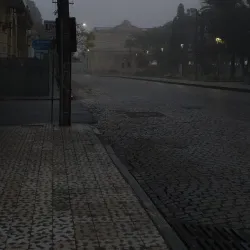
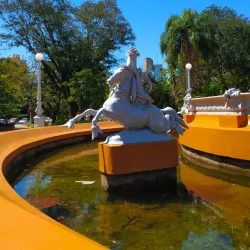
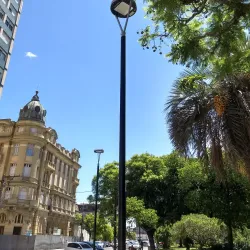
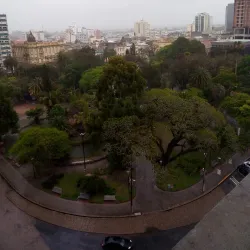
A central square in Pelotas, known for its lush gardens, historic monuments, and vibrant atmosphere. It is a popular gathering spot for locals and visitors alike, surrounded by important buildings and cafes.
Catedral São Francisco de Paula
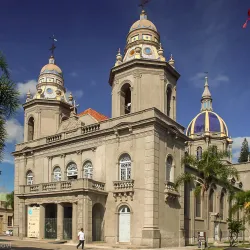
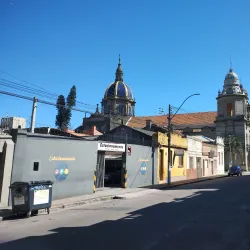
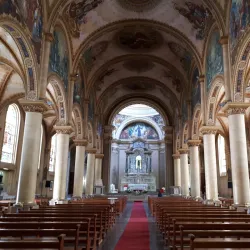
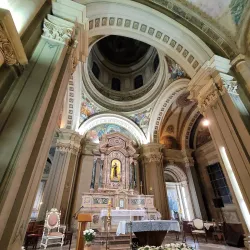
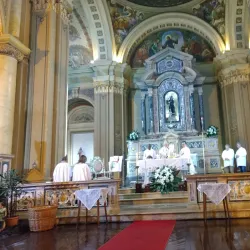
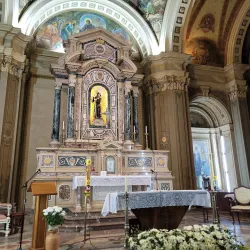
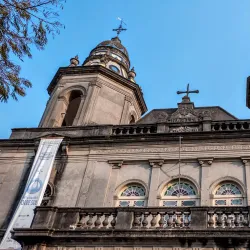
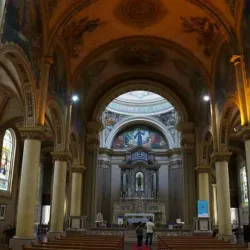
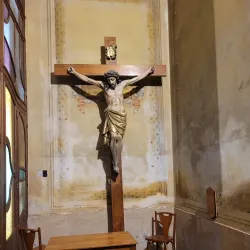
This impressive cathedral is a key religious and architectural landmark in Pelotas. Its neo-Gothic style and beautiful stained glass windows make it a must-visit for those interested in architecture and spirituality.
Parque da Baronesa
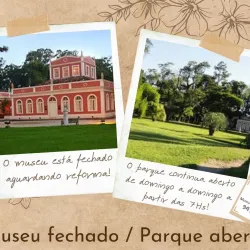
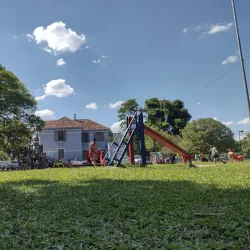
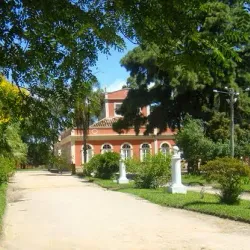
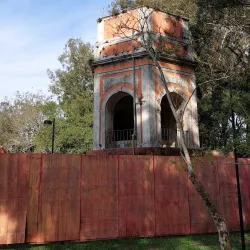

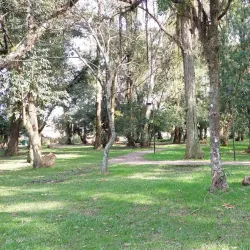
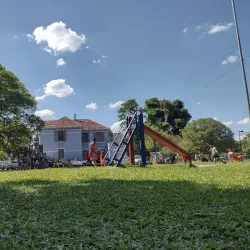
A large urban park offering green spaces, walking paths, and recreational facilities. It is ideal for relaxation and outdoor activities, providing a natural retreat within the city.
Mercado Central de Pelotas
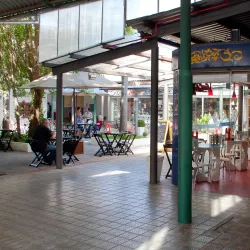
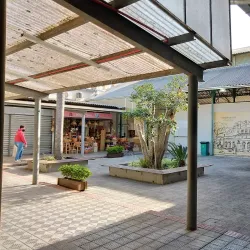
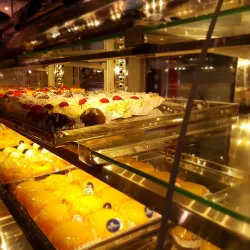
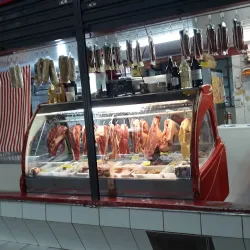
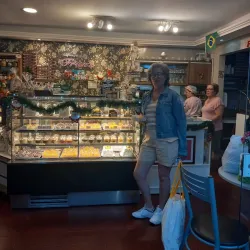
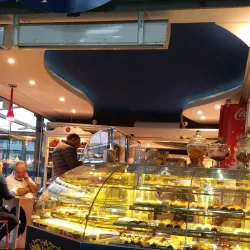
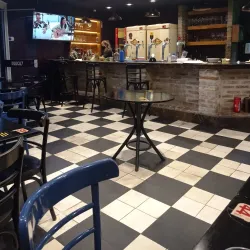
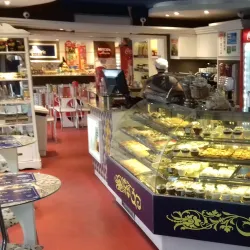
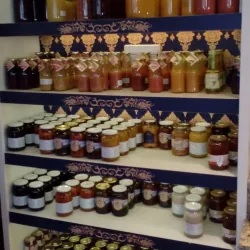
A bustling market where visitors can find local produce, crafts, and traditional foods. It is an excellent place to experience the local culture and taste regional specialties.
Teatro Sete de Abril
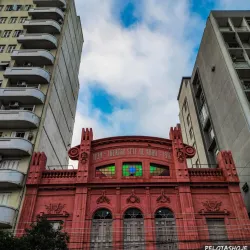
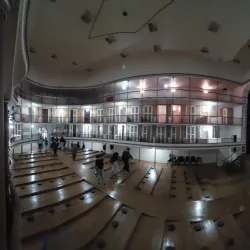
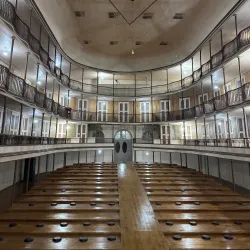
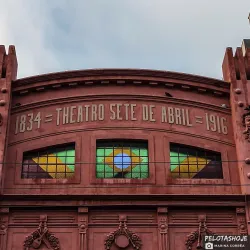
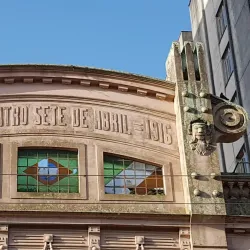
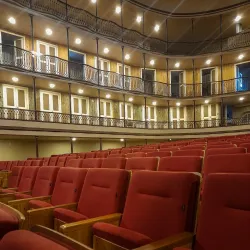
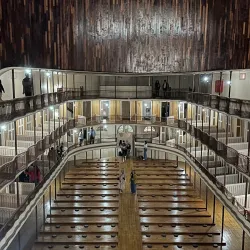
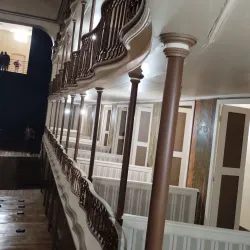
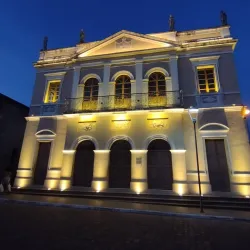
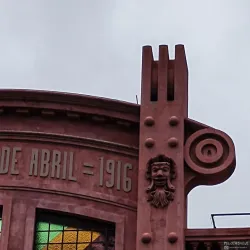
One of the oldest theaters in Brazil, this cultural venue hosts a variety of performances including plays, concerts, and dance shows. Its historic architecture and cultural significance make it a highlight of Pelotas' arts scene.
Museu da Música Brasileira
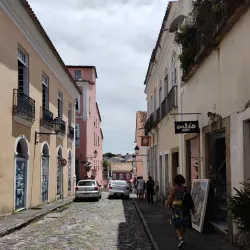
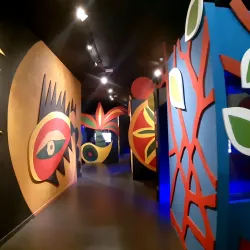
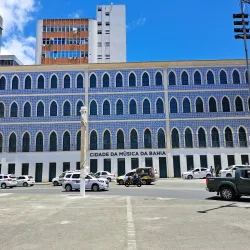
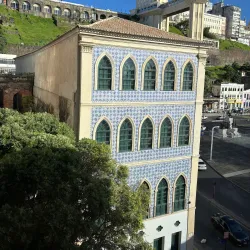
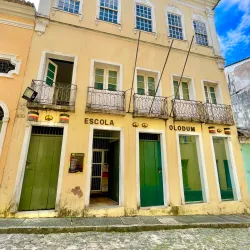

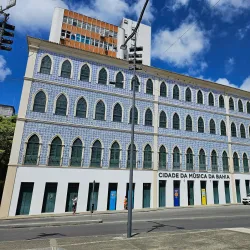
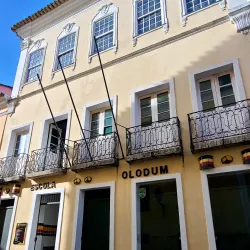


Dedicated to Brazilian music, this museum features exhibits on the history and diversity of musical styles in Brazil, with a focus on regional influences from Rio Grande do Sul.
Igreja Nossa Senhora do Rosário

A historic church known for its beautiful interior and religious significance. It reflects the deep-rooted Catholic traditions of the region.
Praia do Laranjal

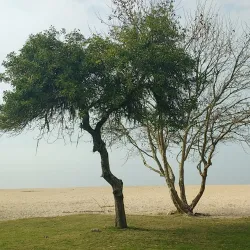
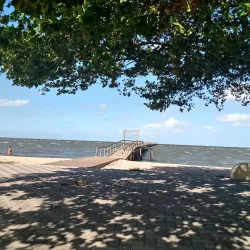

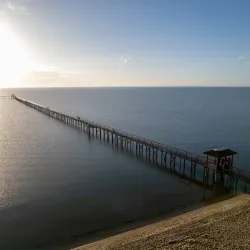
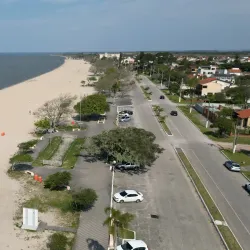

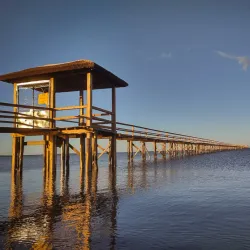
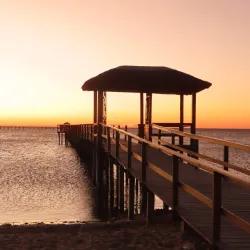

A nearby beach area popular for leisure and water activities. It offers a scenic escape from the city with opportunities for swimming, sunbathing, and enjoying the natural coastal environment.