
Quality of life in Presidente Prudente
Cost of Living, Healthcare, Safety, Education, and More
About Presidente Prudente
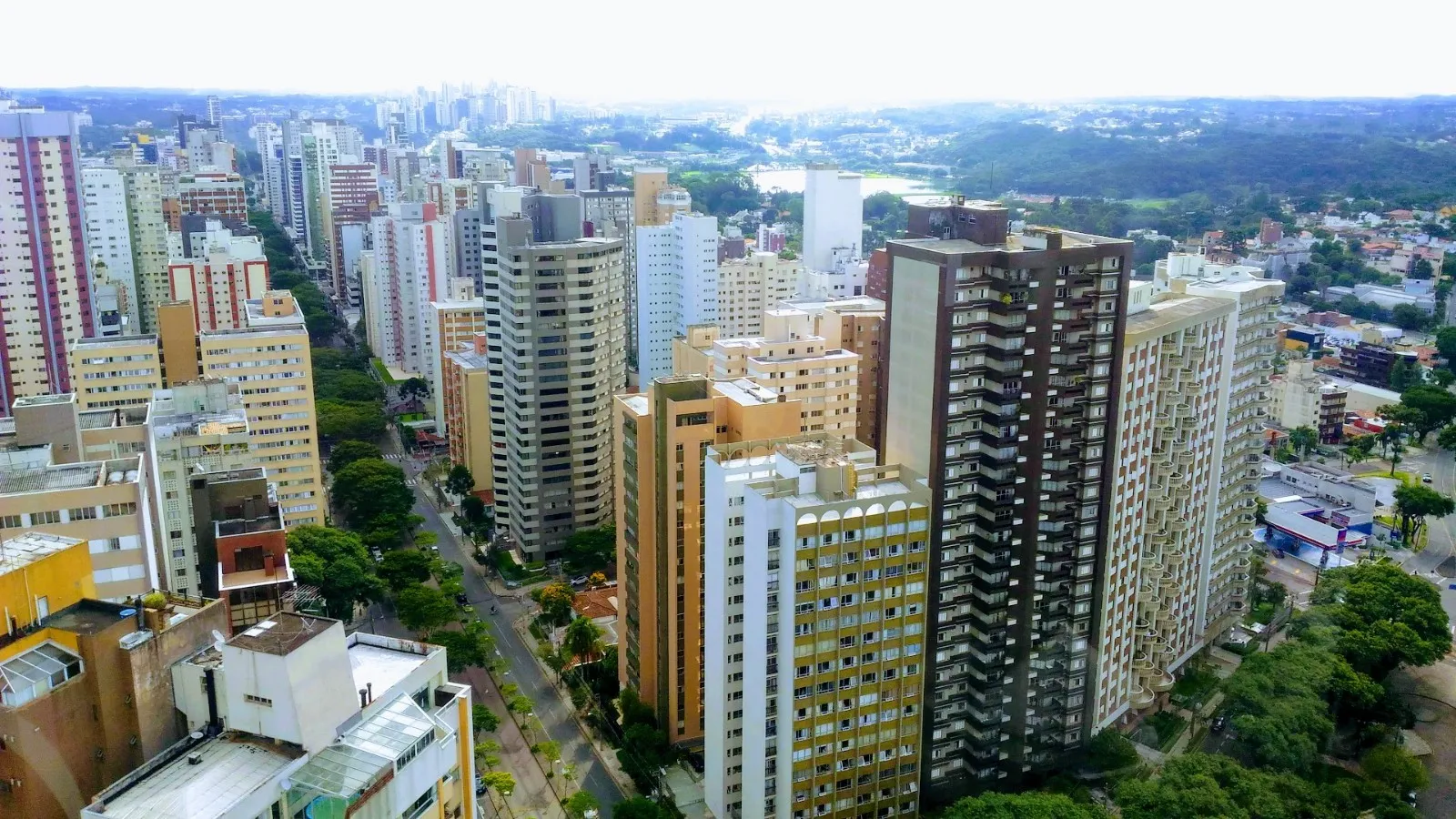
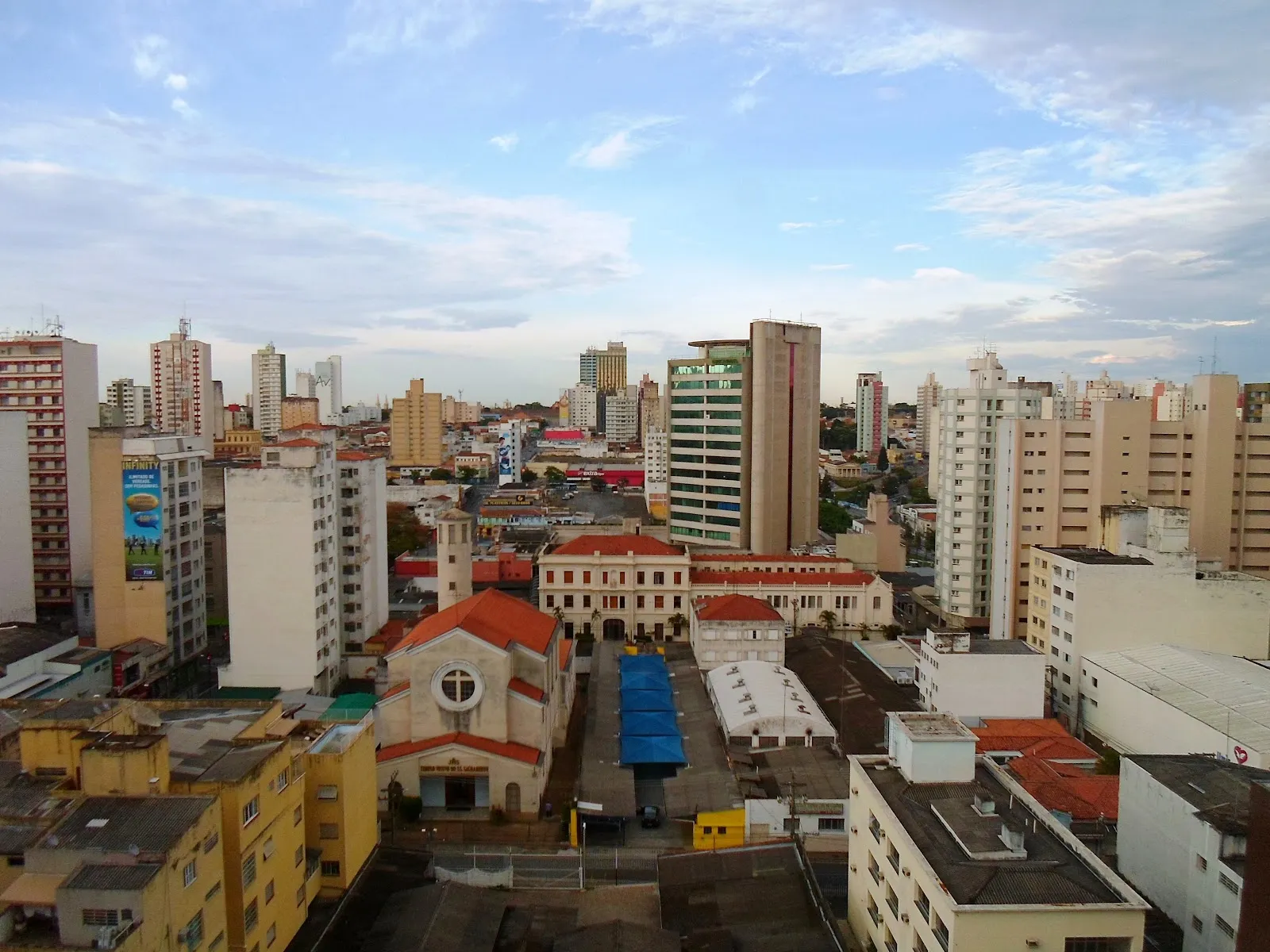
Presidente Prudente, located in the western part of São Paulo state, Brazil, is a city known for its vibrant cultural scene and dynamic economy. It serves as a regional hub for commerce, education, and healthcare, attracting people from surrounding areas. The city is characterized by its warm climate, friendly community, and a blend of urban and rural lifestyles.In recent years, Presidente Prudente has seen growth in sectors such as technology and education, with several universities and tech startups establishing a presence in the city. This has contributed to a youthful and innovative atmosphere, making it an attractive destination for young professionals and students.


History and Culture
Presidente Prudente was founded in 1917 and has since developed into a significant urban center in the region. The city's history is deeply intertwined with the agricultural expansion of the early 20th century, which laid the foundation for its economic growth. Over the decades, Presidente Prudente has evolved from a small settlement into a bustling city, while maintaining its cultural heritage.
Culturally, Presidente Prudente is a melting pot of influences, with a rich tapestry of traditions brought by immigrants from various parts of the world. This diversity is reflected in the city's festivals, culinary offerings, and artistic expressions. The city hosts numerous cultural events throughout the year, including music festivals, art exhibitions, and traditional celebrations that highlight its multicultural identity.
Notable cultural institutions in Presidente Prudente include the Municipal Theater and the Prudente Museum, which offer insights into the local history and artistic endeavors. The city's commitment to preserving its cultural heritage is evident in its support for local artists and cultural initiatives.
Things to do in Presidente Prudente
Visitors to Presidente Prudente can enjoy a variety of activities and attractions. The city is home to several parks and green spaces, such as Parque do Povo, which offers a perfect setting for outdoor activities and relaxation. The park is a popular spot for jogging, picnics, and family gatherings.
For those interested in cultural experiences, the Municipal Theater hosts a range of performances, from plays to concerts, showcasing local and national talent. Art enthusiasts can explore the Prudente Museum, which features exhibits on the city's history and cultural heritage.
Food lovers will appreciate the diverse culinary scene in Presidente Prudente, with numerous restaurants offering traditional Brazilian dishes as well as international cuisine. The city's vibrant nightlife includes bars and clubs where visitors can enjoy live music and dance.
Annual events such as the Expo Prudente, a major agricultural and industrial fair, provide a glimpse into the region's economic activities and cultural traditions. This event attracts visitors from all over Brazil, offering a unique opportunity to experience the local culture and community spirit.
Quality of Life Rankings

Weather in Presidente Prudente
Presidente Prudente, Brazil experiences a tropical savanna climate characterized by distinct wet and dry seasons. The city has warm temperatures throughout the year, with a noticeable increase in rainfall during the summer months. The average annual precipitation is approximately 55 inches (1400 mm), with January being the wettest month, averaging around 9 inches (230 mm) of rainfall.
Seasonal Breakdown
- Spring (September to November)Temperatures gradually rise from an average high of 82°F (28°C) in September to 86°F (30°C) in November. Rainfall begins to increase during this period, with November receiving significant precipitation, averaging around 6 inches (150 mm).
- Summer (December to February)The hottest months, with average highs ranging from 88°F (31°C) in December to 90°F (32°C) in February. This period also sees the most rainfall, with January being the wettest month, averaging around 9 inches (230 mm) of rainfall.
- Autumn (March to May)Temperatures remain warm, with average highs decreasing from 88°F (31°C) in March to 82°F (28°C) in May. Rainfall starts to decrease, with March still receiving around 6 inches (150 mm) of rain, tapering off by May.
- Winter (June to August)The coolest period, with average highs ranging from 77°F (25°C) in June to 79°F (26°C) in August. Rainfall is at its lowest, averaging about 2 inches (50 mm) per month.
Notable Weather Events
- Heavy rainfall and thunderstorms during the summer months, particularly in January.
- Occasional heatwaves during the summer, with temperatures exceeding 95°F (35°C).
- Dry spells during the winter months, with minimal rainfall.
Presidente Prudente's Political Climate
Presidente Prudente, located in the western part of São Paulo state in Brazil, is a city with a dynamic political climate that reflects both its historical roots and contemporary challenges. The city operates under a mayor-council government system, where the mayor is the chief executive, and the city council serves as the legislative body. Historically, Presidente Prudente has been a stronghold for centrist and right-leaning political parties, which have influenced its development policies and governance style.
In recent years, Presidente Prudente has focused on sustainability and urban development, implementing policies aimed at improving public transportation and reducing environmental impact. The city has also been active in social justice initiatives, particularly in expanding access to education and healthcare for its residents. These efforts are part of a broader trend in Brazilian cities to address inequality and promote inclusive growth.
The political climate in Presidente Prudente is also shaped by national trends, with local leaders often aligning with the broader political movements in Brazil. The city has seen a rise in civic engagement, with residents increasingly participating in local governance through community forums and public consultations. This engagement has been crucial in shaping the city's legislative priorities, which include economic development, infrastructure improvement, and social welfare programs.
Political Quick Facts
- Voter TurnoutApproximately 70%
- City GovernanceMayor-council government system
- CompositionMajority centrist with a significant right-leaning minority
- Recent Political ChangesIncreased focus on sustainability and social justice initiatives
- EngagementHigh, with active community participation in governance
- Political ScorecardModerate, with room for improvement in transparency and accountability
- Legislative PrioritiesEconomic development Infrastructure improvement Social welfare programs
- Public OpinionGenerally supportive of centrist policies with a growing interest in progressive reforms
Notable Political Figures
- Carlos SilvaCurrent mayor known for his focus on urban development and sustainability.
- Ana PereiraCity council member advocating for education and healthcare reforms.
- João SantosLocal activist and community leader promoting civic engagement.