
Quality of life in Sao Jose do Rio Preto SP
Cost of Living, Healthcare, Safety, Education, and More
About Sao Jose do Rio Preto SP
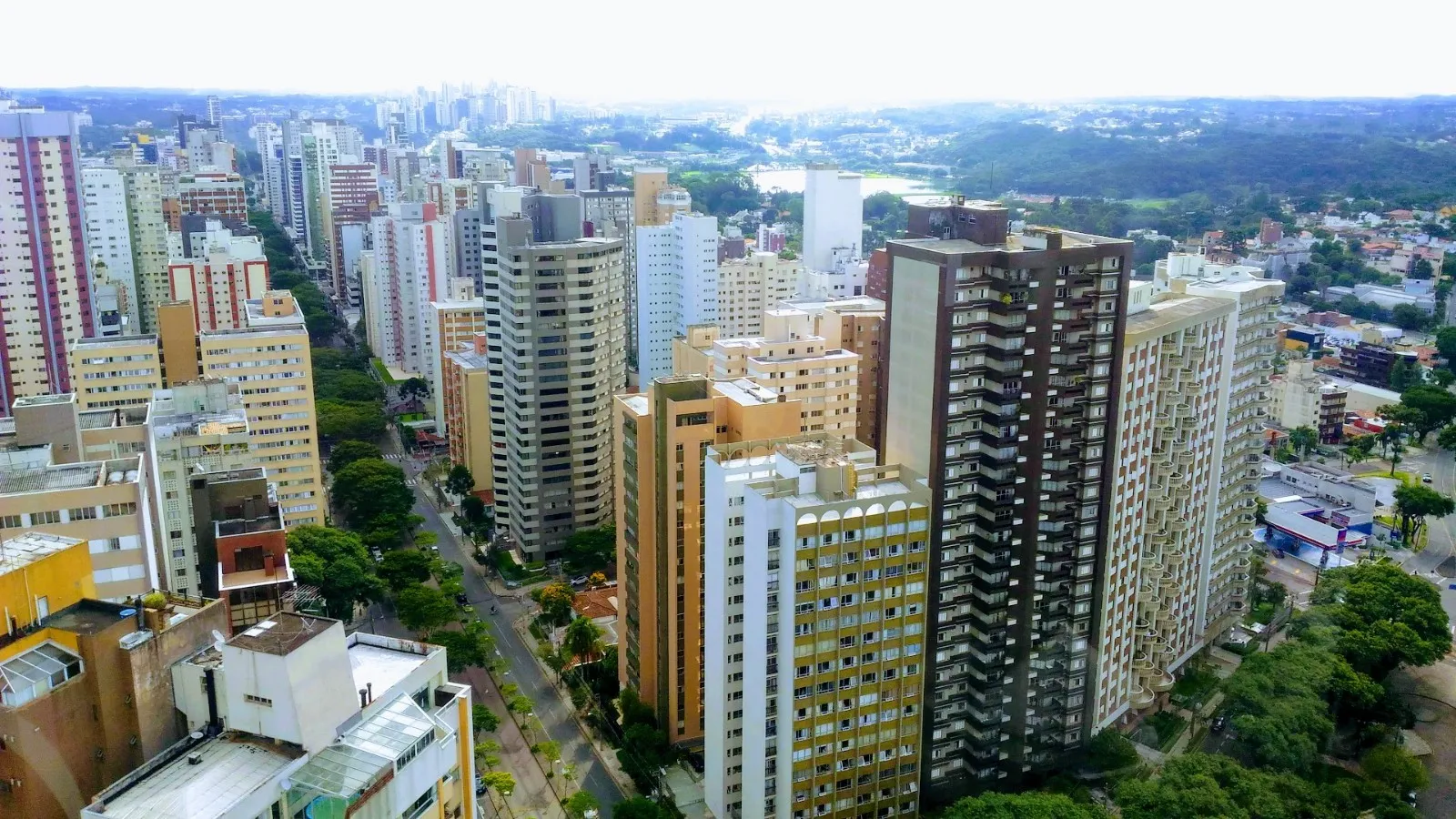
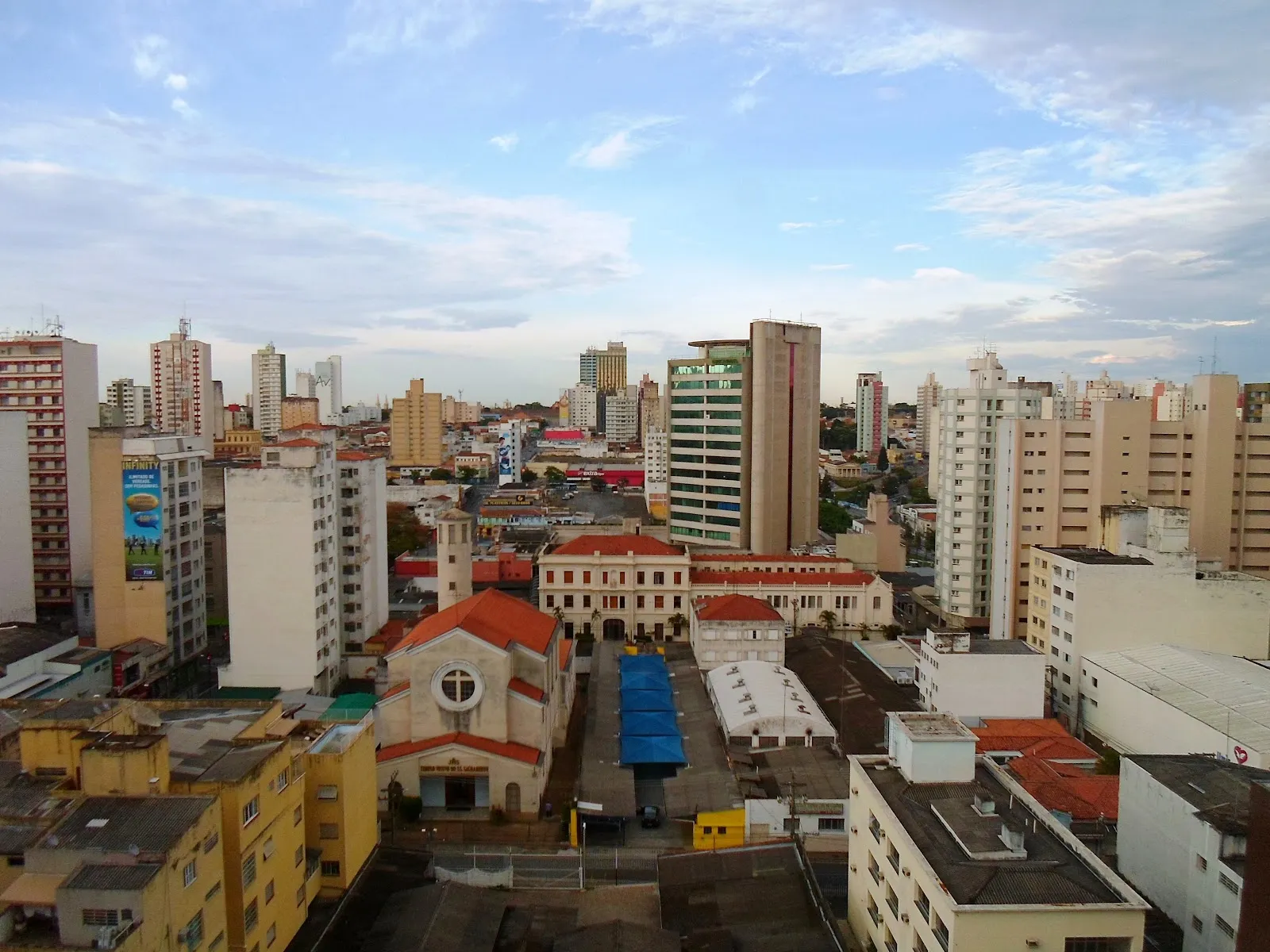
Sao Jose do Rio Preto, located in the heart of Brazil, is a city known for its dynamic cultural scene and robust economic activities. As a major urban center in the state of Sao Paulo, it serves as a hub for commerce, healthcare, and education, attracting people from various regions.The city is characterized by its warm climate and friendly atmosphere, making it an inviting place for both residents and visitors. Emerging trends in technology and innovation are shaping the local economy, with a growing emphasis on sustainable development and smart city initiatives.


History and Culture
Founded in the mid-19th century, Sao Jose do Rio Preto has evolved from a small settlement into a bustling city. Its history is marked by agricultural development, which laid the foundation for its economic growth. The city played a significant role in the coffee boom, which attracted immigrants and contributed to its diverse cultural landscape.
Culturally, Sao Jose do Rio Preto is a melting pot of traditions and influences. The city hosts numerous cultural institutions, including theaters, museums, and galleries, which showcase both local and international art. The annual FIT - International Theater Festival is a highlight, drawing performers and audiences from around the world.
The city's ethnic diversity is reflected in its vibrant festivals and culinary scene, where one can experience a fusion of flavors and traditions. Local celebrations, such as the Festa do Peao de Boiadeiro, highlight the city's rich cultural heritage and community spirit.
Things to do in Sao Jose do Rio Preto SP
Visitors to Sao Jose do Rio Preto can enjoy a variety of activities and attractions. The city boasts beautiful parks like Parque da Represa Municipal, perfect for leisurely walks and picnics. For those interested in culture, the Rio Preto Theater and the D. Pedro II Theater offer a range of performances throughout the year.
The city's culinary scene is diverse, with numerous restaurants offering traditional Brazilian dishes as well as international cuisine. The Mercado Municipal is a must-visit for food enthusiasts, providing a taste of local produce and delicacies.
Sao Jose do Rio Preto is also known for its vibrant nightlife, with many bars and clubs offering live music and entertainment. The city's calendar is filled with events and festivals, such as the FIT - International Theater Festival and the Rio Preto Rodeo Show, which provide unique experiences for both locals and tourists.
Quality of Life Rankings

Weather in Sao Jose do Rio Preto SP
São José do Rio Preto, Brazil experiences a tropical savanna climate characterized by distinct wet and dry seasons. The city has warm temperatures throughout the year, with a notable rainy season from October to March and a dry season from April to September. The average annual precipitation is approximately 50 inches (1270 mm), with January being the wettest month, averaging around 9 inches (229 mm) of rainfall.
Seasonal Breakdown
- Spring (September to November)Temperatures gradually rise from an average high of 85°F (29°C) in September to 88°F (31°C) in November. Rainfall begins to increase during this period, with November receiving significant precipitation, averaging around 6 inches (152 mm).
- Summer (December to February)The hottest months, with average highs ranging from 89°F (32°C) in December to 91°F (33°C) in January. This period is also the wettest, with January receiving the most rainfall, averaging around 9 inches (229 mm).
- Autumn (March to May)Temperatures gradually decrease from an average high of 88°F (31°C) in March to 82°F (28°C) in May. Rainfall decreases significantly, with May being relatively dry, averaging around 2 inches (51 mm).
- Winter (June to August)The coolest period, with average highs ranging from 80°F (27°C) in June to 82°F (28°C) in August. Rainfall is minimal, averaging about 1 inch (25 mm) per month.
Notable Weather Events
- Heavy rainfall and occasional flooding during the wet season, particularly in January.
- Heatwaves during the summer months, with temperatures occasionally exceeding 95°F (35°C).
- Dry spells during the winter months, leading to drought conditions in some years.
Sao Jose do Rio Preto SP's Political Climate
Sao Jose do Rio Preto, located in the state of Sao Paulo, Brazil, is a city with a dynamic political climate that reflects both its historical roots and modern aspirations. The city is governed by a mayor-council system, where the mayor holds significant executive power, and the city council is responsible for legislative functions. Historically, the city has leaned towards centrist and right-leaning political parties, with a strong emphasis on economic development and infrastructure improvement.
In recent years, Sao Jose do Rio Preto has seen a growing interest in progressive policies, particularly in areas such as environmental sustainability and social justice. The city has implemented several initiatives aimed at reducing carbon emissions and promoting renewable energy sources. Additionally, there is a strong focus on improving public transportation and urban planning to enhance the quality of life for its residents.
The political climate in Sao Jose do Rio Preto is also shaped by its active civil society, with numerous local movements advocating for various causes, including education reform, healthcare access, and anti-corruption measures. This civic engagement is reflected in the relatively high voter turnout during elections, indicating a populace that is keenly aware of its political environment and eager to influence change.
Recent political events in the city include debates over urban development projects and the allocation of resources for public services. These discussions often highlight the tension between economic growth and environmental conservation, a common theme in many rapidly developing urban areas in Brazil.
Political Quick Facts
- Voter TurnoutApproximately 75%
- City GovernanceMayor-council system
- CompositionMajority centrist with a significant right-leaning minority
- Recent Political ChangesIncreased focus on sustainability and public transportation improvements
- EngagementHigh civic activism and engagement
- Political ScorecardModerate, with room for improvement in transparency
- Legislative PrioritiesEnvironmental sustainability Public transportation enhancement Economic development
- Public OpinionGenerally supportive of economic growth balanced with environmental concerns
Notable Political Figures
- Edinho AraújoCurrent mayor known for his focus on infrastructure and economic policies.
- Carlos AlexandreCity council member advocating for education reform and transparency.
- Maria SilvaLocal activist and leader in environmental sustainability initiatives.