Compare cities by Healthcare metrics and find the best places to live

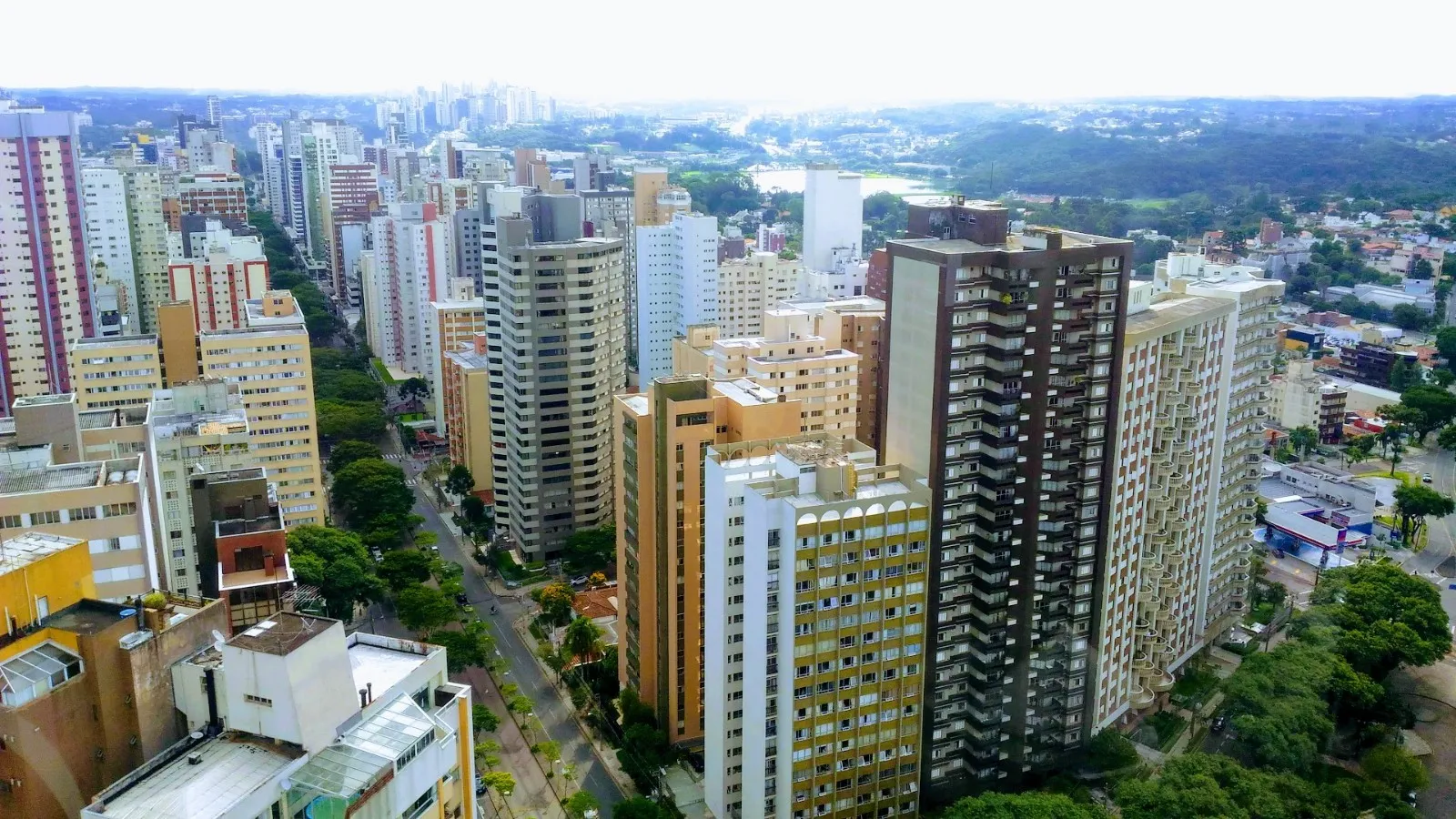
Curitiba, a city known for its innovative urban planning, also boasts a robust healthcare system. With a healthcare index of 67.51, Curitiba offers its residents access to competent healthcare professionals and facilities. The city's healthcare system is characterized by a balance of public and private services, ensuring comprehensive care for its population.

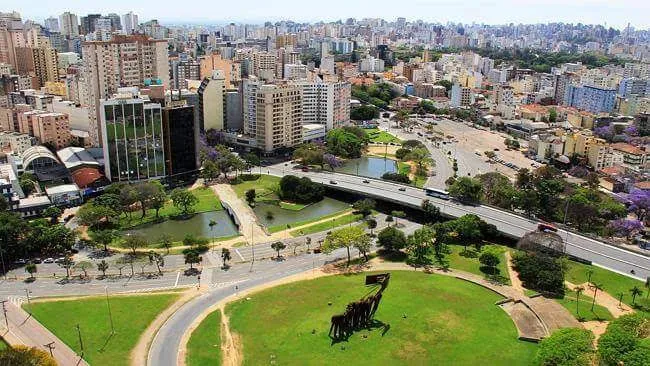
Porto Alegre, a vibrant city in Brazil, boasts a healthcare system that is both comprehensive and evolving. With a healthcare index of 64.48, the city provides its residents with access to skilled healthcare professionals and a variety of medical services. Despite these strengths, challenges such as wait times and cost remain areas for improvement.

Recife, a vibrant city in Brazil, boasts a healthcare system that is steadily improving. With a healthcare index of 63.89, the city offers a mix of public and private healthcare services that cater to a diverse population. Despite challenges in responsiveness and waiting times, the city is making strides in healthcare delivery.

Belo Horizonte, a major city in Brazil, boasts a robust healthcare system with a healthcare index of 64.65. The city is known for its skilled healthcare professionals and comprehensive medical services. Despite the strengths, challenges such as responsiveness and wait times remain areas for improvement.

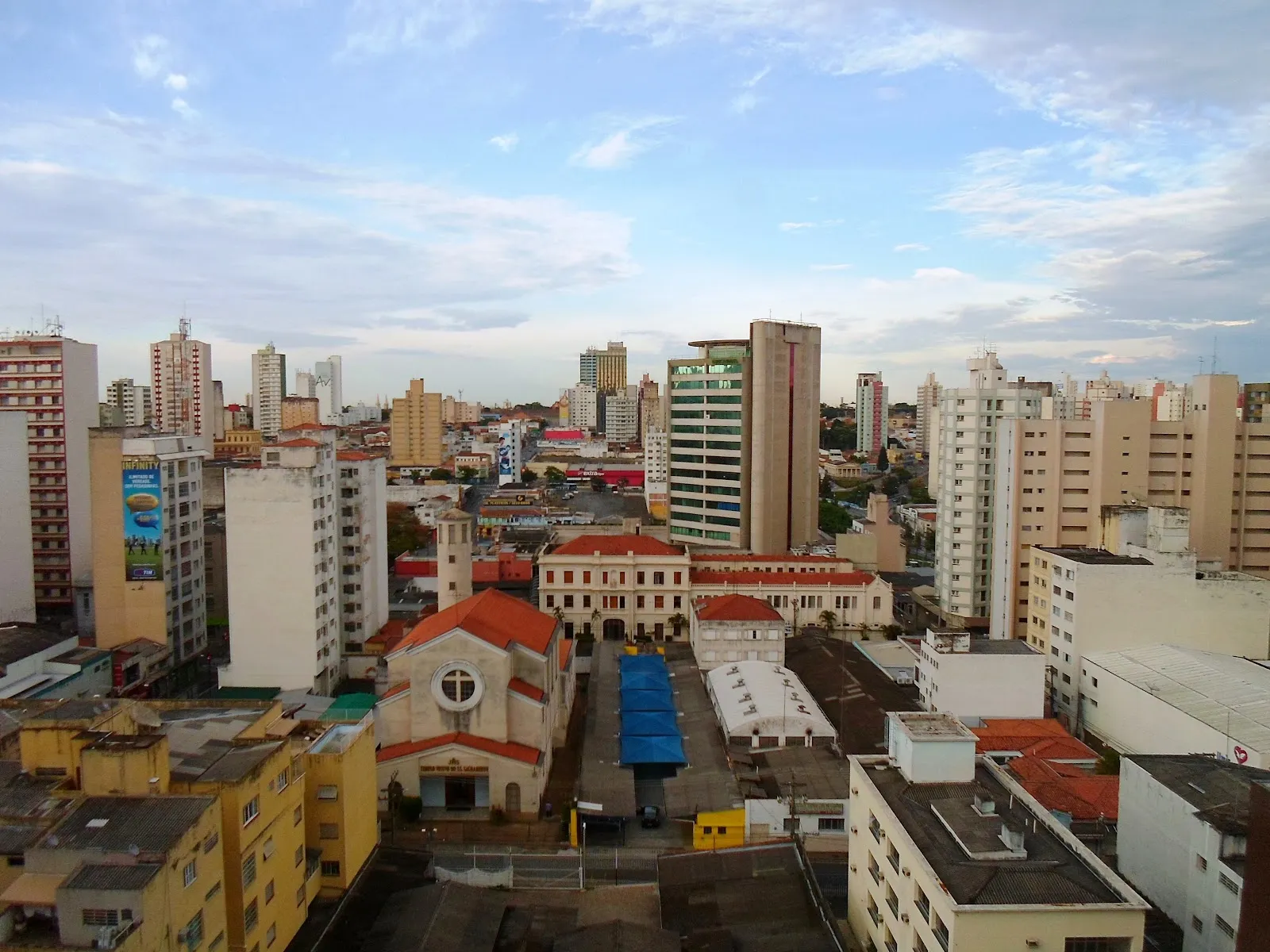
Campinas, a vibrant city in Brazil, offers a robust healthcare system with a healthcare index of 61.27. The city is known for its skilled healthcare professionals and comprehensive medical services. Despite these strengths, residents face challenges such as moderate healthcare costs and responsiveness issues.

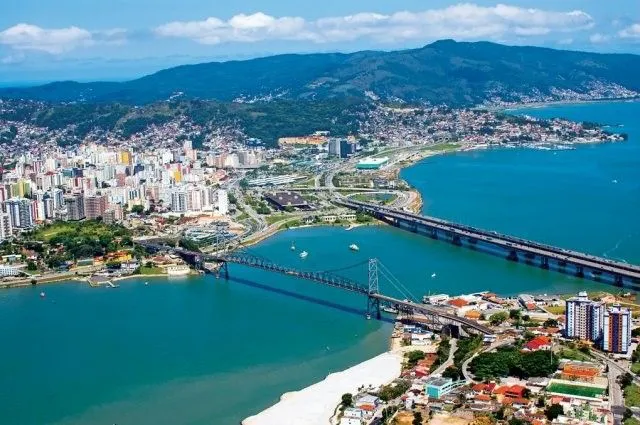
Florianopolis, a vibrant city in Brazil, offers a healthcare system that is evolving to meet the needs of its residents. With a healthcare index of 60.73, the city provides a mix of public and private healthcare services. Despite the advancements, challenges such as wait times and accessibility remain areas for improvement.

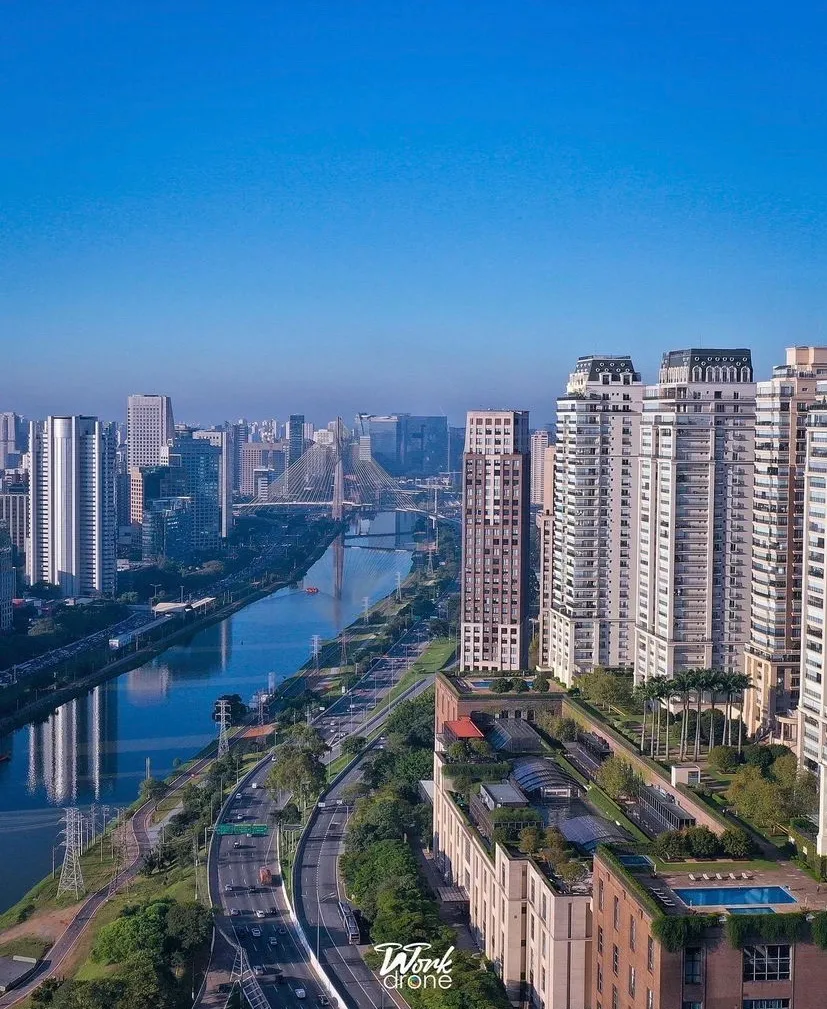
Sao Paulo is a bustling metropolis with a dynamic healthcare system that serves millions of residents. The city's healthcare index stands at 60.10, reflecting a system that is competent yet faces challenges typical of large urban centers. While the city offers a range of healthcare services, cost and wait times remain areas of concern for many residents.

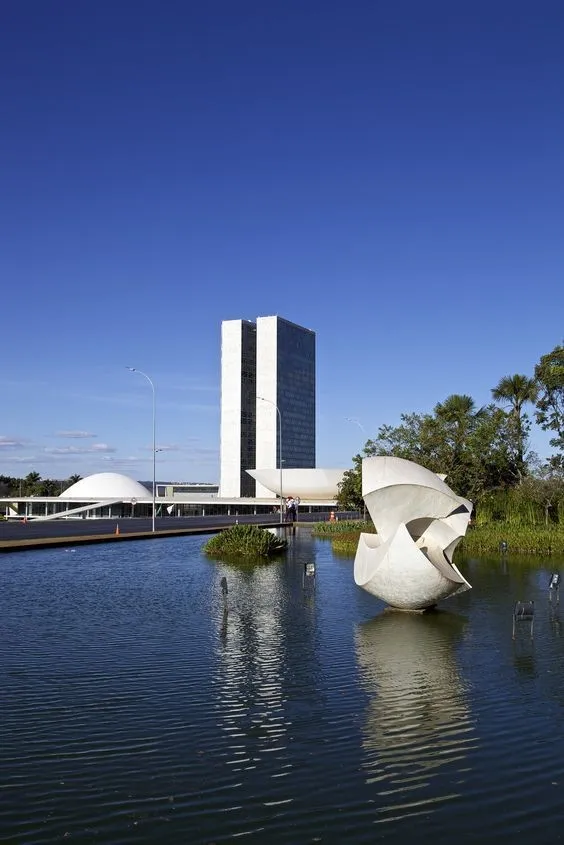
Brasilia, the capital of Brazil, presents a healthcare system that is evolving to meet the needs of its residents. With a healthcare index of 51.82, the city offers a mix of public and private healthcare services. Challenges such as long wait times and moderate healthcare costs are areas of focus for improvement.

Rio de Janeiro's healthcare system presents a mixed landscape, with a healthcare index of 46.09. The city offers a range of healthcare services, but challenges such as long wait times and high costs persist. Efforts are ongoing to improve the quality and accessibility of healthcare for all residents.