Things to do in Plovdiv
Plovdiv, Bulgaria's second-largest city, is a captivating blend of ancient history and modern culture. Known for its rich heritage dating back thousands of years, Plovdiv offers visitors a unique glimpse into Roman, Byzantine, and Ottoman influences alongside contemporary Bulgarian life.The city is famous for its well-preserved Old Town, Roman theater, and vibrant arts scene. Visitors can explore cobblestone streets, colorful houses, and numerous museums that showcase the city's diverse past and present.Ancient Theatre of Philippopolis

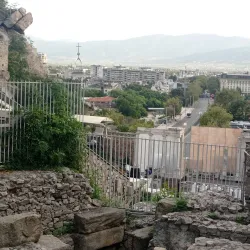
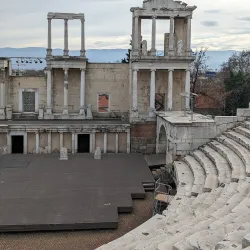
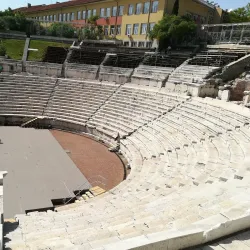
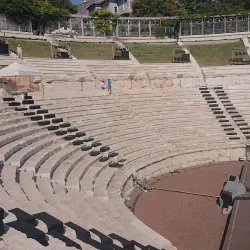
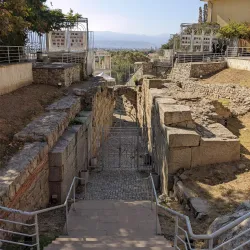
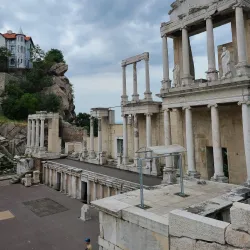
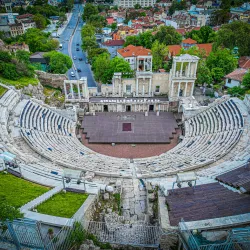
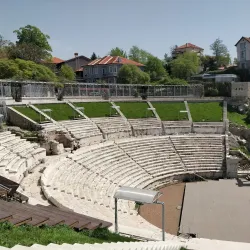
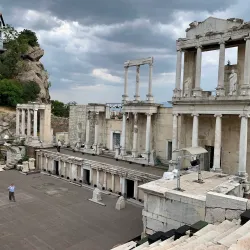
This remarkably well-preserved Roman theatre dates back to the 1st century AD and is still used for performances today. It offers stunning views of the city and is a testament to Plovdiv's importance in the Roman Empire.
Old Town Plovdiv
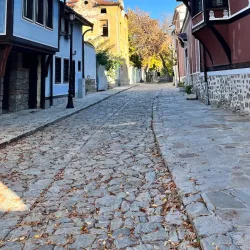
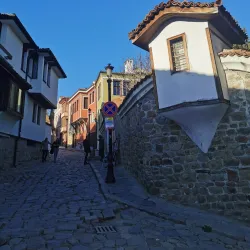
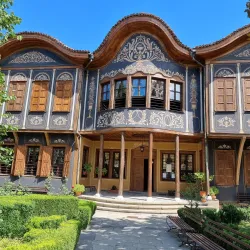
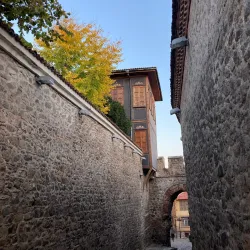
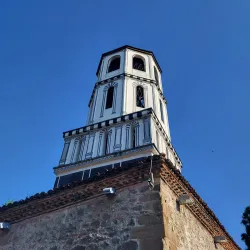
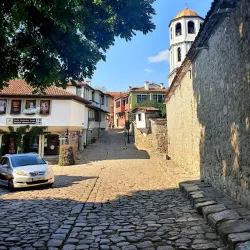
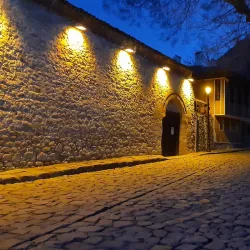
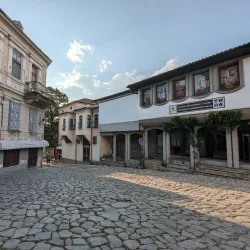
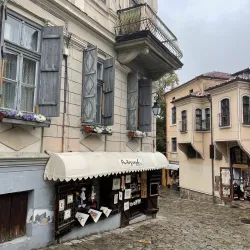
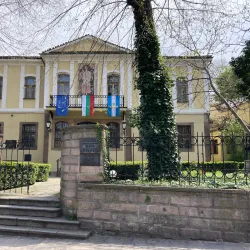
The Old Town is a charming area filled with cobblestone streets, traditional Bulgarian Revival architecture, and numerous museums. It is the cultural heart of the city, showcasing its history through preserved houses and art galleries.
Roman Stadium of Philippopolis
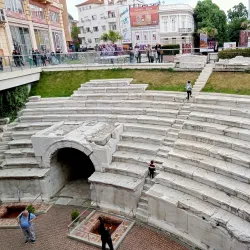
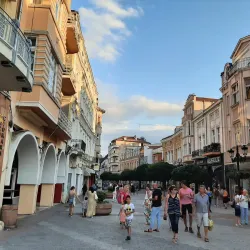
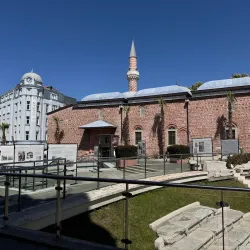
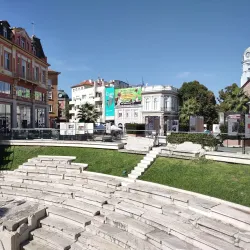
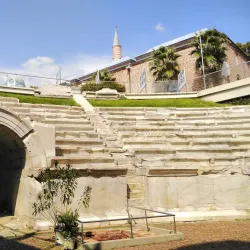
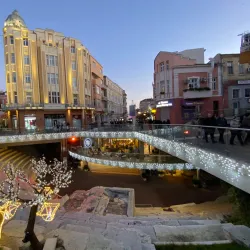
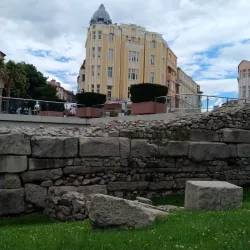
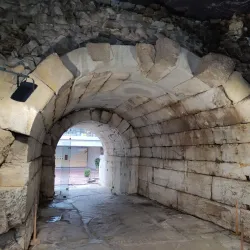
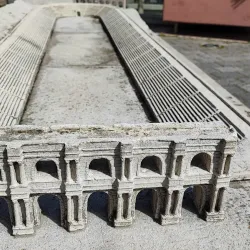
Located beneath the city center, this ancient Roman stadium could seat up to 30,000 spectators. Visitors can explore the remains and learn about the city's Roman past.
Plovdiv Regional Ethnographic Museum
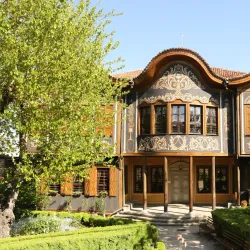
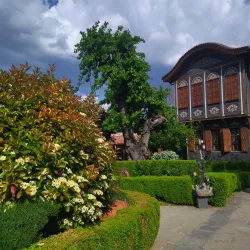
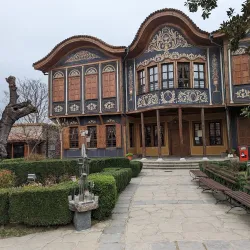
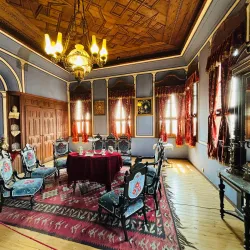
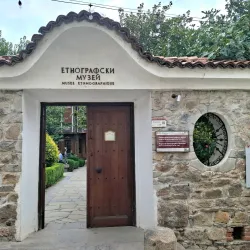
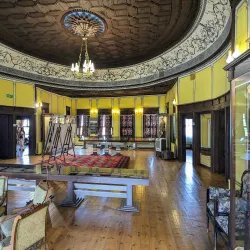
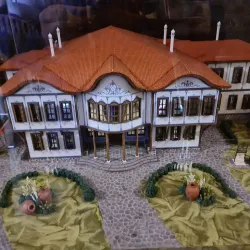
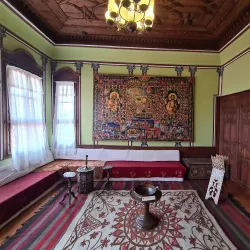
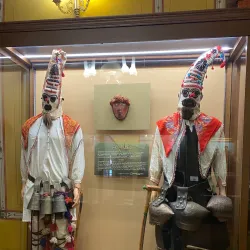
Housed in a beautiful Revival-style building, this museum offers insights into Bulgarian folk culture, traditions, and crafts through its extensive collections.
Nebet Tepe
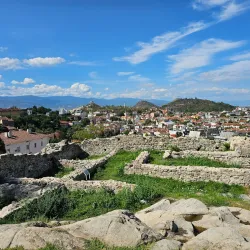
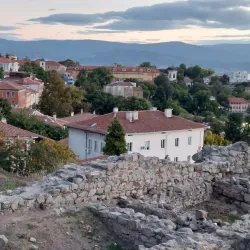
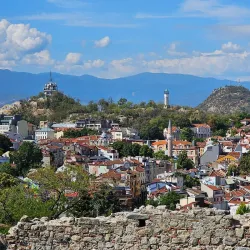
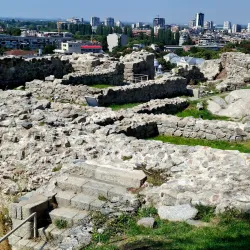
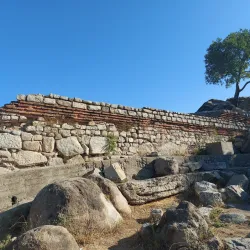
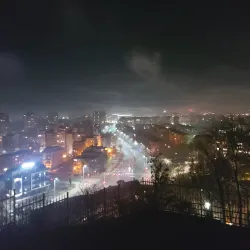
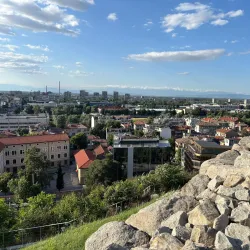
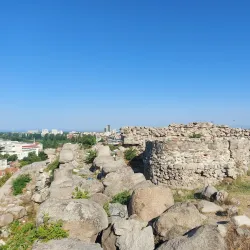
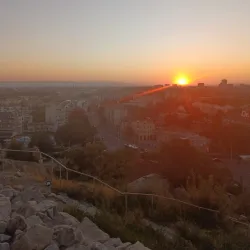
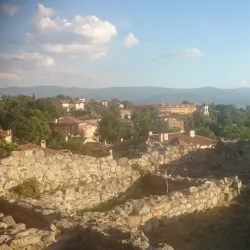
One of the oldest parts of Plovdiv, Nebet Tepe is an ancient fortress hill offering panoramic views of the city and archaeological remains from Thracian, Roman, and Byzantine periods.
Kapana Creative District
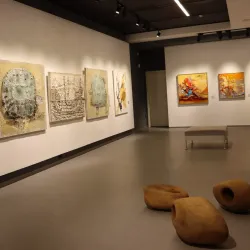
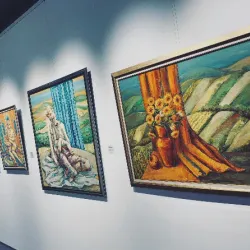


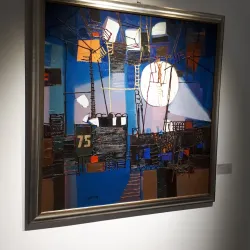
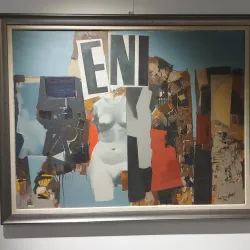
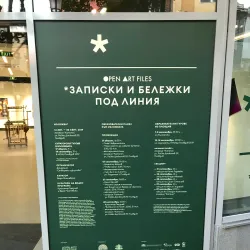
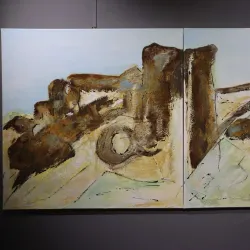
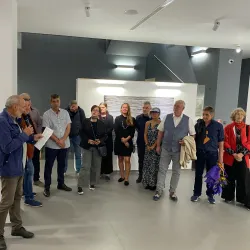
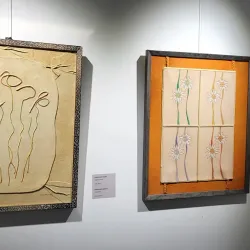
Known as the 'Trap,' Kapana is a vibrant neighborhood filled with art studios, galleries, cafes, and shops. It is the center of Plovdiv's contemporary cultural life and street art scene.
Dzhumaya Mosque
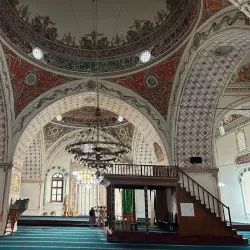
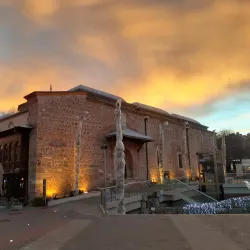
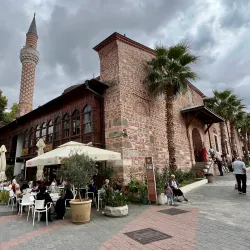
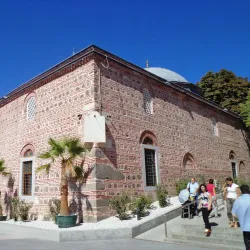
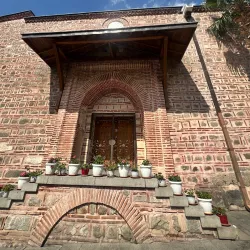
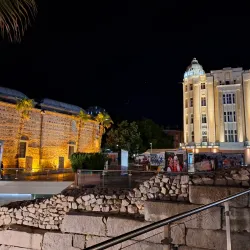
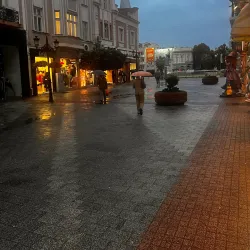
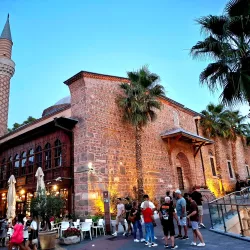
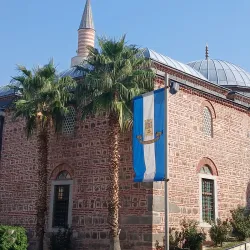
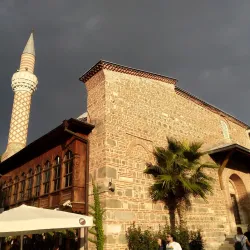
An important Ottoman-era mosque located in the city center, notable for its architecture and historical significance in Plovdiv's diverse religious heritage.
Alyosha Monument
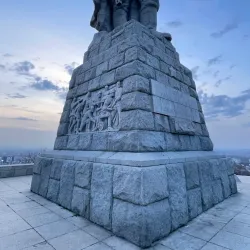
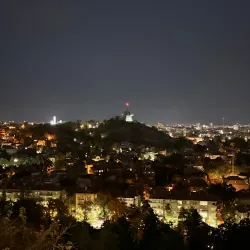
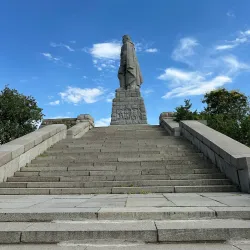
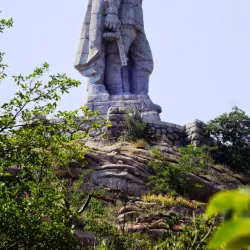
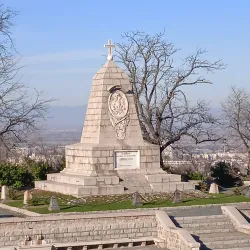
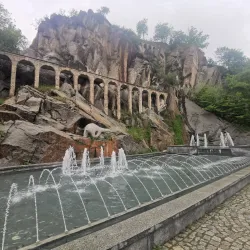
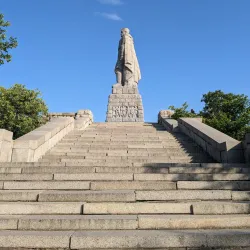
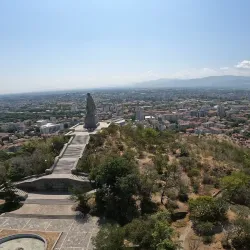
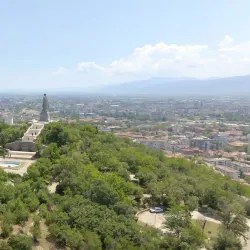
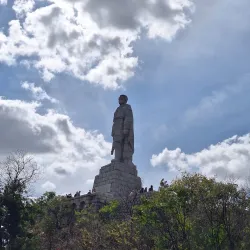
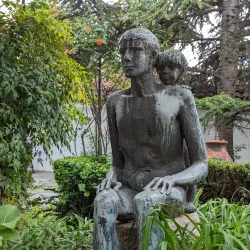
A Soviet-era monument dedicated to the Soviet soldiers who died during World War II, located on a hill overlooking Plovdiv, offering great views of the city.
Plovdiv Roman Forum
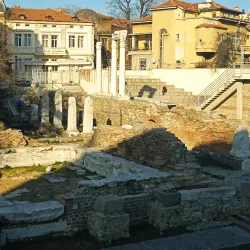
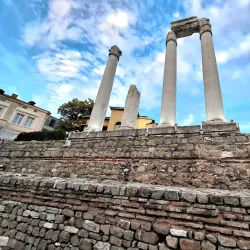
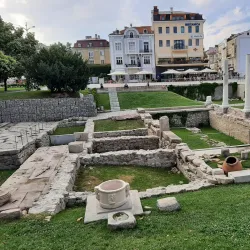
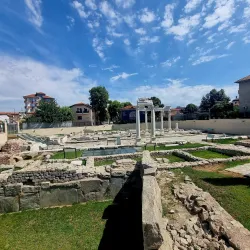
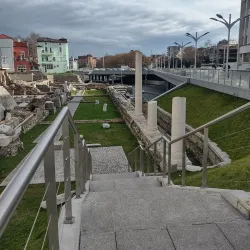
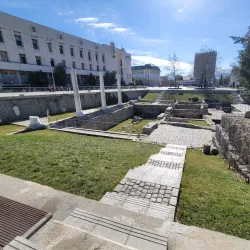
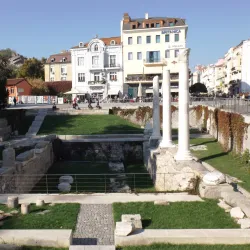
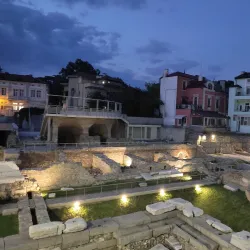
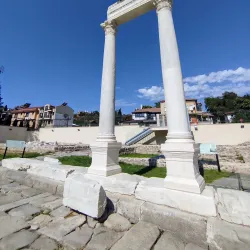
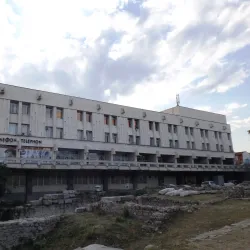
The ruins of the ancient Roman forum, once the city's administrative and commercial center, provide insight into the urban life of Philippopolis during Roman times.
Balabanov House

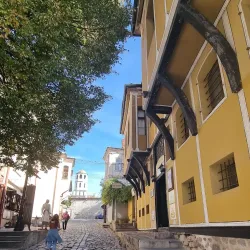
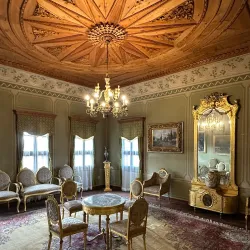
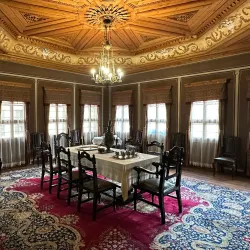
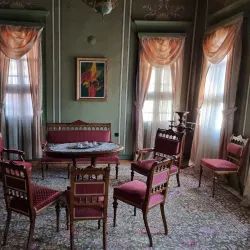
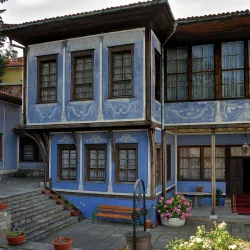
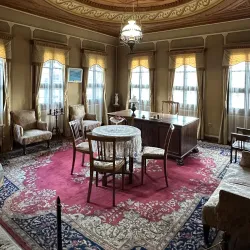
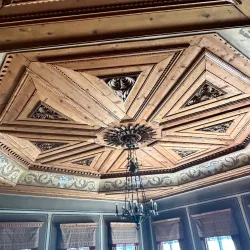
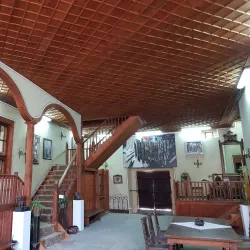
A well-preserved example of Bulgarian National Revival architecture, this historic house now serves as a museum showcasing local history and culture.