Things to do in Sofia
Sofia, the capital city of Bulgaria, is a vibrant metropolis that blends ancient history with modern life. Nestled at the foot of Mount Vitosha, Sofia offers visitors a unique mix of cultural landmarks, historic sites, and natural beauty.The city is known for its diverse architecture, from Roman ruins to Orthodox churches and Soviet-era buildings. Sofia's neighborhoods each have their own charm, featuring lively markets, cozy cafes, and bustling streets.Alexander Nevsky Cathedral
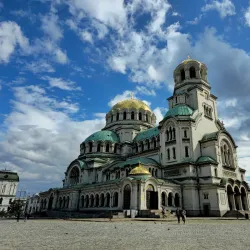
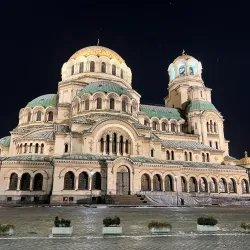
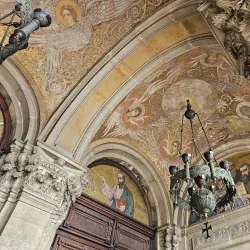
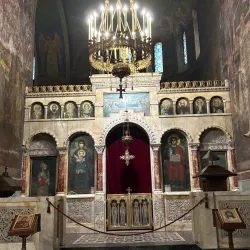
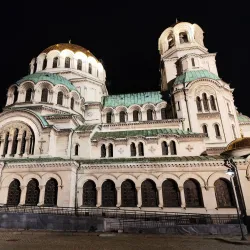
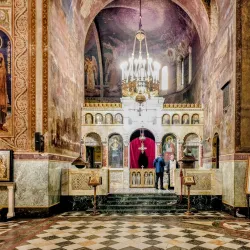
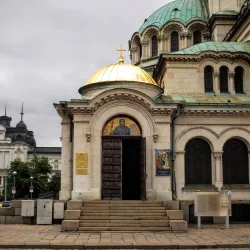
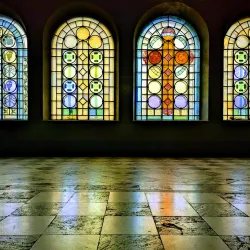
One of Sofia's most iconic landmarks, the Alexander Nevsky Cathedral is a stunning example of Neo-Byzantine architecture. It serves as the primary cathedral of the Bulgarian Orthodox Church and is known for its impressive gold-plated domes and richly decorated interior.
Visitors can admire the intricate mosaics, frescoes, and the vast iconostasis inside. The cathedral is also a symbol of Bulgarian national pride and history.
Boyana Church
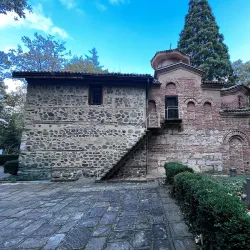
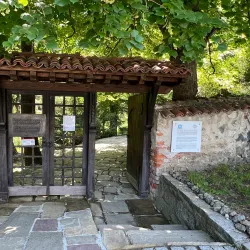
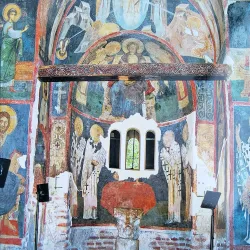
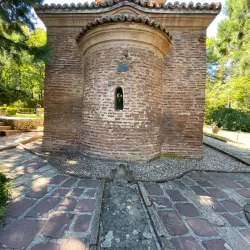
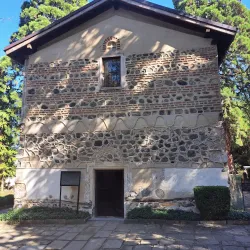
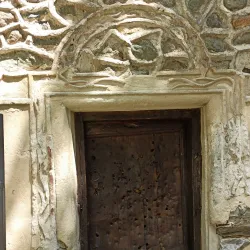
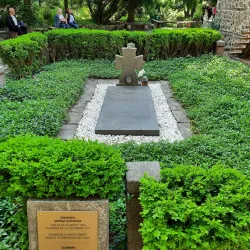
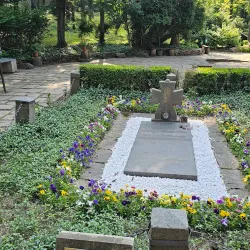
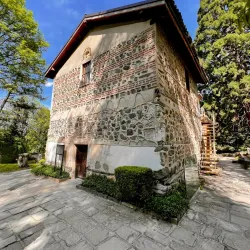
A UNESCO World Heritage Site, Boyana Church is famous for its well-preserved medieval frescoes dating back to the 13th century. The church offers a glimpse into Bulgaria's medieval art and religious history.
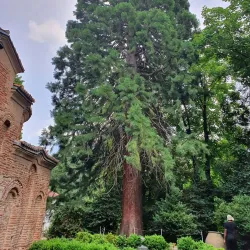
Located on the outskirts of Sofia, the church is surrounded by picturesque nature, making it a peaceful spot for visitors interested in history and art.
National Palace of Culture (NDK)
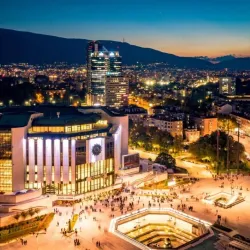
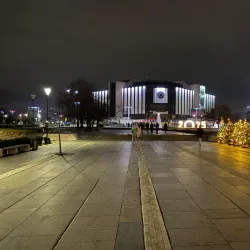
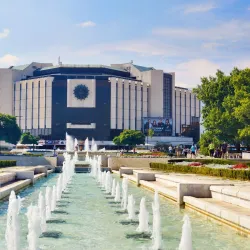
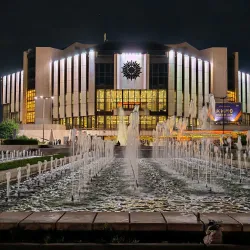
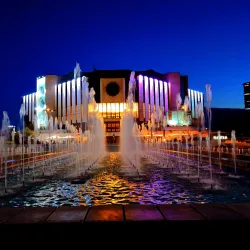

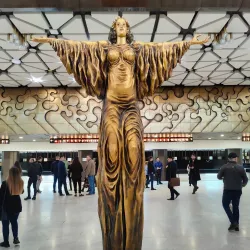


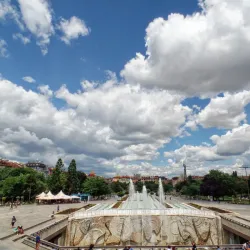
The National Palace of Culture is Sofia's largest multifunctional conference and exhibition center. It hosts concerts, exhibitions, and cultural events throughout the year.
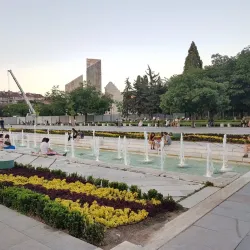
The building itself is an architectural landmark, surrounded by a large park with fountains and sculptures, making it a popular gathering place for locals and tourists alike.
Vitosha Boulevard
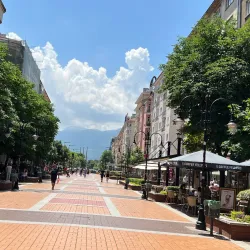
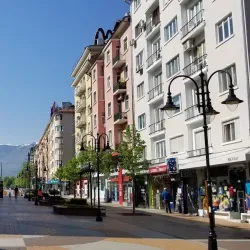
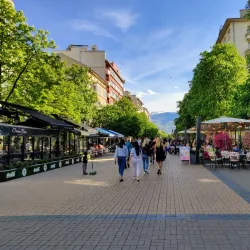
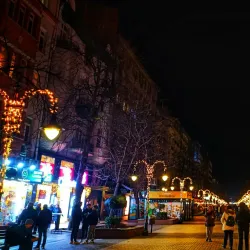
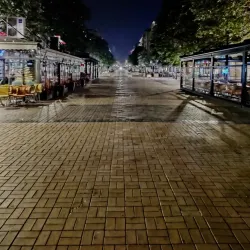
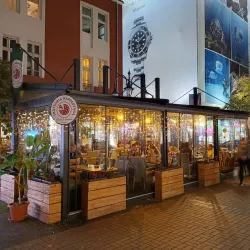
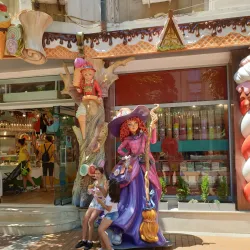
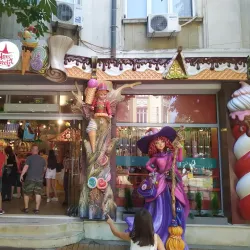
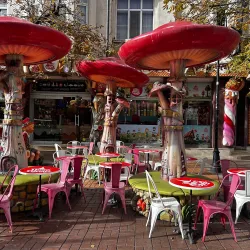
Vitosha Boulevard is Sofia's main commercial street, known for its vibrant atmosphere, shops, cafes, and restaurants. It is the perfect place to experience the city's modern lifestyle and enjoy local cuisine.
The boulevard offers beautiful views of Mount Vitosha and is a popular spot for both daytime shopping and evening socializing.
Sofia History Museum
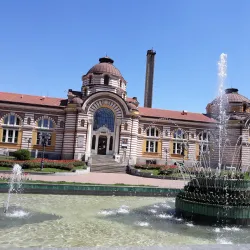
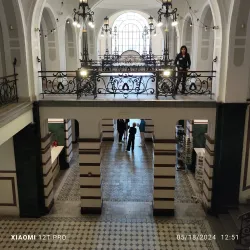
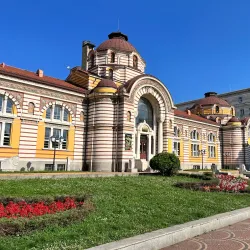
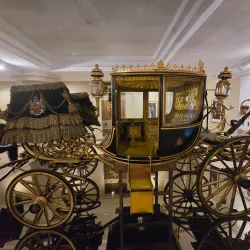
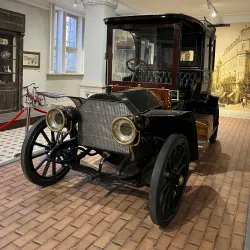
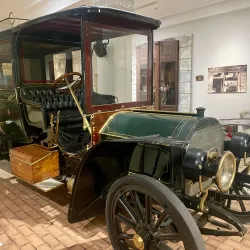
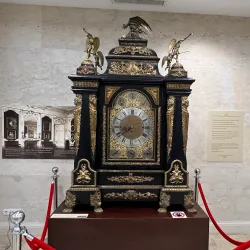
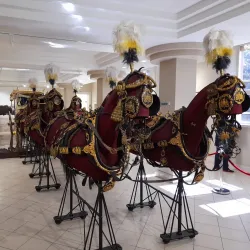
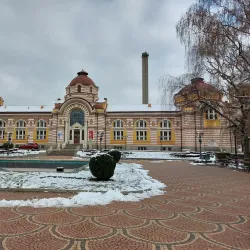
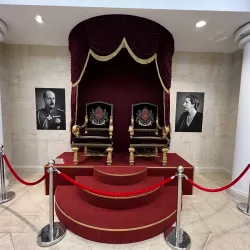
Housed in the former Central Mineral Baths building, the Sofia History Museum showcases the city's rich past from ancient times to the present day.
The museum's exhibits include archaeological finds, historical artifacts, and multimedia presentations that provide insight into Sofia's development and cultural heritage.
National Archaeological Museum


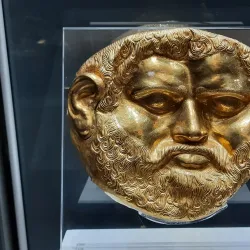
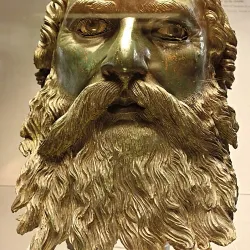

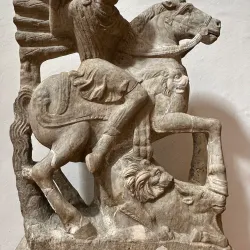

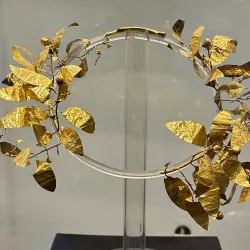
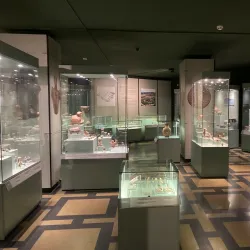

Located in a former Ottoman mosque, the National Archaeological Museum houses an extensive collection of artifacts from Bulgaria's prehistoric, Thracian, Roman, and medieval periods.
The museum is a must-visit for history enthusiasts interested in the archaeological heritage of the region.
Saint Sofia Church
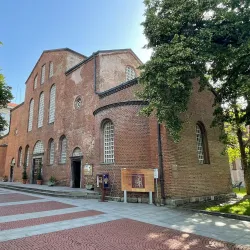
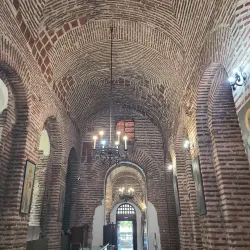
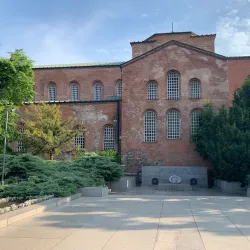
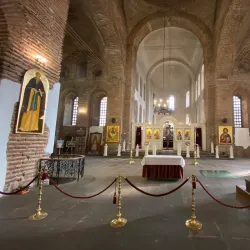
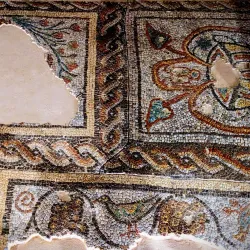
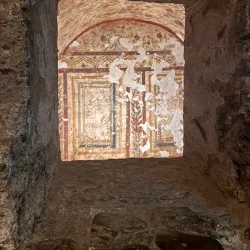
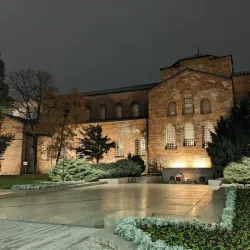
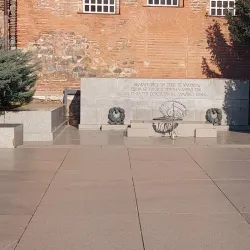
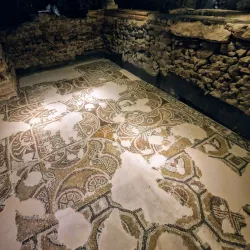
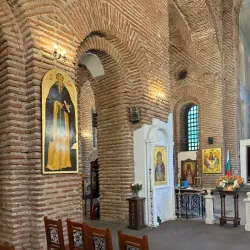
Saint Sofia Church is one of the oldest churches in Sofia, dating back to the 6th century. It gave the city its name and is an important religious and historical site.
The church features early Christian architecture and is surrounded by archaeological remains, including Roman ruins and a necropolis.
Ivan Vazov National Theatre
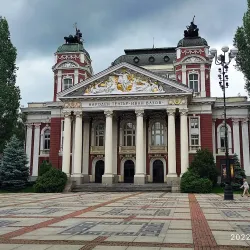
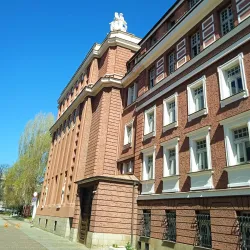
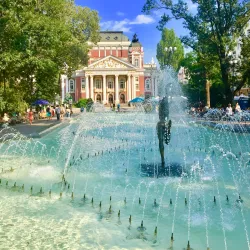
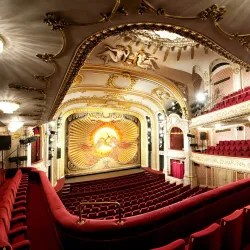
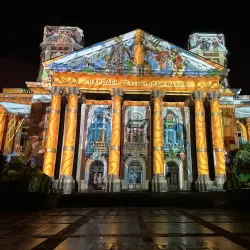
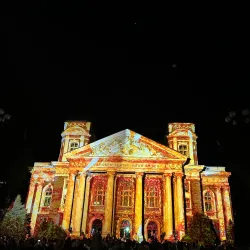
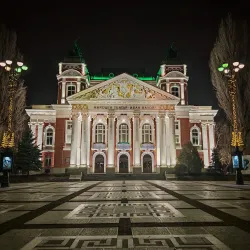
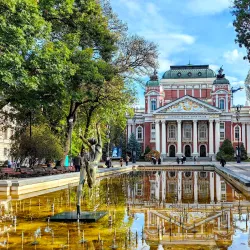
The Ivan Vazov National Theatre is Bulgaria's oldest and most prestigious theater. Its grand neoclassical building is a cultural landmark in Sofia.
The theater hosts a variety of performances, including drama, opera, and ballet, attracting both locals and tourists interested in the performing arts.
Borisova Gradina Park


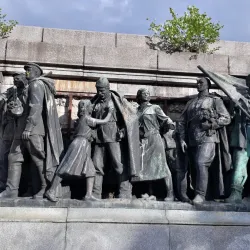

Borisova Gradina is Sofia's oldest and most famous park, offering beautiful green spaces, walking paths, and recreational facilities.
The park is home to several monuments, a lake, and sports venues, making it a popular spot for relaxation and outdoor activities among locals and visitors.
Serdica Archaeological Complex
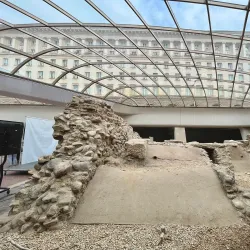
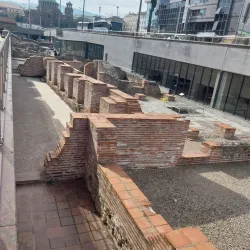
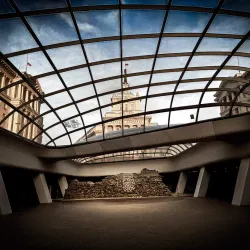
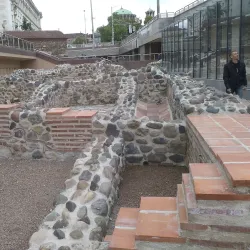
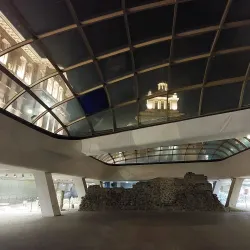
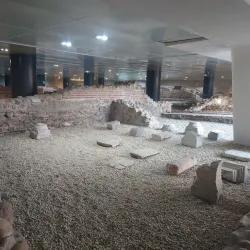
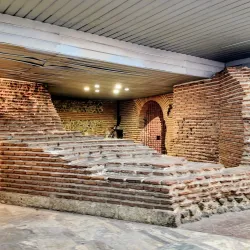
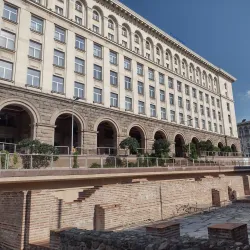

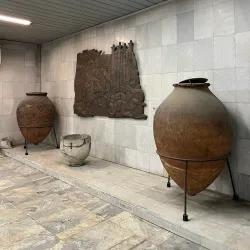
The Serdica Archaeological Complex is an open-air site showcasing the remains of the ancient Roman city of Serdica, which lies beneath modern Sofia.
Visitors can explore ruins of streets, walls, and buildings, providing a fascinating glimpse into the city's Roman past right in the city center.