Things to do in Veliko Tarnovo
Veliko Tarnovo, often referred to as the 'City of the Tsars,' is a historic city in north-central Bulgaria known for its rich medieval heritage and stunning architecture. It was the capital of the Second Bulgarian Empire and offers visitors a unique glimpse into Bulgaria's past through its well-preserved fortress, old town, and cultural landmarks.The city is nestled on the banks of the Yantra River, surrounded by hills that provide picturesque views and a charming atmosphere. Veliko Tarnovo's neighborhoods blend traditional Bulgarian architecture with vibrant cultural life, making it a popular destination for history enthusiasts and travelers seeking an authentic experience.Tsarevets Fortress
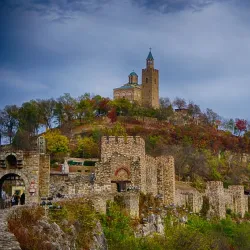
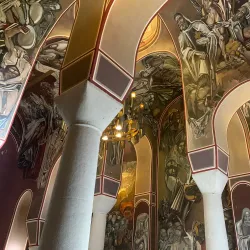
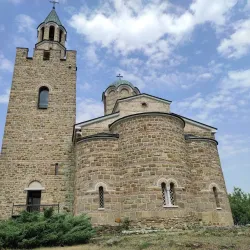
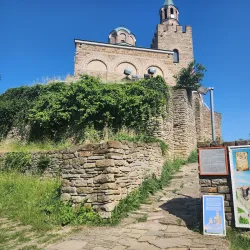
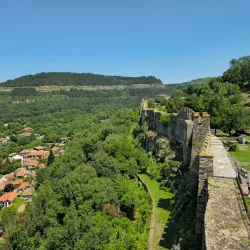
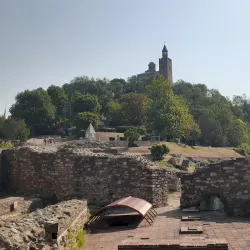
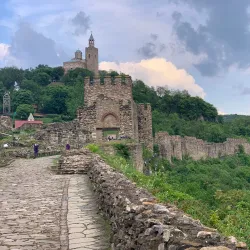
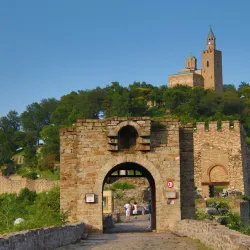
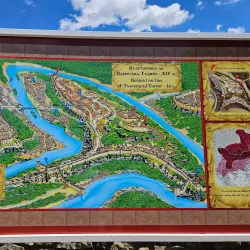
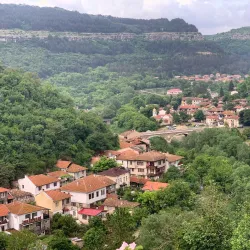
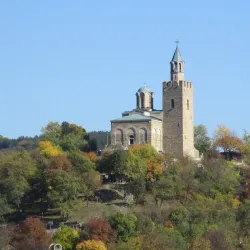
Tsarevets Fortress is the most famous landmark in Veliko Tarnovo, serving as the primary fortress and residence of the Bulgarian tsars during the Second Bulgarian Empire. Visitors can explore the fortress walls, towers, and the Patriarchal Cathedral, which has been partially restored to reflect its medieval grandeur.
The fortress also features a sound and light show in the evenings, which narrates the history of the Bulgarian Empire, making it a must-visit attraction for history buffs and tourists alike.
Samovodska Charshiya
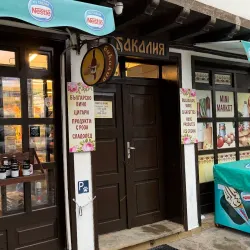
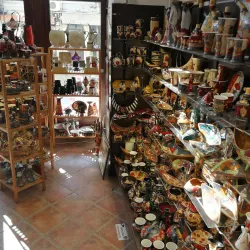
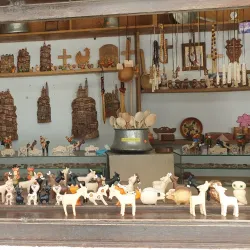
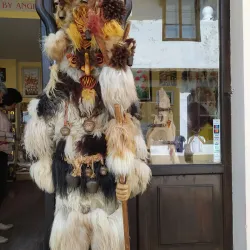
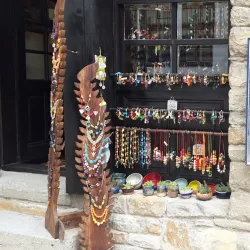

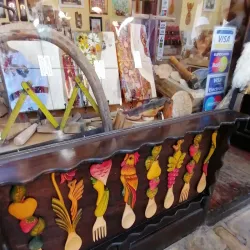



Samovodska Charshiya is a traditional market street in Veliko Tarnovo that offers a glimpse into Bulgarian crafts and culture. The street is lined with workshops, galleries, and shops where artisans create and sell pottery, woodwork, textiles, and other handmade goods.
This vibrant area is perfect for visitors looking to purchase authentic souvenirs and experience the local artisan culture in a lively, historic setting.
Asen's Monument
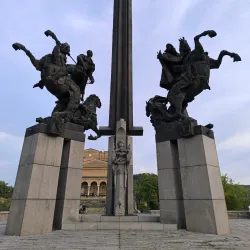
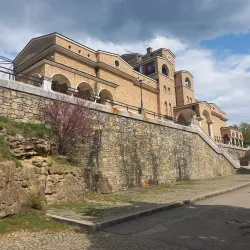
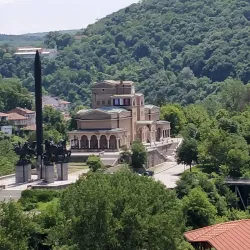
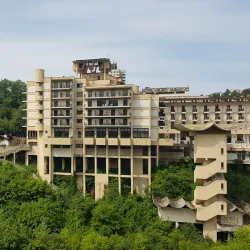
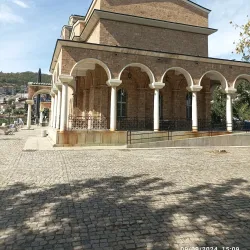
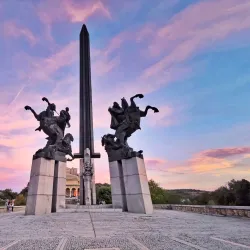
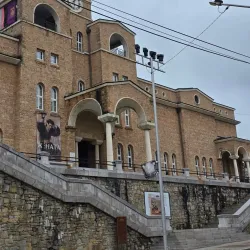
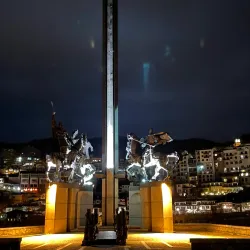
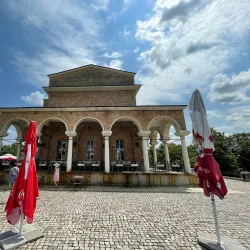
Asen's Monument is a prominent statue located on a hill overlooking Veliko Tarnovo. It commemorates the Asen dynasty, which played a crucial role in the establishment and expansion of the Second Bulgarian Empire.
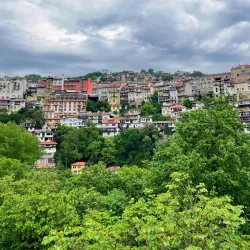
The monument offers panoramic views of the city and the Yantra River, making it a popular spot for photography and sightseeing.
Holy Forty Martyrs Church
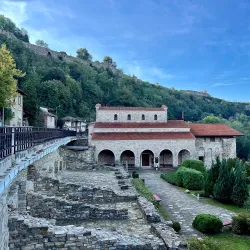
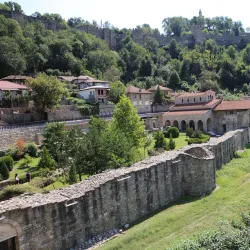
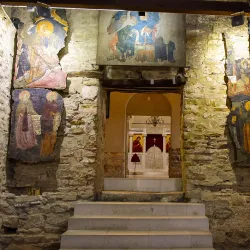
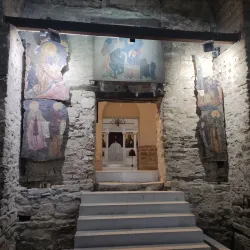
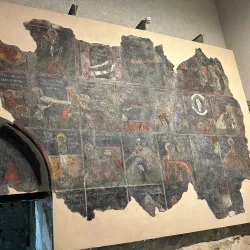
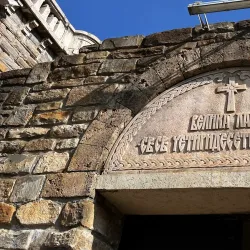
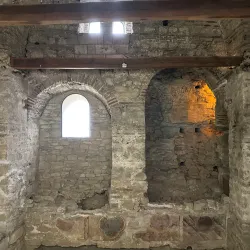
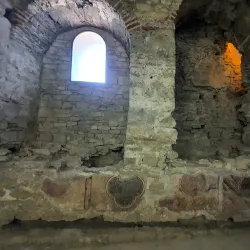
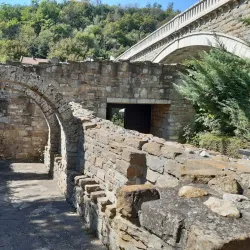
The Holy Forty Martyrs Church is a medieval Bulgarian Orthodox church located in the city center. It is renowned for its well-preserved frescoes dating back to the 13th century, which depict religious scenes and Bulgarian historical figures.
The church is an important cultural and religious site, reflecting the artistic and spiritual heritage of medieval Bulgaria.
Museum of the Bulgarian Revival and Constituent Assembly
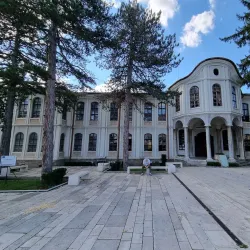
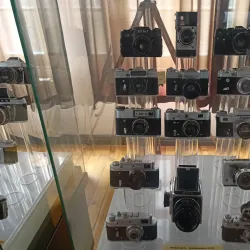
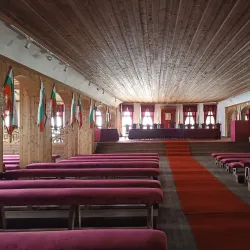
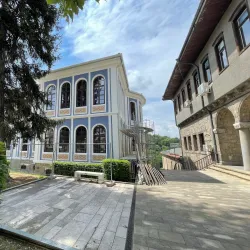
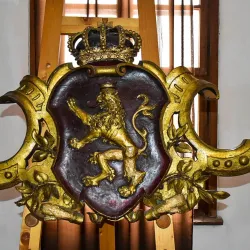
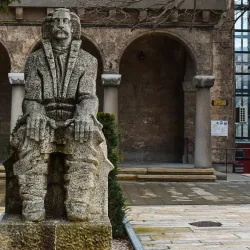
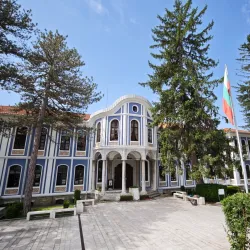
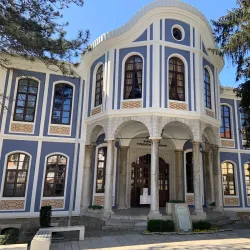
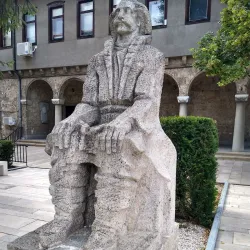
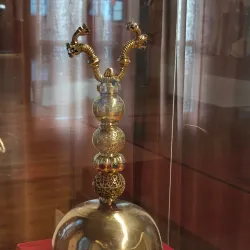
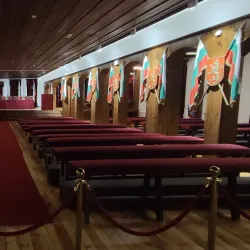
This museum is dedicated to the Bulgarian National Revival period and the country's struggle for independence. It houses exhibits related to the Constituent Assembly of 1879, which adopted the first Bulgarian constitution.
Visitors can learn about Bulgaria's path to modern statehood through artifacts, documents, and multimedia presentations.
Trapezitsa Hill
Trapezitsa Hill is another historic fortress area in Veliko Tarnovo, known for its medieval churches and ruins. It was a significant religious and administrative center during the Second Bulgarian Empire.
The hill offers walking trails and scenic views, allowing visitors to explore the archaeological remains and enjoy the natural surroundings.
Veliko Tarnovo Regional Historical Museum
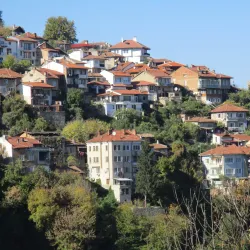
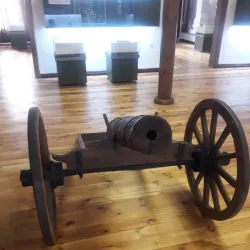
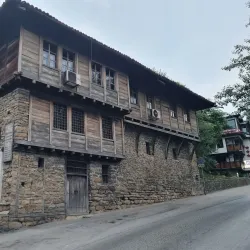
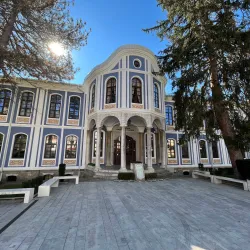
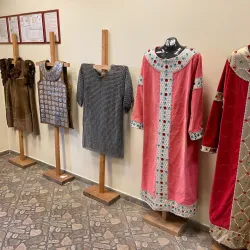
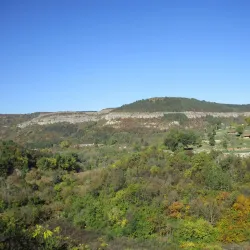
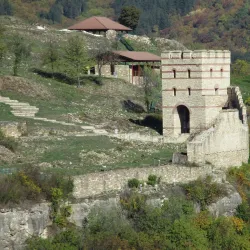
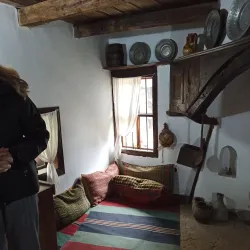
This museum provides a comprehensive overview of the region's history from ancient times to the present. It features archaeological finds, ethnographic exhibits, and historical artifacts related to Veliko Tarnovo and the surrounding area.
The museum is a great starting point for visitors wanting to understand the city's historical context.
Art Gallery Veliko Tarnovo

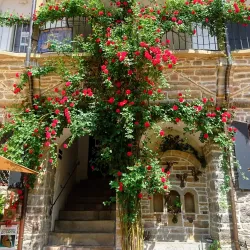


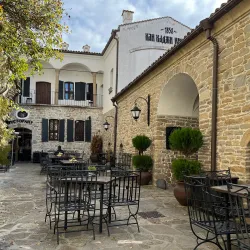


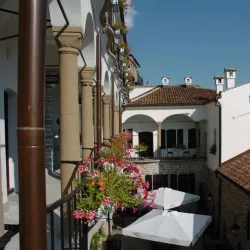
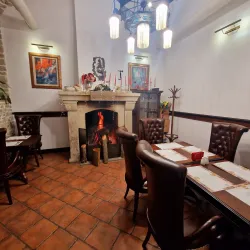
The Art Gallery in Veliko Tarnovo showcases Bulgarian art from the 19th and 20th centuries, including paintings, sculptures, and graphic works. It highlights the development of Bulgarian artistic expression during the National Revival and beyond.
The gallery is housed in a historic building and often hosts temporary exhibitions and cultural events.
Yantra River Promenade
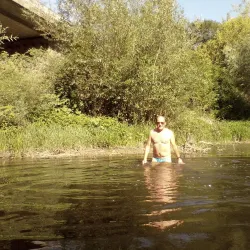
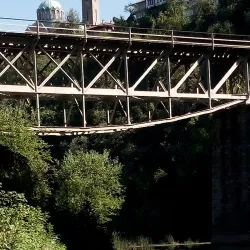

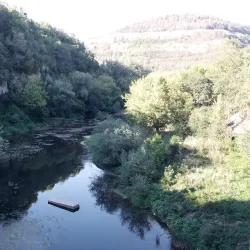
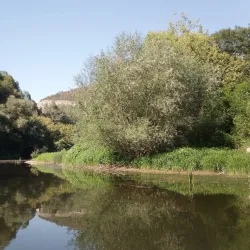

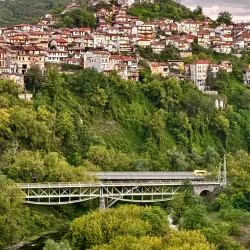


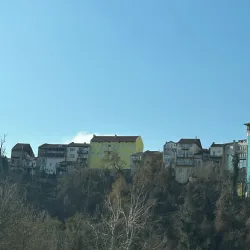
The Yantra River Promenade is a scenic walkway along the river that flows through Veliko Tarnovo. It offers beautiful views of the city, the fortress, and the surrounding hills.
The promenade is a popular spot for leisurely strolls, photography, and enjoying the natural beauty of the area.
St. Peter and Paul Church
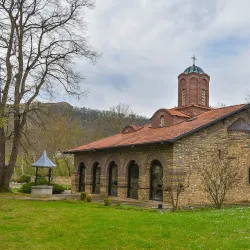
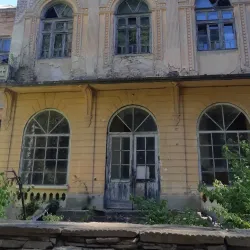
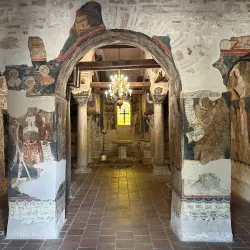
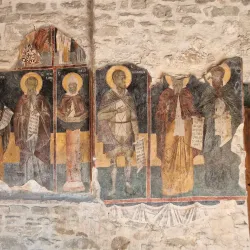
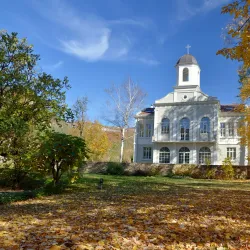
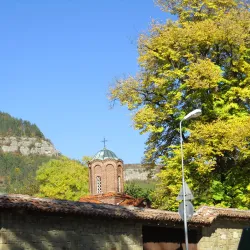
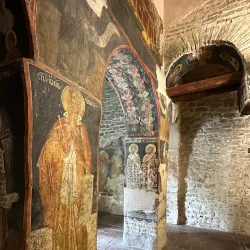
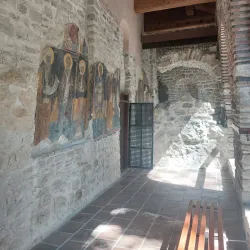
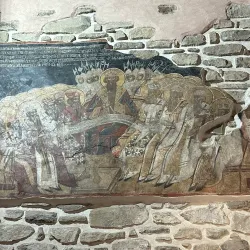
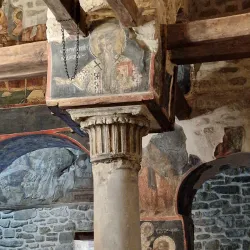
St. Peter and Paul Church is a historic Bulgarian Orthodox church located near the city center. It is known for its distinctive architecture and religious significance.
The church is an active place of worship and a site of cultural heritage, often visited by tourists interested in Bulgarian ecclesiastical art and history.