Things to do in Kampot
Kampot is a charming riverside town in southern Cambodia known for its relaxed atmosphere, colonial architecture, and proximity to natural attractions. It offers a blend of cultural heritage, scenic landscapes, and outdoor activities that appeal to travelers seeking both adventure and tranquility.The town is famous for its pepper plantations, salt fields, and the nearby Bokor National Park, making it a unique destination for those interested in agriculture, history, and nature. Kampot's vibrant local markets and riverside dining add to its appeal as a cultural hub.Bokor National Park

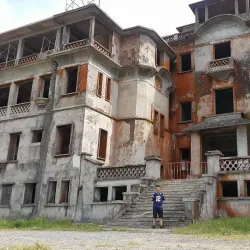
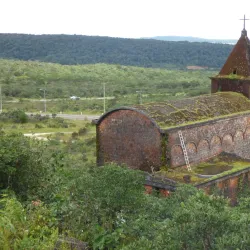
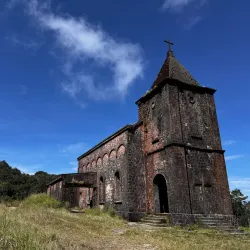
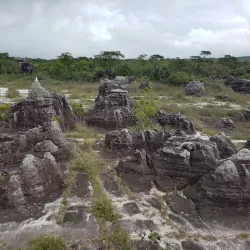
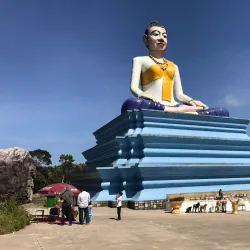
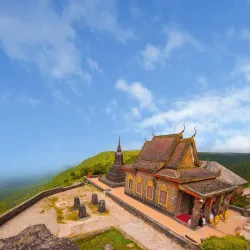
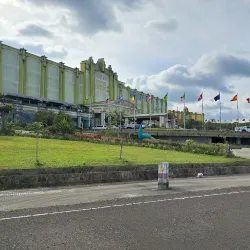
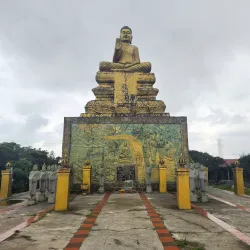
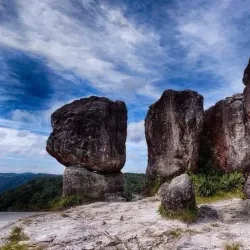
Bokor National Park is a vast protected area known for its misty mountains, dense forests, and colonial-era ruins. Visitors can explore the abandoned Bokor Hill Station, a French colonial retreat with eerie buildings and stunning views.
The park offers hiking trails, waterfalls, and opportunities to see wildlife such as elephants and exotic birds. It is a popular spot for nature lovers and history enthusiasts alike.
Kampot Pepper Plantations

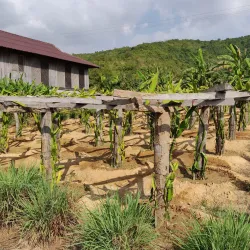
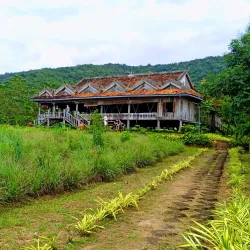
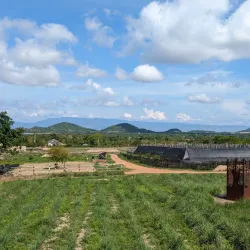
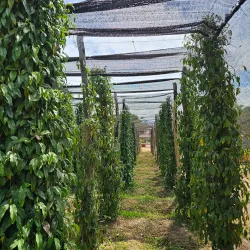
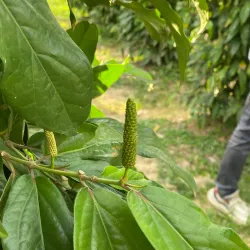
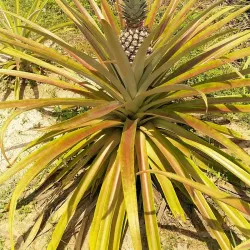
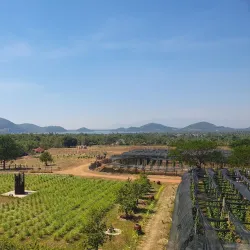
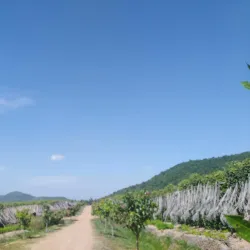
Kampot is famous for its high-quality pepper, and visiting the pepper plantations provides insight into the traditional farming methods used to produce this prized spice.
Tours often include explanations of the cultivation process and tastings, allowing visitors to appreciate why Kampot pepper is considered one of the best in the world.
Kampot Riverside
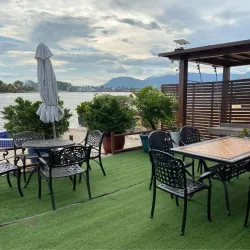

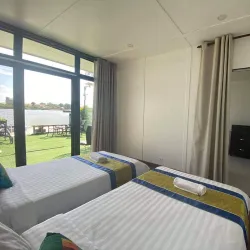
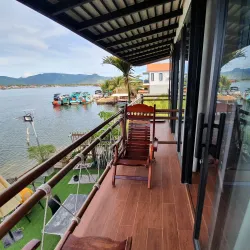
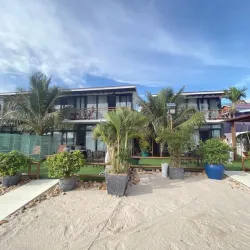
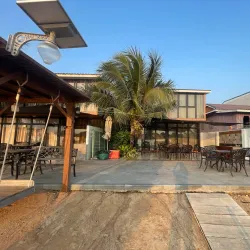
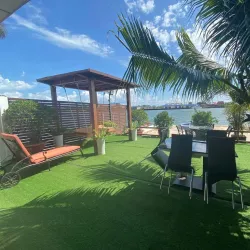
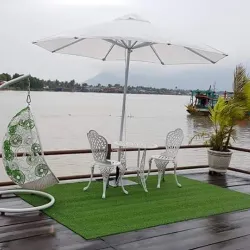
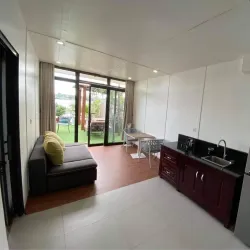

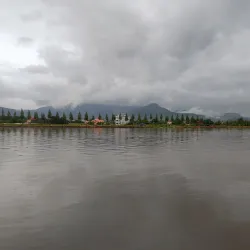
The Kampot Riverside is a lively area along the Preaek Tuek Chhu River, featuring cafes, restaurants, and bars with scenic views. It is a popular spot for relaxing, dining, and socializing, especially at sunset.
The riverside promenade is ideal for leisurely walks and offers a glimpse into local life and culture.
Phnom Chhngok Cave Temple
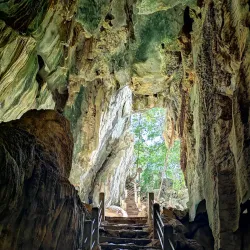

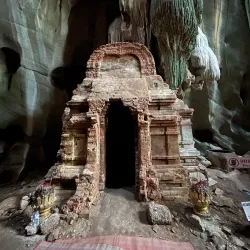
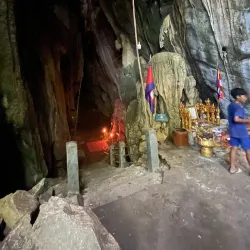
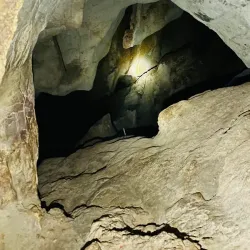
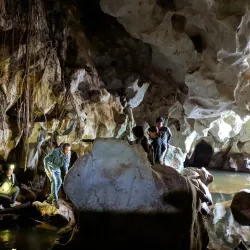
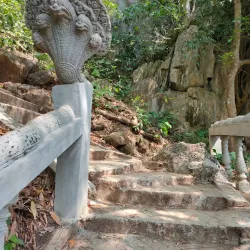
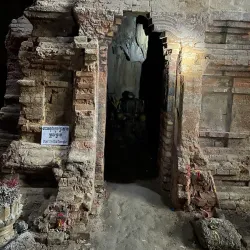
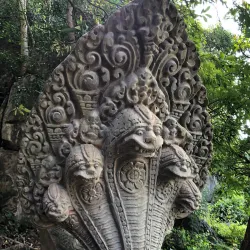
This cave temple is a unique attraction featuring a small Buddhist shrine inside a limestone cave. It is located a short drive from Kampot town and offers a peaceful setting for visitors.
The cave also contains ancient carvings and stalactites, making it an interesting site for both spiritual visitors and nature enthusiasts.
Kampot Old Market (Phsar Kandal)
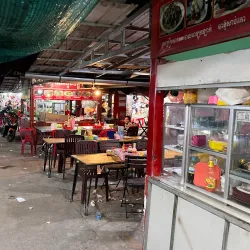
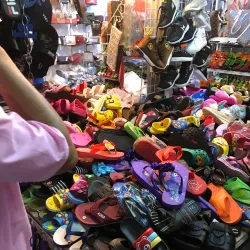
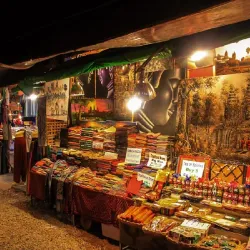
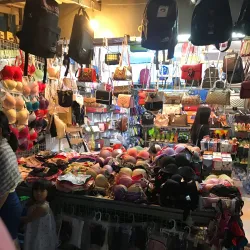
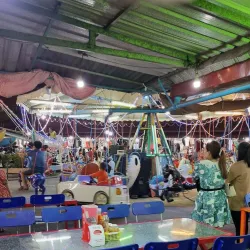
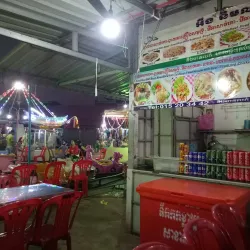

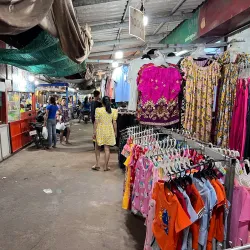
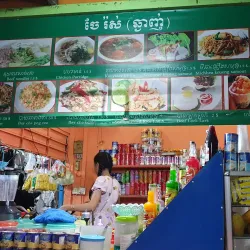
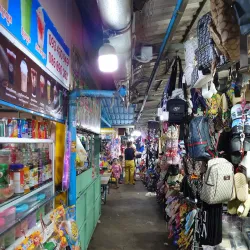
The Old Market is a bustling local market where visitors can experience authentic Cambodian daily life. It offers fresh produce, local snacks, handicrafts, and souvenirs.
The market is a great place to interact with locals and sample traditional foods.
Salt Fields of Kampot
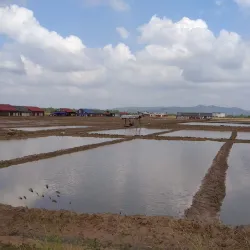
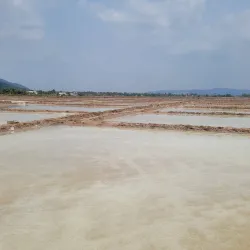
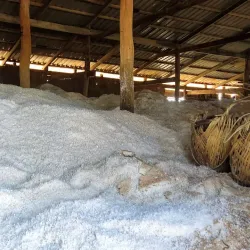
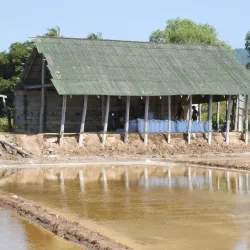
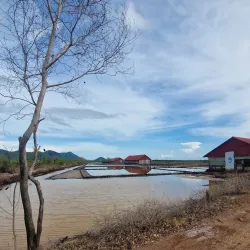
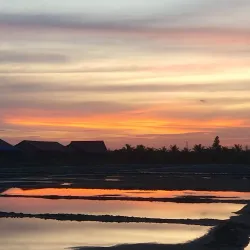
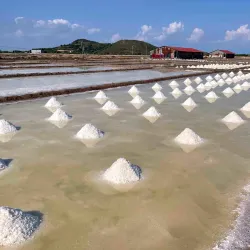
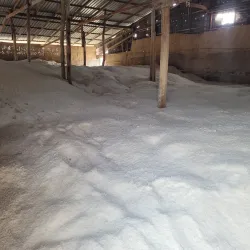
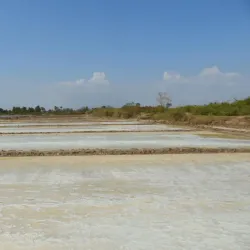
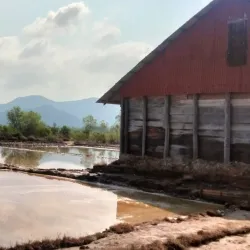
The salt fields near Kampot are an important part of the local economy and landscape. Visitors can see traditional salt harvesting methods and the vast white salt pans that stretch across the plains.
The area is particularly photogenic during sunrise and sunset, attracting photographers and curious travelers.
Teuk Chhou Rapids
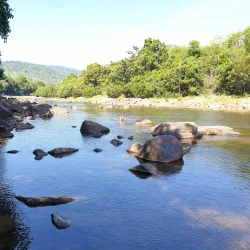
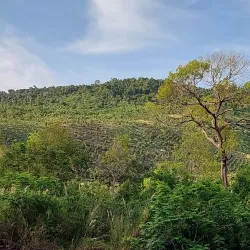
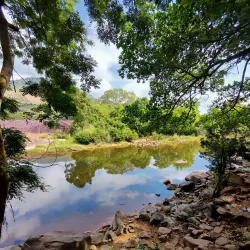
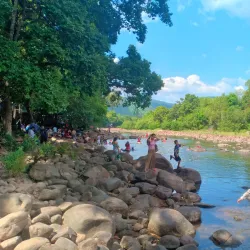
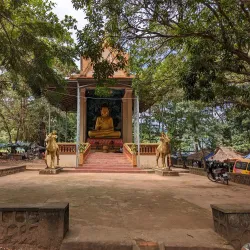
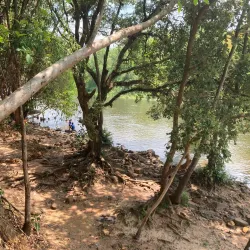
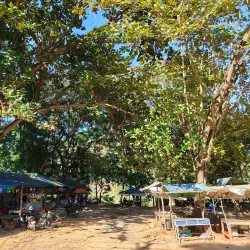
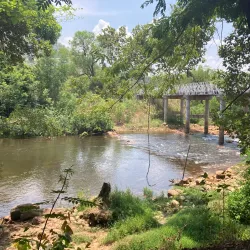

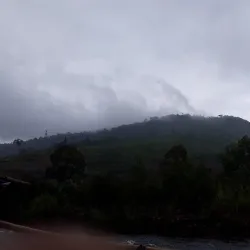
Located just outside Kampot, the Teuk Chhou Rapids are a natural attraction where visitors can swim, picnic, and enjoy the refreshing river waters.
The area is popular with locals and tourists alike, offering a cool retreat from the heat.
Kampot Museum

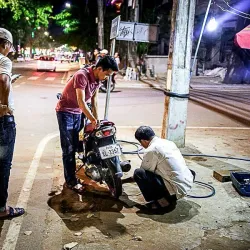
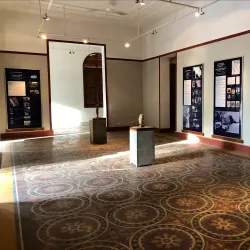
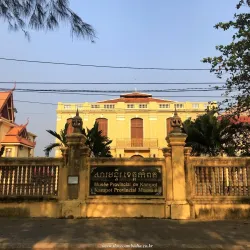
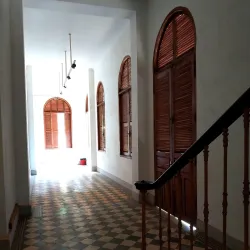
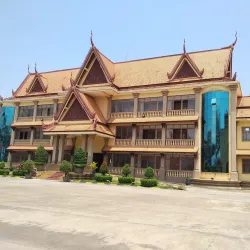
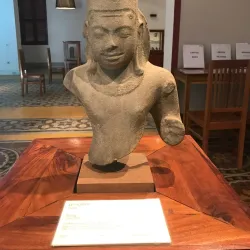
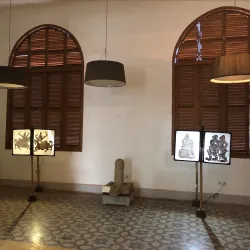
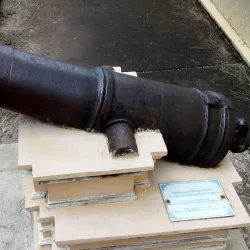
The Kampot Museum provides historical context about the region, including its colonial past, local culture, and natural environment.
It is a small but informative museum that helps visitors understand the significance of Kampot in Cambodia's history.
Preaek Tuek Chhu River Cruise
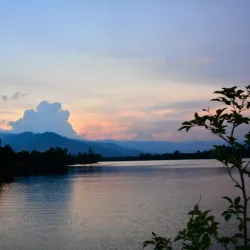

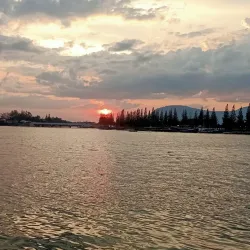

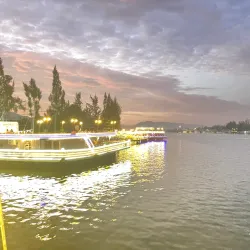


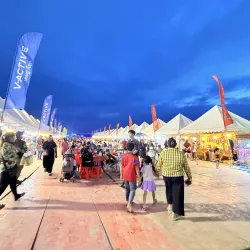
Cruising along the Preaek Tuek Chhu River offers a relaxing way to see the countryside around Kampot. Tours often include sunset cruises, wildlife spotting, and visits to nearby fishing villages.
The river cruise is a peaceful experience that showcases the natural beauty and rural life of the area.
Kep National Park (near Kampot)
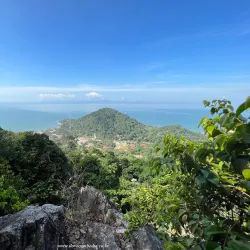
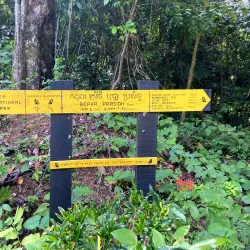


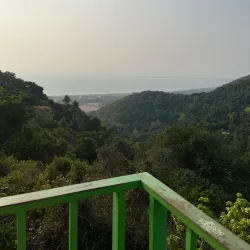


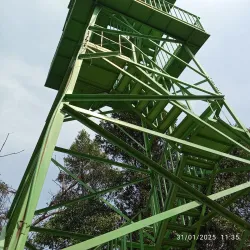
Though technically in Kep, this national park is close to Kampot and worth a visit. It features hiking trails, viewpoints, and diverse flora and fauna.
Visitors can enjoy panoramic views of the coastline and Kampot countryside from the park's peaks.