Things to do in Ngaoundéré
Ngaoundéré is the capital of the Adamawa Region in Cameroon, known for its rich cultural heritage and scenic landscapes. It serves as a gateway to the northern and eastern parts of the country and is a vibrant center for Fulani culture.The city blends traditional and modern elements, with bustling markets, historic sites, and natural attractions nearby. Visitors can experience the local way of life, explore natural parks, and enjoy the unique architecture and cuisine of the region.Ngaoundéré Palace (Lamido's Palace)
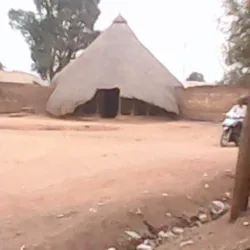
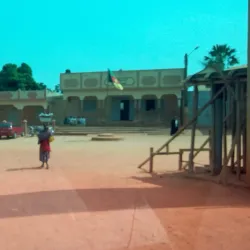

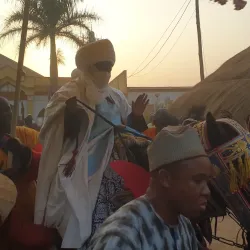
This historic palace is the residence of the Lamido, the traditional ruler of the Fulani people in the Adamawa region. It is an important cultural and political symbol, showcasing traditional architecture and the heritage of the Fulani community.
Visitors can learn about the history and customs of the Fulani people and see the impressive structure that blends local design with historical significance.
Ngaoundéré Central Market
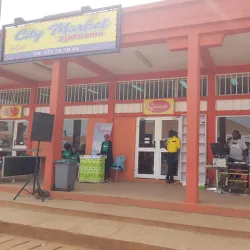

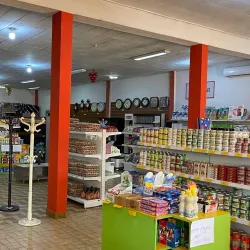

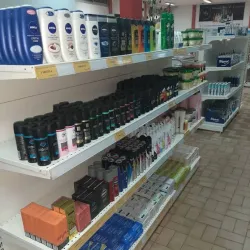




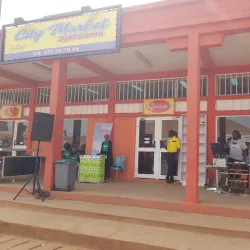
The central market is a bustling hub where locals sell fresh produce, crafts, textiles, and traditional foods. It offers an authentic experience of daily life in Ngaoundéré and a chance to purchase local goods and souvenirs.
The market is vibrant and colorful, providing insight into the region's culture and economy.
Mount Ngaoundéré
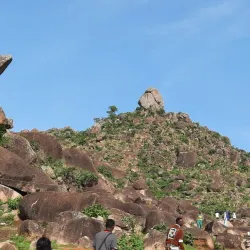
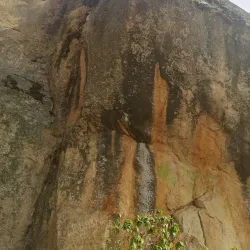
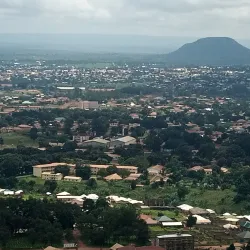
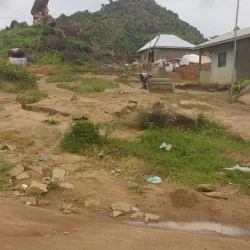
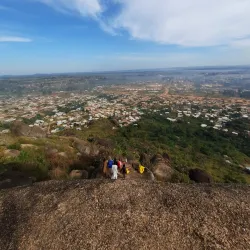
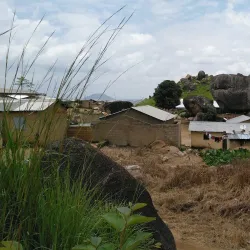
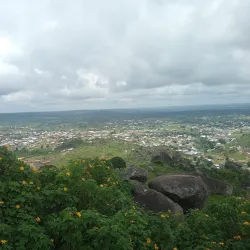
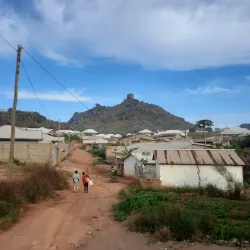
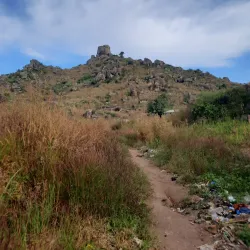
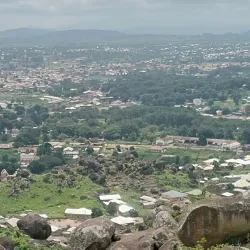
This volcanic mountain near the city offers hiking opportunities and panoramic views of the Adamawa Plateau. It is a natural landmark and a popular spot for outdoor enthusiasts.
The area around the mountain is rich in flora and fauna, making it ideal for nature walks and bird watching.
Faro National Park

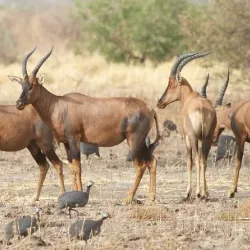
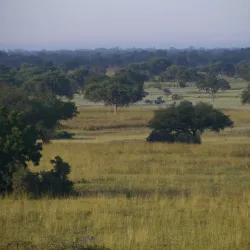
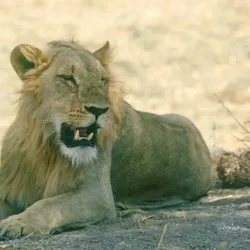
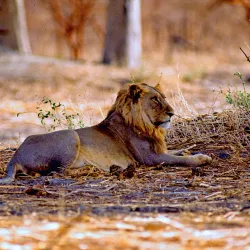
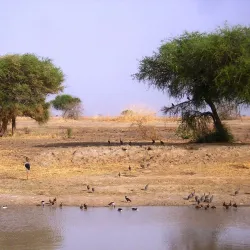
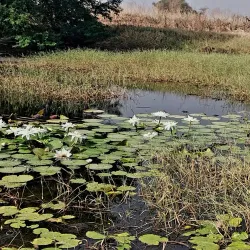
Located a few hours from Ngaoundéré, Faro National Park is one of Cameroon's largest protected areas. It is home to diverse wildlife including elephants, lions, and various bird species.
The park offers safari experiences and is important for conservation efforts in the region.
Lamido's Mosque
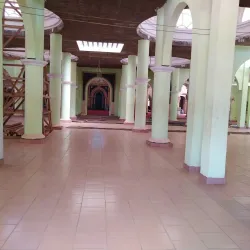
This mosque is a significant religious site in Ngaoundéré, reflecting the Islamic heritage of the Fulani people. It features traditional Islamic architecture and serves as a center for community gatherings and worship.
Visitors can appreciate the cultural and spiritual importance of the mosque in the local community.
Adamawa Museum

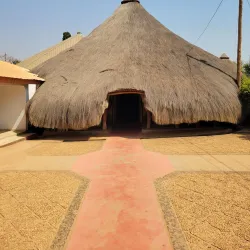
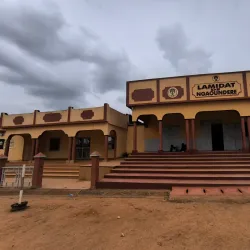
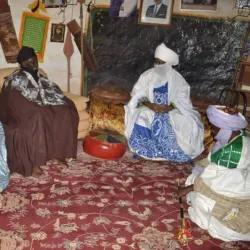
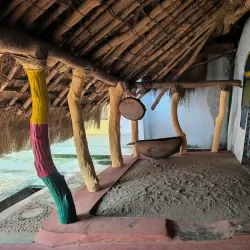
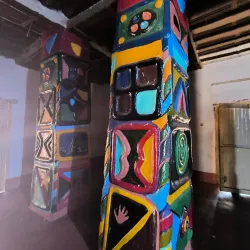
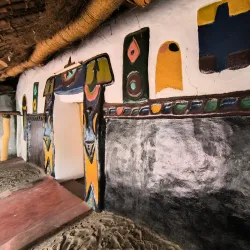
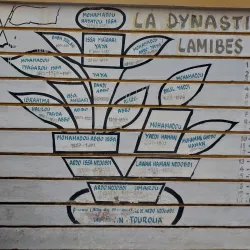
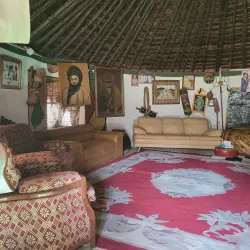
The museum showcases the history, culture, and traditions of the Adamawa region. Exhibits include traditional clothing, tools, musical instruments, and artifacts from the Fulani and other local ethnic groups.
It provides educational insights into the region's past and cultural diversity.
Mbakaou Lake
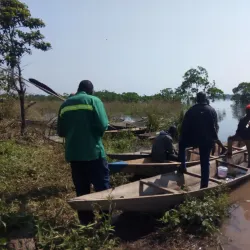
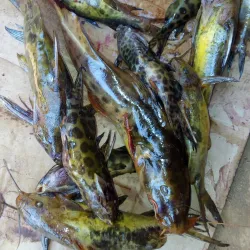
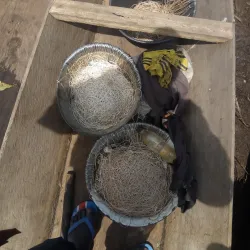
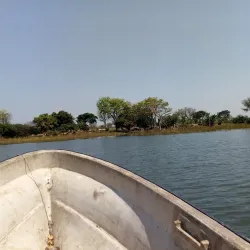
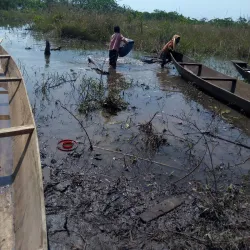
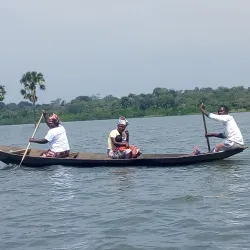
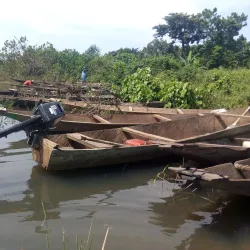
A scenic lake located near Ngaoundéré, popular for fishing, picnicking, and relaxation. The lake is surrounded by beautiful landscapes and offers opportunities for bird watching and nature photography.
It is a peaceful spot for visitors looking to enjoy the natural environment.
Waza National Park

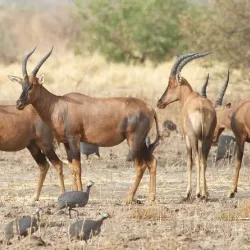
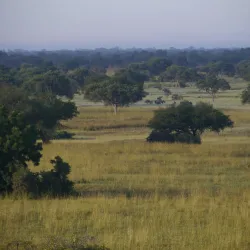
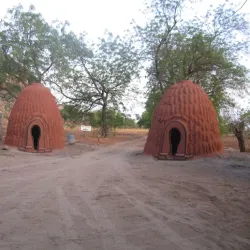
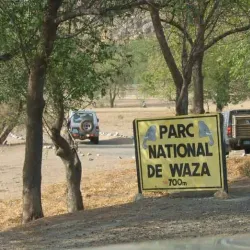
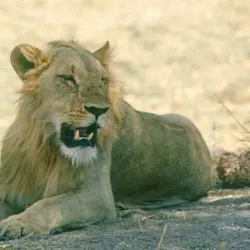
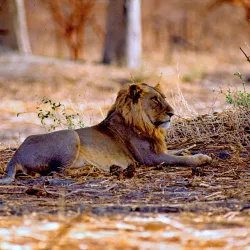
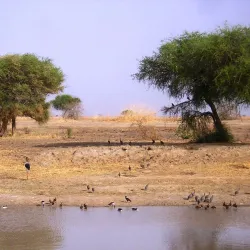
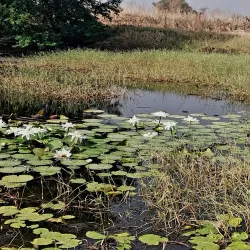
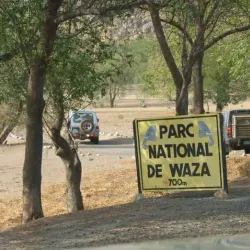
Though a bit farther from Ngaoundéré, Waza National Park is a renowned wildlife reserve in northern Cameroon. It is famous for its large populations of elephants, giraffes, and other savannah animals.
The park provides guided tours and is a highlight for wildlife enthusiasts visiting the region.
Fulani Cultural Village
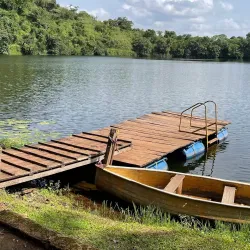


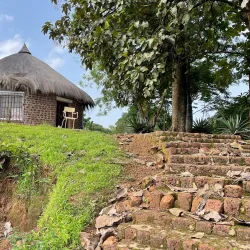
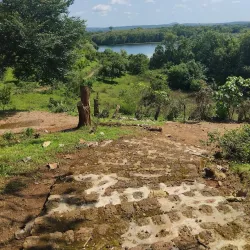

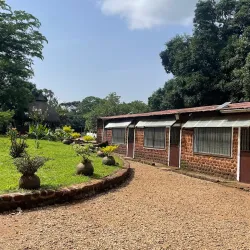


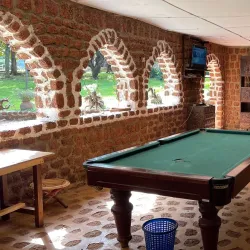
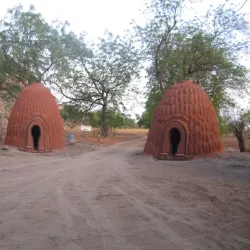
This cultural village offers an immersive experience into the lifestyle and traditions of the Fulani people. Visitors can see traditional huts, participate in cultural activities, and learn about Fulani customs and crafts.
It is an excellent place to gain a deeper understanding of the local ethnic heritage.
Ngaoundéré Botanical Garden
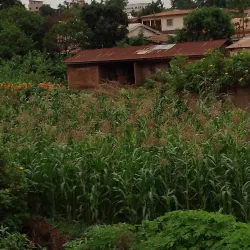
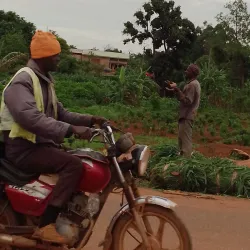
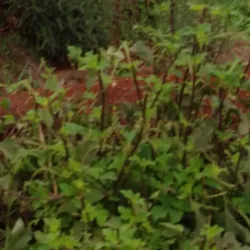
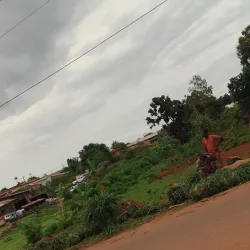
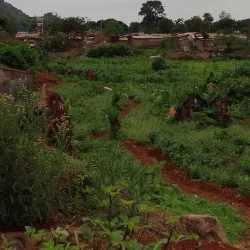
A garden showcasing the diverse plant species of the Adamawa region. It serves as a place for education and conservation, highlighting native flora and medicinal plants used by local communities.
The garden is a tranquil spot for visitors interested in botany and nature.