Things to do in Alert
Alert is the northernmost permanently inhabited place in the world, located in Nunavut, Canada, on the northeastern tip of Ellesmere Island. It is primarily a military and scientific research station, known for its extreme Arctic environment and proximity to the North Pole.Due to its remote location and harsh climate, Alert is not a typical tourist destination. However, it offers unique experiences related to Arctic exploration, scientific research, and the natural environment of the High Arctic.Canadian Forces Station Alert (CFS Alert)
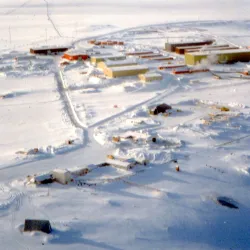


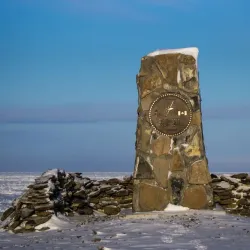
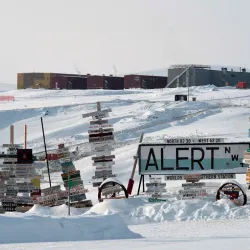
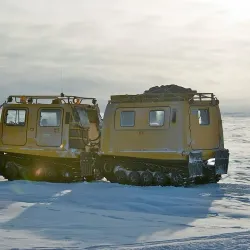

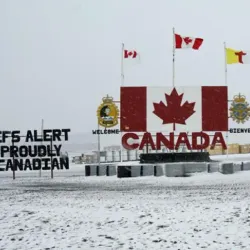


CFS Alert is the northernmost military and signals intelligence station in the world. It serves as a key site for monitoring and research in the Arctic region, including weather observation and communications.
The station is not open to the public, but it represents a critical part of Canada's Arctic presence and sovereignty.
Alert Weather Station
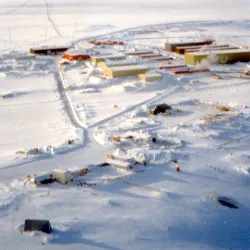


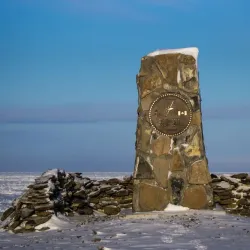
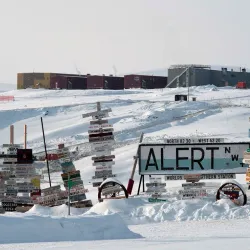
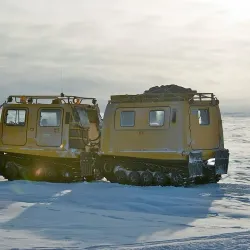

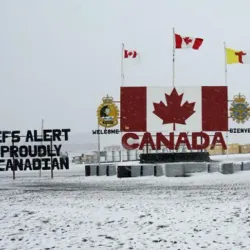


This weather station provides vital meteorological data from one of the most extreme environments on Earth. It contributes to global climate research and Arctic weather forecasting.
The station is part of the scientific infrastructure supporting understanding of climate change impacts in the polar regions.
Arctic Tundra Landscape
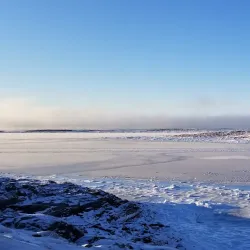
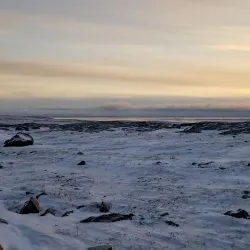
The surrounding landscape of Alert features typical High Arctic tundra, characterized by permafrost, sparse vegetation, and unique wildlife adapted to extreme cold.
Exploring this landscape offers insights into Arctic ecology and the adaptations of flora and fauna in one of the harshest climates on Earth.
North Pole Proximity Experience
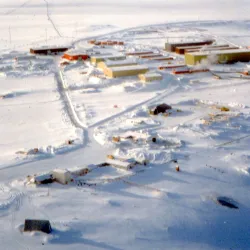


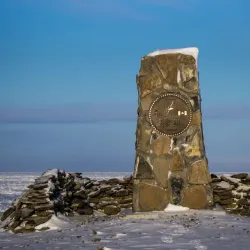
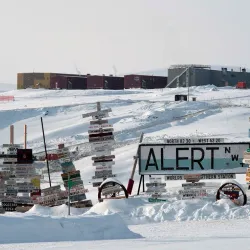
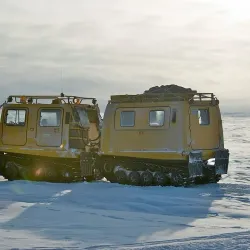

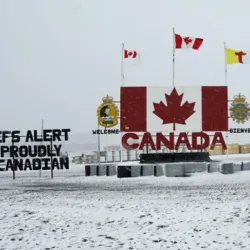


Alert is the closest inhabited place to the North Pole, approximately 817 kilometers (508 miles) away. This proximity offers a unique perspective on polar geography and exploration history.
While travel to the North Pole itself is highly specialized, Alert serves as a starting point for some scientific expeditions and Arctic adventures.
Ellesmere Island
Ellesmere Island is the third largest island in Canada and home to Alert. It features rugged mountains, glaciers, and fjords, making it a significant location for Arctic research and exploration.
The island's remote wilderness is a habitat for polar bears, muskoxen, and Arctic hares, offering opportunities for wildlife observation in extreme conditions.
Arctic Research and Monitoring Programs
Various scientific programs operate in and around Alert, focusing on climate change, atmospheric studies, and Arctic ecosystems.
These programs contribute to global understanding of environmental changes and support international cooperation in polar research.
Polar Day and Polar Night Phenomena
Due to its extreme northern latitude, Alert experiences continuous daylight in summer (polar day) and continuous darkness in winter (polar night).
These phenomena create unique conditions for scientific study and are a remarkable natural experience for those who visit.
Arctic Wildlife Observation
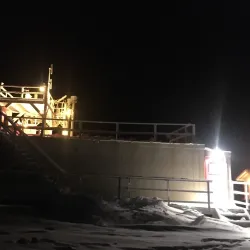
The region around Alert is home to specialized Arctic wildlife, including polar bears, Arctic foxes, and migratory birds.
Observing these animals in their natural habitat provides insight into survival strategies in extreme cold and the fragility of Arctic ecosystems.
Historical Arctic Expeditions Sites
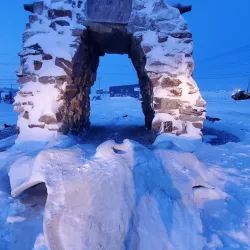

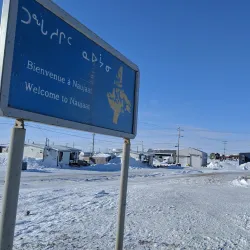
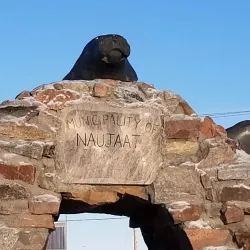
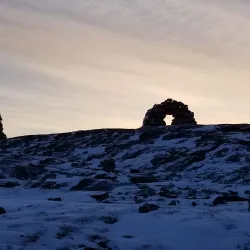
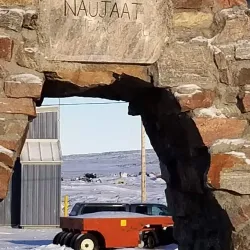
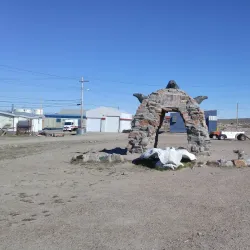

The area near Alert has historical significance related to early Arctic exploration and military presence during the Cold War.
Remnants and markers from past expeditions and installations can be found, reflecting the human history of Arctic exploration.
Northern Lights Viewing
Alert's location within the Arctic Circle makes it an excellent place to witness the Aurora Borealis or Northern Lights during the dark winter months.
The clear, unpolluted skies provide spectacular natural light displays, a highlight for visitors and researchers alike.