
Quality of life in Cambridge Bay
Cost of Living, Healthcare, Safety, Education, and More
About Cambridge Bay
Cambridge Bay, located in the Kitikmeot Region of Nunavut, Canada, is a vibrant community known for its rich Inuit culture and stunning Arctic landscapes. As a hub for scientific research and exploration, the city plays a crucial role in Arctic studies and environmental monitoring.The community is characterized by its close-knit atmosphere and a strong connection to traditional Inuit practices, which are evident in daily life and local events. Cambridge Bay's unique geographical location offers breathtaking views of the Northern Lights and opportunities for outdoor adventures, making it a fascinating destination for both residents and visitors.




History and Culture
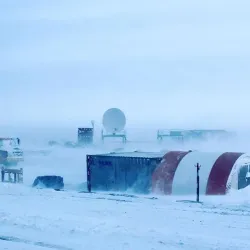
Cambridge Bay, or 'Iqaluktuuttiaq' in Inuktitut, meaning 'good fishing place,' has a history deeply rooted in Inuit traditions. The area has been inhabited for thousands of years by the Inuit, who have thrived in the harsh Arctic environment through their knowledge of the land and sea.
In the 20th century, Cambridge Bay became a focal point for trade and transportation in the Arctic, with the establishment of a Hudson's Bay Company post and later, a DEW Line site during the Cold War. These developments brought significant changes to the community, introducing new technologies and economic opportunities.
Today, Cambridge Bay is a blend of traditional and modern influences. The community celebrates its heritage through events like the Omingmak Frolics, an annual festival featuring traditional games, music, and dance. The Canadian High Arctic Research Station (CHARS) located here further underscores the city's importance in scientific research and cultural preservation.
Things to do in Cambridge Bay
Visitors to Cambridge Bay can explore the breathtaking Arctic landscape through activities such as hiking, fishing, and wildlife viewing. The nearby Ovayok Territorial Park offers trails with stunning views and opportunities to learn about the region's geology and history.
Cultural enthusiasts can visit the May Hakongak Community Library and Cultural Centre, which houses a collection of Inuit art and artifacts, providing insights into the rich cultural heritage of the area.
The community hosts several events throughout the year, including the Omingmak Frolics, which features traditional Inuit games, music, and dance, offering a unique glimpse into the local culture. Additionally, the Northern Lights are a spectacular natural phenomenon that can be observed from Cambridge Bay, especially during the winter months.
Quality of Life Rankings



Weather in Cambridge Bay
Cambridge Bay, Canada experiences a polar climate characterized by long, extremely cold winters and short, cool summers. The city receives an average annual precipitation of approximately 5.5 inches (140 mm), with August being the wettest month, averaging 1 inch (25 mm) of rainfall.
Seasonal Breakdown
- Spring (March to May)Temperatures gradually rise from an average high of -18°F (-28°C) in March to 23°F (-5°C) in May. Snowfall is common during this period, and the transition from winter to spring is slow, with lingering cold temperatures.
- Summer (June to August)The warmest months, with average highs ranging from 41°F (5°C) in June to 50°F (10°C) in July. Rainfall is at its peak in August, averaging around 1 inch (25 mm) per month. Despite being the warmest season, temperatures remain relatively cool.
- Autumn (September to November)Temperatures gradually decrease from an average high of 36°F (2°C) in September to -4°F (-20°C) in November. Snowfall begins to increase as the city transitions back to winter conditions.
- Winter (December to February)The coldest period, with average highs ranging from -11°F (-24°C) in December to -15°F (-26°C) in February. Snowfall is frequent, and the city experiences prolonged periods of darkness due to its northern latitude.
Notable Weather Events
- Prolonged periods of darkness during winter months.
- Frequent snowstorms and blizzards in winter.
- Short, cool summers with occasional rain showers.
Cambridge Bay's Political Climate
Cambridge Bay, located in the northern territory of Nunavut, Canada, is a unique blend of traditional Inuit governance and modern political structures. The city is governed by a municipal council, which works in tandem with the territorial government of Nunavut. This dual governance structure allows for a blend of local and territorial policy-making, reflecting both the needs of the community and the broader objectives of the territory.
Historically, Cambridge Bay has been a hub for Inuit culture and governance, with a strong emphasis on preserving traditional ways of life while integrating modern governance practices. The current political leadership in Cambridge Bay is focused on addressing key issues such as climate change, economic development, and social equity. The city has been proactive in implementing policies that promote sustainability, including initiatives aimed at reducing carbon emissions and protecting the Arctic environment.
Recent political trends in Cambridge Bay include a growing emphasis on social justice and community engagement. The city has seen increased political activism, particularly among younger residents, who are advocating for more inclusive and equitable policies. This shift is reflected in the city's legislative priorities, which include improving healthcare access, enhancing educational opportunities, and supporting indigenous rights.
Political Quick Facts
- Voter Turnout65%
- City GovernanceMunicipal council with territorial oversight
- CompositionMajority Inuit representation with a focus on community issues
- Recent Political ChangesIncreased focus on climate action and indigenous rights
- EngagementHigh, with active community participation in local governance
- Political ScorecardB+ for transparency and community involvement
- Legislative PrioritiesClimate change adaptation Economic development Social equity and inclusion
- Public OpinionProgressive, with strong support for environmental and social policies
Notable Political Figures
- Pamela GrossFormer Mayor and advocate for Inuit culture and rights
- Jeannie EhaloakFormer MLA and proponent of infrastructure development
- Paul QuassaInfluential Inuit leader and former Premier of Nunavut