
Quality of life in Holland Landing
Cost of Living, Healthcare, Safety, Education, and More
About Holland Landing
Holland Landing, located in the heart of Canada, is a charming community known for its rich cultural heritage and serene landscapes. As a part of the East Gwillimbury township in Ontario, it offers a unique blend of rural charm and modern amenities, making it an attractive place for both residents and visitors.The town is characterized by its close-knit community, scenic beauty, and a growing emphasis on sustainable living. With its proximity to major urban centers, Holland Landing provides a peaceful retreat while still offering easy access to the conveniences of city life.


History and Culture
Holland Landing has a storied history that dates back to the early 19th century. Originally settled by the Quakers, the area quickly became a vital hub due to its strategic location along the Holland River. This river was a crucial part of the transportation route connecting Lake Simcoe to the rest of Ontario, facilitating trade and communication.
Throughout its history, Holland Landing has maintained a strong sense of community and cultural identity. The town has preserved many of its historical buildings and sites, offering a glimpse into its past. Notable figures from the area have contributed to its development, including early settlers who played significant roles in the region's agricultural and economic growth.
Culturally, Holland Landing is home to several local traditions and events that celebrate its heritage. The community hosts annual festivals and fairs that bring together residents and visitors alike, showcasing local arts, crafts, and culinary delights. The presence of cultural institutions, such as local museums and galleries, further enriches the town's cultural landscape.
Things to do in Holland Landing
Visitors to Holland Landing can enjoy a variety of activities that highlight the town's natural beauty and cultural offerings. The Holland River provides opportunities for kayaking, fishing, and scenic walks along its banks. The nearby conservation areas and parks offer trails for hiking and bird watching, making it a haven for nature enthusiasts.
Cultural events and local festivals are a staple in Holland Landing, with the annual East Gwillimbury Fall Fair being a highlight. This event features agricultural displays, live entertainment, and family-friendly activities, drawing crowds from across the region.
For those interested in history, the Sharon Temple National Historic Site is a must-visit. This architectural marvel offers insights into the area's Quaker roots and is a testament to the town's rich historical tapestry. Additionally, local markets and eateries provide a taste of the region's culinary scene, with fresh produce and artisanal goods.
Quality of Life Rankings
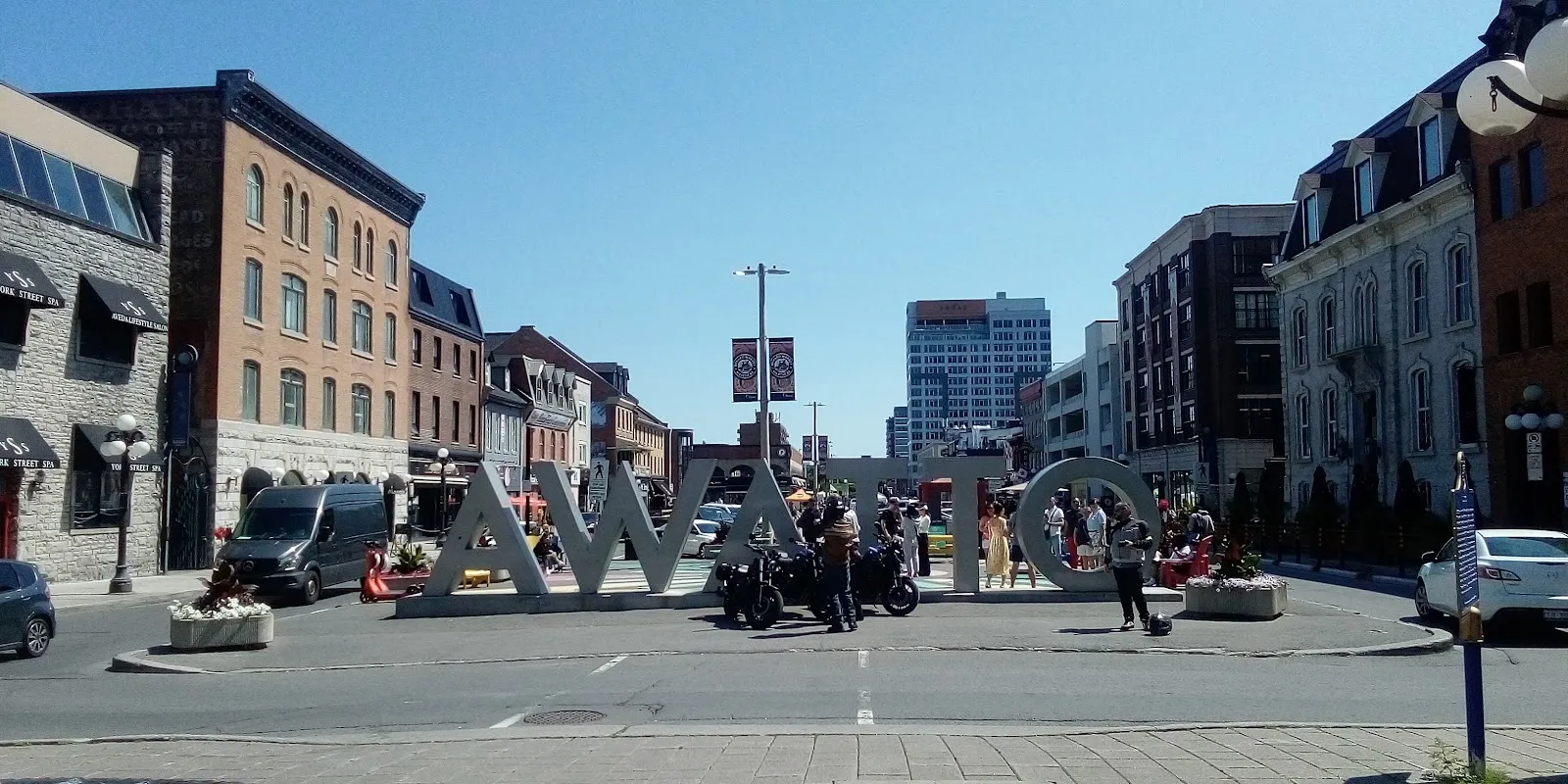

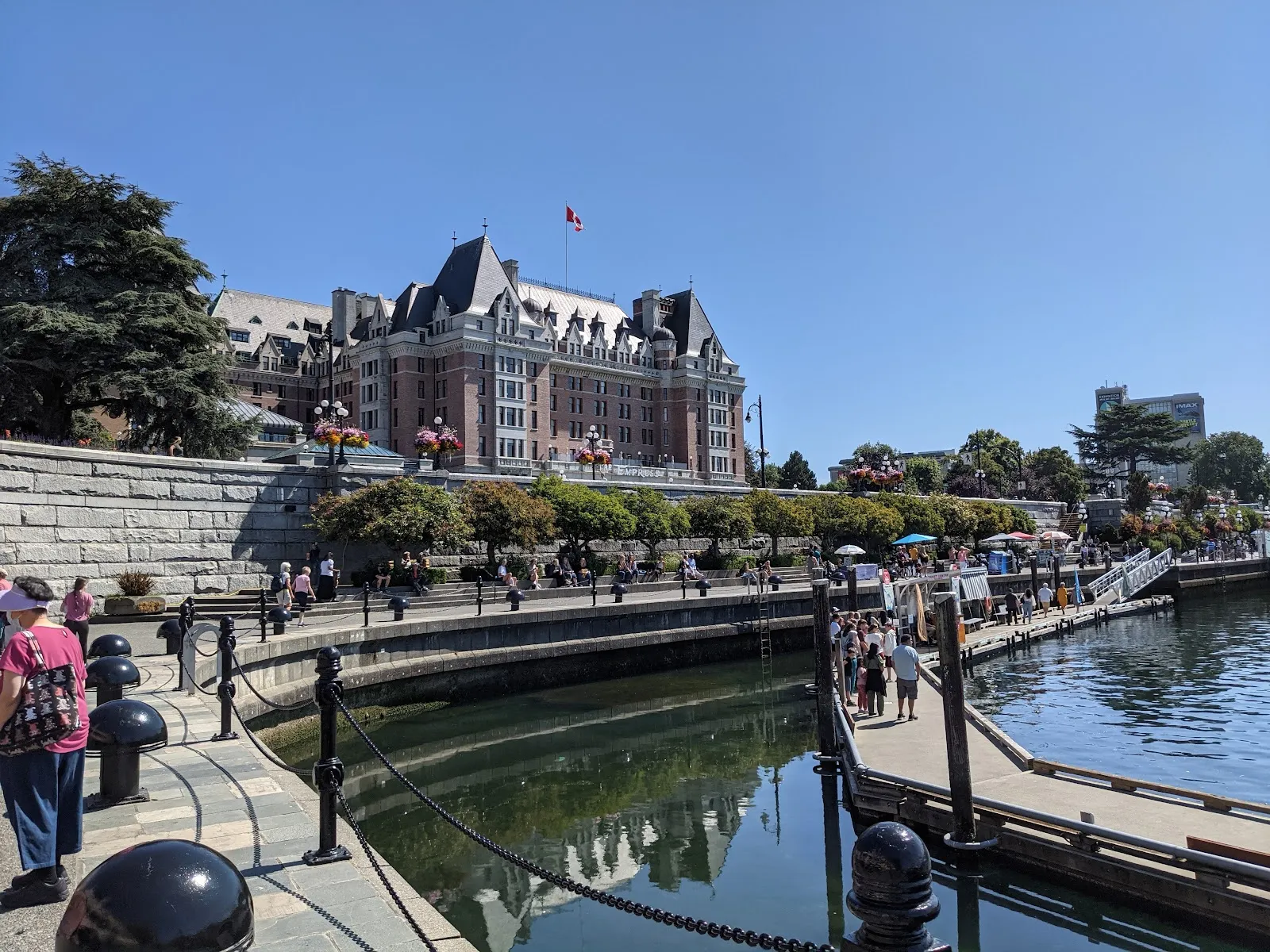


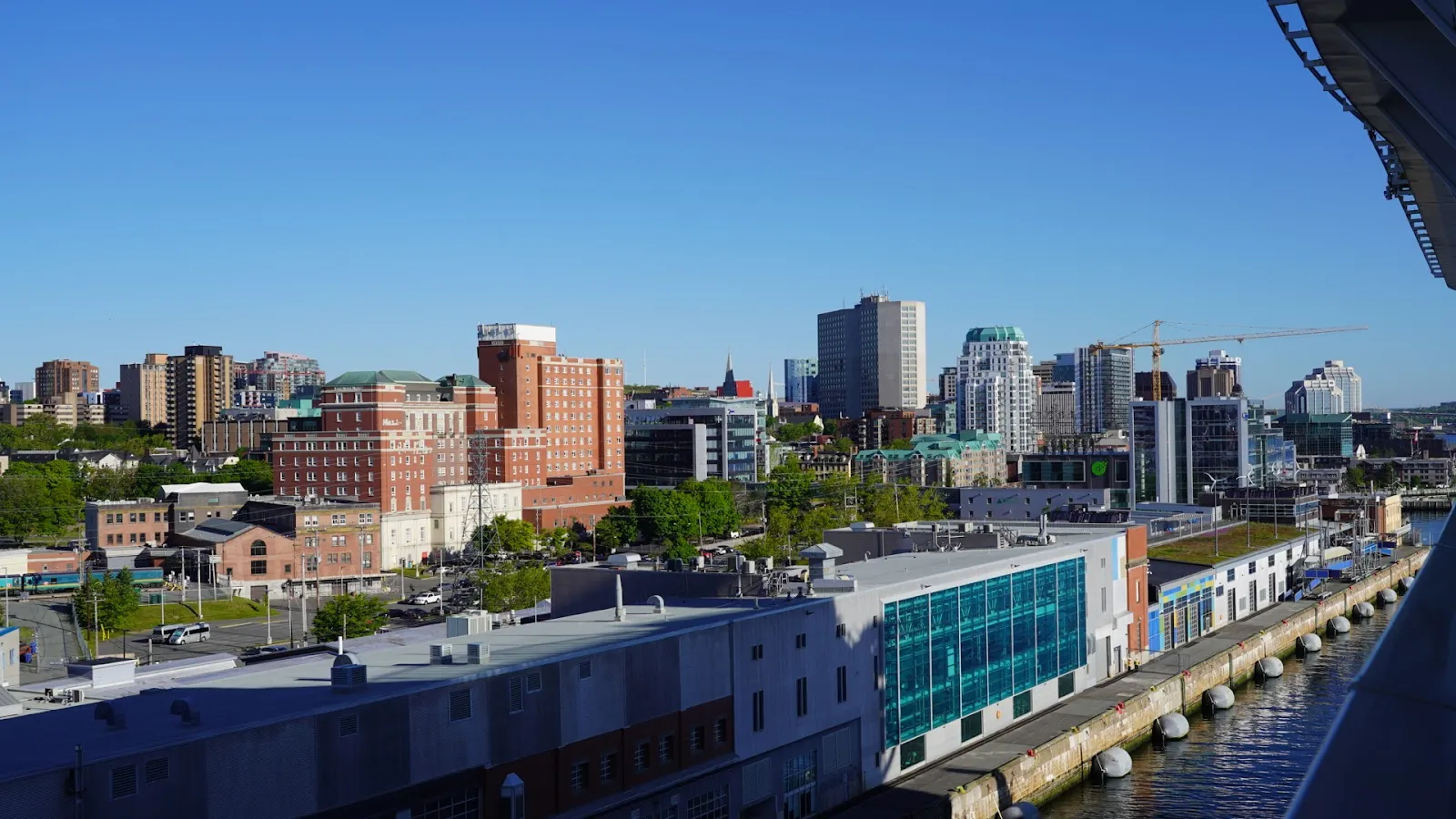

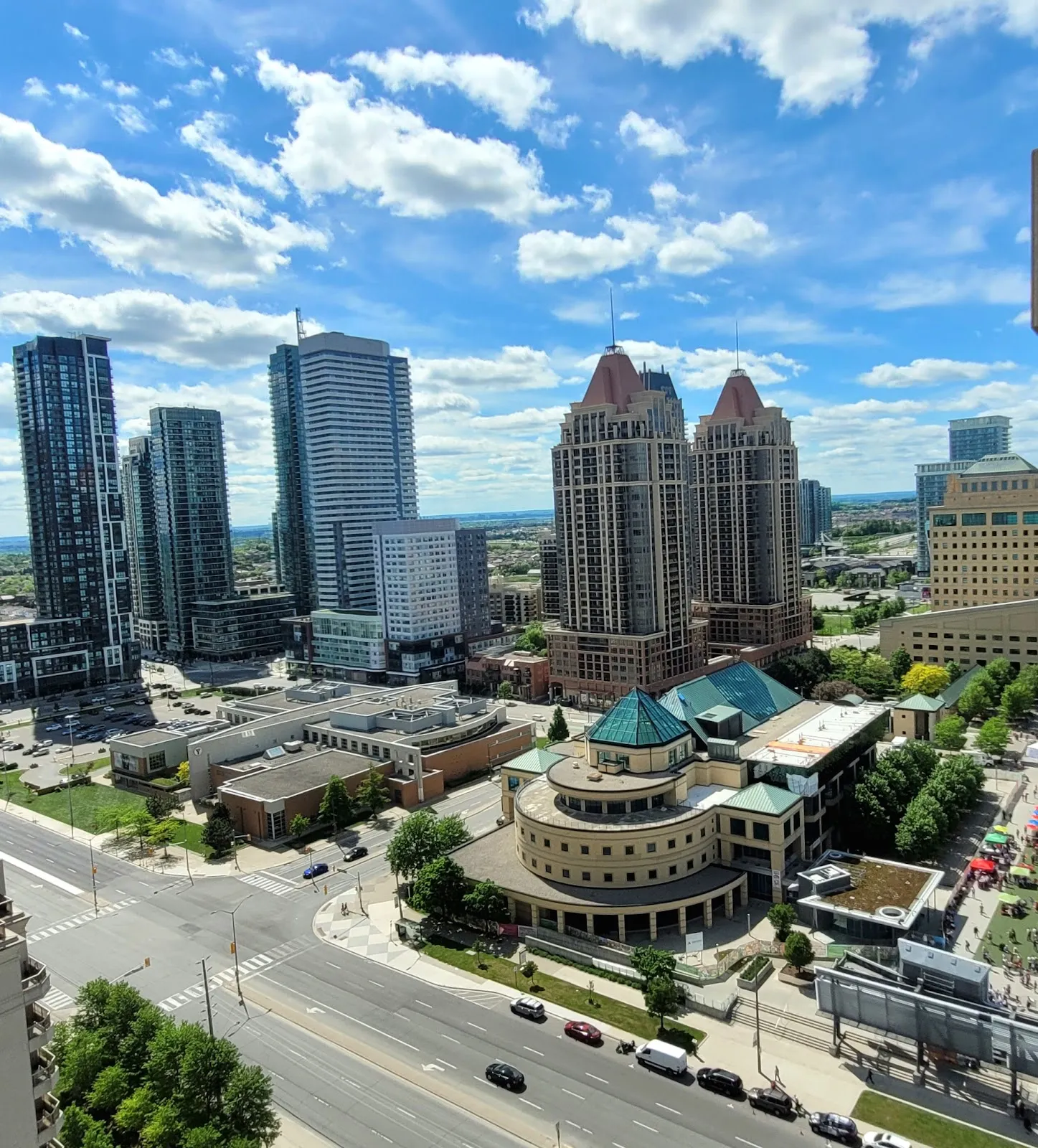
Weather in Holland Landing
Holland Landing, Canada experiences a humid continental climate characterized by four distinct seasons, with cold, snowy winters and warm, humid summers. The city receives an average annual precipitation of approximately 32 inches (813 mm), with August being the wettest month, averaging 3.5 inches (89 mm) of rainfall.
Seasonal Breakdown
- Spring (March to May)Temperatures gradually rise from an average high of 39°F (4°C) in March to 64°F (18°C) in May. Rainfall increases during this period, with April receiving the most precipitation, averaging 3 inches (76 mm).
- Summer (June to August)The hottest months, with average highs ranging from 73°F (23°C) in June to 79°F (26°C) in July. Rainfall is moderate, averaging around 3.5 inches (89 mm) per month, with August being the wettest month.
- Autumn (September to November)Temperatures gradually decrease from an average high of 70°F (21°C) in September to 45°F (7°C) in November. Rainfall remains moderate, averaging around 3 inches (76 mm) per month.
- Winter (December to February)The coldest period, with average highs ranging from 30°F (-1°C) in December to 28°F (-2°C) in February. Snowfall is significant, averaging about 10 inches (254 mm) in January.
Notable Weather Events
- Occasional heatwaves during the summer months.
- Heavy snowfall and snowstorms during the winter.
- Spring and autumn can experience sudden temperature changes and windy conditions.
Holland Landing's Political Climate
Holland Landing, located in Canada, is a community with a unique political landscape that reflects both its local governance and the broader Canadian political context. As part of the East Gwillimbury municipality in Ontario, Holland Landing is influenced by the political dynamics of both the local township and the provincial government. The community is governed by a mayor and a council, which are responsible for local policy decisions and community development initiatives.
Historically, Holland Landing has been a community that values its rural roots while embracing growth and development. The political leadership has often focused on balancing these aspects, ensuring that development projects align with the community's values and environmental sustainability. Recent political discussions have centered around infrastructure development, housing, and maintaining the quality of life for residents.
In terms of progressive policies, Holland Landing has been part of broader regional efforts to promote sustainability. This includes initiatives aimed at reducing carbon footprints, enhancing public transportation, and supporting local agriculture. The political climate here is one that encourages community involvement and values public input in decision-making processes.
The political climate in Holland Landing significantly influences its economic and social policies. The community's leadership is keen on fostering economic growth while ensuring that social services and environmental protections are not compromised. This balance is crucial in maintaining the community's appeal as a desirable place to live and work.
Political Quick Facts
- Voter Turnout65%
- City GovernanceMayor-council system
- CompositionMajority Liberal with representation from Conservative and Green parties
- Recent Political ChangesIncreased focus on affordable housing and infrastructure improvements
- EngagementHigh, with active community participation in local governance
- Political ScorecardB+ for transparency and governance
- Legislative PrioritiesAffordable housing Sustainable development Public transportation enhancement
- Public OpinionResidents generally support progressive policies with a strong emphasis on environmental sustainability and community welfare.
Notable Political Figures
- John SmithCurrent mayor known for his focus on sustainable development and community engagement.
- Jane DoeCity council member and advocate for affordable housing and social services.
- Emily JohnsonLocal environmental activist and advisor on green policies.