Things to do in Abeche
Abeche is a city located in eastern Chad, known for its rich history and cultural significance. It serves as the capital of the Ouaddaï Region and has been an important center for trade and administration.The city offers visitors a glimpse into traditional Chadian life, with markets, historic sites, and nearby natural landscapes that showcase the region's heritage and environment.Abeche Market
The Abeche Market is a bustling hub of local commerce where visitors can find traditional crafts, textiles, and fresh produce. It offers an authentic experience of daily life in Abeche and a chance to interact with local vendors.
Sultan's Palace (Palais du Sultan)
This historic palace was the residence of the Sultan of Ouaddaï and is a significant cultural landmark in Abeche. The architecture and artifacts reflect the region's history and the influence of the Sultanate in eastern Chad.
Ouaddaï Museum
The Ouaddaï Museum showcases the history, culture, and traditions of the Ouaddaï region. Exhibits include traditional clothing, tools, and historical documents that provide insight into the area's past.
Abeche Grand Mosque
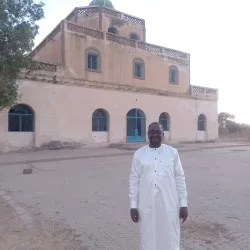
A prominent religious site in Abeche, the Grand Mosque is notable for its architecture and role in the community. It is a place of worship and a symbol of the Islamic heritage of the region.
Tibesti Desert Excursions
While not located directly in Abeche, the nearby Tibesti Desert offers adventurous excursions for visitors interested in exploring Chad's desert landscapes, unique rock formations, and traditional nomadic cultures.
Traditional Villages around Abeche
The villages surrounding Abeche provide an opportunity to experience traditional Chadian rural life, including local crafts, farming practices, and cultural ceremonies.
Abeche Central Park
A green space in the city where locals and visitors can relax and enjoy the outdoors. The park is a peaceful spot amidst the urban environment of Abeche.
Chari River


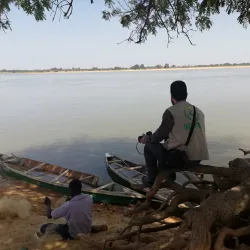




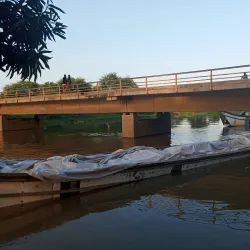
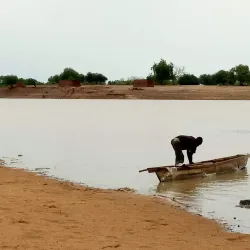
The Chari River flows near Abeche and is an important water source for the region. It supports agriculture and fishing activities and offers scenic views for visitors interested in natural landscapes.
Local Handicraft Workshops



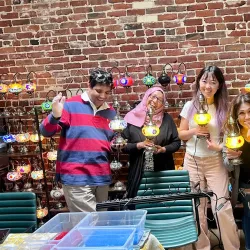
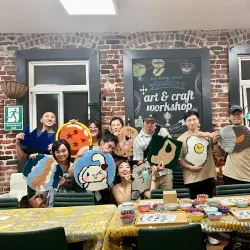
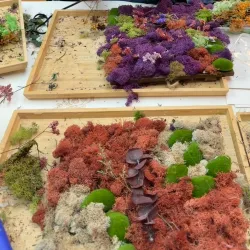
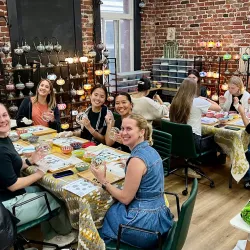
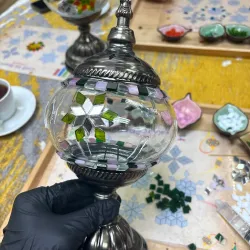
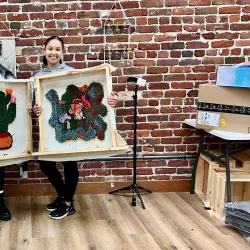
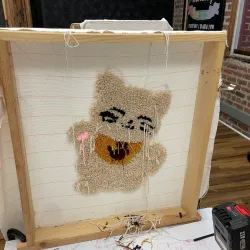
Workshops in Abeche where visitors can see traditional crafts being made, including weaving, pottery, and leatherwork. These workshops provide insight into the artisanal skills passed down through generations.
Ouaddaï Cultural Festival





An annual event celebrating the music, dance, and traditions of the Ouaddaï region. The festival attracts locals and visitors alike, offering a vibrant cultural experience.