Things to do in Anyang
Anyang, located in Henan Province, China, is a city rich in historical significance and cultural heritage. Known as one of the ancient capitals of China, it offers visitors a unique glimpse into the country's early civilization and archaeological treasures.The city is famous for its archaeological sites, ancient ruins, and museums that showcase the history of the Shang Dynasty and early Chinese writing. Anyang's blend of historical landmarks and natural scenery makes it a fascinating destination for history enthusiasts and travelers interested in Chinese culture.Yin Ruins (Yinxu)
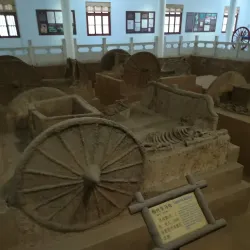
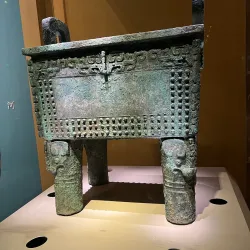
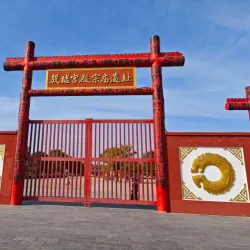
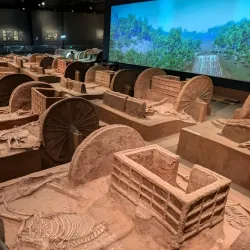
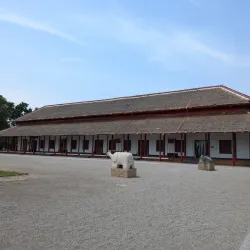
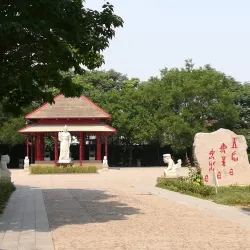
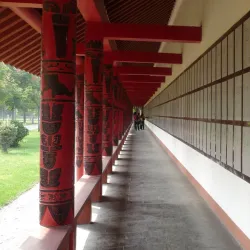
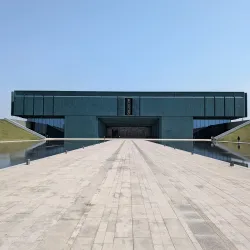
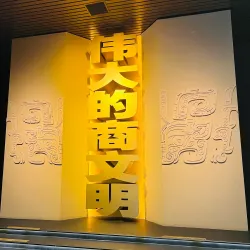
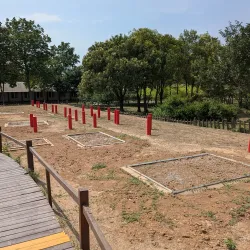
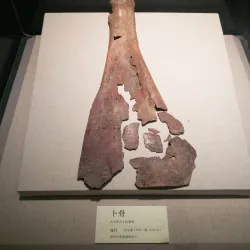
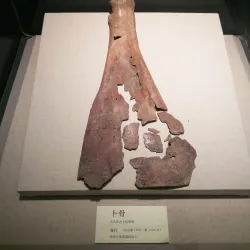
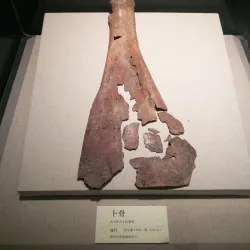
Yin Ruins is the ancient archaeological site of the last capital of the Shang Dynasty, dating back over 3,000 years. It is famous for the discovery of oracle bones, which are the earliest known form of Chinese writing.
The site is a UNESCO World Heritage Site and offers visitors a chance to see ancient palace foundations, royal tombs, and artifacts that shed light on early Chinese civilization.
Anyang Museum
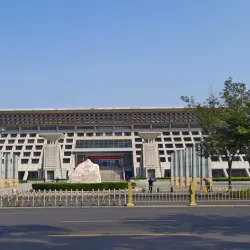
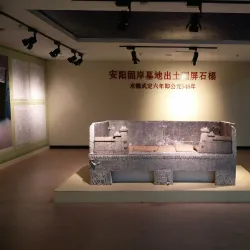
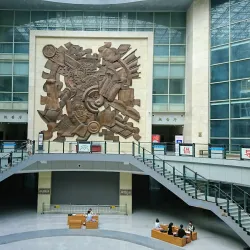
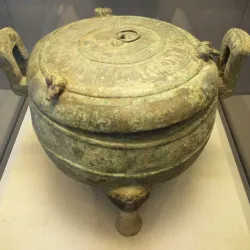
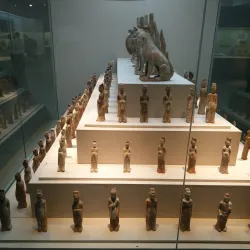
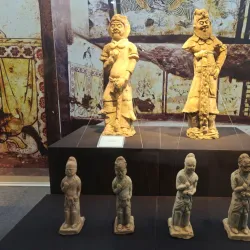
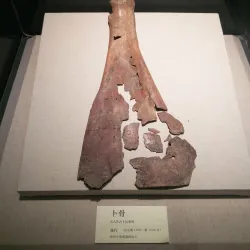
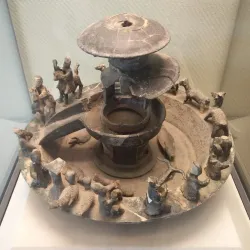
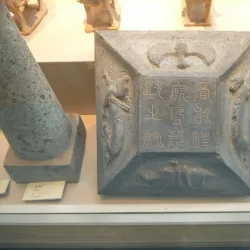
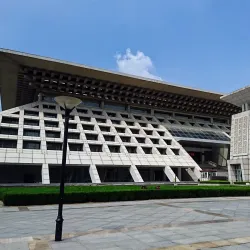
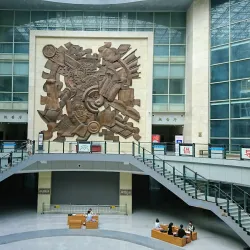
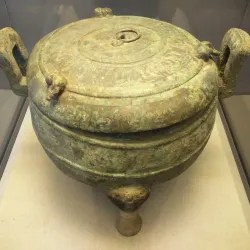
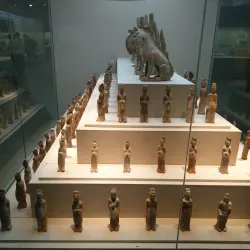
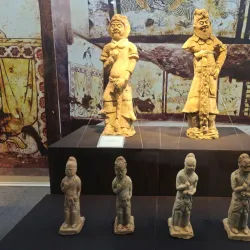
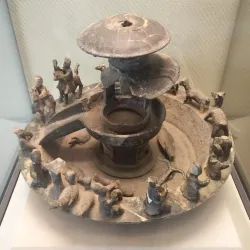
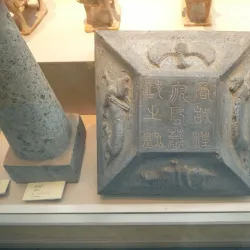
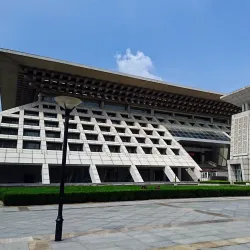
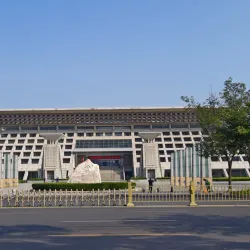
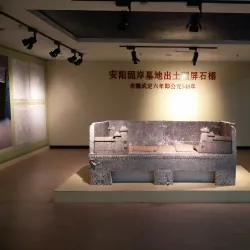
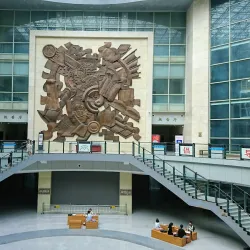
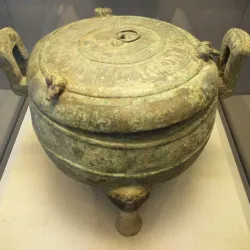
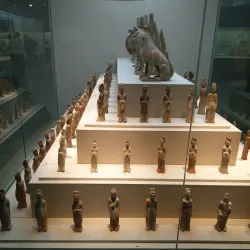
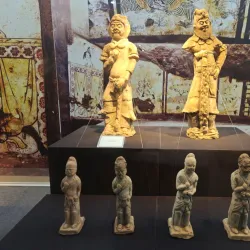
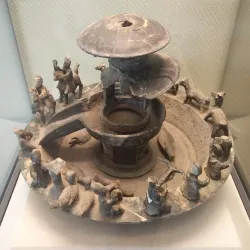
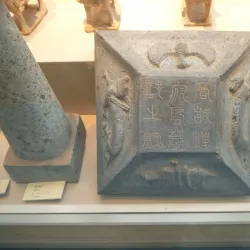
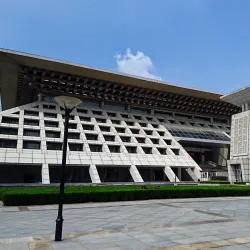
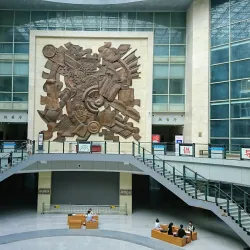
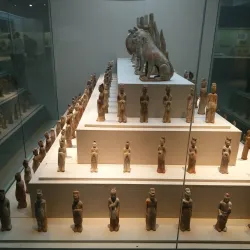
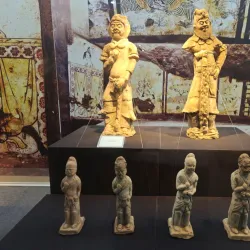
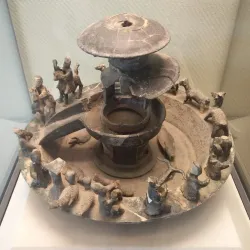
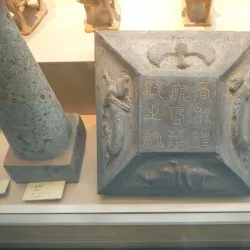
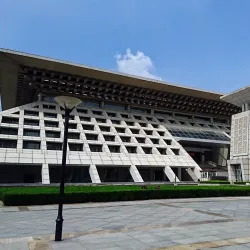
The Anyang Museum houses a vast collection of artifacts from the Yin Ruins and other local archaeological sites. It provides detailed exhibits on the history, culture, and art of the Shang Dynasty and ancient China.
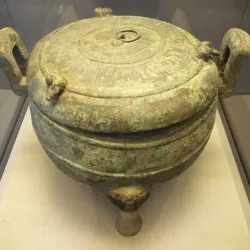
The museum is an excellent place to learn about the significance of oracle bones, bronze ware, and other relics discovered in the region.
Wenfeng Pagoda
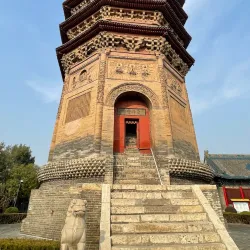
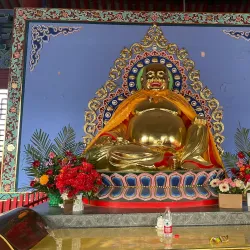
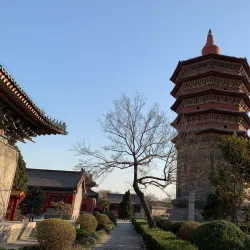
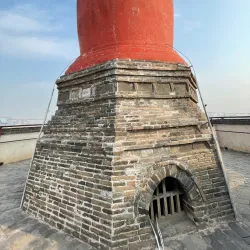
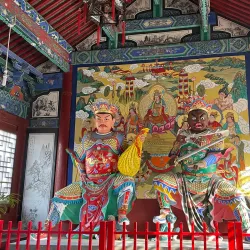
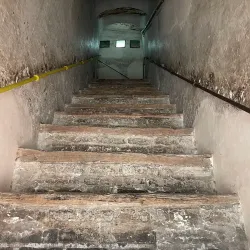
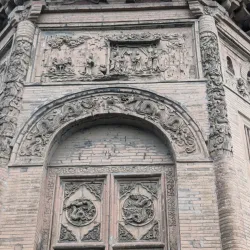
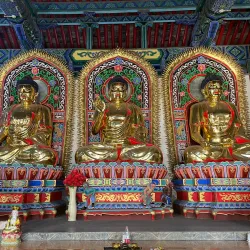
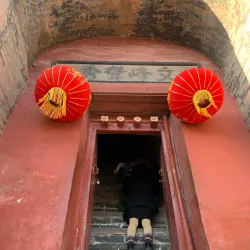
Wenfeng Pagoda is a historic Buddhist pagoda located in Anyang. It is known for its architectural beauty and cultural importance as a symbol of the city’s religious heritage.
Visitors can admire the pagoda's intricate design and enjoy panoramic views of the surrounding area.
Baogong Ancestral Temple
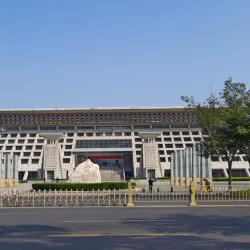
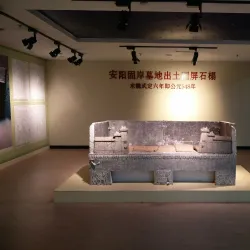
This temple is dedicated to Bao Zheng, a famous and respected official from the Song Dynasty known for his fairness and integrity.
The temple complex includes statues, inscriptions, and traditional Chinese architecture, offering insight into Chinese judicial history and folk culture.
Red Flag Canal
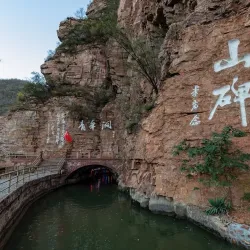
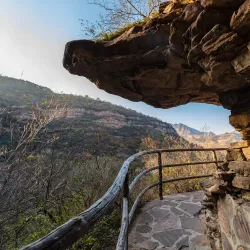
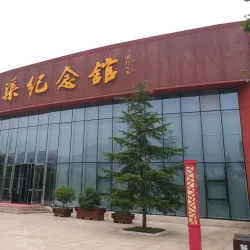
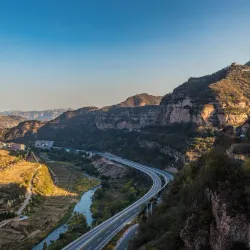
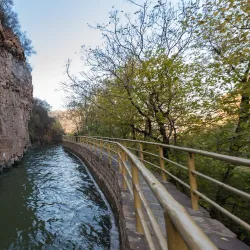

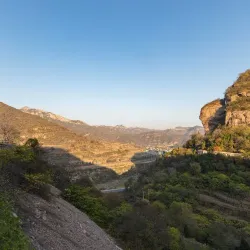
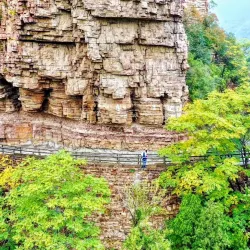
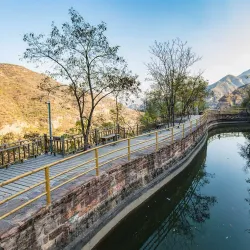
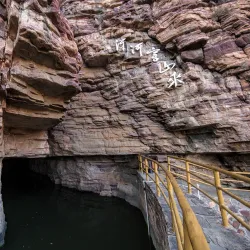
The Red Flag Canal is an impressive irrigation canal built in the 1960s that showcases the determination and engineering skills of the local people.
It is a popular site for visitors interested in modern Chinese history and rural development, surrounded by scenic landscapes.
Anyang Forest Park
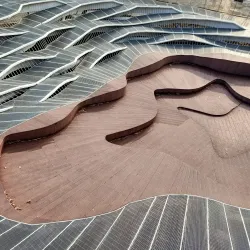
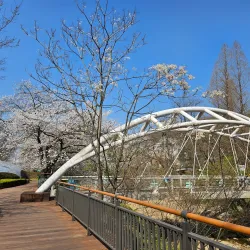

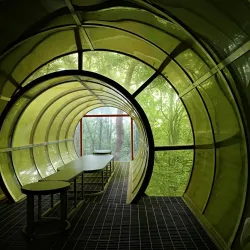
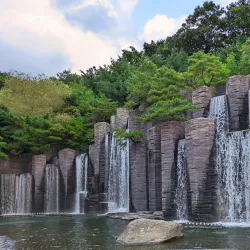
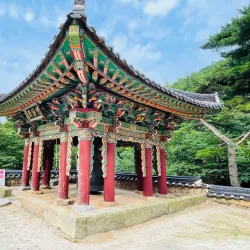
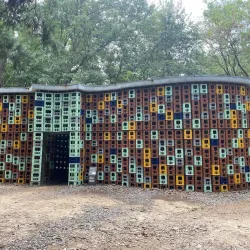
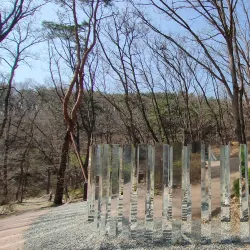
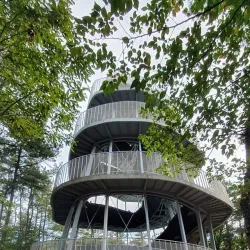
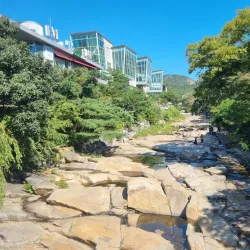
Anyang Forest Park is a large green space in the city, perfect for relaxation and outdoor activities.
The park features walking trails, gardens, and recreational areas, providing a natural retreat within the urban environment.
Guandi Temple
Guandi Temple is dedicated to Guan Yu, a famous general from the Three Kingdoms period who is worshipped as a deity of loyalty and righteousness.
The temple is an important cultural and religious site, featuring traditional Chinese architecture and statues.
Anyang Ancient City Wall
The remnants of the ancient city wall of Anyang offer a glimpse into the city's defensive architecture and urban planning during ancient times.
Visitors can explore parts of the wall and learn about the historical significance of Anyang as a fortified city.
Shang City Ruins
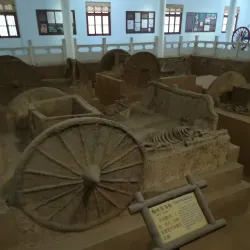
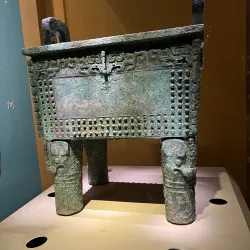
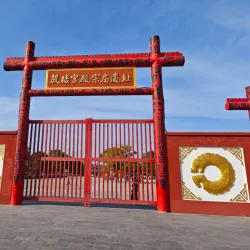
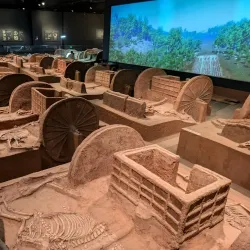
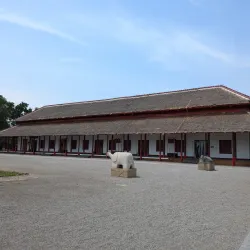
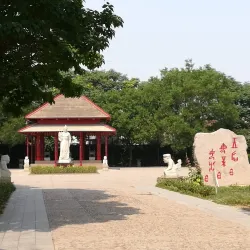
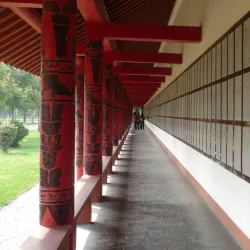
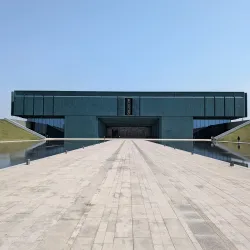
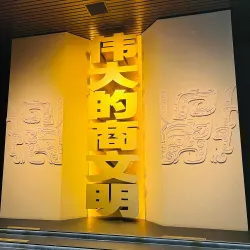
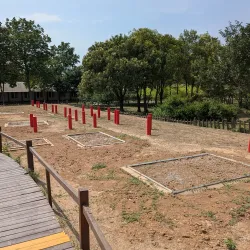
These ruins represent the remains of the ancient Shang Dynasty city, providing archaeological insights into early Chinese urban development and culture.
The site includes foundations of buildings, city gates, and other structures from the Shang period.
Anyang Confucius Temple
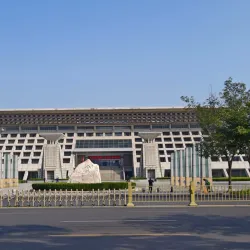
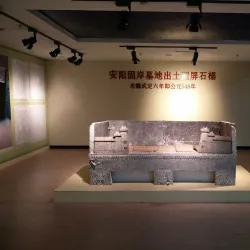
The Confucius Temple in Anyang is dedicated to the great Chinese philosopher Confucius and serves as a place for cultural and educational activities.
The temple complex features traditional architecture, statues, and inscriptions that celebrate Confucian teachings.