
Quality of life in Beihai
Cost of Living, Healthcare, Safety, Education, and More
About Beihai
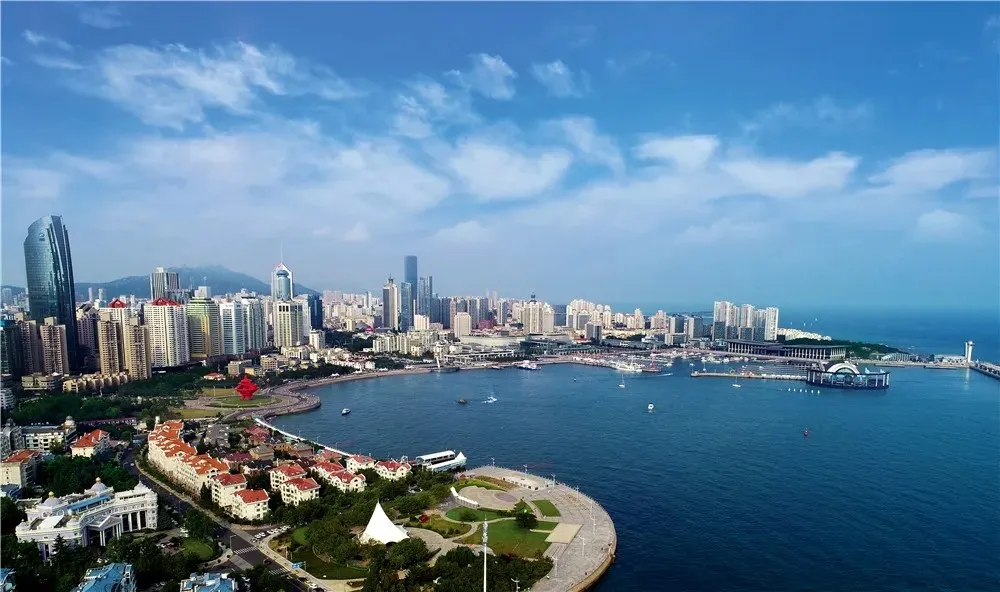
Beihai, located in the southern part of China, is a coastal city known for its picturesque beaches and rich cultural heritage. As a key port city, Beihai has a vibrant economy driven by trade, tourism, and fishing industries. The city is renowned for its relaxed atmosphere, making it a popular destination for both domestic and international tourists.In recent years, Beihai has seen significant development, with new infrastructure projects enhancing its connectivity and appeal. The city's unique blend of traditional Chinese culture and modern amenities offers a diverse experience for visitors and residents alike.


History and Culture
Beihai's history dates back over 2,000 years, with its origins as a significant trading port during the Han Dynasty. Throughout its history, Beihai has been a melting pot of cultures, influenced by its strategic location along the Maritime Silk Road. This rich history is reflected in the city's architecture, cuisine, and cultural practices.
The city played a crucial role during the Tang and Song Dynasties as a hub for international trade, connecting China with Southeast Asia and beyond. Beihai's cultural landscape is marked by its diverse ethnic communities, including the Han, Zhuang, and Yao people, each contributing to the city's vibrant cultural tapestry.
Notable cultural landmarks include the Beihai Old Street, which showcases colonial-era architecture, and the Silver Beach, famous for its fine, white sand. The city also hosts various festivals, such as the Beihai International Beach Music Festival, celebrating its musical heritage and attracting artists from around the world.
Things to do in Beihai
Visitors to Beihai can enjoy a variety of activities, from relaxing on the famous Silver Beach to exploring the historical Beihai Old Street. The city's coastal location offers numerous water-based activities, including sailing, fishing, and diving.
For those interested in history and culture, the Beihai Underwater World and the Beihai Museum provide insights into the region's maritime history and cultural evolution. The city is also known for its seafood cuisine, with local restaurants offering fresh catches prepared in traditional styles.
Beihai's nightlife is vibrant, with numerous bars and clubs offering entertainment late into the night. The city's parks and natural reserves, such as the Weizhou Island, provide opportunities for hiking and observing local wildlife, making it a perfect destination for nature enthusiasts.
Quality of Life Rankings


Weather in Beihai
Beihai, China experiences a humid subtropical climate characterized by hot, humid summers and mild, dry winters. The city receives an average annual precipitation of approximately 80 inches (2000 mm), with June being the wettest month, averaging around 12 inches (300 mm) of rainfall.
Seasonal Breakdown
- Spring (March to May)Temperatures gradually rise from an average high of 70°F (21°C) in March to 82°F (28°C) in May. Rainfall increases during this period, with May receiving significant precipitation, averaging around 10 inches (250 mm).
- Summer (June to August)The hottest months, with average highs ranging from 86°F (30°C) in June to 90°F (32°C) in July and August. Rainfall is at its peak, especially in June, averaging around 12 inches (300 mm) per month.
- Autumn (September to November)Temperatures gradually decrease from an average high of 86°F (30°C) in September to 73°F (23°C) in November. Rainfall decreases, averaging around 6 inches (150 mm) per month.
- Winter (December to February)The coldest period, with average highs ranging from 64°F (18°C) in December to 61°F (16°C) in February. Rainfall is minimal, averaging about 2 inches (50 mm) in January.
Notable Weather Events
- Typhoons during the summer months
- Occasional heatwaves in July and August
- Mild cold fronts in winter
Beihai's Political Climate
Beihai, located in the Guangxi Zhuang Autonomous Region of China, is a city with a unique political climate shaped by its strategic coastal position and historical significance. Governed under the centralized political system of China, Beihai's local government aligns closely with the policies and directives of the Communist Party of China (CPC). The city's political landscape is characterized by its focus on economic development, particularly in enhancing its role as a key port city and a hub for international trade.
Historically, Beihai has been a significant player in China's maritime activities, which continues to influence its political priorities today. The city's leadership is committed to fostering economic growth through infrastructure development and attracting foreign investment. This is evident in the city's efforts to expand its port facilities and improve transportation networks, aligning with China's broader Belt and Road Initiative.
In recent years, Beihai has also been focusing on sustainable development and environmental protection, reflecting a growing trend across Chinese cities to balance economic growth with ecological considerations. The city has implemented policies aimed at reducing pollution and promoting green spaces, which are crucial given its coastal environment.
The political climate in Beihai also reflects China's national priorities, such as maintaining social stability and promoting technological innovation. These priorities influence local governance and policy-making, ensuring that Beihai remains aligned with the central government's objectives.
Political Quick Facts
- Voter TurnoutN/A (as local elections are not held in the same manner as democratic countries)
- City GovernanceMunicipal government under the leadership of the Communist Party of China
- CompositionEntirely composed of members from the Communist Party of China
- Recent Political ChangesIncreased focus on environmental policies and international trade expansion
- EngagementModerate, with civic activities primarily organized through government-sanctioned channels
- Political ScorecardHigh alignment with national policies and directives
- Legislative PrioritiesEconomic development and trade expansion Environmental sustainability Infrastructure improvement
- Public OpinionGenerally supportive of economic growth initiatives, with increasing awareness of environmental issues
Notable Political Figures
- Li HongweiCurrent mayor of Beihai, known for his focus on economic development and infrastructure projects.
- Zhang WeiParty Secretary of Beihai, influential in aligning local policies with national directives.
- Chen XiaopingDeputy Mayor, advocates for environmental sustainability and green initiatives.