Things to do in Changzhi
Changzhi is a city located in Shanxi Province, China, known for its rich history, cultural heritage, and scenic landscapes. It offers visitors a blend of ancient sites, traditional architecture, and natural parks, making it a fascinating destination for travelers interested in Chinese history and culture.The city is surrounded by mountains and rivers, providing beautiful natural scenery alongside its historical attractions. Changzhi's neighborhoods reflect a mix of modern development and preservation of traditional Chinese culture.Guangsheng Temple
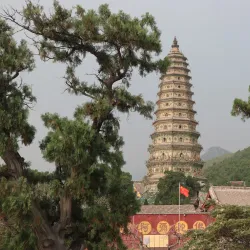
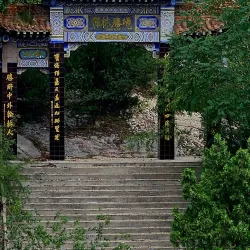
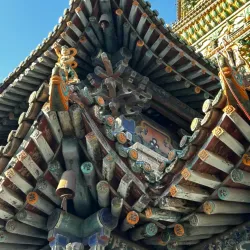
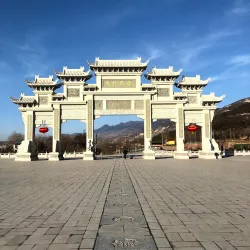
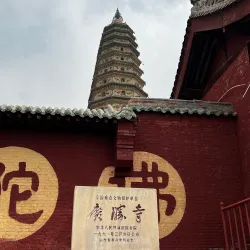
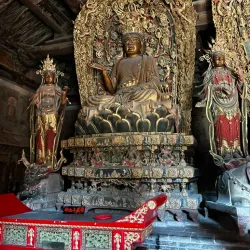
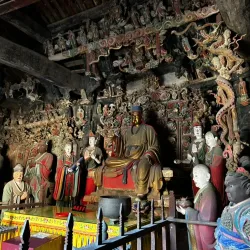
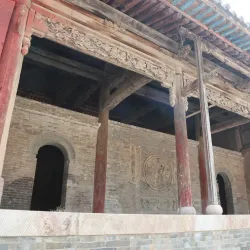
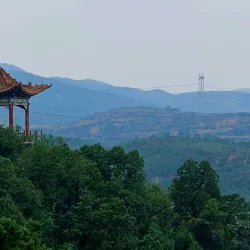
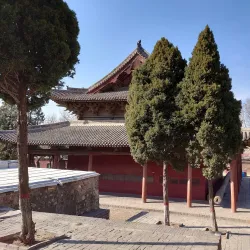
Guangsheng Temple is one of the oldest and most significant Buddhist temples in Shanxi Province. It dates back to the Northern Wei Dynasty and is renowned for its ancient architecture and cultural relics.
The temple complex includes several halls, pagodas, and statues, offering visitors a glimpse into traditional Chinese religious art and architecture.
Wang Family Courtyard
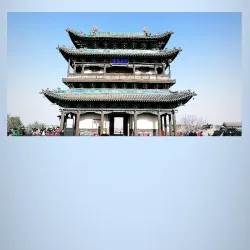
The Wang Family Courtyard is a well-preserved example of traditional Chinese residential architecture from the Qing Dynasty. It showcases the lifestyle and culture of wealthy merchant families in ancient China.
The courtyard features intricate wood carvings, stone sculptures, and beautifully decorated rooms, making it a popular attraction for those interested in history and architecture.
Changzhi Museum
Changzhi Museum displays a wide range of artifacts related to the history, culture, and archaeology of the region. Exhibits include ancient pottery, tools, and artworks that highlight the city's historical development.
The museum provides educational insights into the local heritage and is a great starting point for visitors to understand Changzhi's past.
Mount Wutai Scenic Area
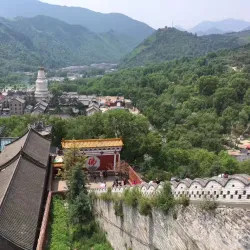
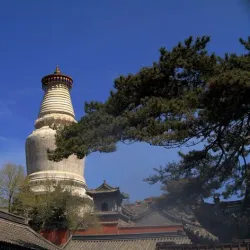
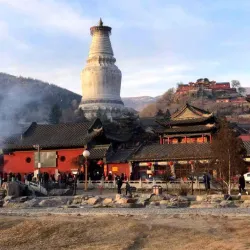
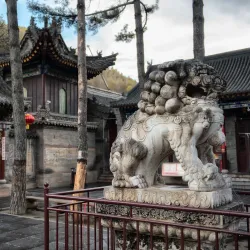
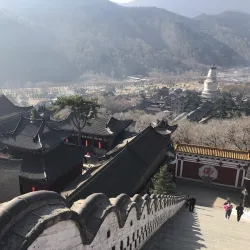
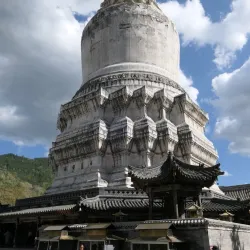
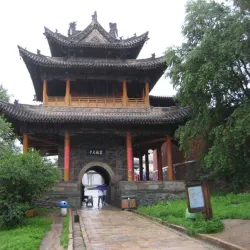
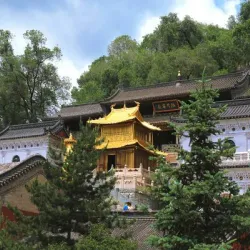
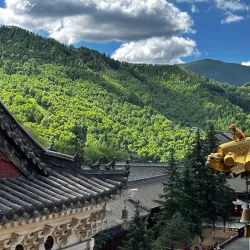
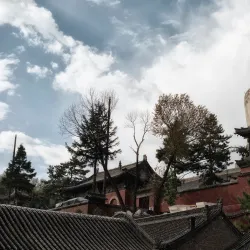
Mount Wutai is a famous Buddhist mountain located near Changzhi, known for its stunning natural scenery and numerous temples. It is one of China's Four Sacred Buddhist Mountains.
Visitors can explore ancient temples, enjoy hiking trails, and experience the spiritual atmosphere of this UNESCO World Heritage Site.
Changzhi People's Park
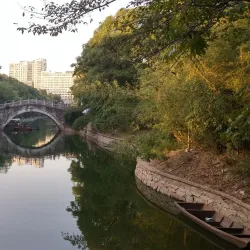
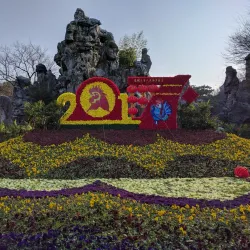
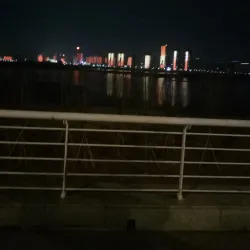
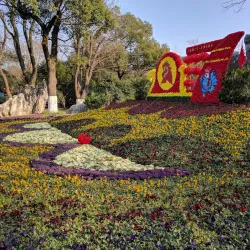
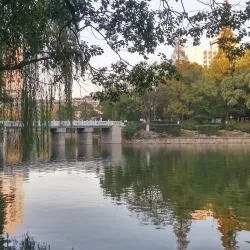
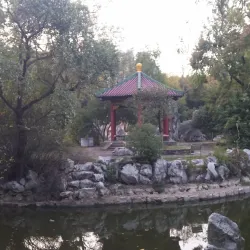
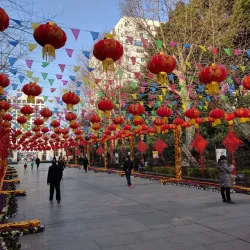
Changzhi People's Park is a large urban park offering green spaces, walking paths, and recreational facilities. It is a popular spot for locals and tourists to relax and enjoy outdoor activities.
The park features gardens, lakes, and cultural monuments, providing a peaceful environment in the heart of the city.
Jinci Temple
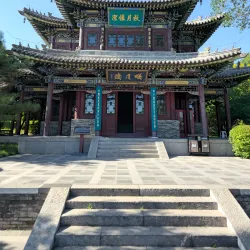
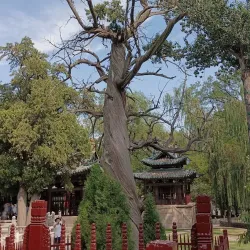
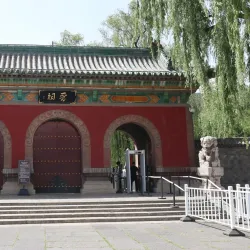
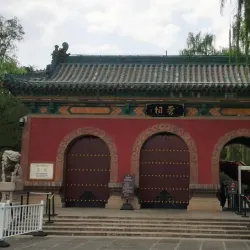
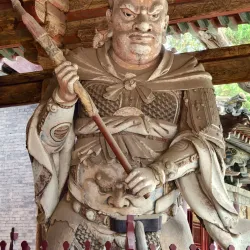
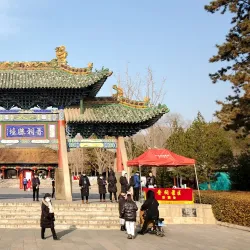
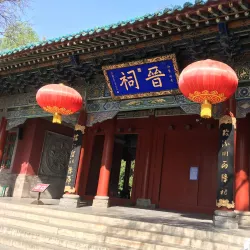
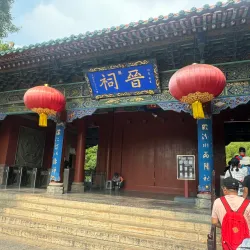
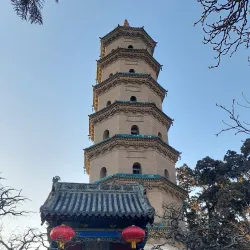
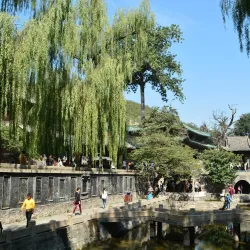
Jinci Temple is a historic temple complex located near Changzhi, famous for its ancient architecture and beautiful natural surroundings. It is dedicated to the worship of the god of water and agriculture.
The temple grounds include halls, pavilions, and statues, attracting visitors interested in traditional Chinese religion and history.
Changzhi Ancient City Wall
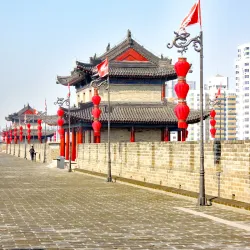
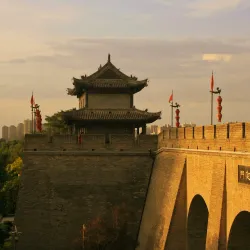
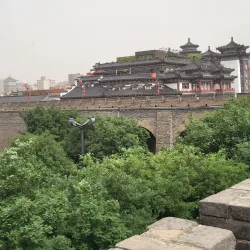
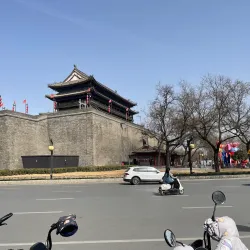
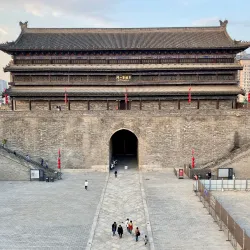
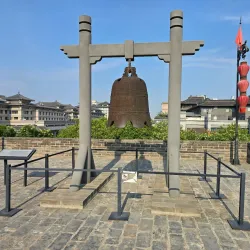
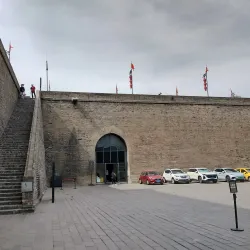
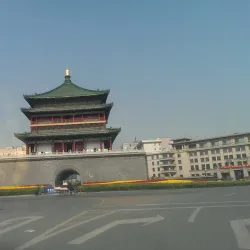
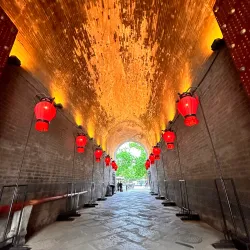
The Ancient City Wall of Changzhi is a remnant of the city's historical fortifications. It offers insight into the military architecture and urban planning of ancient China.
Visitors can walk along parts of the wall and learn about the city's defensive history through informational displays.
Lüliang Mountain National Forest Park
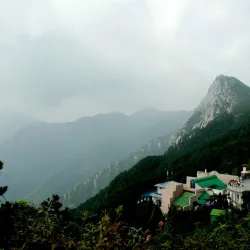
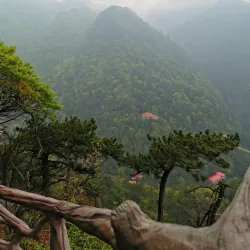
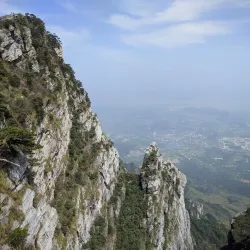
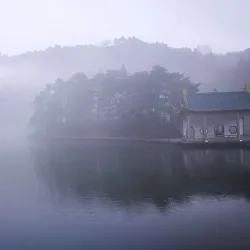
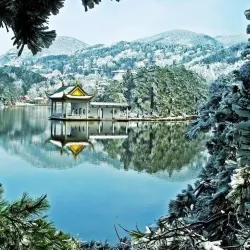
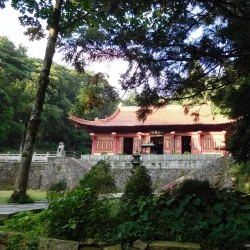
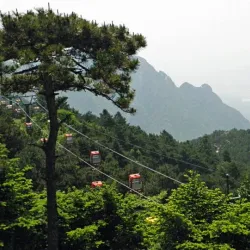
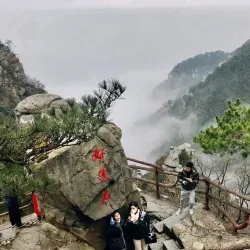
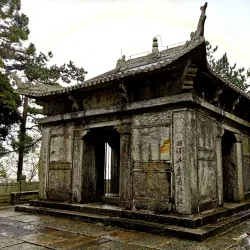
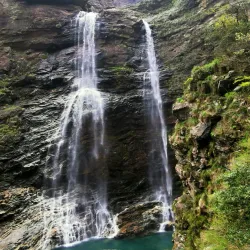
Lüliang Mountain National Forest Park is a natural reserve near Changzhi, known for its dense forests, diverse wildlife, and scenic hiking trails.
The park is ideal for nature lovers and outdoor enthusiasts looking to explore the region's natural beauty and enjoy activities such as bird watching and trekking.
Changzhi Confucian Temple
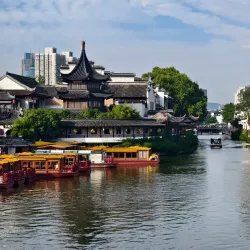
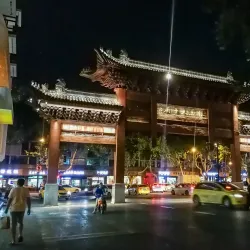
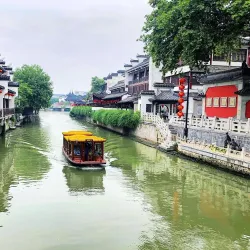
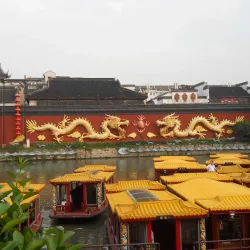
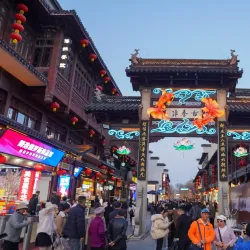
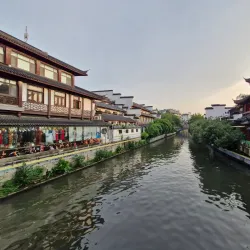
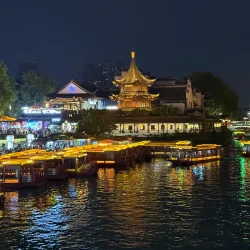
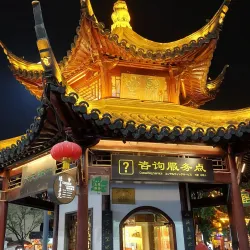
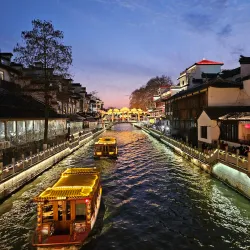
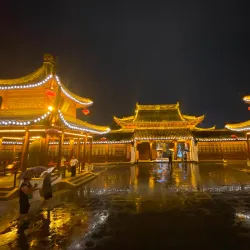
The Confucian Temple in Changzhi is a cultural site dedicated to Confucius, the famous Chinese philosopher. It features traditional architecture and serves as a place for cultural events and ceremonies.
The temple provides visitors with an understanding of Confucian values and their influence on Chinese society.
Yongle Palace
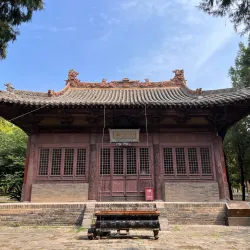
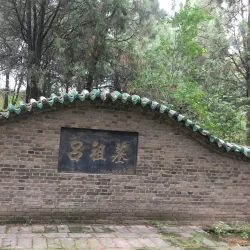
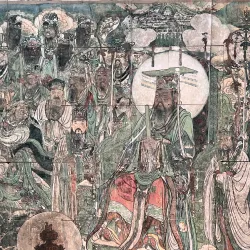
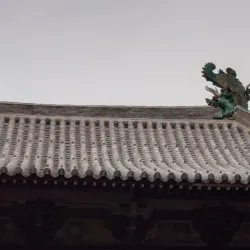
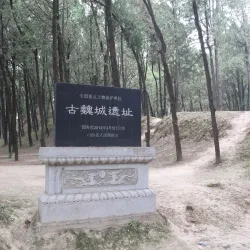
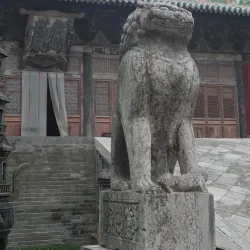
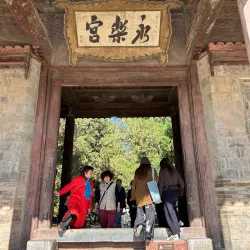
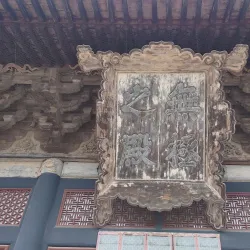
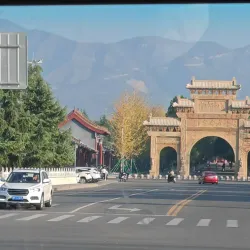
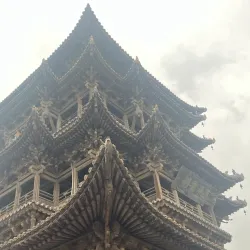
Yongle Palace is a Taoist temple complex near Changzhi, known for its ancient murals and religious significance. It is an important site for Taoist worship and cultural heritage.
The palace's artwork and architecture attract visitors interested in Taoism and Chinese religious traditions.