Things to do in Chengde
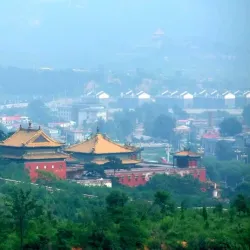
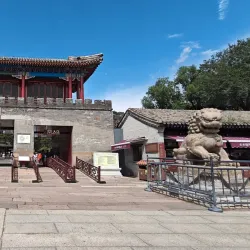
Chengde, located in Hebei Province, China, is renowned for its rich history and cultural heritage. The city is famous for its imperial summer resort and a collection of exquisite temples that reflect the architectural styles of various ethnic groups in China.Chengde offers visitors a unique blend of natural landscapes and historical sites, making it a fascinating destination for those interested in Chinese history, architecture, and serene natural settings.Chengde Mountain Resort (Bishu Shanzhuang)
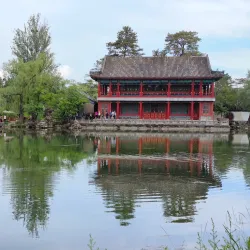
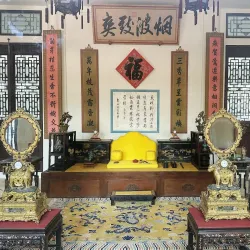
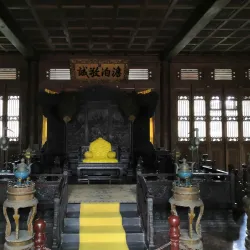
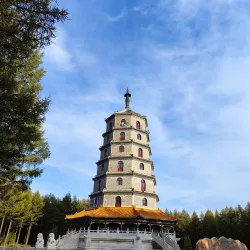
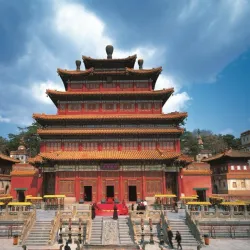
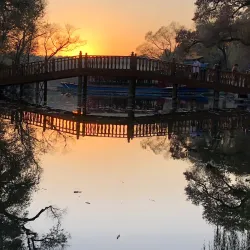
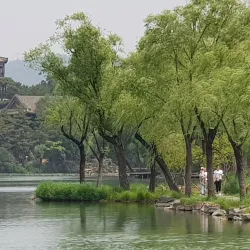
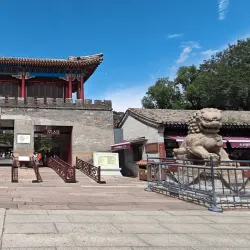
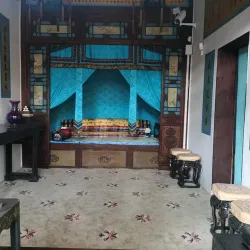
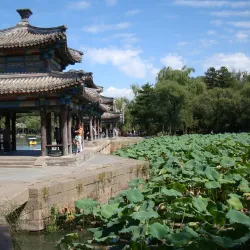
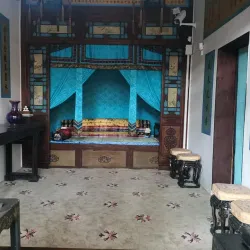
The Chengde Mountain Resort is a vast imperial garden and palace complex that served as the summer residence for Qing Dynasty emperors. It covers an area of about 5.6 square kilometers and includes palaces, temples, lakes, and gardens.
This UNESCO World Heritage Site is notable for its harmonious integration of natural scenery and man-made structures, showcasing traditional Chinese landscaping and architecture.
Putuo Zongcheng Temple
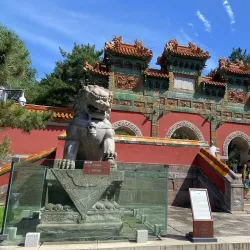
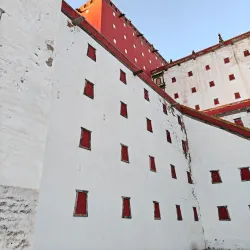
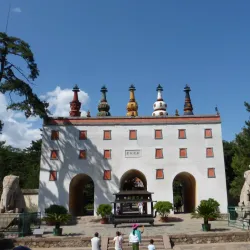
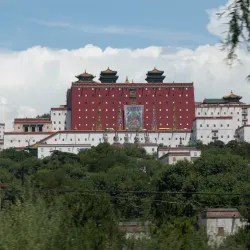
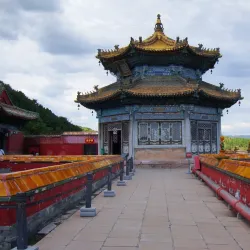
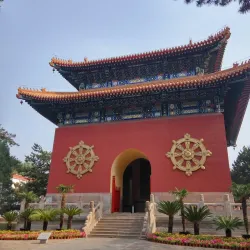
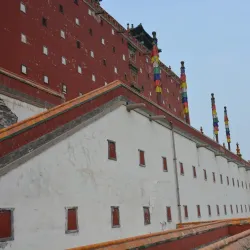
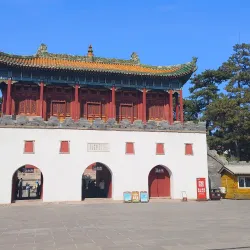
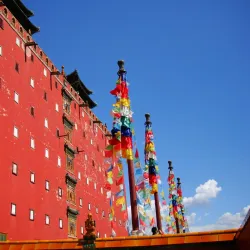
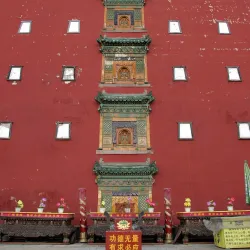
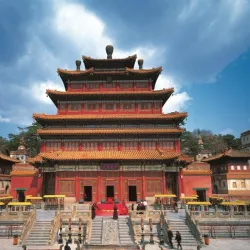
Putuo Zongcheng Temple is one of the largest and most magnificent temples in Chengde, built to resemble the Potala Palace in Lhasa, Tibet. It was constructed in the 18th century to celebrate the emperor's birthday and to honor Tibetan Buddhism.
The temple complex features intricate Tibetan-style architecture and houses many valuable cultural relics and statues.
Puning Temple (Temple of Universal Peace)
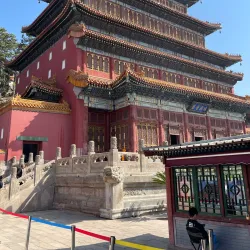
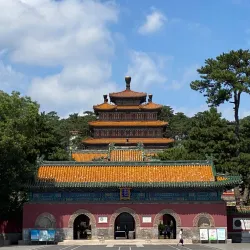
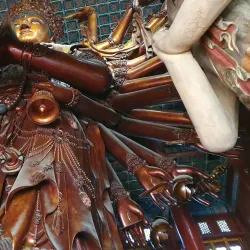
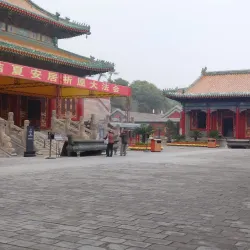
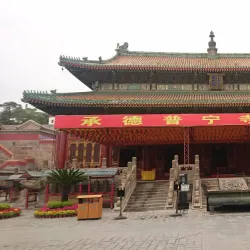
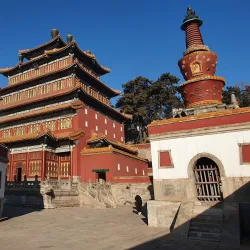
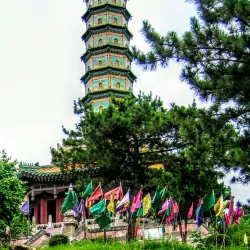
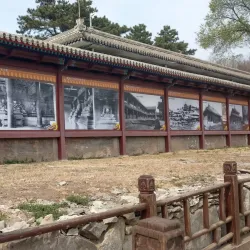
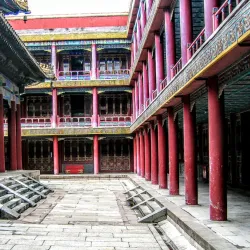
Puning Temple is famous for its giant wooden statue of the Bodhisattva Avalokitesvara, which is one of the tallest wooden statues in the world. The temple was built in 1755 and reflects a blend of Han Chinese and Tibetan architectural styles.
It is a significant site for Buddhist worship and a popular tourist attraction due to its impressive size and artistic value.
Eight Outer Temples
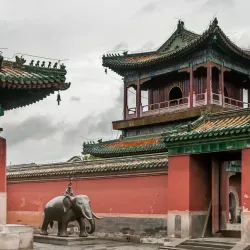
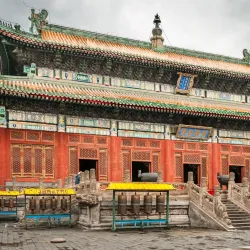
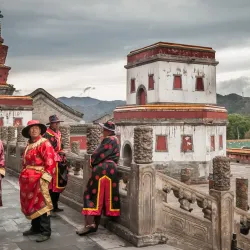
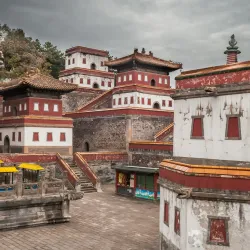
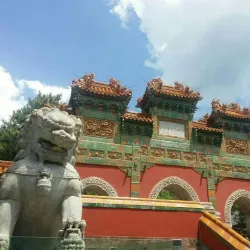
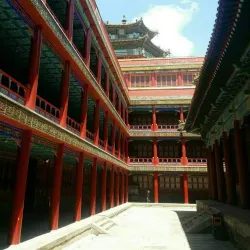
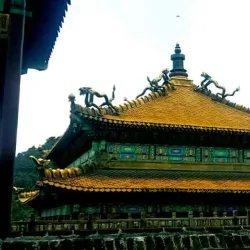
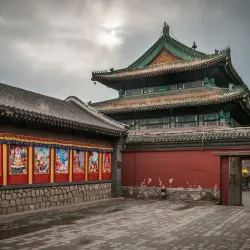
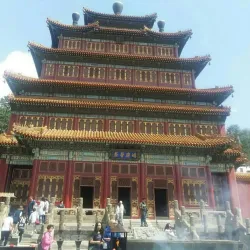
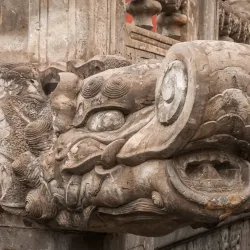
The Eight Outer Temples are a group of Tibetan Buddhist temples located around the Mountain Resort. Each temple has unique architectural features and historical significance, representing different ethnic and religious traditions.
These temples offer insight into the religious diversity and cultural exchanges during the Qing Dynasty.
Chengde Museum
The Chengde Museum showcases the history, culture, and art of the region. It houses a collection of artifacts related to the Qing Dynasty, local ethnic groups, and the natural environment of Chengde.
The museum provides educational exhibits that help visitors understand the historical context of Chengde's imperial and cultural heritage.
Sledgehammer Peak (Daluo Feng)
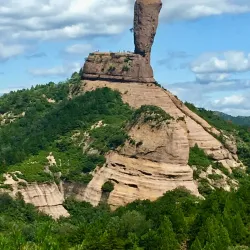
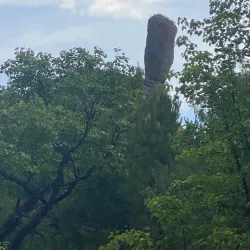
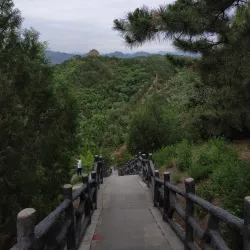
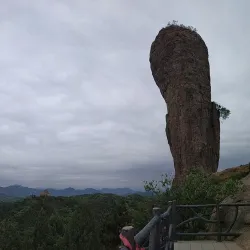
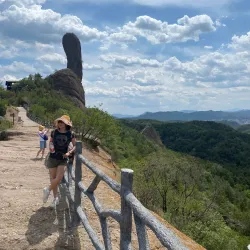
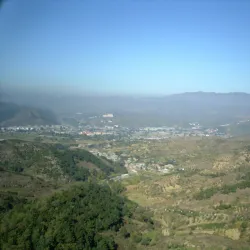
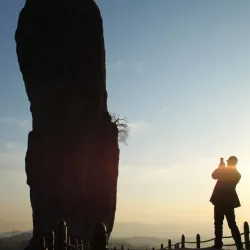
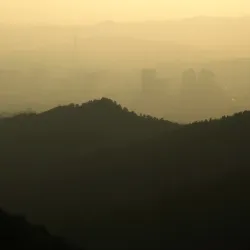
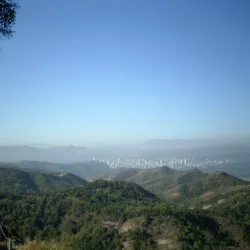
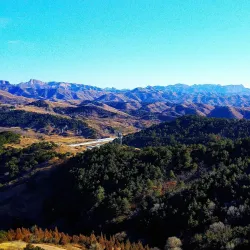
Sledgehammer Peak is a scenic mountain near Chengde known for its unique rock formations and panoramic views of the surrounding landscape.
It is a popular spot for hiking and photography, offering visitors a chance to enjoy Chengde's natural beauty beyond its historical sites.
Xumifushou Temple
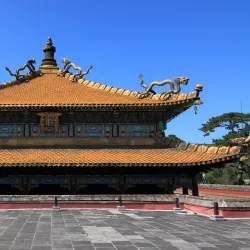
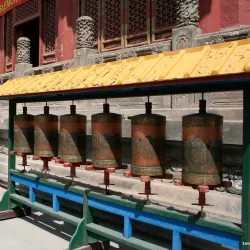
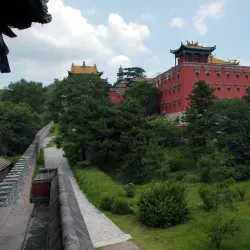
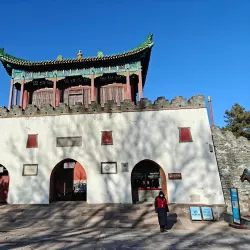
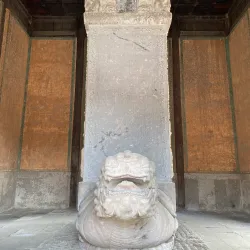
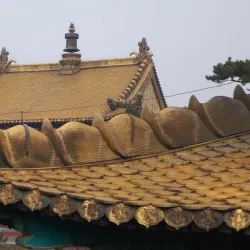
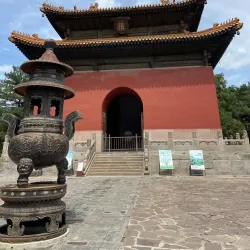
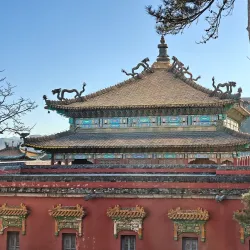
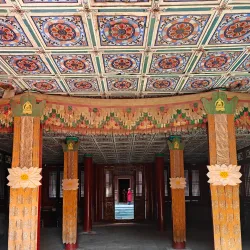
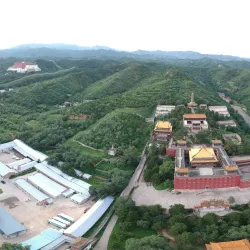
Xumifushou Temple is one of the Eight Outer Temples and is dedicated to the deities of longevity and happiness. It features traditional Tibetan Buddhist architecture and beautiful murals.
The temple is an important cultural and religious site, reflecting the Qing emperors' respect for Tibetan Buddhism.
Putuo Zongcheng Temple Museum
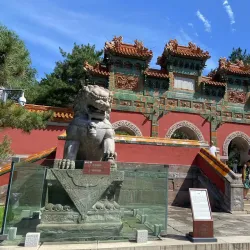
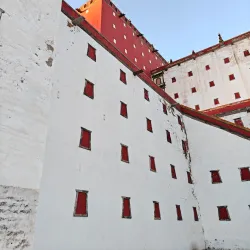

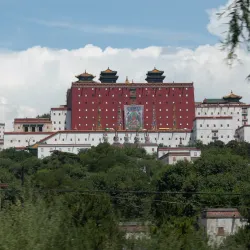


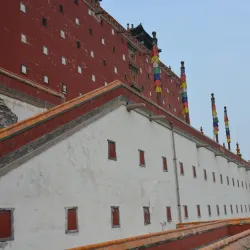


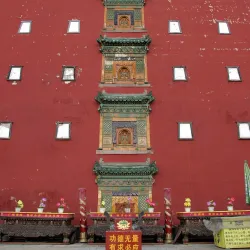
This museum is located within the Putuo Zongcheng Temple complex and displays religious artifacts, historical documents, and artworks related to the temple and Tibetan Buddhism.
It offers visitors deeper insights into the religious and cultural significance of the temple.
Chengde Botanical Garden
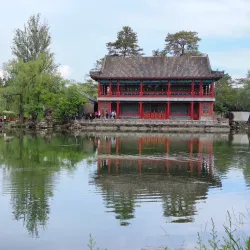
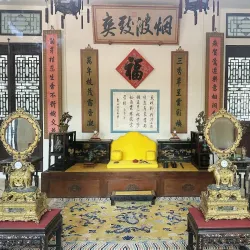
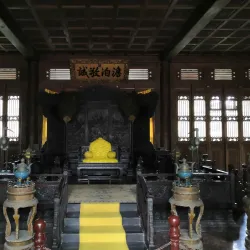
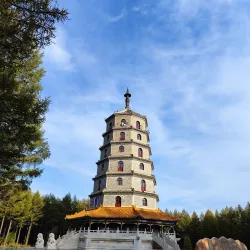
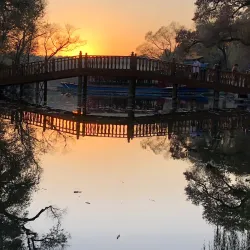
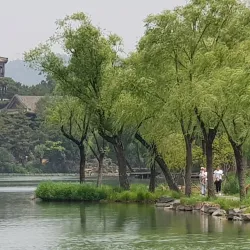
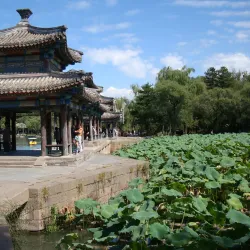
The Chengde Botanical Garden features a diverse collection of plant species native to the region and other parts of China. It serves as a place for scientific research, education, and recreation.
Visitors can enjoy peaceful walks among various gardens and greenhouses showcasing the area's botanical diversity.
Jinshanling Great Wall (near Chengde)
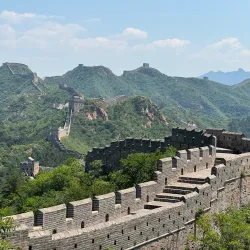

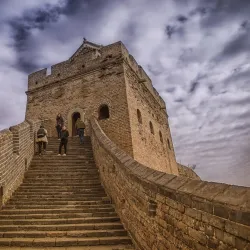
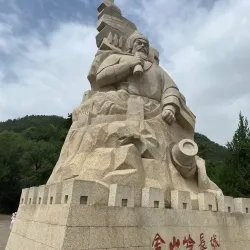
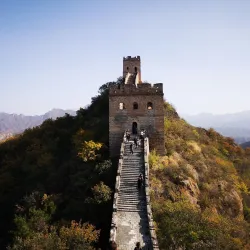
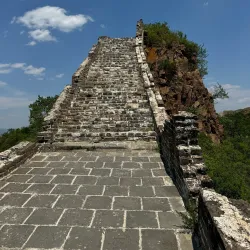
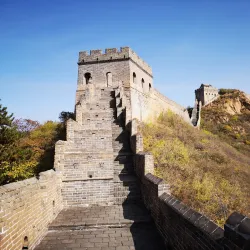
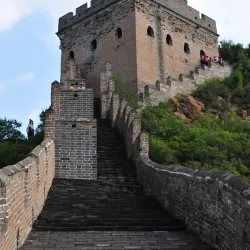
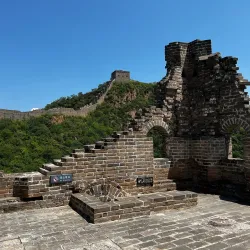

Jinshanling is a section of the Great Wall of China located near Chengde. It is known for its well-preserved watchtowers and stunning mountainous scenery.
This section of the Great Wall offers a less crowded and more authentic experience for visitors interested in China's ancient military architecture.