
Quality of life in Chenzhou
Cost of Living, Healthcare, Safety, Education, and More
About Chenzhou
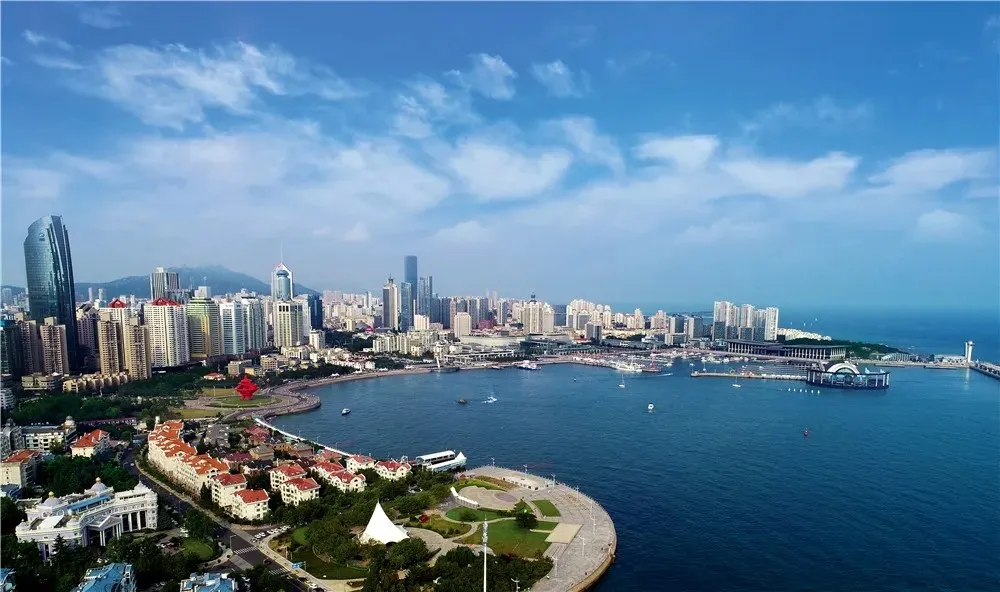
Chenzhou, located in the southern part of Hunan Province, China, is a city known for its picturesque landscapes and rich cultural heritage. It serves as a gateway to the beautiful mountains and rivers of the region, offering a blend of natural beauty and urban development. The city is characterized by its vibrant economy, which is driven by industries such as mining, agriculture, and tourism.In recent years, Chenzhou has been emerging as a hub for eco-tourism, attracting visitors with its lush forests, clear waters, and diverse wildlife. The city's commitment to sustainable development and environmental conservation has made it a model for other regions in China. Chenzhou's unique blend of traditional Chinese culture and modern amenities makes it an attractive destination for both tourists and residents.


History and Culture
Chenzhou has a long and storied history that dates back over 2,000 years. It was an important military and trade center during the Han Dynasty, serving as a strategic location for the movement of goods and troops. Over the centuries, Chenzhou has been influenced by various dynasties, each leaving its mark on the city's architecture, culture, and traditions.
The city is home to several historical sites and cultural landmarks, including ancient temples, traditional villages, and historic buildings that reflect its rich past. Chenzhou's cultural scene is vibrant, with numerous festivals and events celebrating its heritage. The annual Chenzhou International Tourism Festival is a highlight, showcasing the city's cultural diversity and attracting visitors from around the world.
Chenzhou's ethnic diversity is another key aspect of its cultural identity. The city is home to several ethnic minority groups, each contributing to the rich tapestry of local customs, music, and cuisine. This diversity is celebrated through various cultural events and festivals, providing a unique insight into the traditions and lifestyles of the region's inhabitants.
Things to do in Chenzhou
Visitors to Chenzhou can explore a wide range of attractions and activities. The Suxian Hill Scenic Area offers breathtaking views and is a popular spot for hiking and photography. For those interested in history, the Dongjiang Lake Scenic Area features ancient relics and stunning natural landscapes.
Chenzhou is also known for its hot springs, with several resorts offering relaxing experiences amidst beautiful surroundings. The city's culinary scene is a delight for food lovers, with local specialties such as spicy Hunan cuisine and fresh seafood from the nearby rivers.
Cultural enthusiasts can enjoy performances at the Chenzhou Grand Theatre or visit the Chenzhou Museum to learn more about the city's history and cultural heritage. The city's vibrant night markets and shopping districts offer a chance to experience local life and purchase unique souvenirs.
Quality of Life Rankings

Weather in Chenzhou
Chenzhou, China experiences a humid subtropical climate characterized by hot, humid summers and mild, damp winters. The city receives an average annual precipitation of approximately 60 inches (1524 mm), with June being the wettest month, averaging around 10 inches (254 mm) of rainfall.
Seasonal Breakdown
- Spring (March to May)Temperatures gradually rise from an average high of 63°F (17°C) in March to 81°F (27°C) in May. Rainfall increases during this period, with May receiving significant precipitation, averaging around 8 inches (203 mm).
- Summer (June to August)The hottest months, with average highs ranging from 86°F (30°C) in June to 91°F (33°C) in July. Rainfall is at its peak in June, averaging around 10 inches (254 mm), before decreasing slightly in July and August.
- Autumn (September to November)Temperatures gradually decrease from an average high of 84°F (29°C) in September to 64°F (18°C) in November. Rainfall remains moderate, averaging around 4 inches (102 mm) per month.
- Winter (December to February)The coldest period, with average highs ranging from 54°F (12°C) in December to 50°F (10°C) in February. Snowfall is rare, and the winter months are generally damp, with January receiving about 3 inches (76 mm) of precipitation.
Notable Weather Events
- Occasional typhoons during late summer and early autumn.
- Heavy rainfall and potential flooding during the summer months.
- Rare cold snaps in winter, though snowfall is uncommon.
Chenzhou's Political Climate
Chenzhou, located in the southern part of Hunan Province in China, is a city with a dynamic political climate shaped by its strategic position and economic significance. As part of China, Chenzhou's political landscape is heavily influenced by the central government's policies and the Communist Party of China's (CPC) directives. The city's governance is aligned with the broader national objectives, focusing on economic development, social stability, and environmental sustainability.
Historically, Chenzhou has been a significant player in regional politics due to its rich natural resources and industrial base. The city's leadership is typically composed of CPC members, reflecting the party's dominance in Chinese politics. Current political leadership in Chenzhou is focused on enhancing infrastructure, promoting green energy, and improving public services. Key political issues include managing urbanization, environmental protection, and economic diversification.
Chenzhou has implemented several progressive policies, particularly in environmental sustainability. The city has been active in promoting green technologies and reducing pollution, aligning with China's national goals of achieving carbon neutrality. Social justice initiatives are also present, focusing on improving living standards and reducing inequality.
The political climate in Chenzhou significantly influences its economic and social decisions. The city's commitment to sustainable development has attracted investments in renewable energy and technology sectors. Social policies are geared towards enhancing education and healthcare, reflecting the government's focus on improving quality of life.
Recent political trends in Chenzhou include a push towards digital governance and smart city initiatives, aiming to improve administrative efficiency and public service delivery. The city is also witnessing increased civic engagement, with residents participating more actively in local governance and community development projects.
Political Quick Facts
- Voter TurnoutN/A (as local elections are not held in the same manner as democratic countries)
- City GovernanceMunicipal government under the leadership of the Communist Party of China
- CompositionPredominantly members of the Communist Party of China
- Recent Political ChangesIncreased focus on digital governance and smart city initiatives
- EngagementGrowing civic activism and community participation
- Political ScorecardHigh marks for governance efficiency and policy implementation
- Legislative PrioritiesInfrastructure development Environmental sustainability Economic diversification
- Public OpinionGenerally supportive of the CPC's policies, with a strong emphasis on economic growth and stability
Notable Political Figures
- Li WeiCurrent mayor of Chenzhou, known for his focus on infrastructure and economic development.
- Zhang MinDeputy Party Secretary, advocate for environmental policies and green technology.
- Wang YuLocal business leader and political advisor, influential in economic policy discussions.