Things to do in Guizhou
Guizhou Province, located in southwestern China, is renowned for its stunning natural landscapes, rich ethnic diversity, and vibrant cultural heritage. The region is characterized by its karst mountains, deep gorges, and picturesque rivers, making it a paradise for nature lovers and adventure seekers.Guizhou is home to several ethnic minority groups, including the Miao and Dong peoples, whose traditional customs, festivals, and architecture add a unique cultural dimension to the province. Visitors can explore ancient villages, colorful markets, and traditional crafts while enjoying the serene environment.Huangguoshu Waterfall
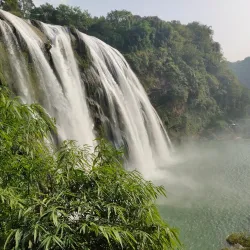
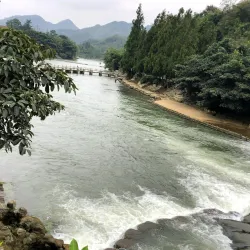
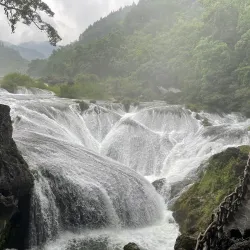
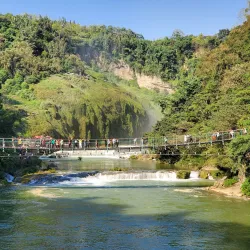
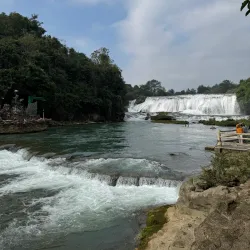
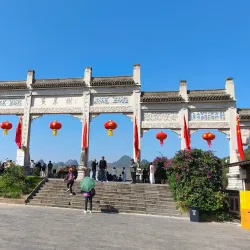
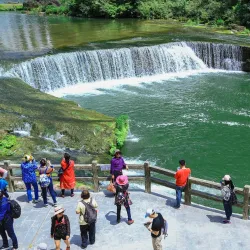
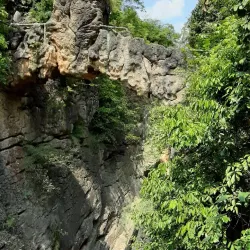
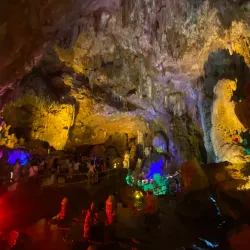
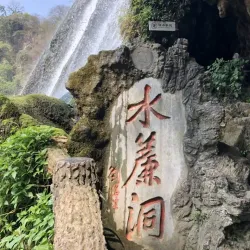
Huangguoshu Waterfall is one of the largest waterfalls in China and a spectacular natural attraction in Guizhou. The waterfall is part of a scenic area that includes several other smaller falls and karst formations, making it a must-visit for nature enthusiasts.
Visitors can enjoy panoramic views from various observation decks and explore nearby caves and trails that highlight the region's unique geology.
Zhenyuan Ancient Town
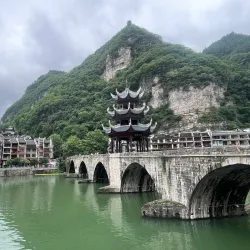
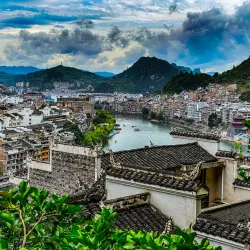
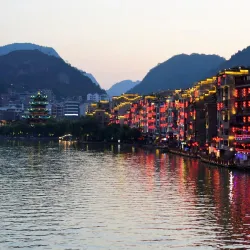
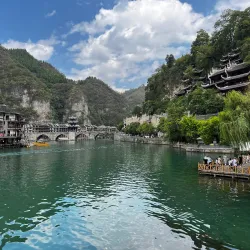
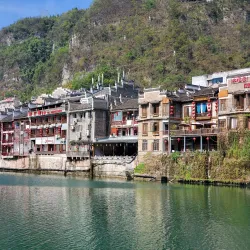
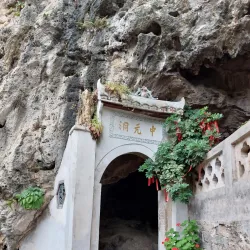

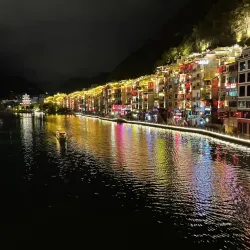

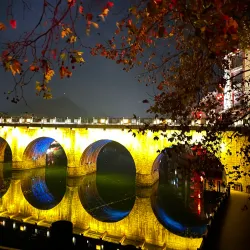
Zhenyuan Ancient Town is a historic town known for its well-preserved architecture and rich cultural heritage. Located along the Wuyang River, the town features traditional wooden buildings, ancient city walls, and numerous temples and bridges.
The town is a cultural hub where visitors can experience local customs, traditional crafts, and delicious Guizhou cuisine.
Miao Village of Xijiang
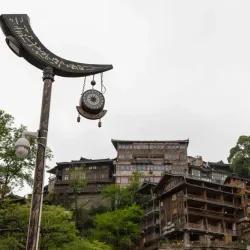
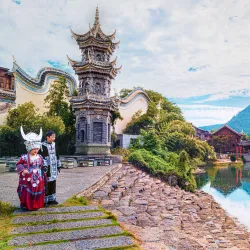
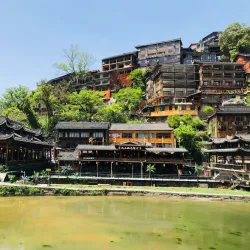
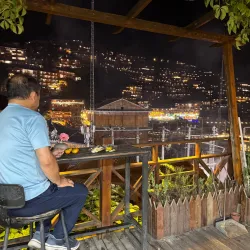

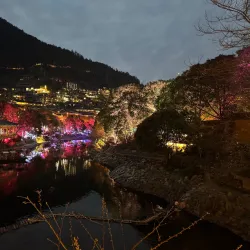
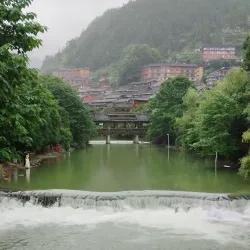
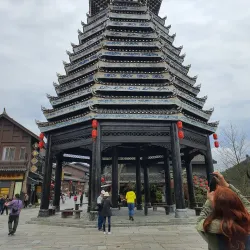
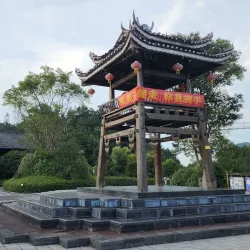
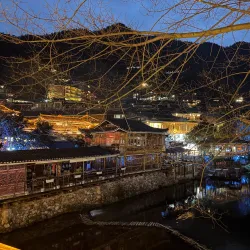
Xijiang Qianhu Miao Village is the largest Miao ethnic village in China, offering a deep insight into the Miao people's culture and traditions. The village is famous for its wooden stilt houses, vibrant festivals, and traditional embroidery.
Visitors can participate in cultural activities, enjoy folk performances, and explore the scenic surroundings of the village.
Fanjing Mountain
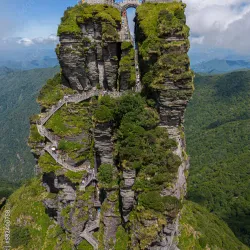
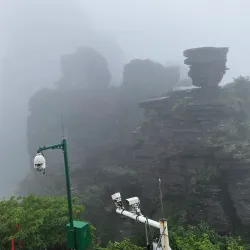
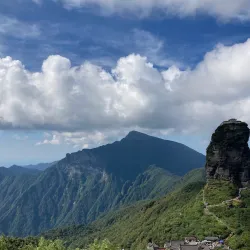
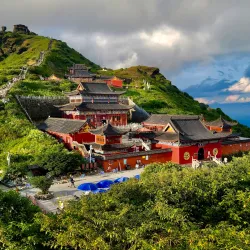
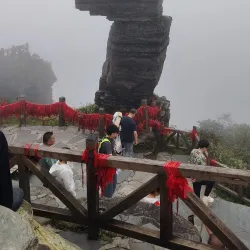
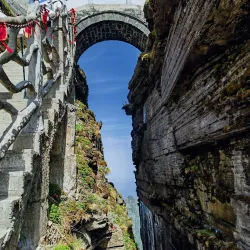
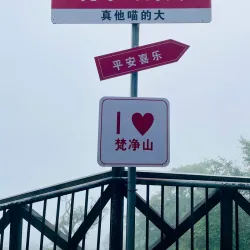
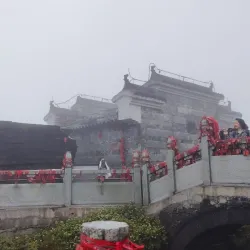
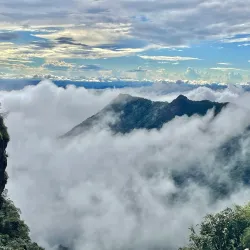
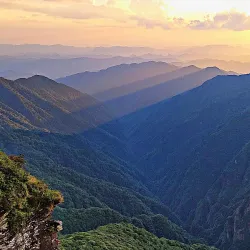
Fanjing Mountain is a UNESCO World Heritage Site known for its unique biodiversity and spiritual significance. The mountain is a sacred Buddhist site with ancient temples and rare plant and animal species.
Hiking to the summit offers breathtaking views and a chance to experience the tranquil natural environment.
Dragon Palace Cave (Longgong Cave)
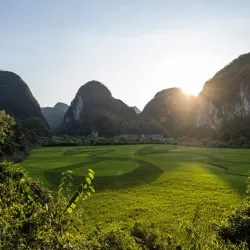
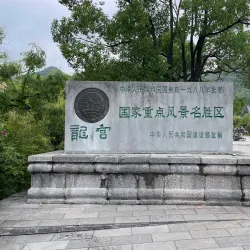
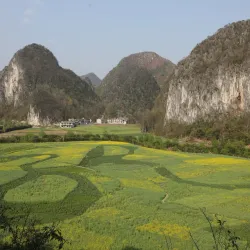
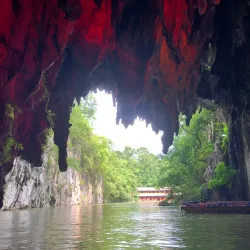
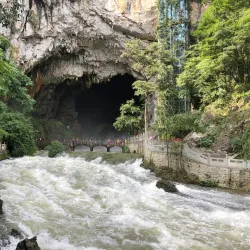
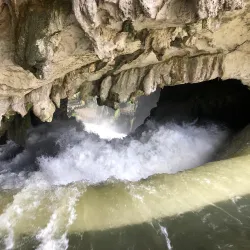
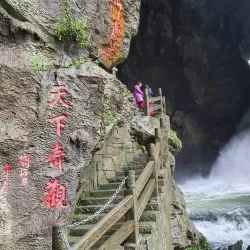
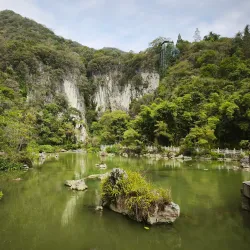
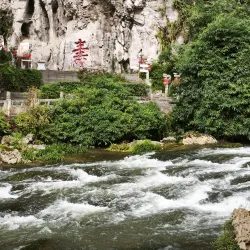
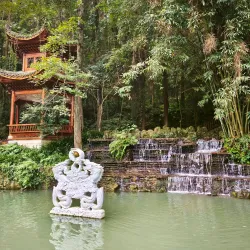
Dragon Palace Cave is a spectacular karst cave system featuring underground rivers, waterfalls, and stunning rock formations. Visitors can take boat tours inside the cave to explore its mysterious chambers and enjoy the cool, serene atmosphere.
The cave is part of a larger scenic area that includes hiking trails and other natural attractions.
Qianling Park
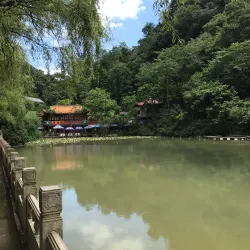
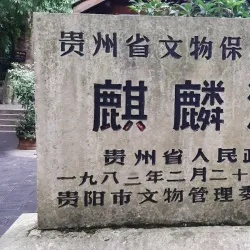
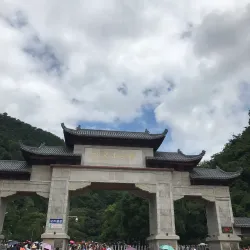
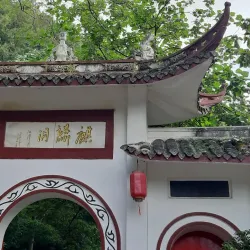
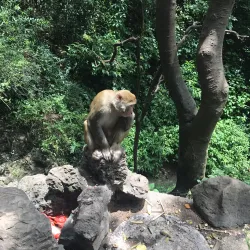
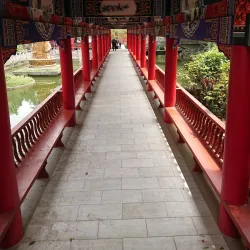
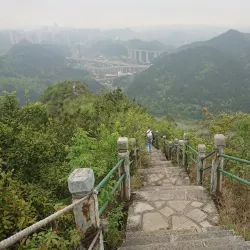
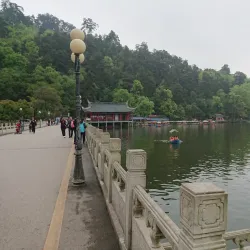
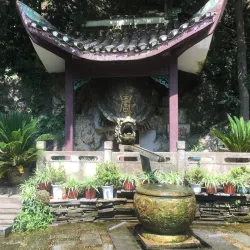
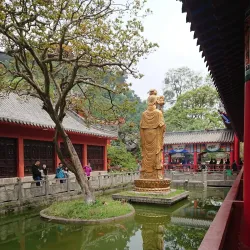
Qianling Park is a large urban park in Guiyang, the capital of Guizhou Province. The park is known for its beautiful natural scenery, including hills, lakes, and temples.
It is a popular spot for both locals and tourists to relax, hike, and enjoy cultural sites such as the Hongfu Temple.
Zhijin Cave
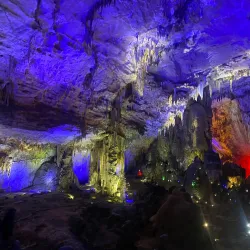
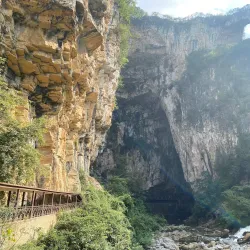
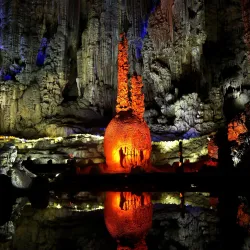
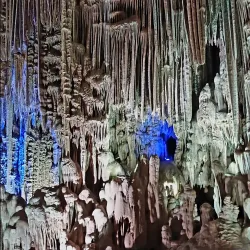
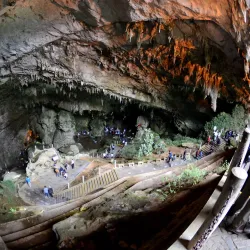
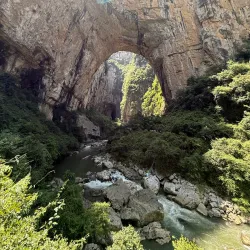
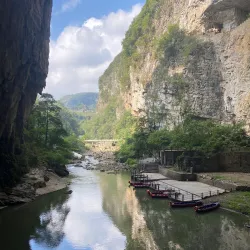
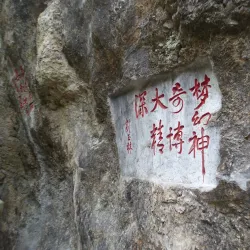
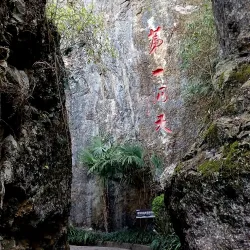
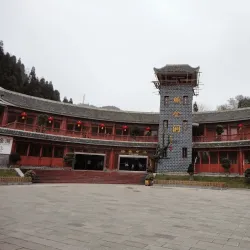
Zhijin Cave is one of the largest and most spectacular limestone caves in China. It features impressive stalactites, stalagmites, and underground chambers that attract spelunkers and tourists alike.
The cave is part of a scenic area that offers hiking and exploration opportunities in a lush natural setting.
Libo Zhangjiang Scenic Area
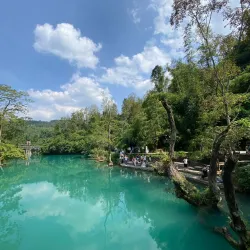
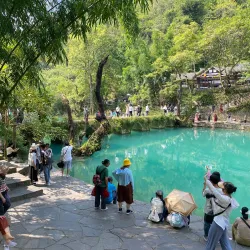
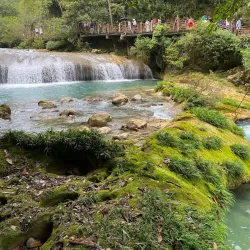
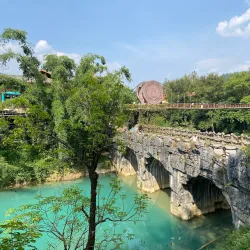
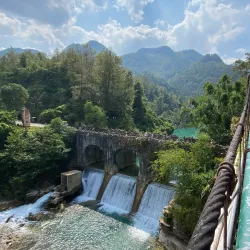
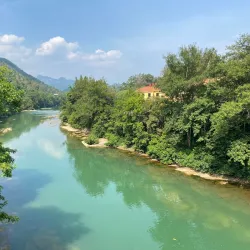
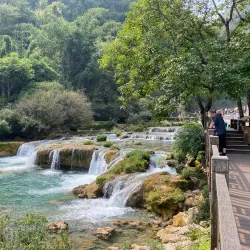
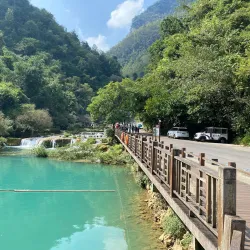
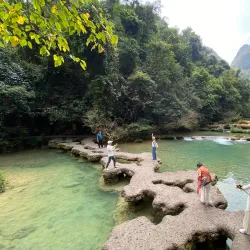
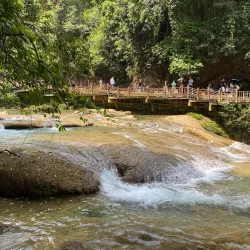
Libo Zhangjiang Scenic Area is a UNESCO World Heritage Site known for its pristine karst landscapes, crystal-clear rivers, and rich biodiversity. The area is ideal for hiking, photography, and experiencing the natural beauty of Guizhou.
Visitors can explore waterfalls, caves, and ancient forests within this protected area.
Kaili Ethnic Minorities Museum
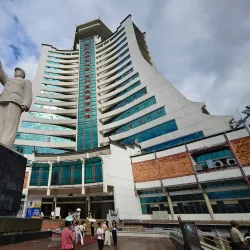
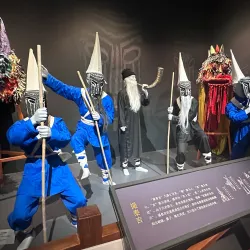
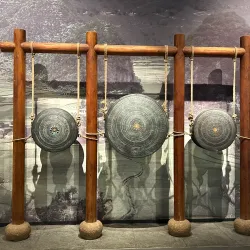
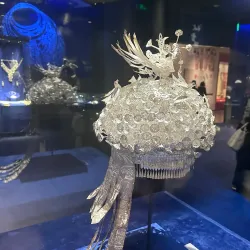
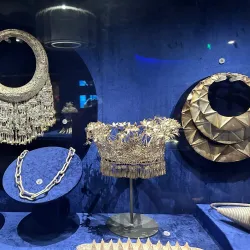
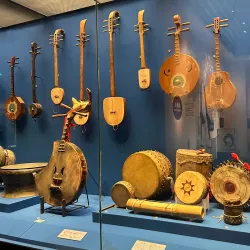
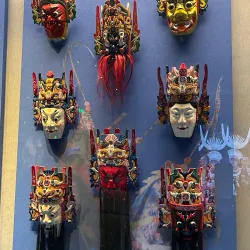
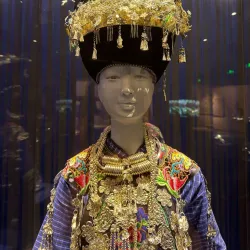
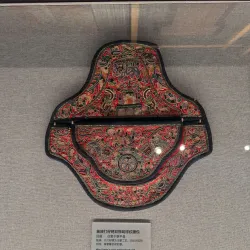
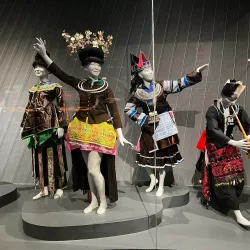
The Kaili Ethnic Minorities Museum showcases the diverse cultures and traditions of Guizhou's many ethnic groups. The museum features exhibits on traditional clothing, crafts, music, and festivals.
It is an excellent place to learn about the history and lifestyles of the Miao, Dong, and other ethnic communities in the region.
Guizhou Provincial Museum
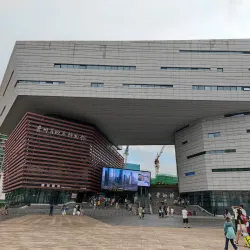

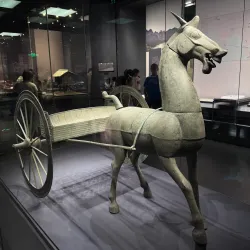
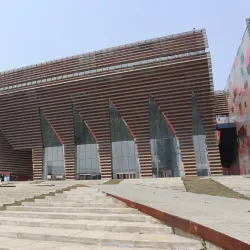
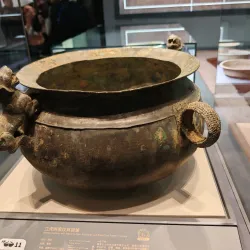
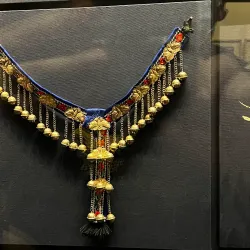

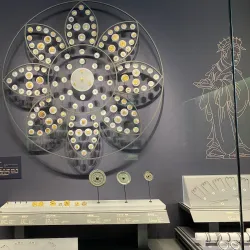
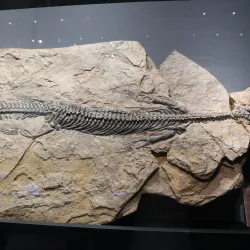
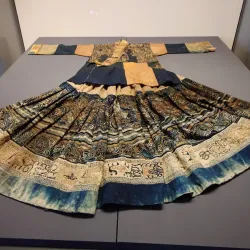
The Guizhou Provincial Museum in Guiyang offers a comprehensive overview of the province's history, culture, and natural environment. Exhibits include ancient artifacts, ethnic costumes, and geological displays.
The museum provides valuable context for understanding Guizhou's unique place in China's cultural and natural landscape.