Things to do in Handan
Handan, located in Hebei Province, China, is a city rich in history and culture, offering a blend of ancient landmarks and natural beauty. Known for its well-preserved ancient towns, historical sites, and scenic landscapes, Handan provides visitors with a unique glimpse into China's past and present.Guangfu Ancient City
Guangfu is a well-preserved Ming-era town in Yongnian District, Handan. It features traditional architecture, large city walls, and an expansive moat, offering a glimpse into China's historical urban planning.
Handan Museum
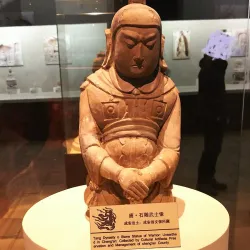
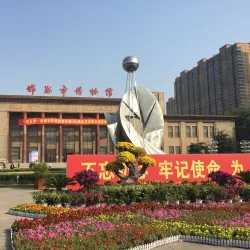
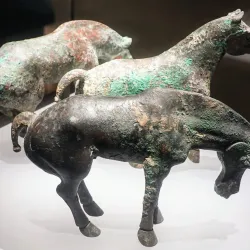
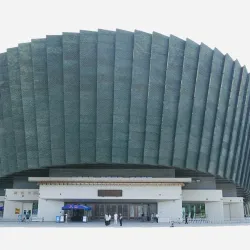
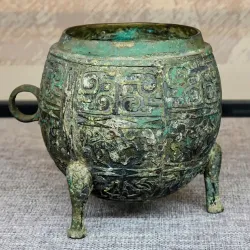
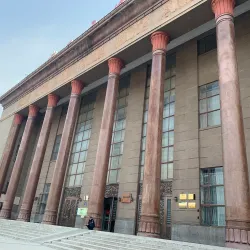
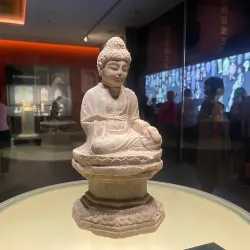
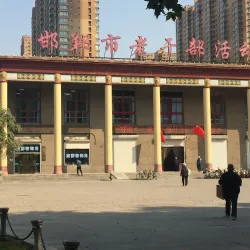

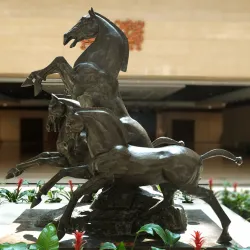
The Handan Museum showcases the city's rich history and culture, featuring artifacts from the Han Dynasty and other periods. The museum's modern building provides an air-conditioned space to explore local treasures.
Nüwa Palace
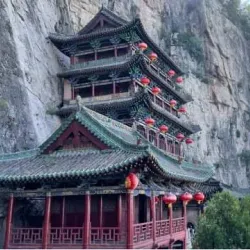
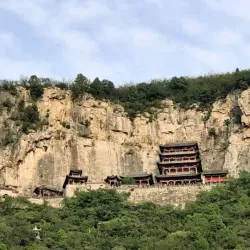
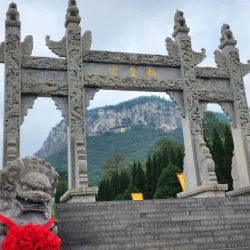
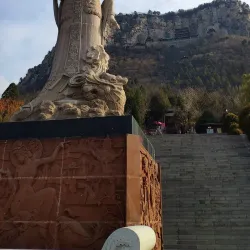
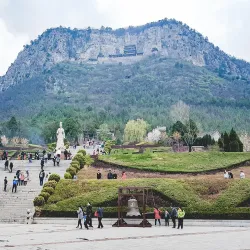
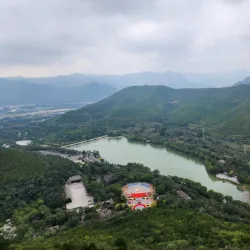
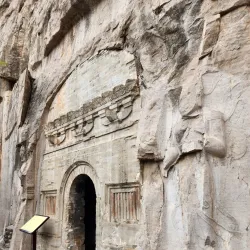
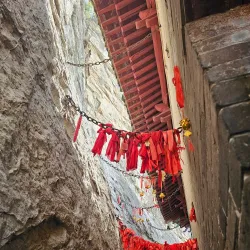

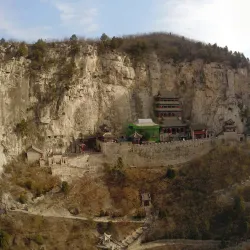
Nüwa Palace, also known as Wahuang Palace, is a temple complex dedicated to the goddess Nüwa. Located beside Phoenix Mountain, it is a significant cultural site and a popular pilgrimage destination.
Xiangtangshan Caves
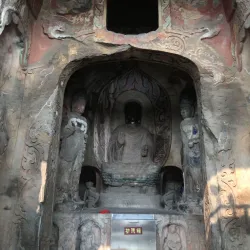
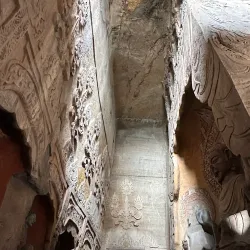

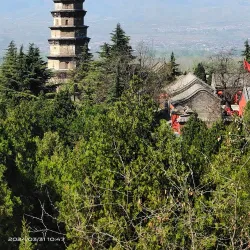

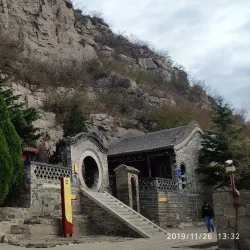
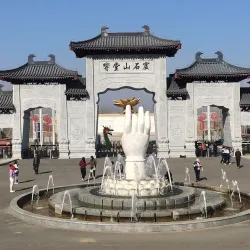

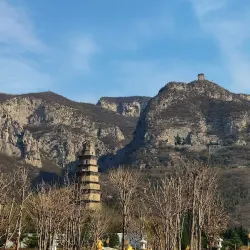
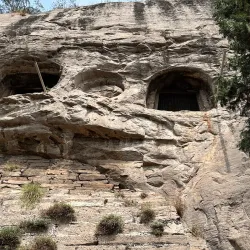
The Xiangtangshan Caves are a group of Buddhist cave temples dating back to the Northern Qi dynasty. Carved into limestone cliffs, they are a testament to ancient Buddhist art and architecture.
Shexian Taihang Grand Canyon
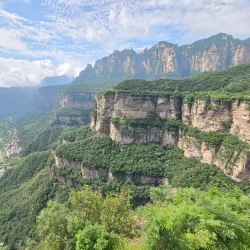
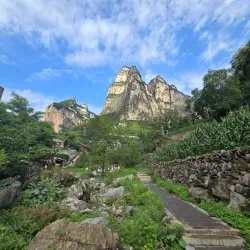
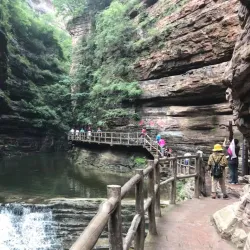
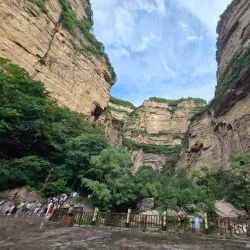
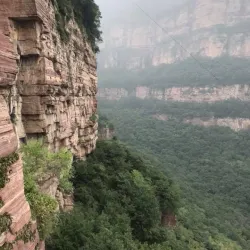
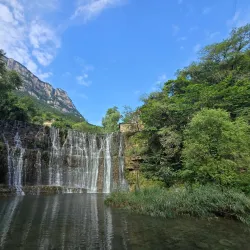
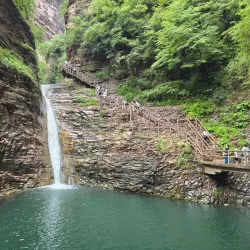
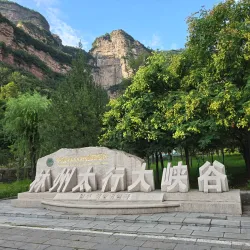
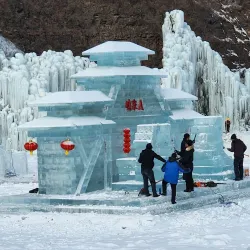
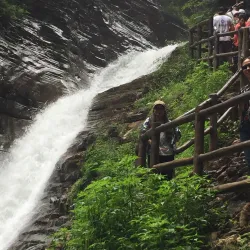
Located west of Handan, the Shexian Taihang Grand Canyon offers breathtaking landscapes with dramatic cliffs and natural beauty, ideal for hiking and exploration.
Congtai Park
Congtai Park is a historical site featuring the Congtai Ancient City Wall and Guangfu Ancient Town, providing insights into Handan's rich history.
Fuyang Park
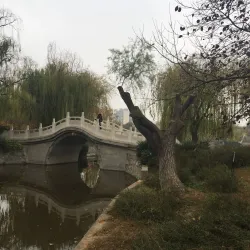
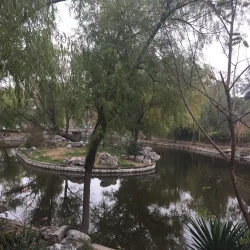
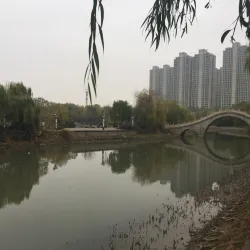
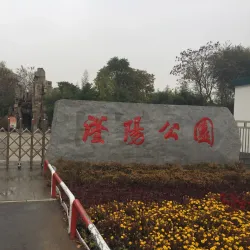
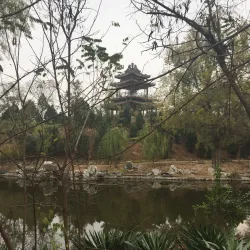
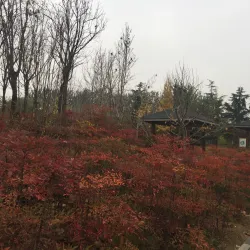
Fuyang Park is a scenic area in Handan, offering natural beauty and recreational opportunities for visitors.
Cishan Site
Cishan Site is an archaeological site in Handan, known for its historical significance and cultural heritage.
Zhaozhou Bridge
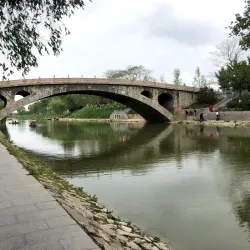
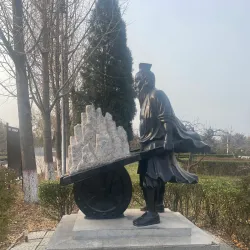
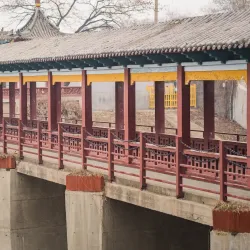
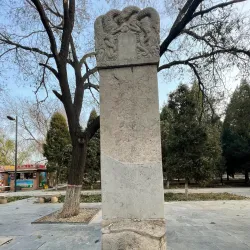
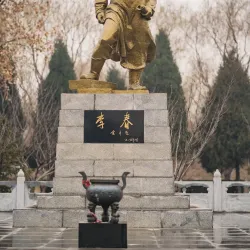
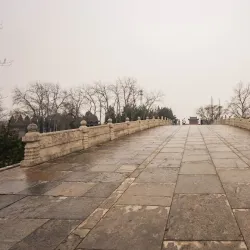
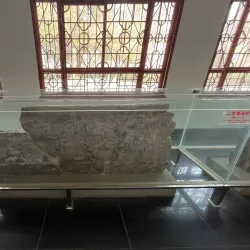
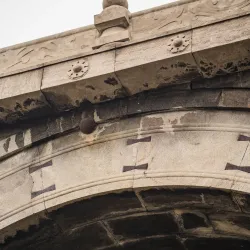
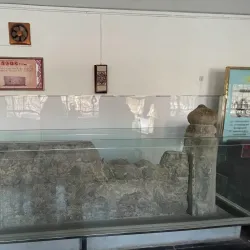
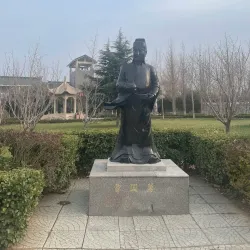
Zhaozhou Bridge is an ancient bridge in Handan, renowned for its historical and architectural significance.
Jingniang Lake
Jingniang Lake is a scenic area in Handan, offering natural beauty and recreational opportunities for visitors.