Things to do in Huzhou
Huzhou, located in Zhejiang Province, China, is a city known for its rich history, beautiful natural landscapes, and cultural heritage. It is situated near the southern shore of Taihu Lake, one of China's largest freshwater lakes, which adds to the city's scenic charm.The city offers a blend of traditional Chinese culture and modern development, with various attractions ranging from ancient temples and historic sites to serene parks and lakeside views. Huzhou is also famous for its silk production and tea culture, making it a unique destination for visitors interested in both nature and cultural experiences.Nanxun Ancient Town
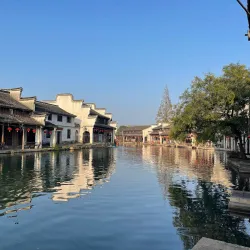

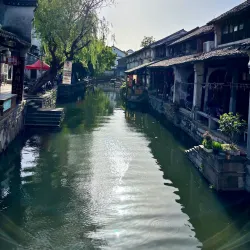
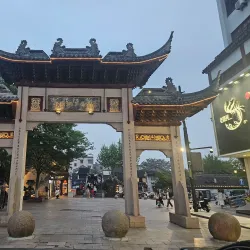
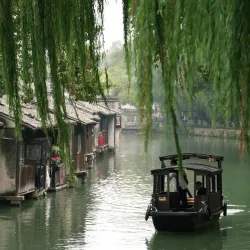
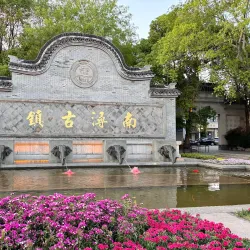
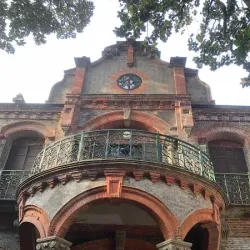
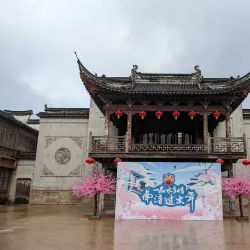
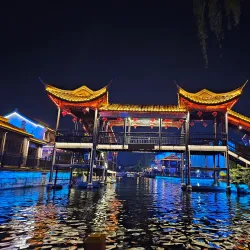
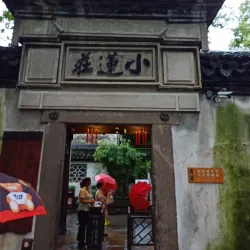
Nanxun Ancient Town is a well-preserved water town known for its charming canals, traditional architecture, and rich history dating back over 1,000 years. Visitors can stroll along the waterways, explore ancient residences, and enjoy local crafts and cuisine.
The town offers a glimpse into the lifestyle of the Jiangnan region with its elegant gardens, stone bridges, and cultural relics, making it a must-visit for those interested in Chinese history and culture.
Taihu Lake

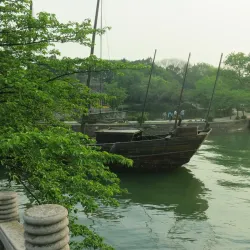
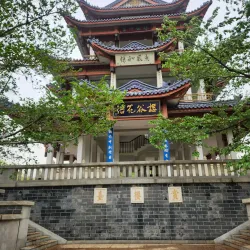
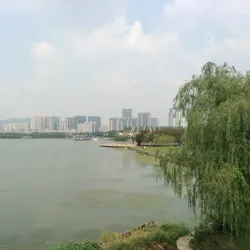
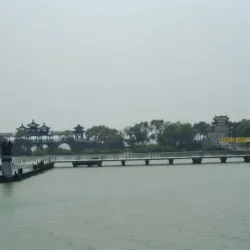
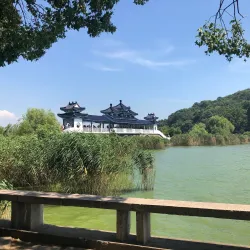
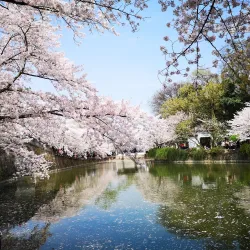
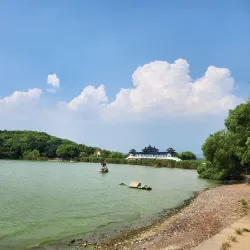
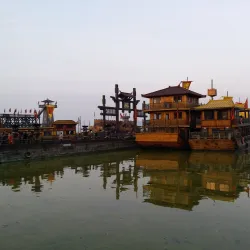
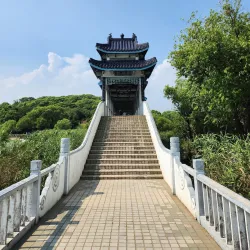
Taihu Lake is one of China's largest freshwater lakes and a major natural attraction near Huzhou. It is famous for its scenic beauty, including picturesque islands, reed marshes, and unique limestone formations known as Taihu stones.
Visitors can enjoy boat tours, fishing, and lakeside walks, as well as explore the surrounding parks and gardens that highlight the lake's ecological and cultural significance.
Feiying Pagoda
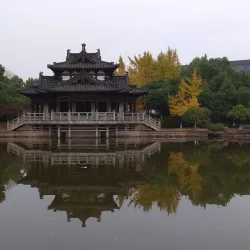
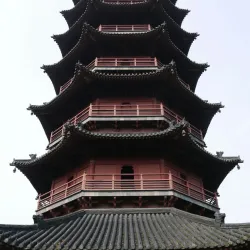
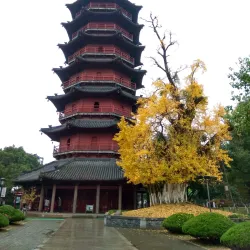
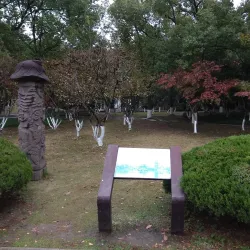
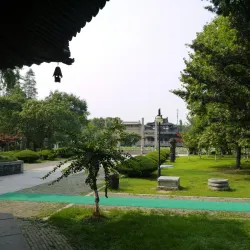
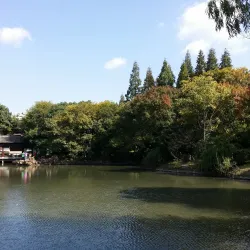

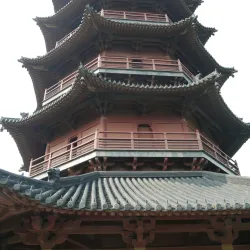
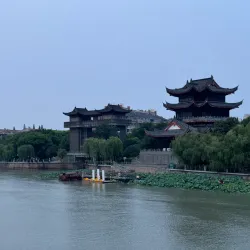
Feiying Pagoda is an ancient Buddhist pagoda located in Huzhou, known for its historical and architectural value. The pagoda dates back to the Tang Dynasty and stands as a symbol of the city's religious heritage.
Its intricate design and serene surroundings make it a popular spot for visitors interested in history, architecture, and spirituality.
Huzhou Museum

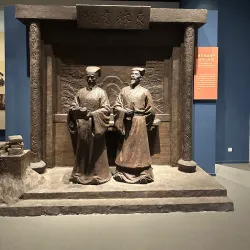
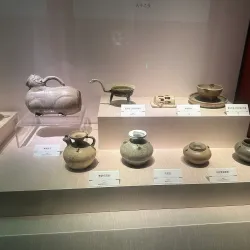
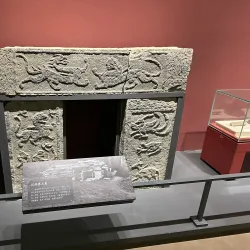

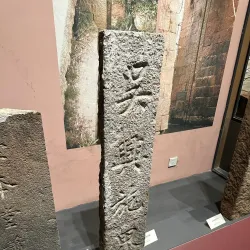

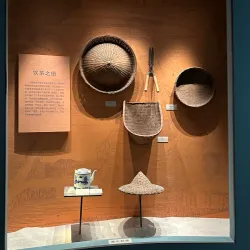
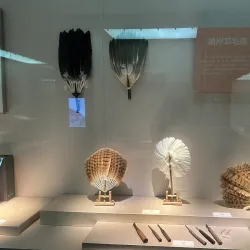
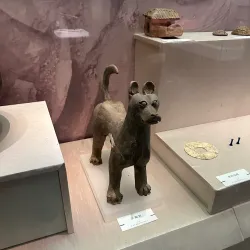
The Huzhou Museum showcases the city's history, culture, and art through a diverse collection of artifacts, including ancient ceramics, calligraphy, and traditional crafts.
The museum provides educational exhibits that highlight Huzhou's development and its role in the region, making it an informative stop for those wanting to learn more about the local heritage.
Mogan Mountain
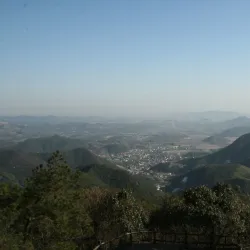
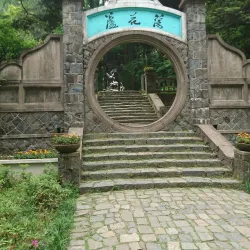
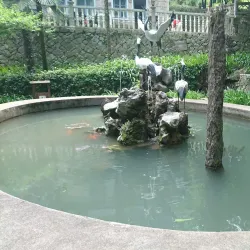

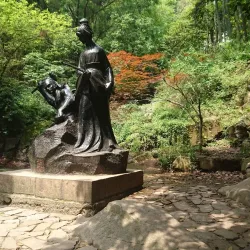
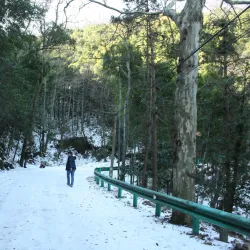
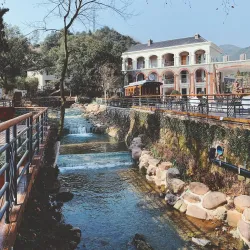
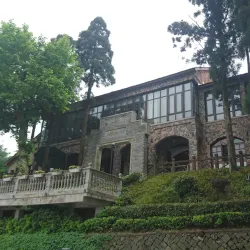
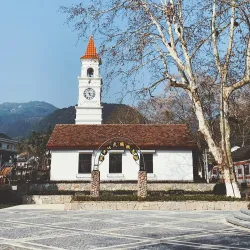
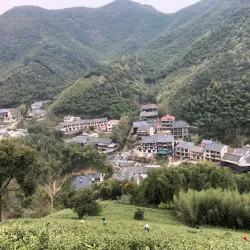
Mogan Mountain is a scenic mountain area near Huzhou, famous for its cool climate, lush forests, and beautiful hiking trails. It is a popular retreat for nature lovers and outdoor enthusiasts.
The mountain offers panoramic views, waterfalls, and historical villas, providing a perfect escape from the city and a chance to experience the natural beauty of Zhejiang Province.
Lotus Garden


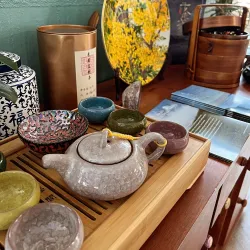







Lotus Garden is a tranquil park in Huzhou known for its beautiful lotus flowers, especially during the blooming season. The garden features traditional Chinese landscaping with ponds, pavilions, and walking paths.
It is a peaceful place for relaxation, photography, and enjoying seasonal floral displays, reflecting the city's connection to nature and traditional aesthetics.
Huzhou Silk Museum

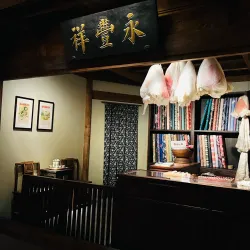

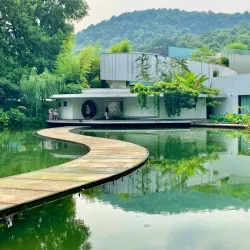

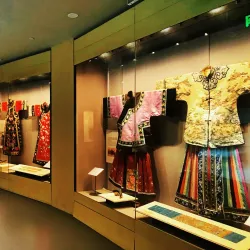
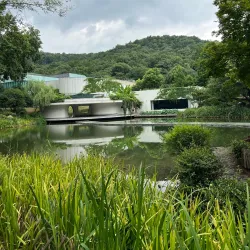
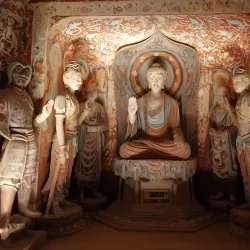

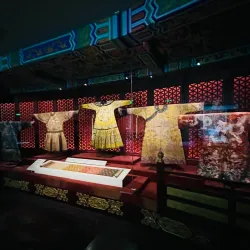
The Huzhou Silk Museum highlights the city's long history of silk production, showcasing the process from silkworm cultivation to fabric weaving.
Visitors can learn about the traditional techniques and cultural importance of silk in Huzhou, as well as view exquisite silk products and historical exhibits.
Xiaoheshan Park
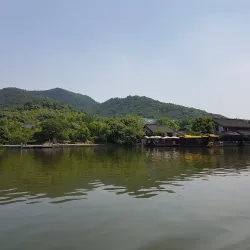
Xiaoheshan Park is a popular urban park in Huzhou offering green spaces, walking trails, and recreational facilities. It is a favorite spot for locals and tourists to enjoy outdoor activities and scenic views.
The park features gardens, lakes, and cultural monuments, making it a versatile destination for relaxation and leisure within the city.
Yuantouzhu Park
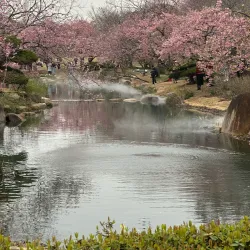
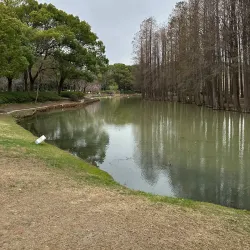
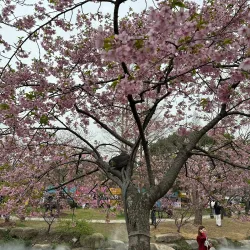
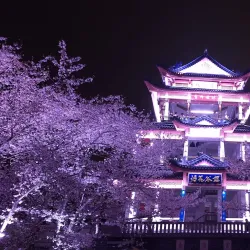
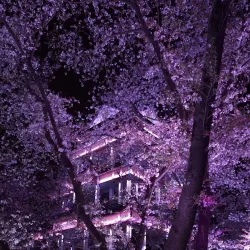
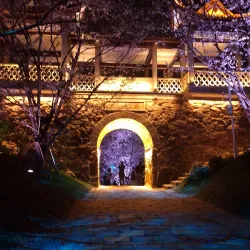
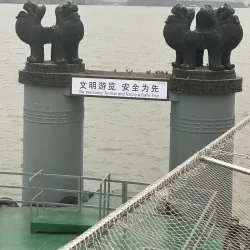

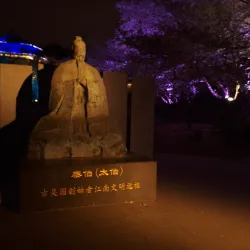
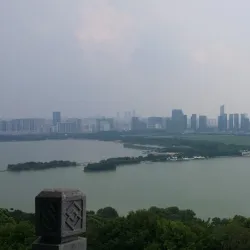
Yuantouzhu Park, also known as Turtle Head Isle, is located on the shore of Taihu Lake and is famous for its natural beauty and historical significance.
The park offers walking paths, gardens, and viewpoints overlooking the lake, providing a serene environment for visitors to explore and appreciate the landscape.
Longquan Temple
Longquan Temple is a historic Buddhist temple in Huzhou, known for its peaceful atmosphere and traditional architecture.
The temple is a place of worship and cultural interest, attracting visitors who wish to experience spiritual practices and admire ancient Chinese temple design.