Things to do in Laizhou
Laizhou, located in Shandong Province, China, is a city known for its rich cultural heritage and scenic landscapes. It offers visitors a blend of historical sites, natural parks, and traditional Chinese architecture.The city is a gateway to exploring the coastal beauty of the Bohai Sea and provides a glimpse into the local customs and history of the Shandong region.Laizhou Confucian Temple
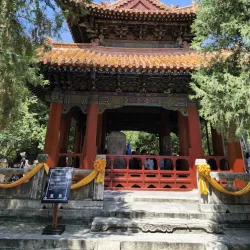
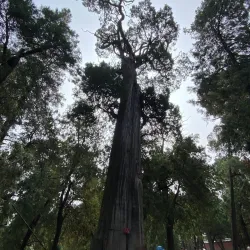
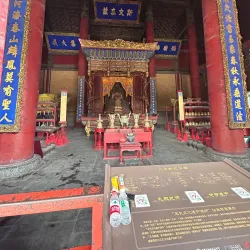
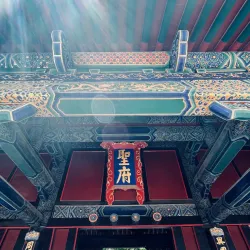
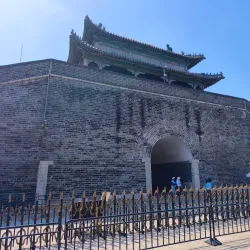
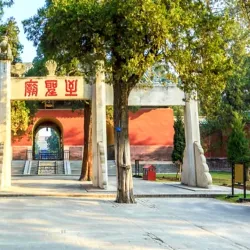
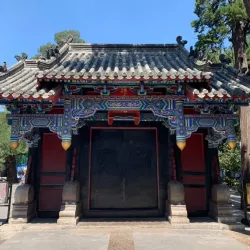
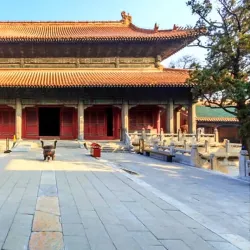
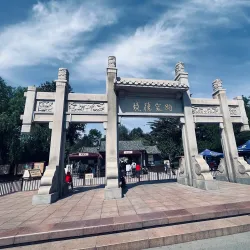
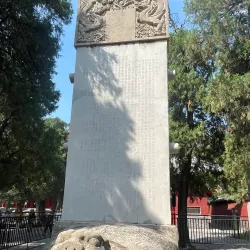
This temple is dedicated to Confucius, the great Chinese philosopher, and serves as a cultural and historical landmark in Laizhou. It showcases traditional Chinese architecture and offers insight into Confucian teachings and local heritage.
Laizhou Bay Coastal Scenic Area
A beautiful coastal area along the Bohai Sea, perfect for enjoying seaside views, fresh air, and local seafood. The area is popular for walking, photography, and experiencing the natural coastal environment.
Laizhou Museum
The museum provides a comprehensive overview of Laizhou's history, culture, and archaeology. Exhibits include ancient artifacts, traditional crafts, and displays about the local way of life.
Yishui River Park
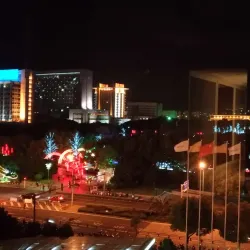
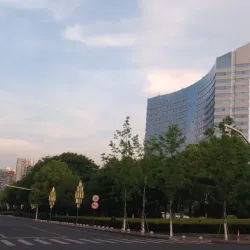
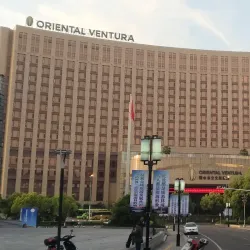
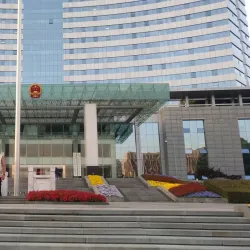
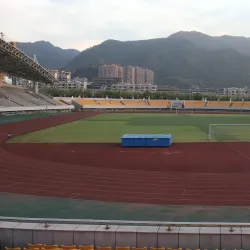
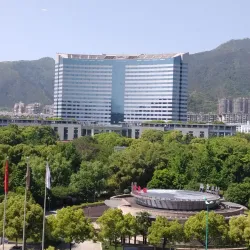
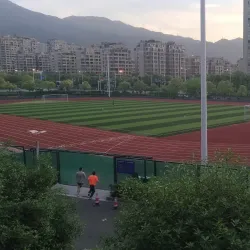
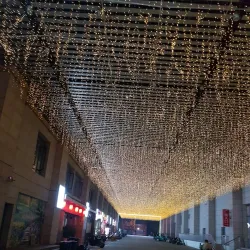
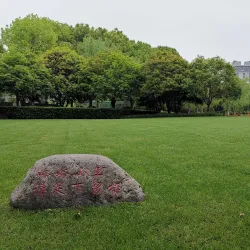
A scenic park along the Yishui River offering walking paths, gardens, and recreational areas. It is a peaceful spot for relaxation and enjoying nature within the city.
Ancient City Wall Ruins
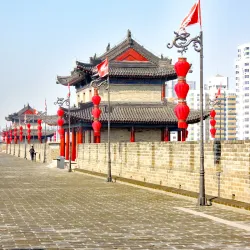
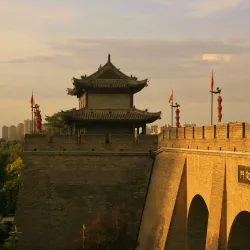
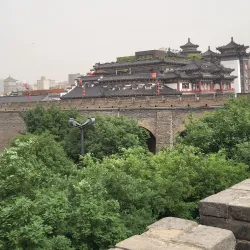
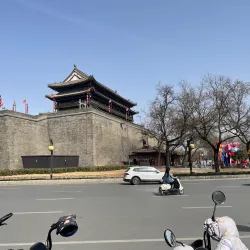
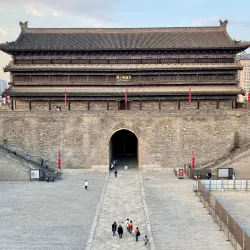
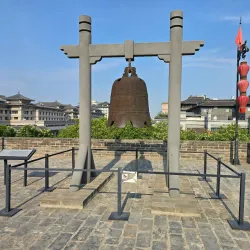
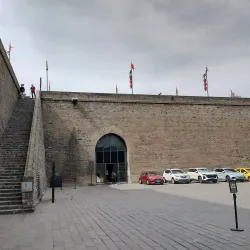
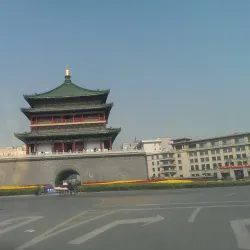
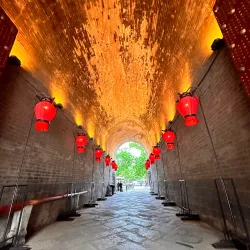
Remnants of the old city walls that once protected Laizhou. These ruins provide a historical perspective on the city's past defenses and urban layout.
Laizhou Folk Culture Village
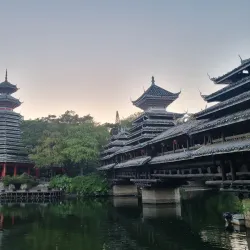
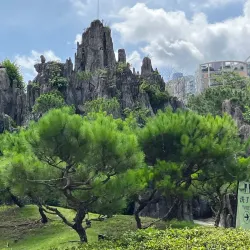
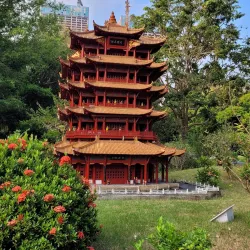
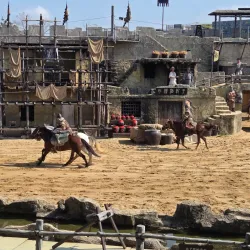
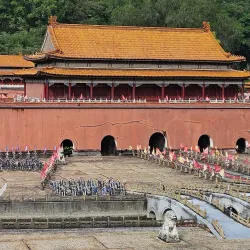
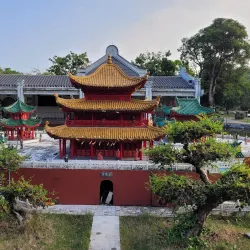
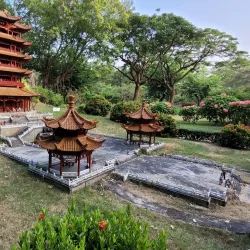
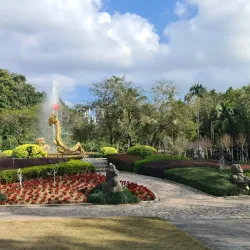
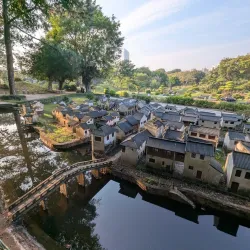
A cultural village showcasing traditional Shandong architecture, crafts, and folk customs. Visitors can experience local festivals, performances, and artisan workshops.
Longshan Park
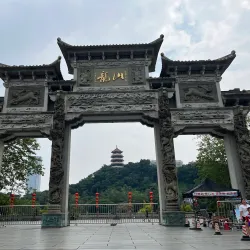
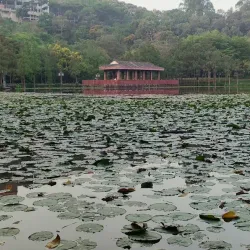
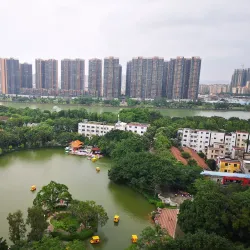
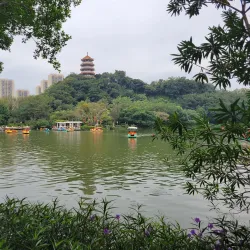
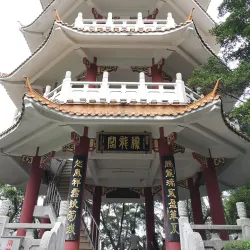
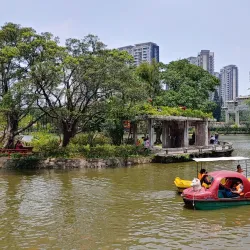
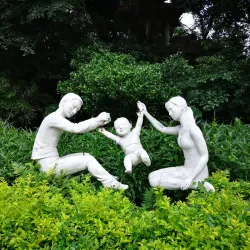
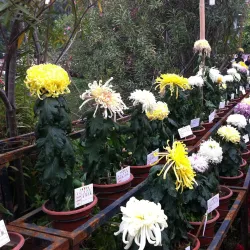
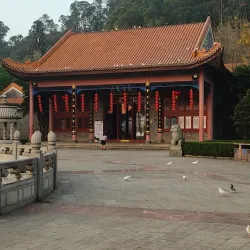
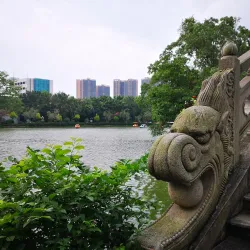
A large urban park featuring landscaped gardens, lakes, and walking trails. It is a popular spot for locals and tourists to enjoy outdoor activities and seasonal flower displays.
Shimen Mountain Scenic Area
A natural scenic area known for its rocky landscapes, hiking trails, and panoramic views. It is ideal for outdoor enthusiasts and nature lovers.
Laizhou People's Square
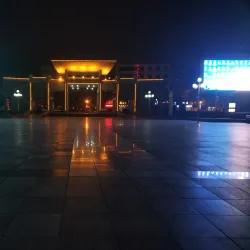
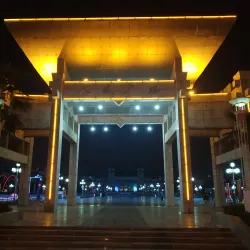

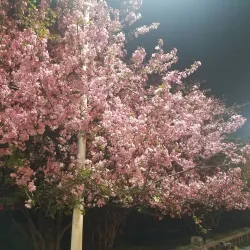
The central public square of Laizhou, often hosting events, markets, and cultural activities. It is a lively place to observe daily life and local gatherings.
Bohai Sea Fishing Port
A working fishing port where visitors can see local fishermen at work, buy fresh seafood, and learn about the maritime culture of the region.