Things to do in Lhasa
Lhasa, the capital city of the Tibet Autonomous Region in China, is renowned for its rich cultural heritage and spiritual significance. Nestled in the Himalayas, it offers visitors a unique blend of ancient Tibetan traditions and stunning natural landscapes.The city is famous for its historic monasteries, palaces, and vibrant local culture. Lhasa's neighborhoods reflect a deep connection to Tibetan Buddhism, making it a fascinating destination for those interested in history, religion, and architecture.Potala Palace
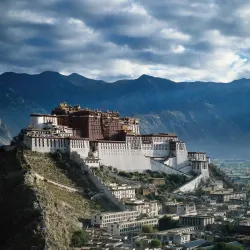
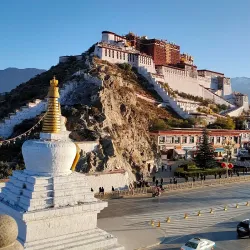
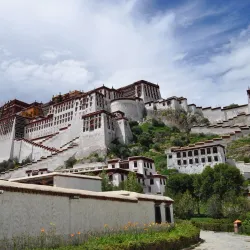
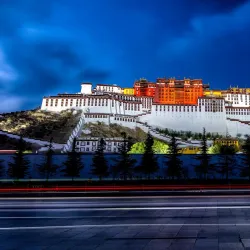
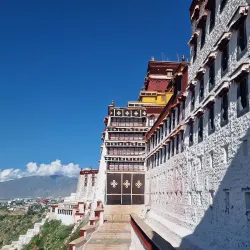
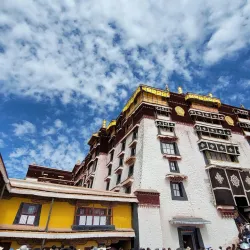
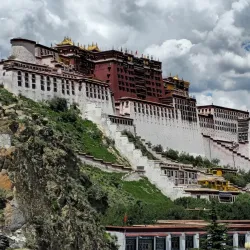
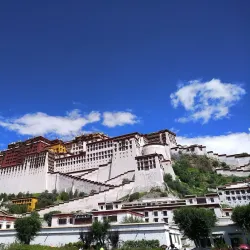
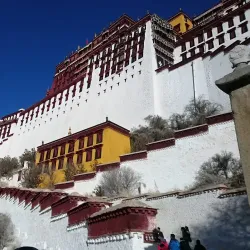
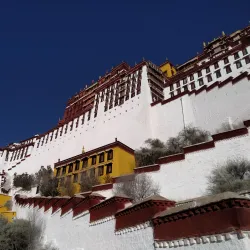
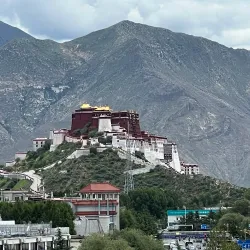
The Potala Palace is an iconic symbol of Tibetan Buddhism and was the winter residence of the Dalai Lama. This massive fortress-like structure stands on Marpo Ri hill and offers panoramic views of Lhasa.
Inside, visitors can explore numerous chapels, shrines, and the former living quarters of the Dalai Lama, showcasing exquisite Tibetan art and architecture.
Jokhang Temple
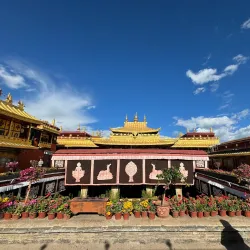
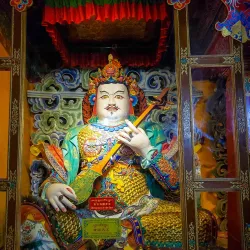
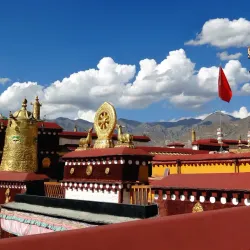
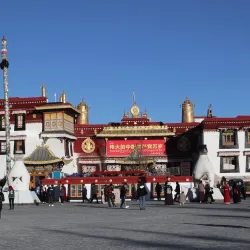
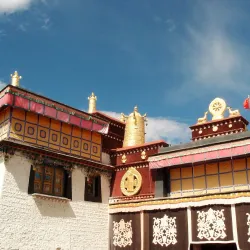
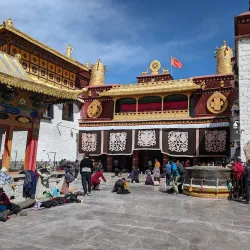
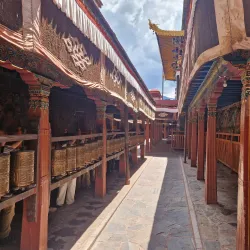
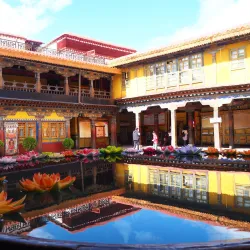
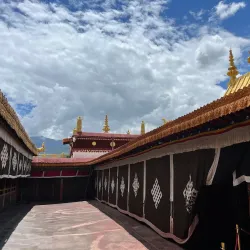
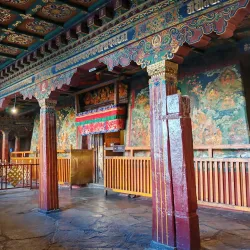
Jokhang Temple is the spiritual heart of Lhasa and one of the most sacred temples in Tibetan Buddhism. It was founded in the 7th century and attracts pilgrims from across Tibet.
The temple's architecture blends Indian, Nepalese, and Tibetan styles, and it houses many important Buddhist statues and relics.
Norbulingka
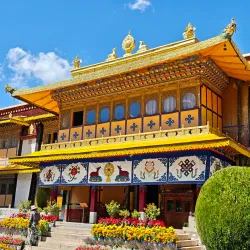
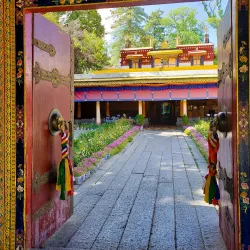


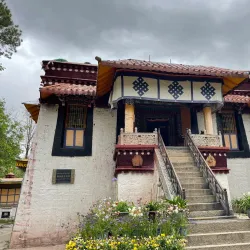
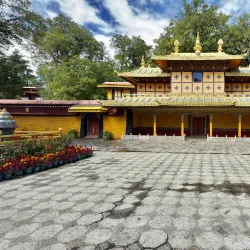
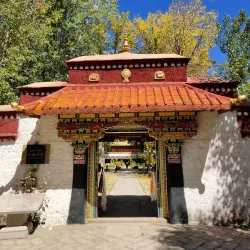
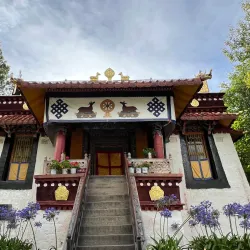
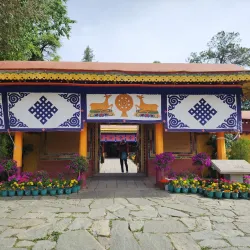
Norbulingka, meaning 'Treasure Garden,' served as the summer palace of the Dalai Lamas. It is surrounded by beautiful gardens and is a UNESCO World Heritage site.
Visitors can stroll through the landscaped grounds, explore the palace buildings, and learn about Tibetan royal history.
Sera Monastery
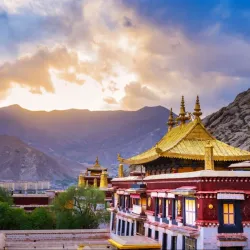
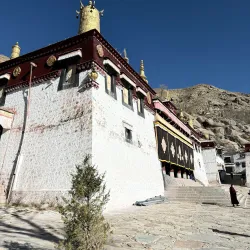
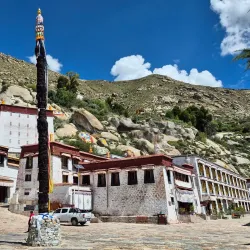
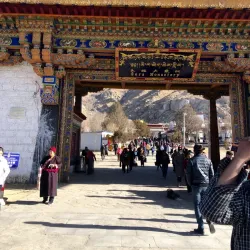
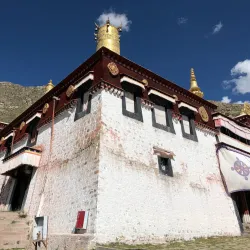
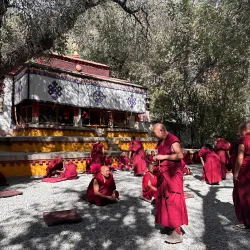
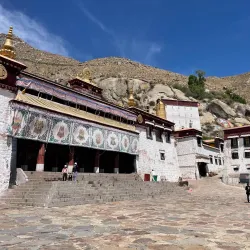
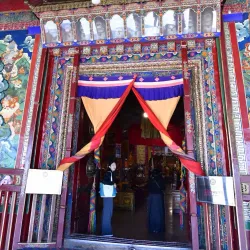
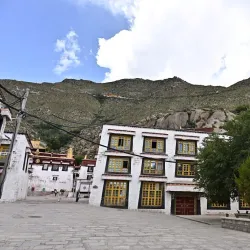
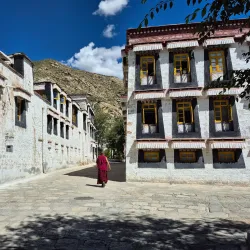
Sera Monastery is one of the great Gelug university monasteries of Tibet, known for its lively debates among monks.
The monastery complex includes several temples and is a center for Buddhist learning and practice.
Drepung Monastery
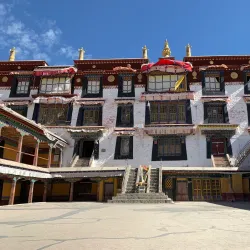
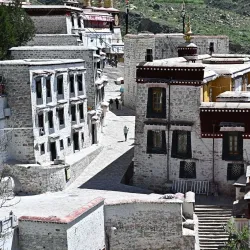
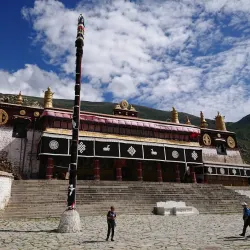
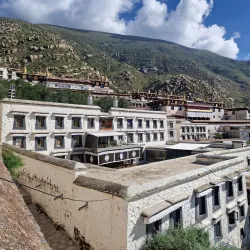
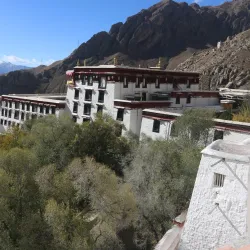
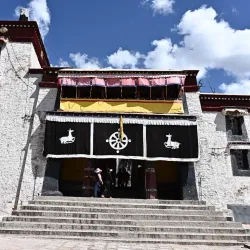
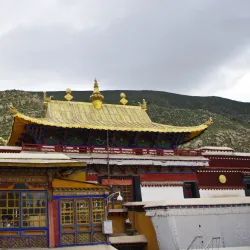
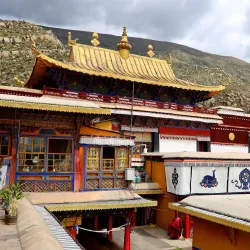
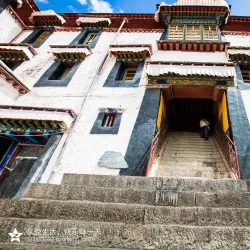
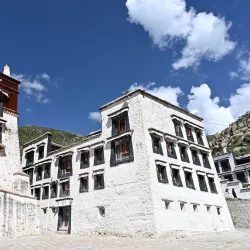
Drepung Monastery was once the largest monastery in the world and a major center of Tibetan Buddhism.
It is located on the Gambo Utse mountain and offers impressive views along with rich religious history.
Barkhor Street
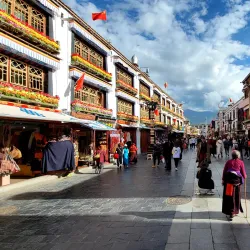
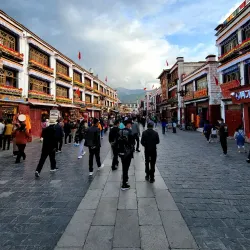
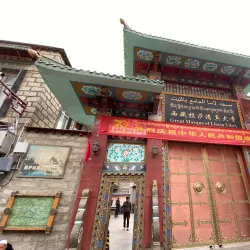
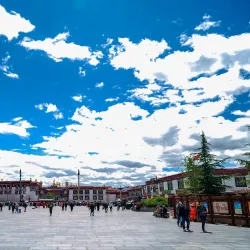
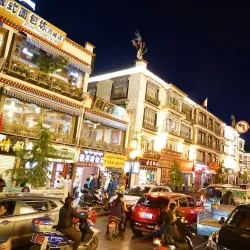

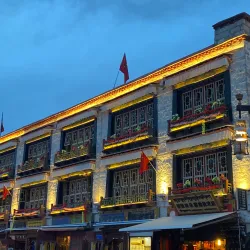


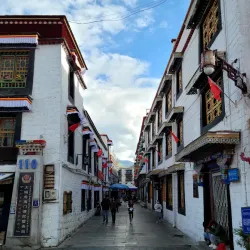
Barkhor Street is a bustling market street encircling the Jokhang Temple, popular with locals and tourists alike.
It is a great place to experience Tibetan culture, shop for traditional crafts, and observe religious pilgrimages.
Tibet Museum

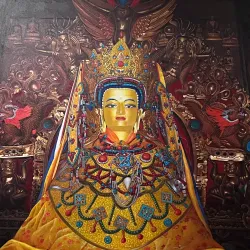
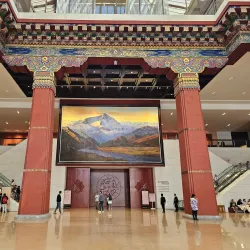
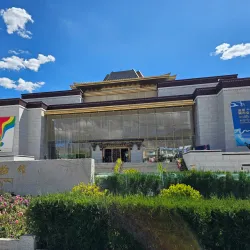
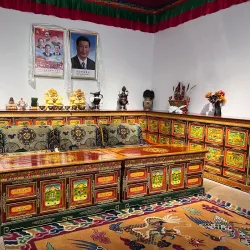
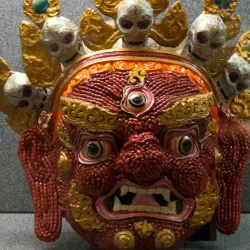
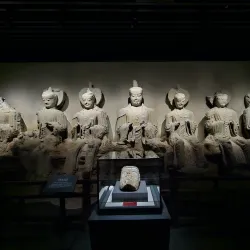
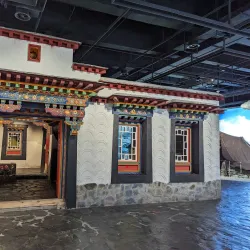
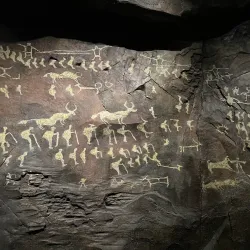
The Tibet Museum is the official museum of the Tibet Autonomous Region, showcasing Tibetan history, culture, and art.
Exhibits include traditional costumes, religious artifacts, and historical documents.
Ramoche Temple
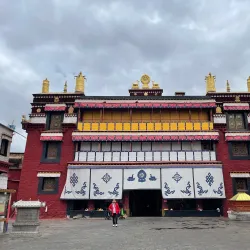
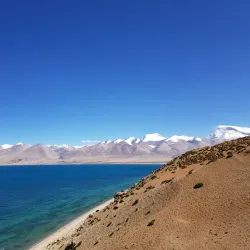
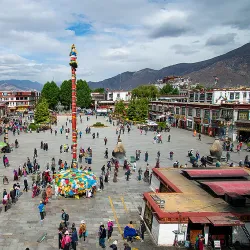
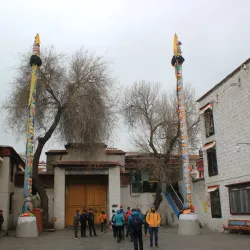
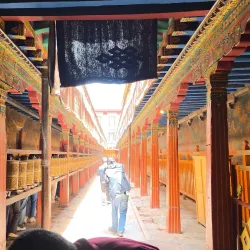
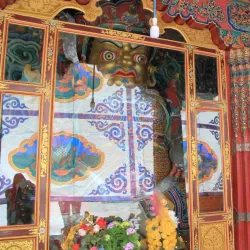
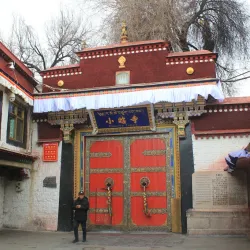
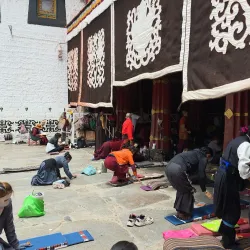
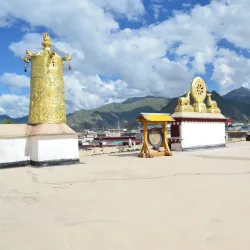
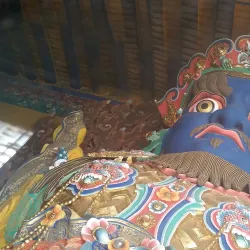
Ramoche Temple is an important Buddhist temple in Lhasa, known for its ancient statues and religious significance.
It is considered the sister temple to Jokhang and has a rich history dating back to the 7th century.
Lhasa River
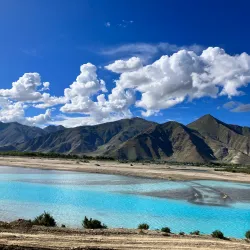
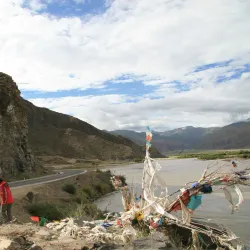
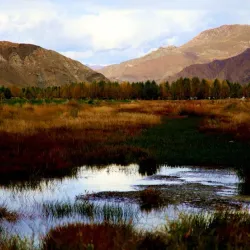
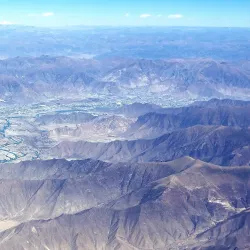
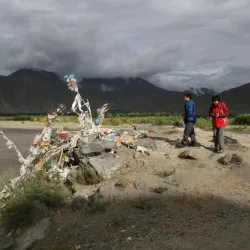
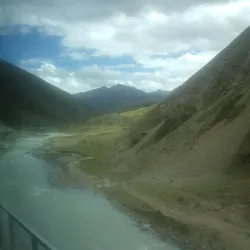
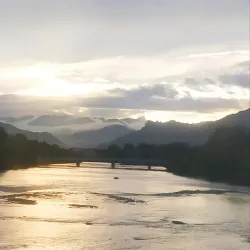
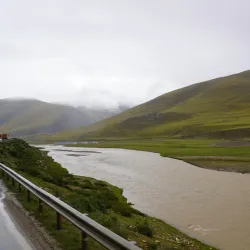
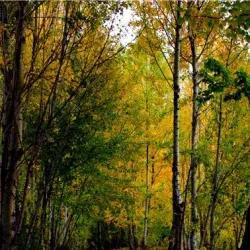
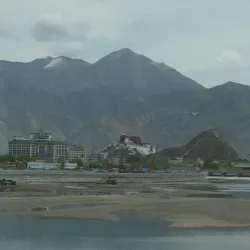
The Lhasa River flows through the city and offers scenic views and opportunities for peaceful walks along its banks.
It is an important natural feature of the region and contributes to the area's agricultural and cultural life.
Tsurphu Monastery
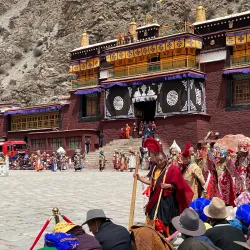
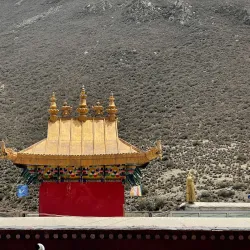
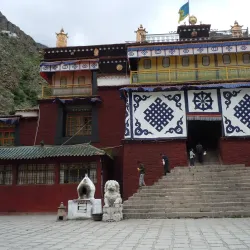
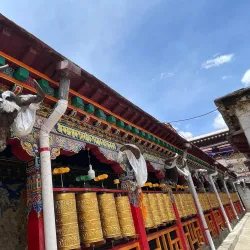
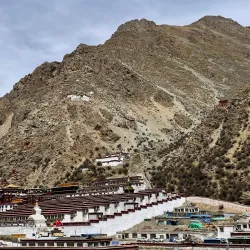
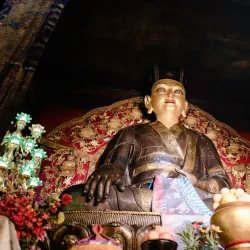
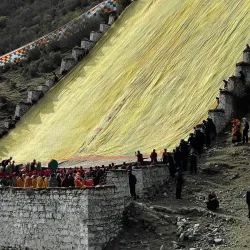
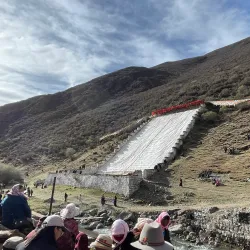
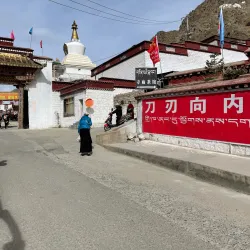
Tsurphu Monastery is the traditional seat of the Karmapa, head of the Karma Kagyu school of Tibetan Buddhism.
Located outside Lhasa, it is a significant pilgrimage site with beautiful architecture and serene surroundings.