Things to do in Nanjing
Nanjing, the capital of Jiangsu Province in eastern China, is a city rich in history and culture. Known as one of China's Four Great Ancient Capitals, it offers a blend of ancient heritage and modern development.The city is famous for its historical landmarks, beautiful parks, and museums that showcase its significant role in Chinese history. Visitors can explore ancient city walls, mausoleums, and vibrant neighborhoods that reflect both traditional and contemporary Chinese life.Ming Xiaoling Mausoleum

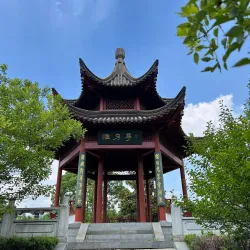


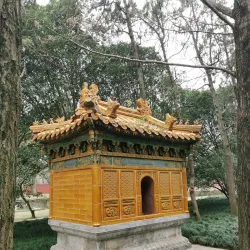
The Ming Xiaoling Mausoleum is the tomb of the Hongwu Emperor, the founder of the Ming Dynasty. It is renowned for its grand architecture and the Sacred Way lined with stone statues of animals and officials.
This UNESCO World Heritage site is a significant cultural landmark that reflects the grandeur of Ming Dynasty tomb construction and offers scenic walking paths.
Nanjing City Wall
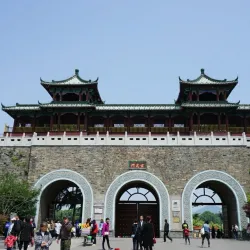
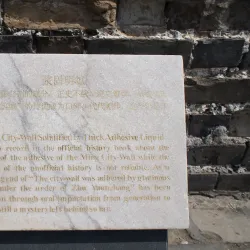
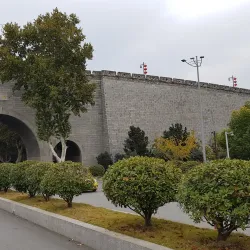
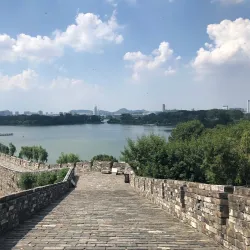
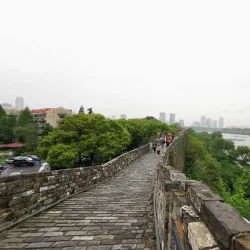
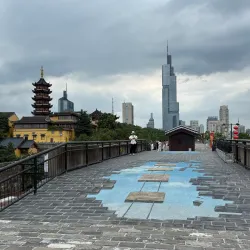
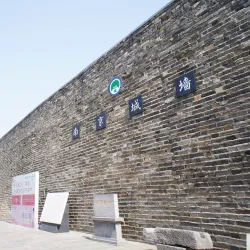
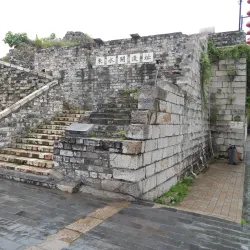
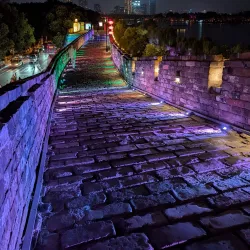
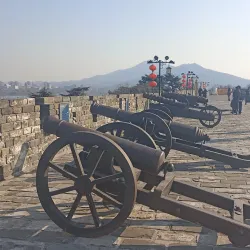
The Nanjing City Wall is one of the longest city walls ever built in China, constructed during the Ming Dynasty to protect the city.
Visitors can walk along parts of the wall to enjoy panoramic views of the city and appreciate the ancient military architecture.
Xuanwu Lake Park
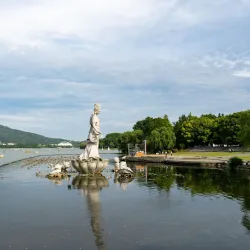
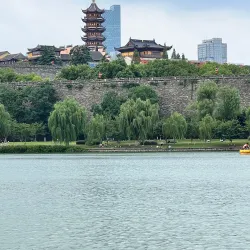
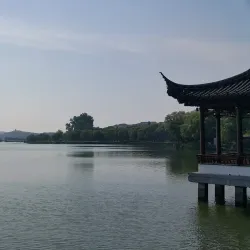
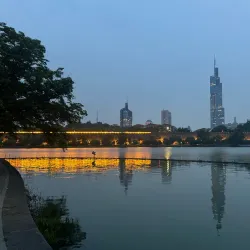
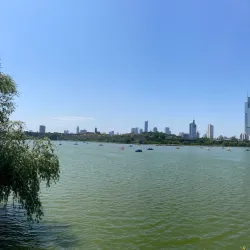
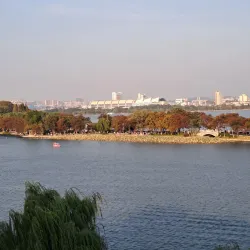
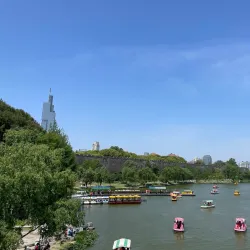
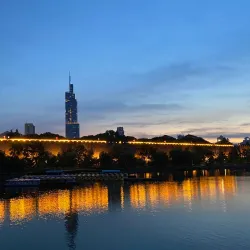
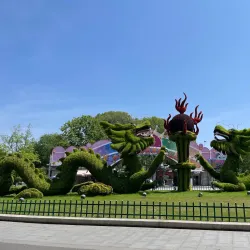
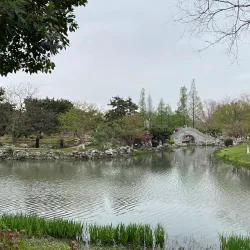
Xuanwu Lake Park is a large urban park centered around a beautiful lake with five interconnected islands.
It is a popular spot for both locals and tourists to relax, boat, and enjoy scenic views, especially during the spring and autumn seasons.
Purple Mountain (Zijin Shan)
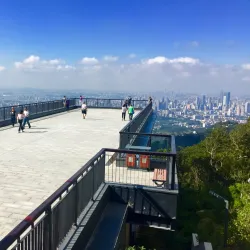
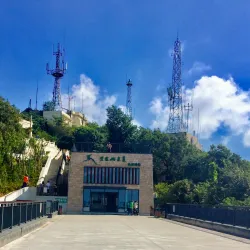
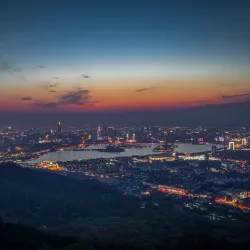
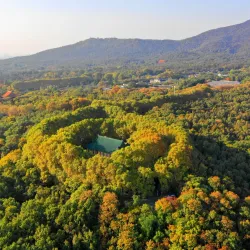
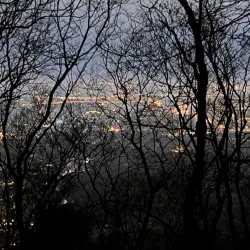
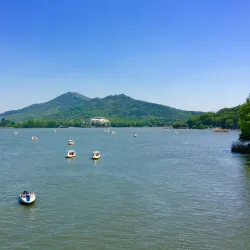
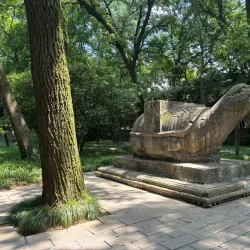
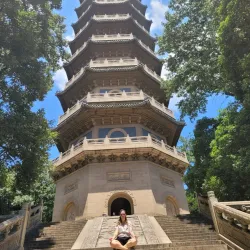
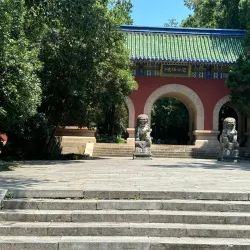
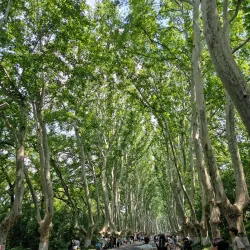
Purple Mountain is a scenic area known for its natural beauty and historical sites, including temples, observatories, and mausoleums.
It is a favored destination for hiking, sightseeing, and exploring cultural relics such as the Sun Yat-sen Mausoleum.
Sun Yat-sen Mausoleum
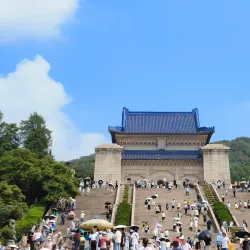
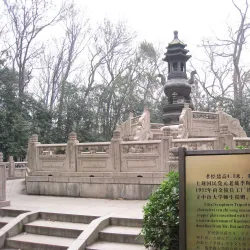
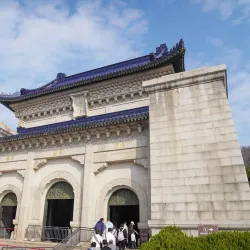
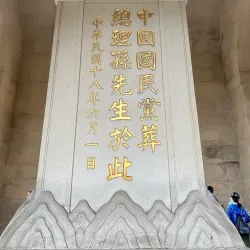
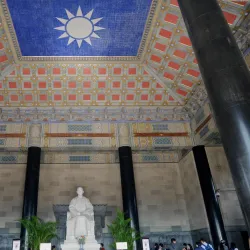
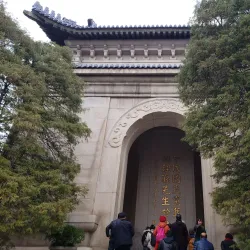
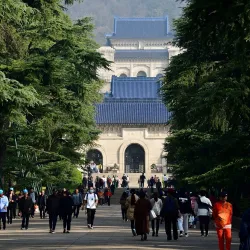
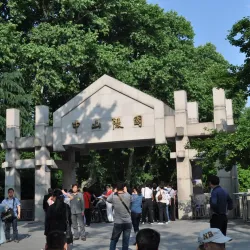
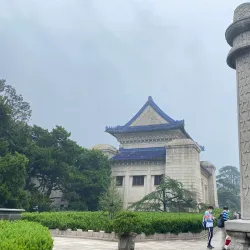
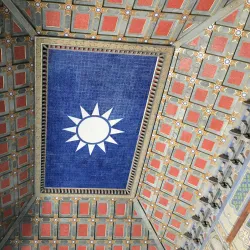
This mausoleum honors Dr. Sun Yat-sen, the founding father of modern China. It is located on the southern slope of Purple Mountain.
The site features impressive architecture and offers visitors a chance to learn about Sun Yat-sen's contributions to Chinese history.
Nanjing Museum
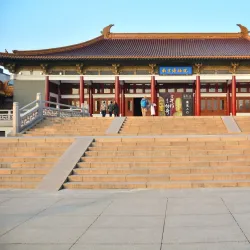
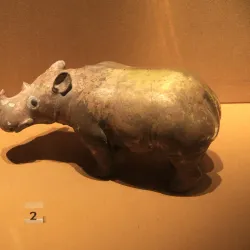
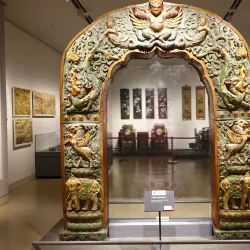
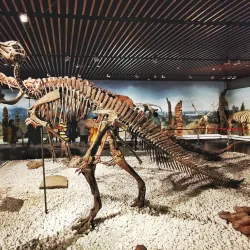
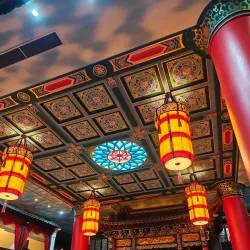
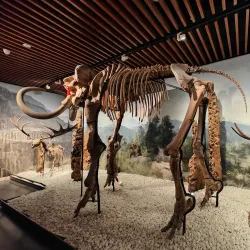
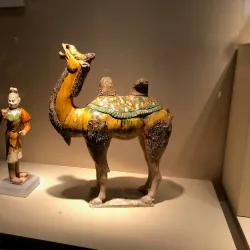
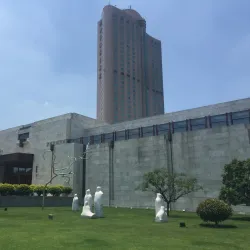
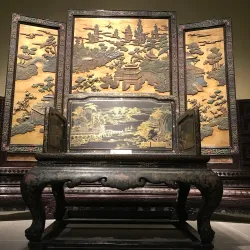
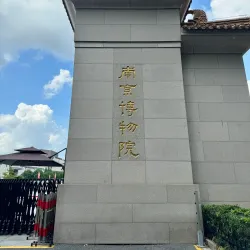
The Nanjing Museum is one of the largest museums in China, showcasing extensive collections of artifacts related to Chinese history, art, and culture.
It provides educational exhibits that cover various dynasties and cultural developments in the region.
Confucius Temple (Fuzimiao)
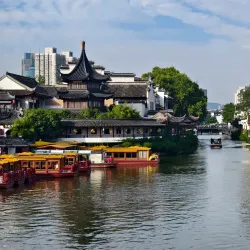
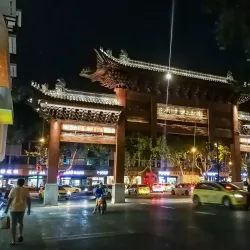
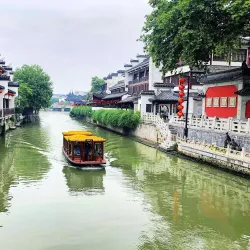
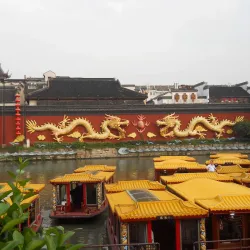
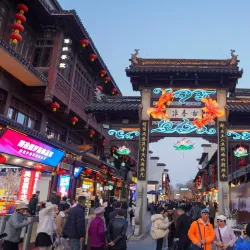
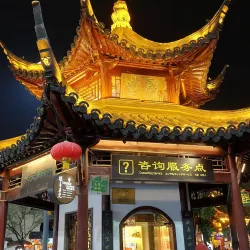
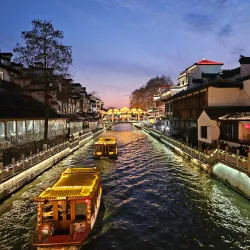
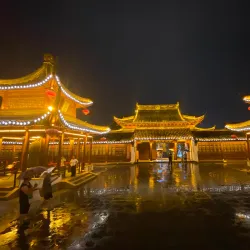
The Confucius Temple area is a vibrant cultural and commercial district centered around the historic temple dedicated to Confucius.
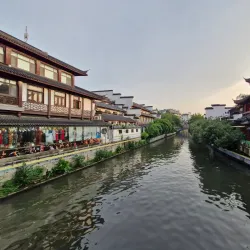
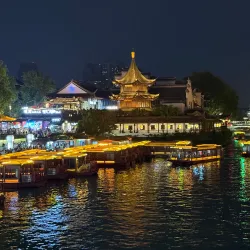
Visitors can explore traditional architecture, shops, restaurants, and enjoy the Qinhuai River scenery.
Memorial Hall of the Nanjing Massacre
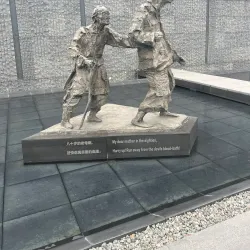
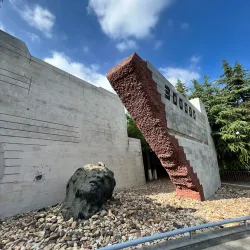
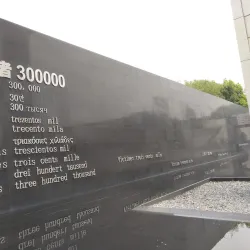
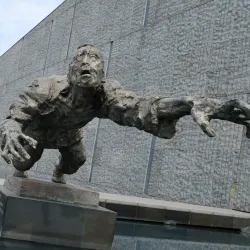
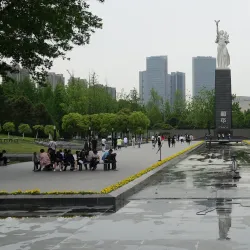
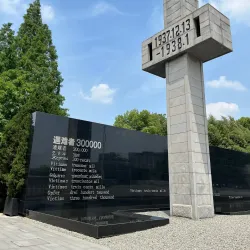
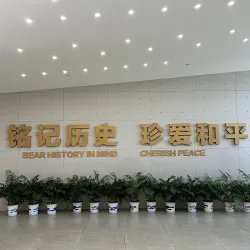
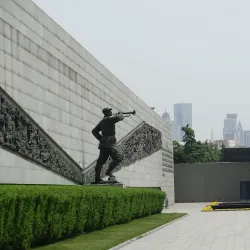
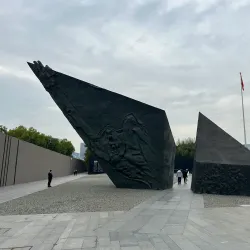
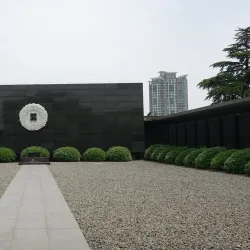
This memorial hall commemorates the victims of the Nanjing Massacre during World War II, serving as a somber reminder of the city's tragic history.
The museum offers detailed exhibits, photographs, and survivor testimonies to educate visitors about the events.
Presidential Palace
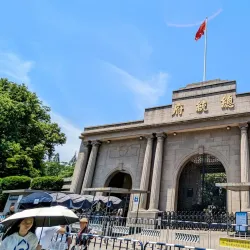
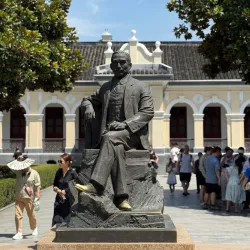
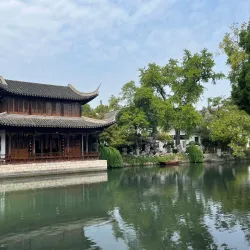
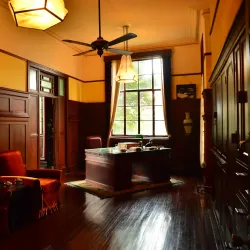
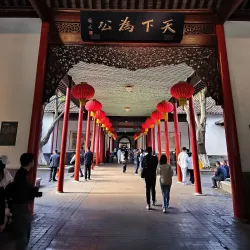
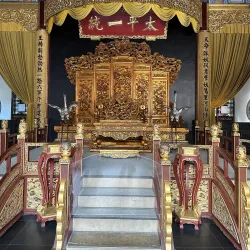
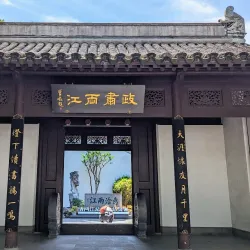
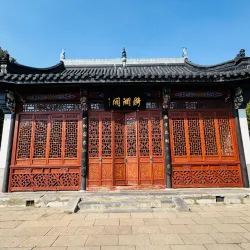
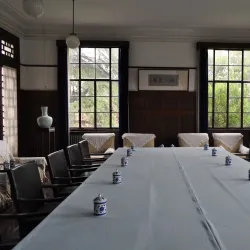
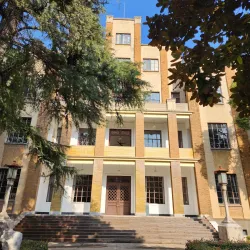
The Presidential Palace was the office of the President of the Republic of China before the establishment of the People's Republic of China.
Today, it is a museum and historical site showcasing modern Chinese history and architecture.
Qinhuai River
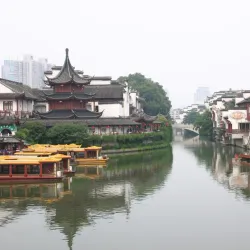
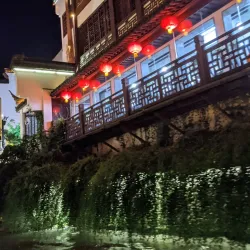
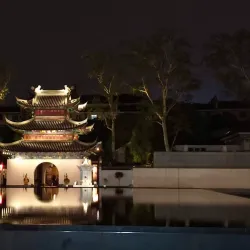
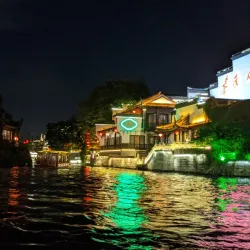
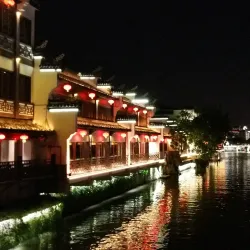
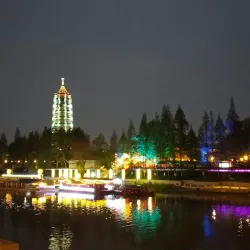
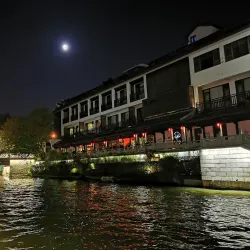
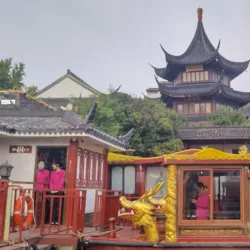
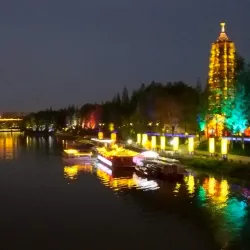
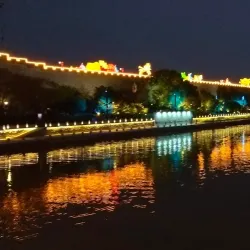
The Qinhuai River is a historic river that flows through Nanjing, known for its scenic beauty and cultural significance.
Boat tours along the river offer views of traditional buildings, bridges, and lively night markets.