
Quality of life in Qinzhou
Cost of Living, Healthcare, Safety, Education, and More
About Qinzhou
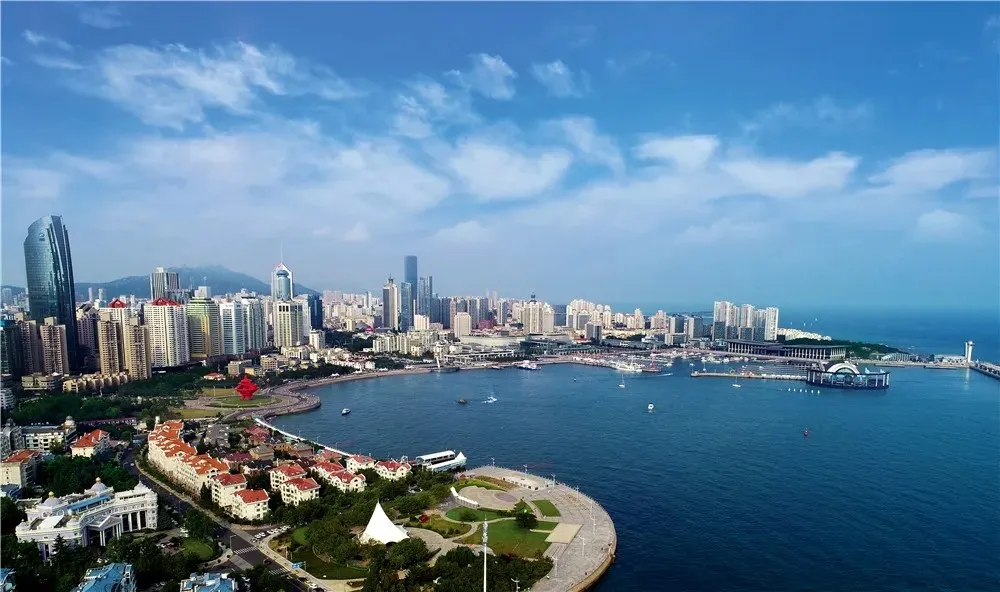
Qinzhou, located in the Guangxi Zhuang Autonomous Region of China, is a city that beautifully blends its rich historical heritage with modern development. Known for its picturesque coastal scenery and vibrant cultural life, Qinzhou is a city that offers a unique blend of traditional and contemporary experiences.The city is an emerging hub for trade and industry, thanks to its strategic location along the Beibu Gulf. This has led to significant economic growth and development, making it an attractive destination for both business and tourism. Qinzhou's economy is bolstered by its port, which plays a crucial role in regional trade, and its growing industries, including petrochemicals and machinery manufacturing.


History and Culture
Qinzhou has a long and storied history that dates back over two thousand years. It was an important port city during the Tang and Song dynasties, serving as a gateway for trade and cultural exchange between China and Southeast Asia. This historical significance is reflected in the city's diverse cultural heritage and architectural landmarks.
The city is home to several historical sites, including the ancient Qinzhou Old Street, which offers a glimpse into the city's past with its well-preserved traditional architecture. Qinzhou is also known for its rich cultural traditions, including the annual Dragon Boat Festival, which is celebrated with great enthusiasm and features traditional boat races and cultural performances.
Culturally, Qinzhou is a melting pot of various ethnic groups, including the Han, Zhuang, and Yao people, each contributing to the city's vibrant cultural tapestry. This diversity is evident in the local cuisine, festivals, and arts, making Qinzhou a fascinating place for cultural exploration.
Things to do in Qinzhou
Visitors to Qinzhou can enjoy a variety of activities and attractions. The city's coastal location makes it ideal for beach lovers, with beautiful spots like Sanniang Bay offering stunning views and opportunities for water sports.
For those interested in history and culture, the Qinzhou Museum provides insights into the region's past, showcasing artifacts and exhibits that highlight the city's historical significance. The nearby Nixing Pottery Factory is also worth a visit, where visitors can learn about the traditional pottery-making techniques that have been passed down through generations.
Nature enthusiasts will appreciate the scenic beauty of the nearby Shiwandashan National Forest Park, which offers hiking trails and breathtaking views of the lush landscape. Additionally, the city's vibrant night markets and local eateries provide a taste of Qinzhou's culinary delights, featuring fresh seafood and traditional Guangxi dishes.
Quality of Life Rankings

Weather in Qinzhou
Qinzhou, China experiences a humid subtropical climate characterized by hot, humid summers and mild, dry winters. The city receives an average annual precipitation of approximately 60 inches (1524 mm), with June being the wettest month, averaging around 10 inches (254 mm) of rainfall.
Seasonal Breakdown
- Spring (March to May)Temperatures gradually rise from an average high of 68°F (20°C) in March to 82°F (28°C) in May. Rainfall increases during this period, with May receiving significant precipitation, averaging around 8 inches (203 mm).
- Summer (June to August)The hottest months, with average highs ranging from 88°F (31°C) in June to 91°F (33°C) in July. Rainfall is at its peak in June, averaging around 10 inches (254 mm) per month, often accompanied by thunderstorms.
- Autumn (September to November)Temperatures gradually decrease from an average high of 86°F (30°C) in September to 73°F (23°C) in November. Rainfall remains moderate, averaging around 5 inches (127 mm) per month.
- Winter (December to February)The coldest period, with average highs ranging from 64°F (18°C) in December to 60°F (16°C) in February. Rainfall is minimal, averaging about 2 inches (51 mm) in January.
Notable Weather Events
- Occasional typhoons during the late summer and early autumn months.
- Heatwaves during July and August.
- Heavy thunderstorms in June.
Qinzhou's Political Climate
Qinzhou, located in the Guangxi Zhuang Autonomous Region of China, is a city with a dynamic political climate shaped by its strategic position and economic ambitions. As part of China, Qinzhou's political landscape is heavily influenced by the central government's policies and the Communist Party of China's (CPC) directives. The city's governance is aligned with the broader national objectives, focusing on economic development, infrastructure expansion, and social stability.
Historically, Qinzhou has been a significant port city, which has influenced its political and economic strategies. The local government has been proactive in implementing policies that support the Belt and Road Initiative, aiming to enhance trade and connectivity. This has led to increased investments in port facilities and logistics infrastructure, positioning Qinzhou as a key player in regional trade.
In recent years, Qinzhou has also focused on environmental sustainability, aligning with China's national goals of reducing carbon emissions and promoting green energy. The city has initiated several projects aimed at improving air quality and managing industrial pollution, reflecting a growing awareness of environmental issues among its leadership.
The political climate in Qinzhou is also characterized by efforts to improve social welfare and public services. The local government has been working on enhancing healthcare, education, and housing, which are critical issues for the residents. These initiatives are part of a broader strategy to improve the quality of life and ensure social harmony.
Political Quick Facts
- Voter TurnoutN/A (China does not have direct elections for local government)
- City GovernanceMunicipal government under the leadership of the Communist Party
- CompositionEntirely composed of members of the Communist Party of China
- Recent Political ChangesIncreased focus on the Belt and Road Initiative and environmental policies
- EngagementModerate, with civic activities primarily organized through government-sanctioned channels
- Political ScorecardHigh in governance efficiency, moderate in transparency
- Legislative PrioritiesEconomic development through the Belt and Road Initiative Environmental sustainability and pollution control Improvement of public services and social welfare
- Public OpinionGenerally supportive of the Communist Party's policies, with a focus on economic growth and stability
Notable Political Figures
- Li MingCurrent Mayor of Qinzhou, known for his work on urban development and infrastructure projects.
- Wang WeiDeputy Party Secretary, influential in promoting environmental policies.
- Zhang HuiDirector of the Qinzhou Port Authority, key figure in the Belt and Road Initiative projects.