
Quality of life in Suqian
Cost of Living, Healthcare, Safety, Education, and More
About Suqian
Suqian, located in the northern part of Jiangsu Province, China, is a city that seamlessly blends its rich historical heritage with modern development. Known for its picturesque landscapes and vibrant cultural scene, Suqian offers a unique charm that attracts both residents and visitors alike.The city is characterized by its thriving agricultural industry, particularly in the production of rice, wheat, and aquatic products. In recent years, Suqian has also seen significant growth in its manufacturing and service sectors, contributing to its dynamic economy.Emerging as a hub for tourism, Suqian is renowned for its natural beauty, including the Luoma Lake and the Shuyang Forest Park, which provide ample opportunities for outdoor activities and relaxation.


History and Culture
Suqian's history dates back over 2,000 years, with its origins in the Han Dynasty. The city has played a significant role in various historical events, serving as a strategic location during ancient military campaigns.
Culturally, Suqian is known for its traditional Chinese opera and folk arts, which are celebrated through numerous local festivals and events. The city is home to several cultural institutions, including museums and theaters, that preserve and promote its rich heritage.
Notable historical figures from Suqian include Xiang Yu, a prominent military leader during the late Qin Dynasty, whose legacy is celebrated in local folklore and monuments.
The city's ethnic diversity is reflected in its vibrant cultural tapestry, with various communities contributing to its unique traditions and customs. This diversity is showcased in Suqian's culinary scene, which offers a wide array of local delicacies.
Things to do in Suqian
Visitors to Suqian can explore the scenic beauty of Luoma Lake, a popular destination for boating, fishing, and picnicking. The lake's serene environment makes it an ideal spot for relaxation and nature appreciation.
The Shuyang Forest Park offers a lush escape with its extensive trails and diverse flora and fauna, perfect for hiking and outdoor enthusiasts.
Cultural enthusiasts can visit the Suqian Museum, which houses a vast collection of artifacts that narrate the city's historical journey. The museum provides insights into the region's past and its cultural evolution.
Suqian's local festivals, such as the Suqian International Beer Festival, offer a glimpse into the city's lively social scene. These events are a great way to experience the local culture and community spirit.
For those interested in culinary experiences, Suqian's food markets and restaurants offer a taste of authentic Jiangsu cuisine, with specialties like Yangcheng Lake hairy crabs and Suqian-style noodles.
Quality of Life Rankings
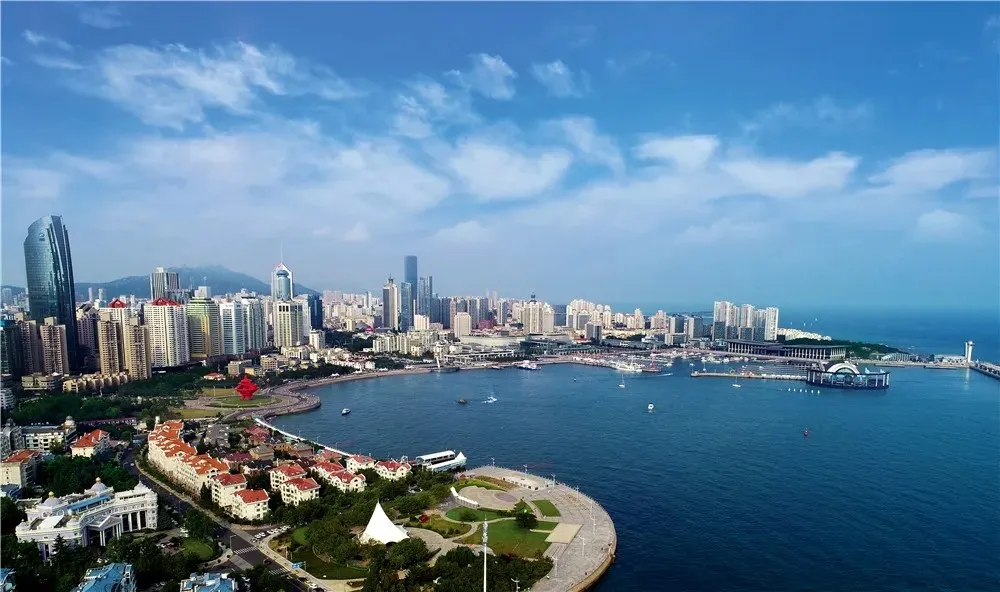
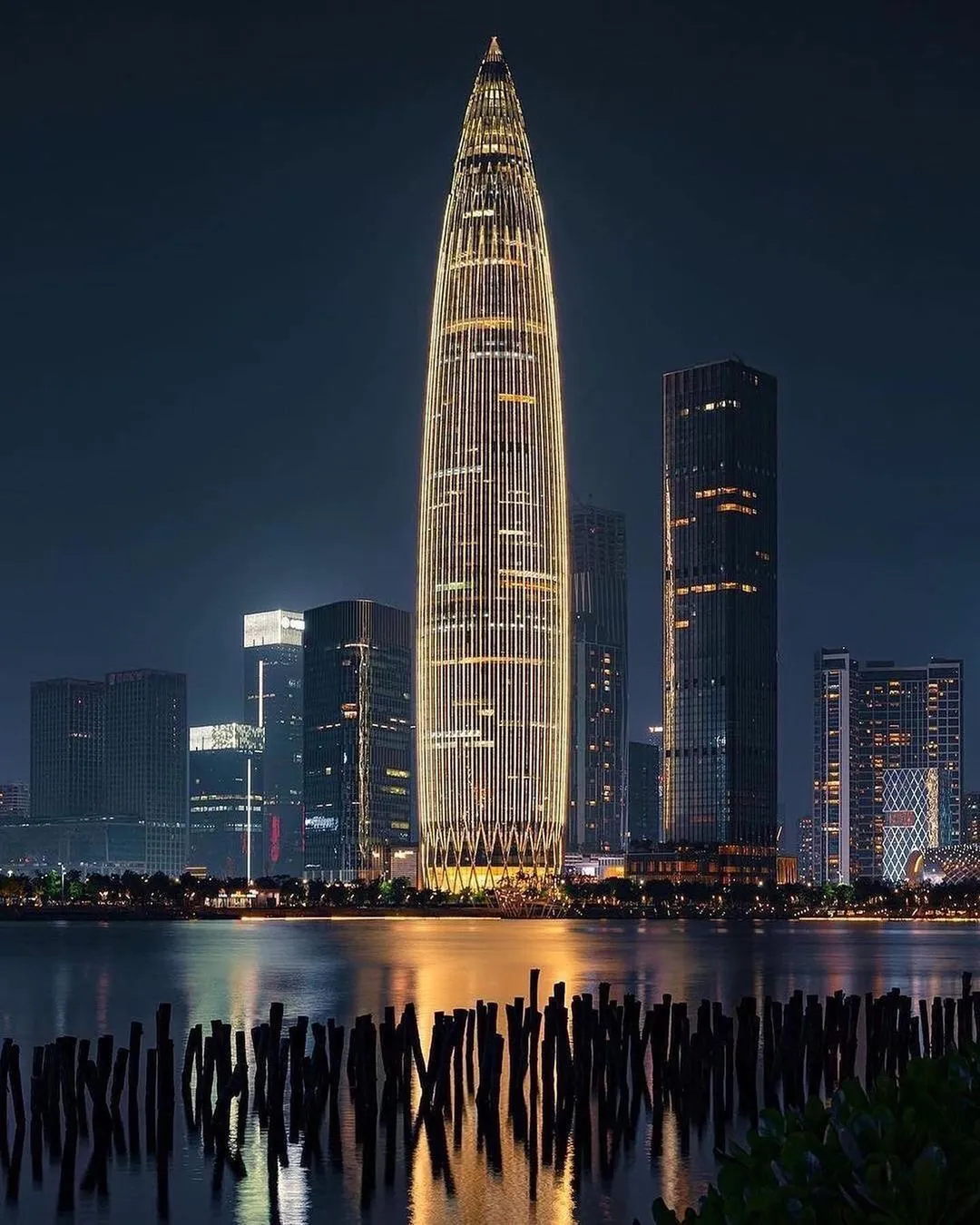
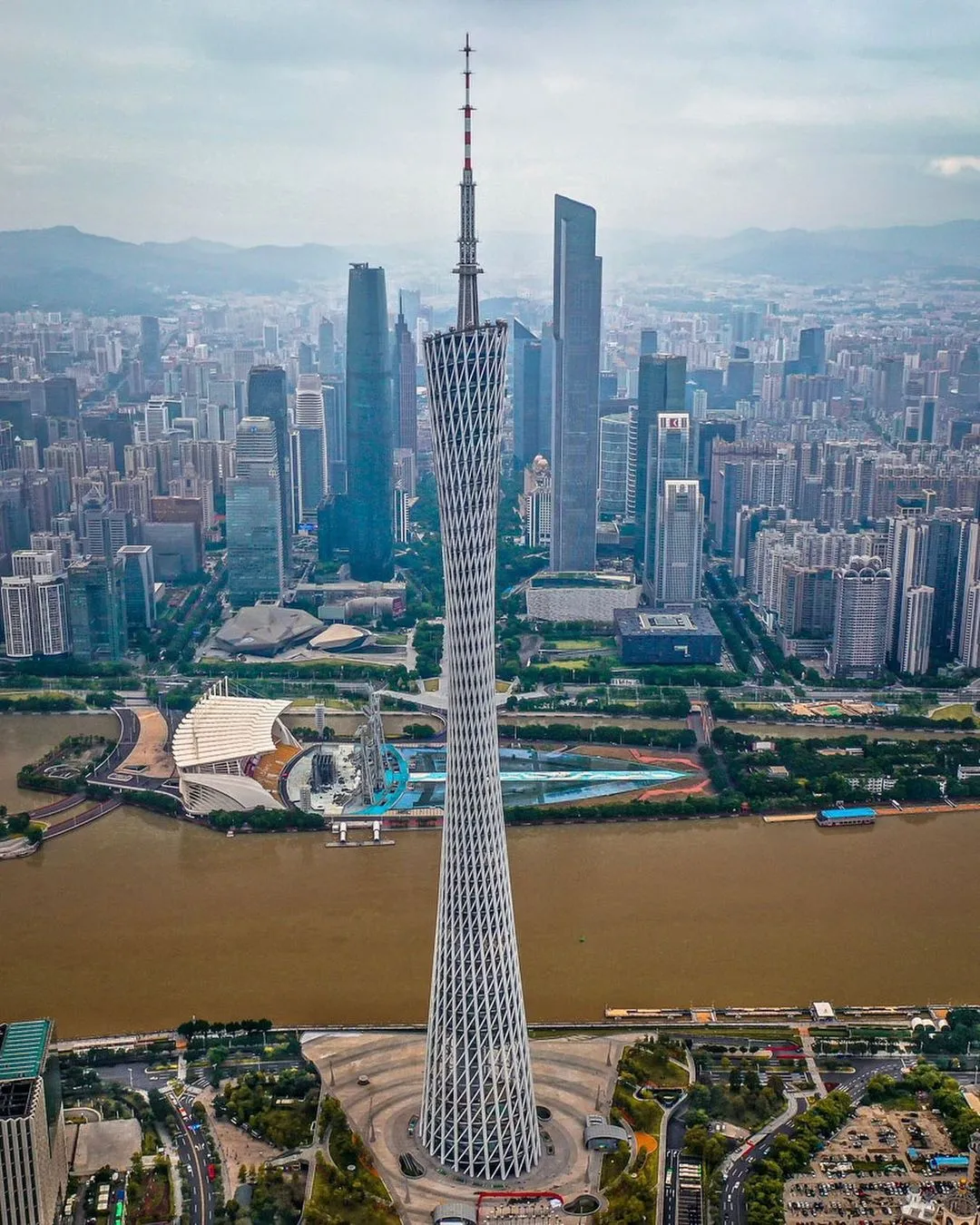
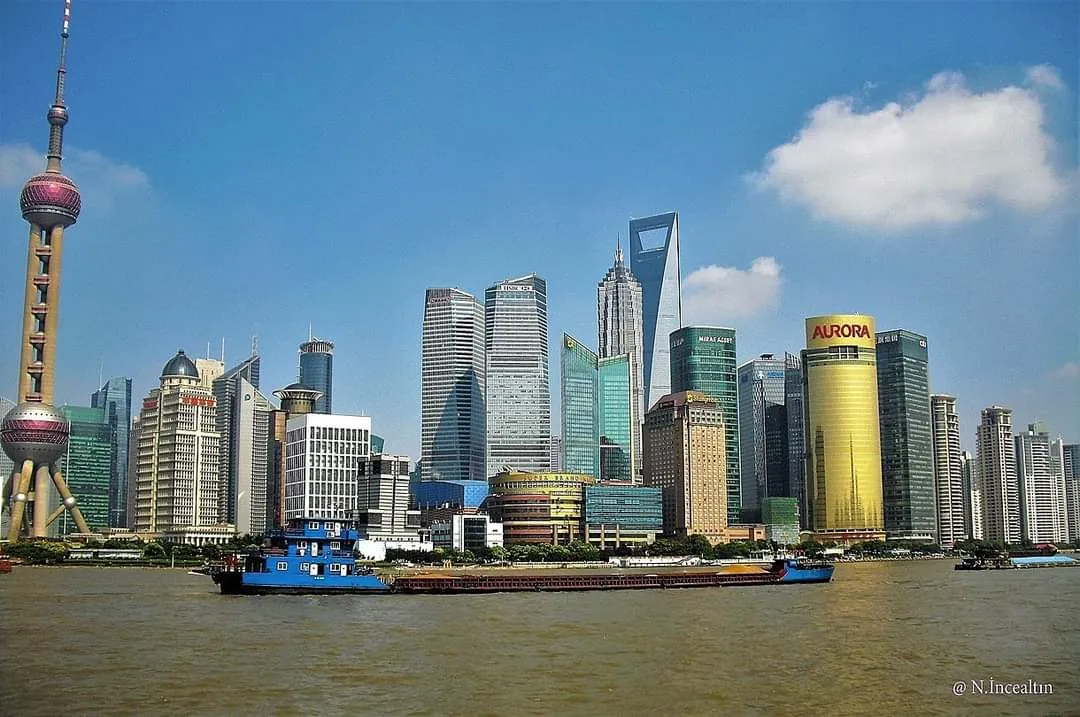

Weather in Suqian
Suqian, China experiences a humid subtropical climate characterized by hot, humid summers and cold, dry winters. The city receives an average annual precipitation of approximately 36 inches (914 mm), with July being the wettest month, averaging around 8 inches (203 mm) of rainfall.
Seasonal Breakdown
- Spring (March to May)Temperatures gradually rise from an average high of 56°F (13°C) in March to 77°F (25°C) in May. Rainfall increases during this period, with May receiving significant precipitation, averaging around 4 inches (102 mm).
- Summer (June to August)The hottest months, with average highs ranging from 86°F (30°C) in June to 90°F (32°C) in July. Rainfall is at its peak in July, averaging around 8 inches (203 mm) per month, often accompanied by thunderstorms.
- Autumn (September to November)Temperatures gradually decrease from an average high of 81°F (27°C) in September to 59°F (15°C) in November. Rainfall remains moderate, averaging around 3 inches (76 mm) per month.
- Winter (December to February)The coldest period, with average highs ranging from 46°F (8°C) in December to 44°F (7°C) in February. Snowfall is rare, but the city can experience occasional light snow, averaging about 1 inch (25 mm) in January.
Notable Weather Events
- Heatwaves during July and August
- Thunderstorms in summer
- Occasional light snow in winter
Suqian's Political Climate
Suqian, located in the Jiangsu province of China, is a city with a dynamic political climate that reflects the broader governance style of the Chinese Communist Party (CCP). The city's political landscape is characterized by a centralized governance model, with local leaders appointed by the central government. This structure ensures that Suqian's policies align closely with national directives, focusing on economic development, social stability, and environmental sustainability.
Historically, Suqian has been part of China's rapid urbanization and economic growth, benefiting from national policies aimed at boosting regional development. The city's leadership is committed to implementing progressive policies that support sustainable urban growth, including initiatives to improve public transportation, reduce pollution, and enhance green spaces. These efforts are part of a broader national strategy to address environmental challenges and promote sustainable development.
In recent years, Suqian has seen significant political events, such as the implementation of new economic zones and infrastructure projects that aim to attract investment and boost local employment. The city's political climate is also influenced by national campaigns against corruption and efforts to improve governance transparency. These initiatives have fostered a sense of civic engagement among residents, who are increasingly involved in local governance through community organizations and public consultations.
Political Quick Facts
- Voter TurnoutN/A (as local leaders are appointed)
- City GovernanceCentralized governance under the CCP
- CompositionDominated by CCP members
- Recent Political ChangesImplementation of new economic zones and anti-corruption campaigns
- EngagementModerate, with increasing public consultations
- Political ScorecardHigh on economic development, moderate on transparency
- Legislative PrioritiesEconomic development Environmental sustainability Anti-corruption measures
- Public OpinionGenerally supportive of CCP policies, with growing interest in environmental issues
Notable Political Figures
- Li QiangCurrent Party Secretary of Suqian, known for his focus on economic reforms.
- Wang WeiMayor of Suqian, advocates for sustainable urban development.
- Zhang MinDeputy Mayor, involved in public health and education initiatives.